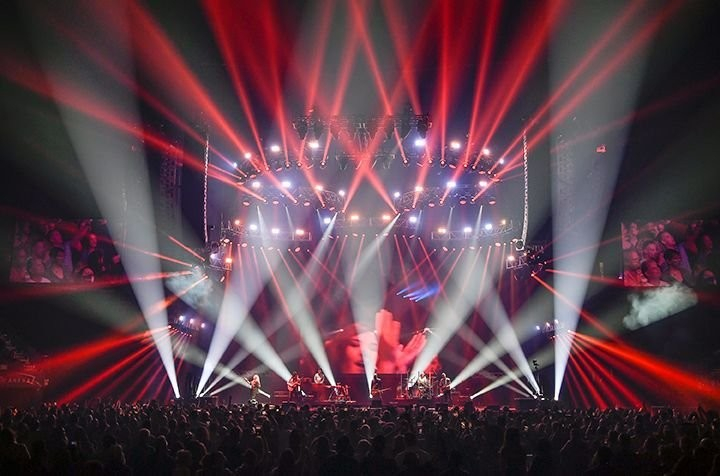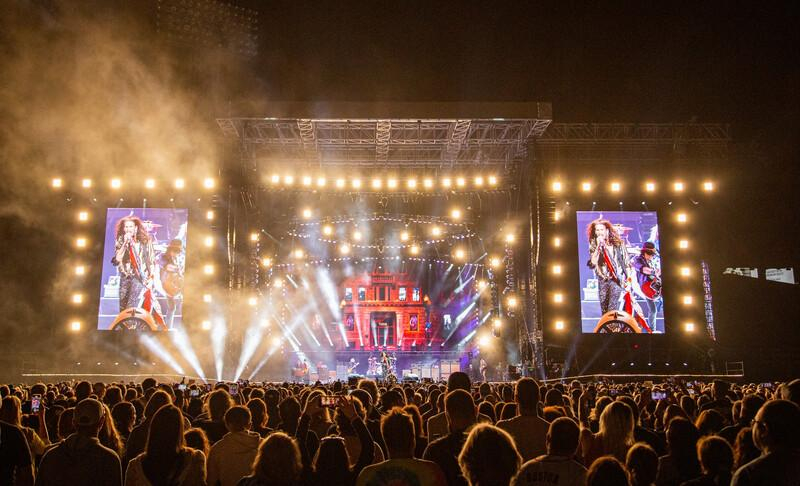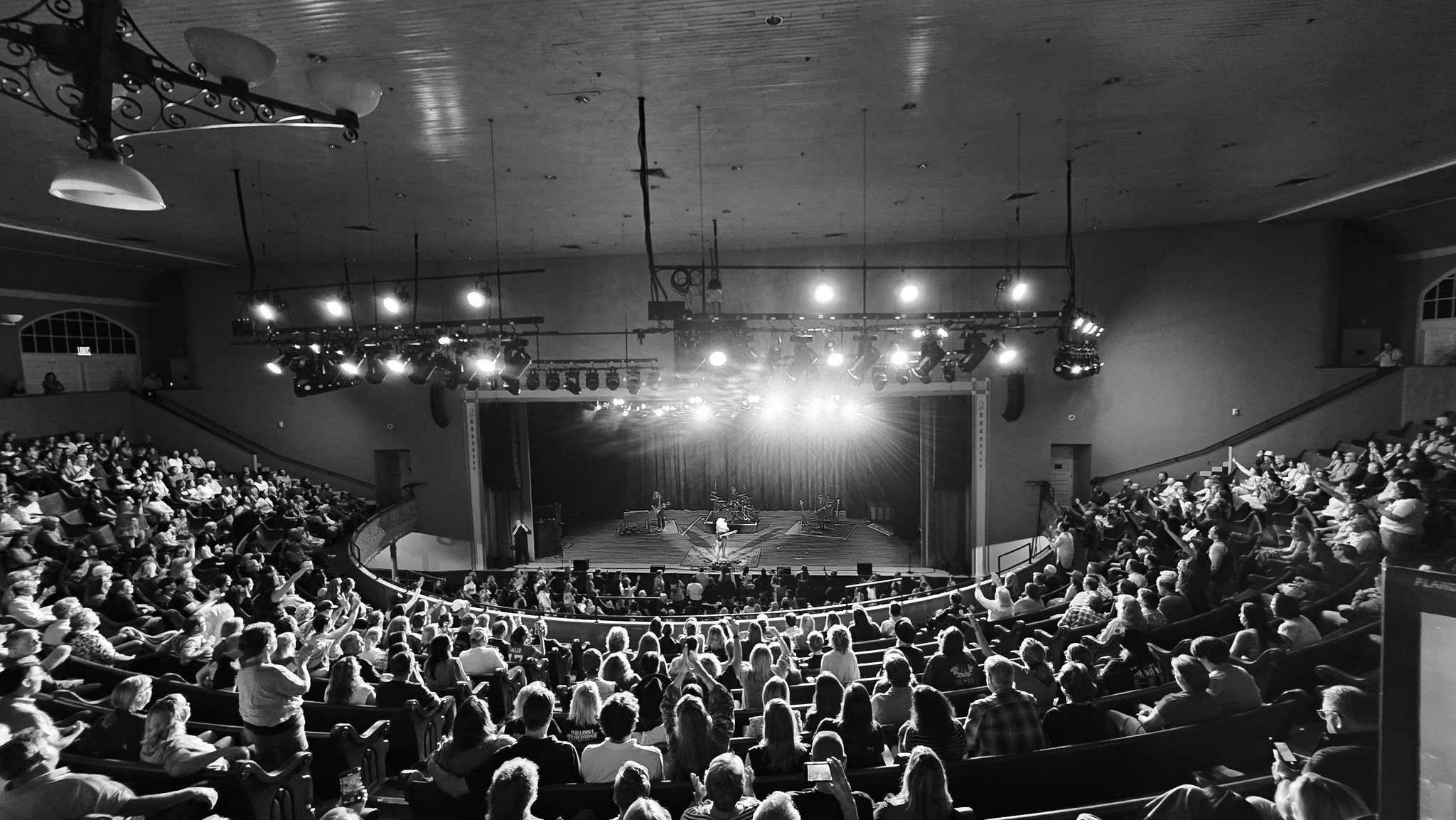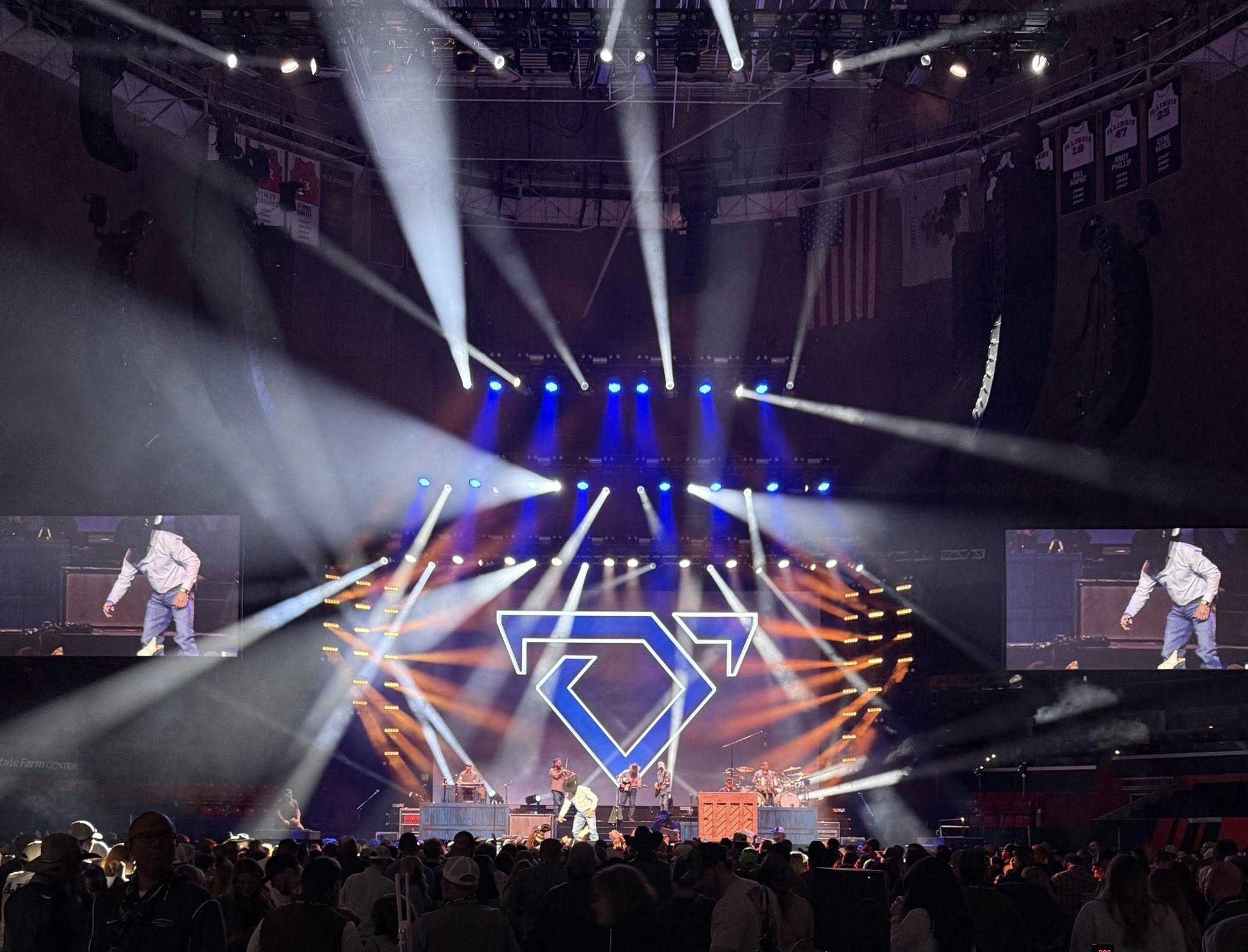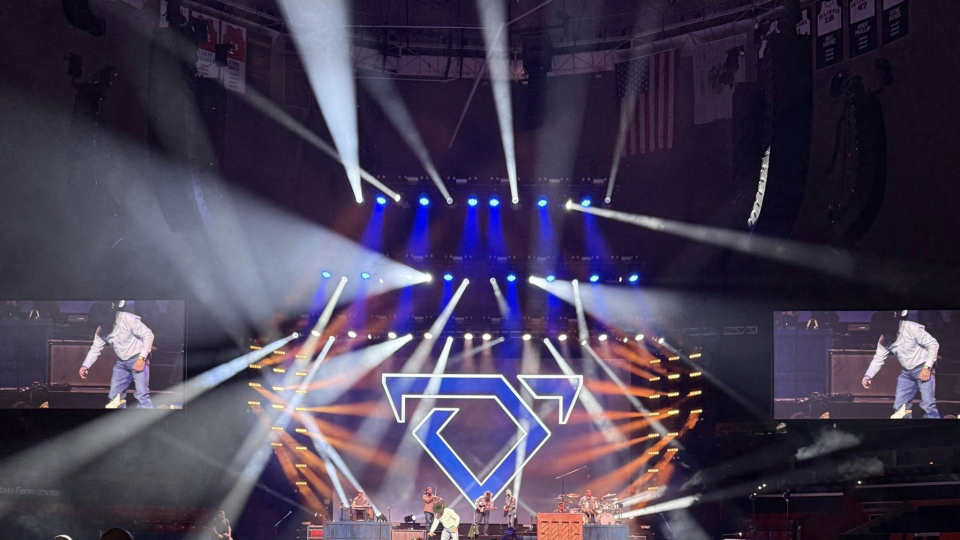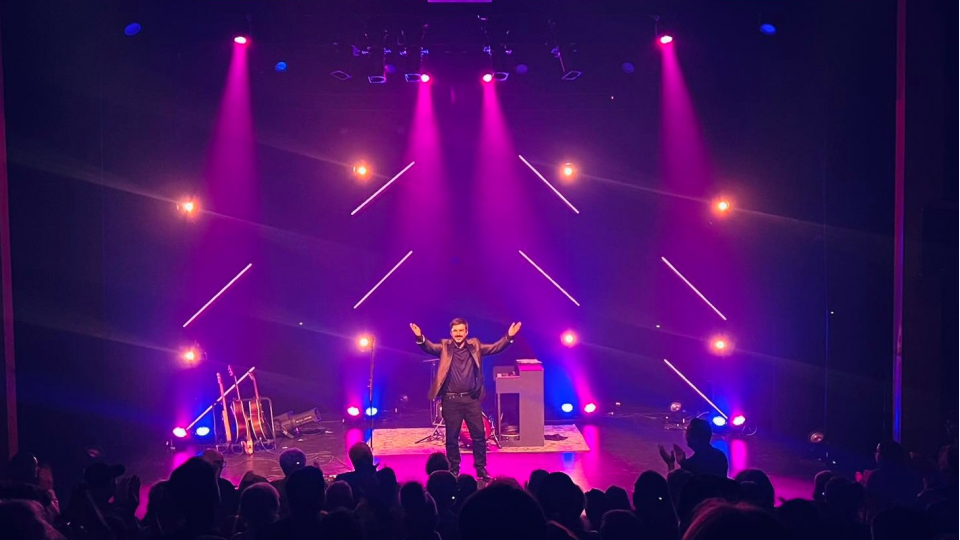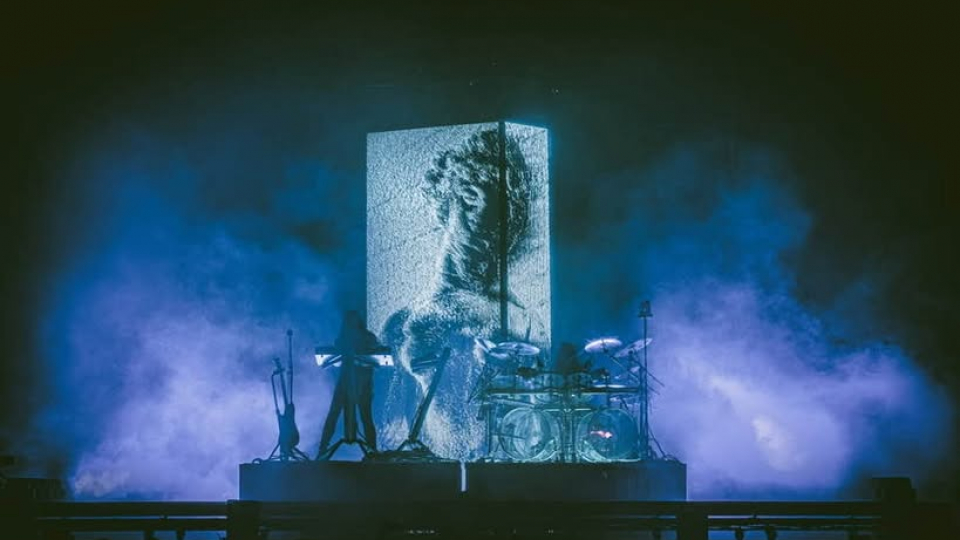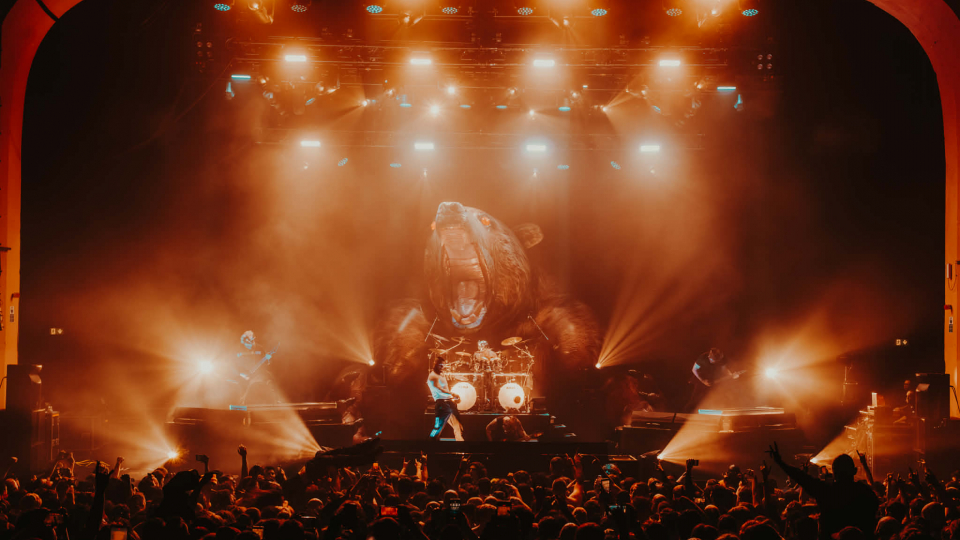
A little over seven years ago, we interviewed this universally celebrated lighting designer for the Lighting Insights newsletter. We called our article “Connected Light.” Got to admit, it was a good choice, as Rob Koenig’s stellar career has been driven by a relentless desire to use lighting as a bridge between his clients and the audience.
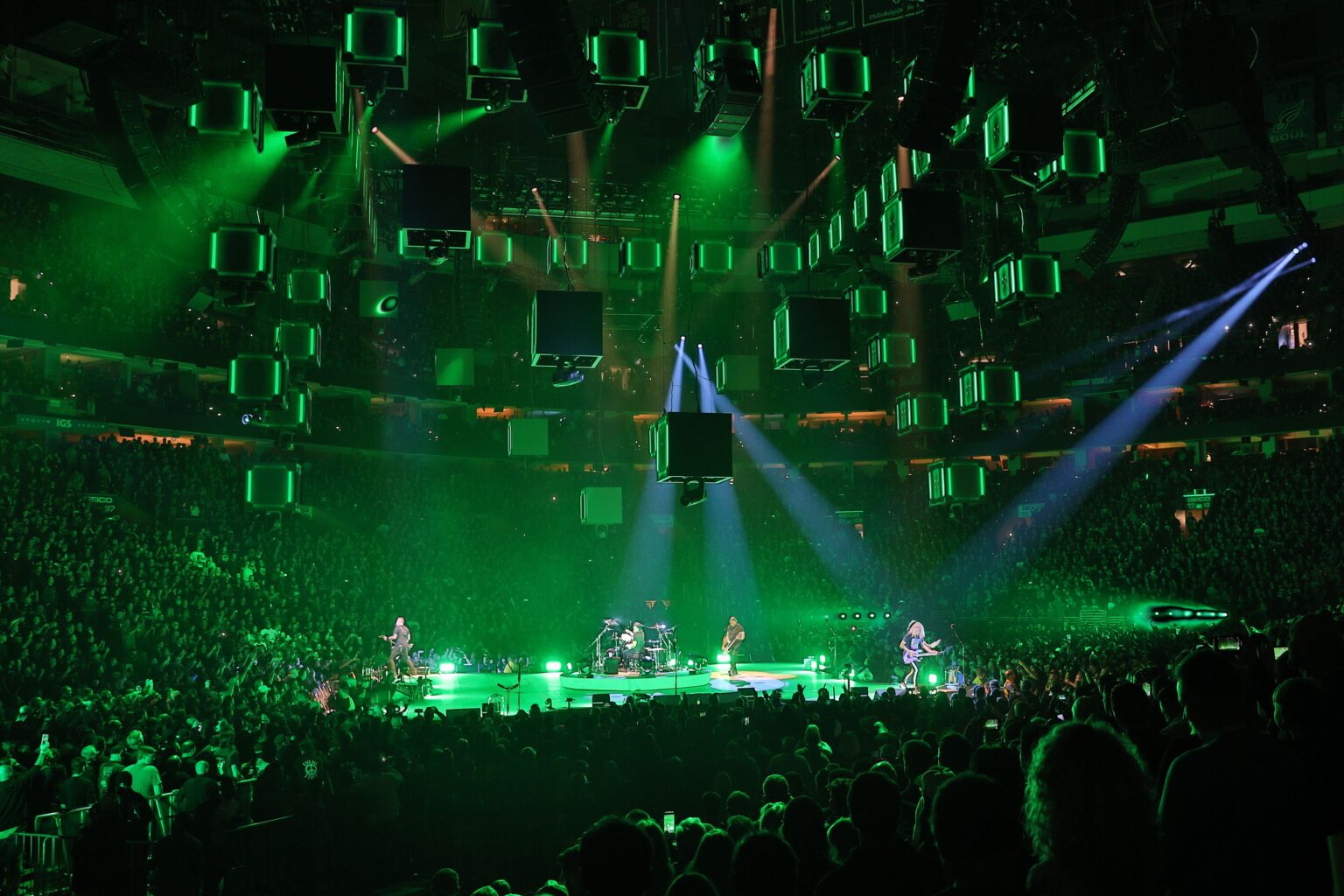
It’s been that way since he cut his teeth lighting clubs in his native Florida and has remained central to his vision throughout his famous association with Metallica, in addition to his work for artists like Post Malone, Guns n Roses, Billy Idol, and many more.
Koenig shared some excellent advice on creating the kind of lighting magnetism on stage that pulls performers and fans together. Much of his counsel did not focus on the technical aspect of lighting (though his skills there are formidable), but on the human side — i.e., how designers can better understand the people performing on stage, the people in the audience, and the people working so hard on the crew. It is through these people that lighting draws its connective power… and for Rob Koenig, that is where it all begins.
One: Biggest Isn’t Always Best. The best shows I’ve ever seen haven’t been the biggest in size, scale or budget. The best shows I’ve seen have had massive limitations, which pushes the boundaries of creativity. When you live with smaller budgets and limitations, it gives you a keen eye for design, more so than when you have larger budgets and playgrounds. Pragmatism sets in when you have to deal with these things, and so you learn in a much better space on how to deal with myriads of problems you may encounter. Throwing more at problems should never be the go-to stance.
Two: Leave Your Ego At The Door. It’s not “your” show. It’s theirs. They’ve hired you to create a vision, an aesthetic, for the music they have created. They may have a million notes. They may have none. If they want an all-green show, then find a way to give them the coolest all-green show they’ve ever seen. I know the designers for Jack White over the years have accomplished this with a very similar set of limitations, with only shades of blue. You learn to play with light and shadow, more than just throwing out a windshield wiper of effects. They may trust you, they may not. At the end of the day, they are entrusting you with their career for the two hours they are on stage.
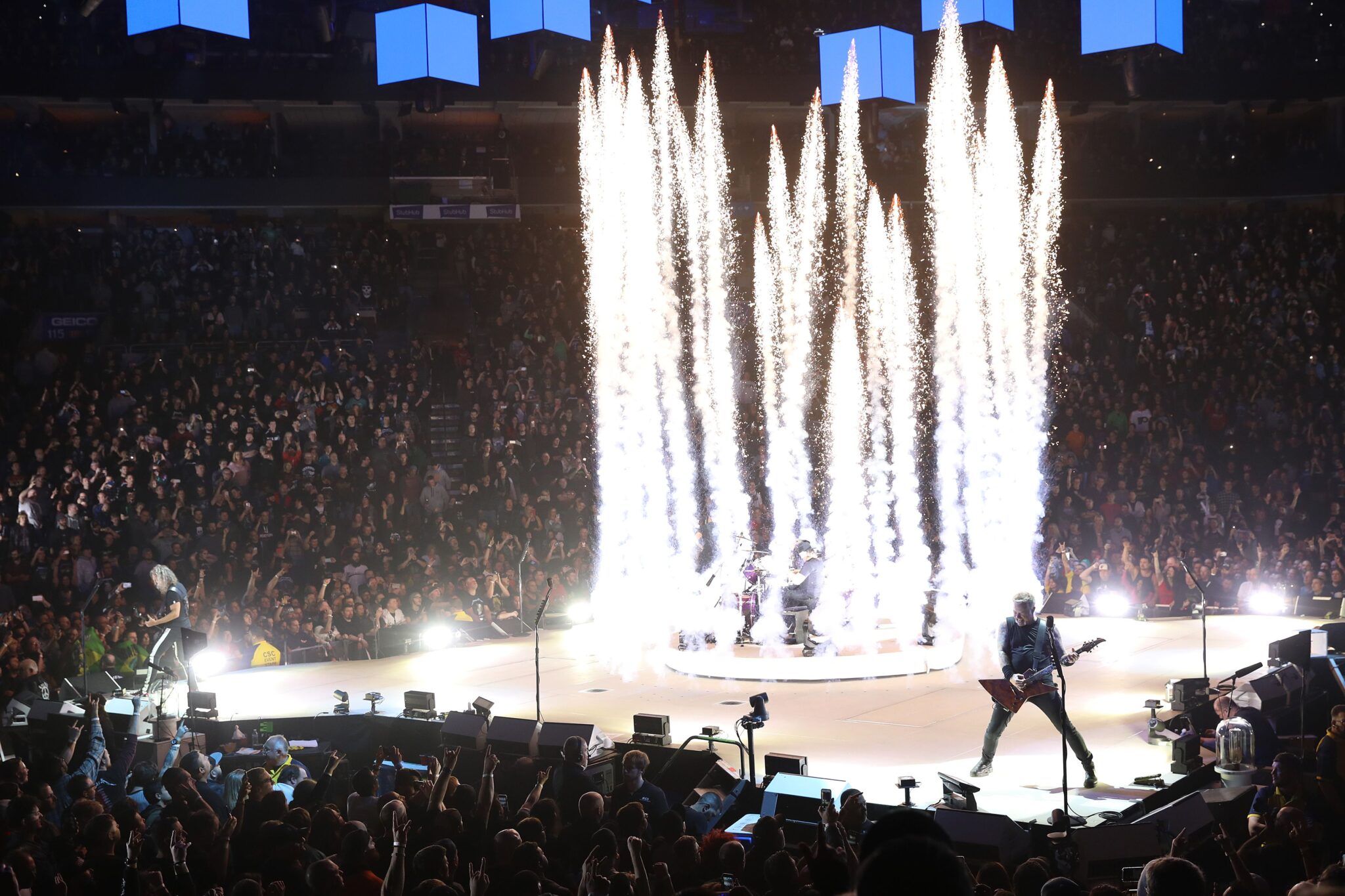
Three: Remember What It’s Like To Be An Audience Member. For those of you who don’t take the audience into account, I’d love to show you the exit door. Without them, none of this means a damn thing. Staring down the barrel of the latest LED strobe may be great for us, but we have a different set of eyes to look through than the “civilian” in the audience. For the shows I tend to be involved with, the best reviews do not mention the lighting. A kind word about the overall production is great, but if the lighting is mentioned, I’ve distracted from the task at hand, which is to light and augment the vibe the band/artist is trying to create. Not overshadow it. Peter Morse says it best, “I light shows! I don’t do light shows.”
Four: Be Open To Unintended Inspiration. It can come from anyone, anywhere. A band I worked with had been in rehearsal for a couple weeks. They had decided on a new opening number when we loaded in, and I had to get on programming it as it wasn’t even on the radar prior. The guitar tech, who, along with the rest of the crew, had been hearing this song for the duration of rehearsals, had an idea and sheepishly approached me to give me what I believed to be a great idea and an easy win. I programmed to his idea, and on opening night, he was beaming with pride. No one had ever taken him seriously. And now he had a little ownership in the show. Sometimes the best perspective is from people who have merely a layman’s idea of what we do. They aren’t mired down in any preconceived notions. ◦ Forever explore and stay uncomfortable. There is a quote from David Bowie that will always remain my inspiration. “Always go a little further into the water than you feel you’re capable of being in. Go a little bit out of your depth. And when you don’t feel that your feet are quite touching the bottom, you’re just about in the right place to do something exciting”. No explanation needed.
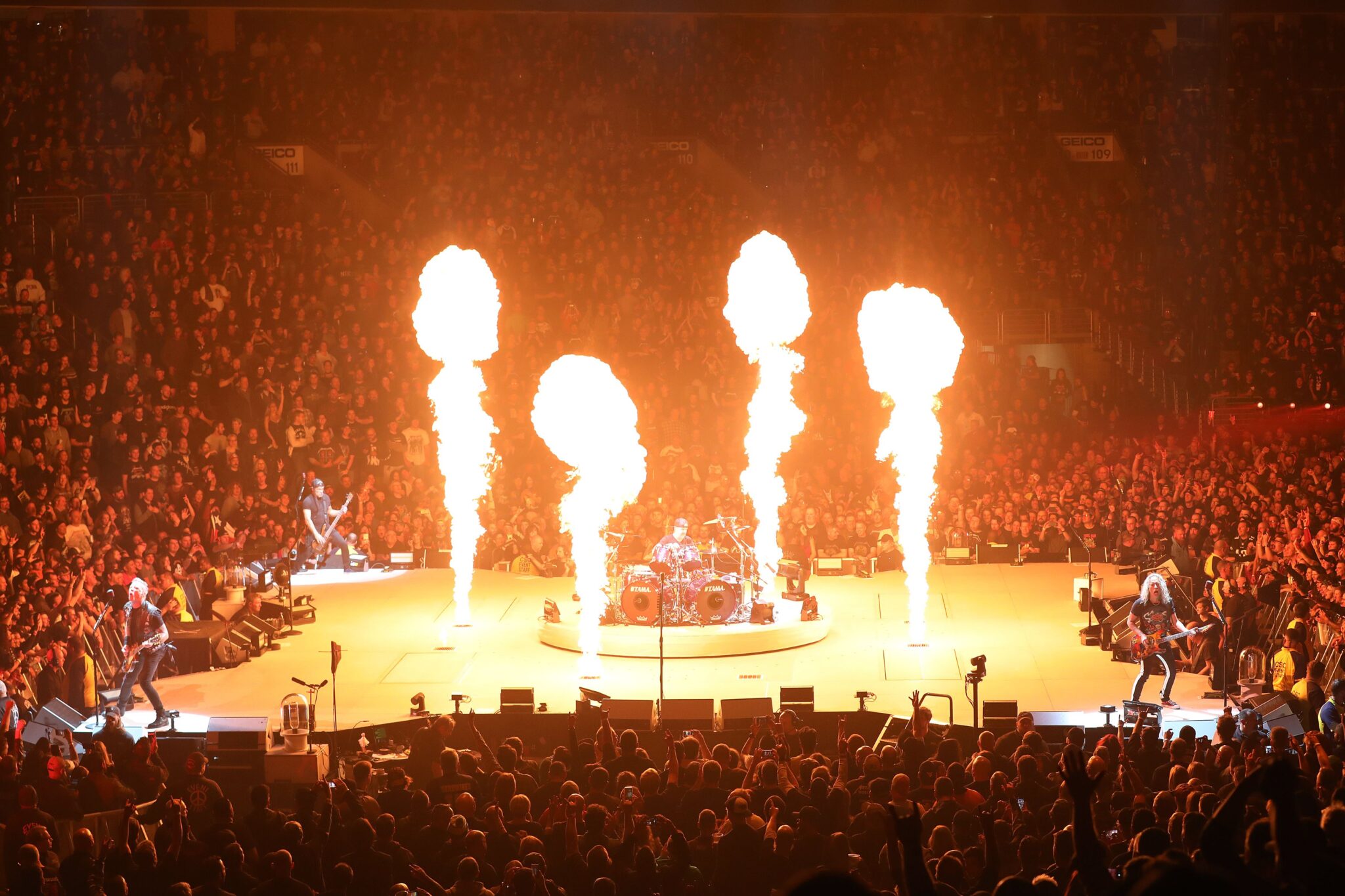
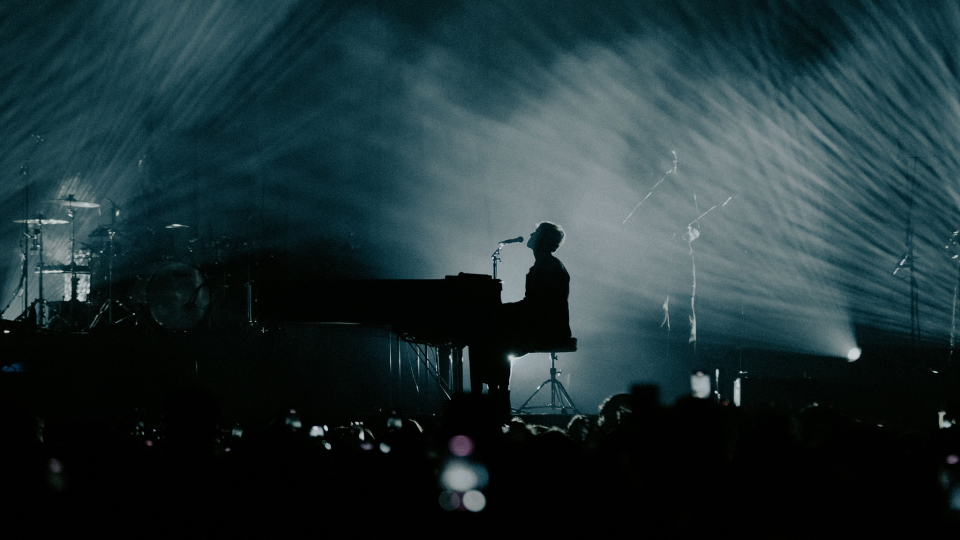
Five: Research Your Artists. You have to understand where they’ve been. Where they’re going. What they’ve done. What they haven’t. I watch interviews just as much as live performances. The live performance is always, always, always different than the recorded versions. The recordings tend to play it safe. The live performance tends to be more emotional, more visceral. The interviews may divulge likes and dislikes. One artist I worked with was starting a very anticipated tour and was injured to the point he would have to sit mid-stage and not move during the show. Just stuck out there! I saw an interview where he said, “I feel stupid just standing on stage, while the other band members were in a solo section. In the past, we would leave the stage for the duration. But now he’s stuck. So knowing this, I made a nice black hole around him when he wasn’t singing, his spots would fade, and he would just become a silhouette for a bit, making him feel comfortable.
One More Point: Light The Money. I used to push back on this idea. I took it to mean just pull out the big spotlights in open white and job done. That aesthetic doesn’t work in many applications. It means light them in a manner that is congruent with the aesthetic of the show and the artist your design is attempting to convey. Side light, back light, uplight, silhouette. Whatever works for the design and the artist!”