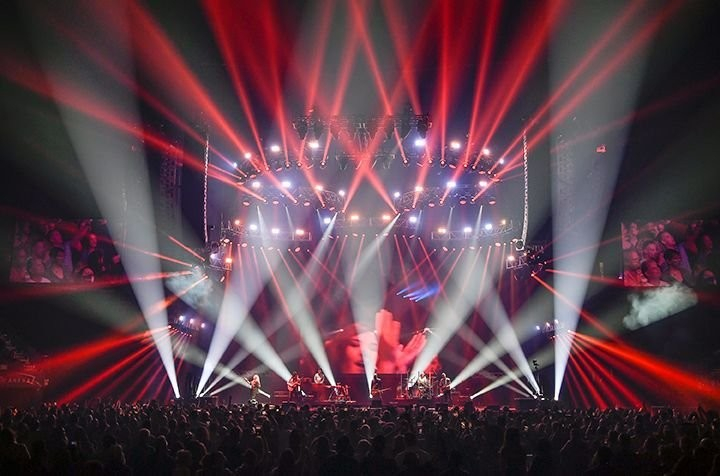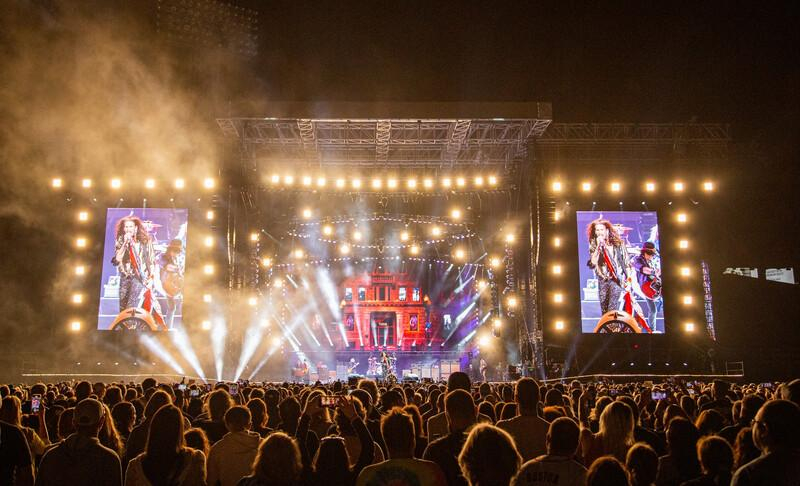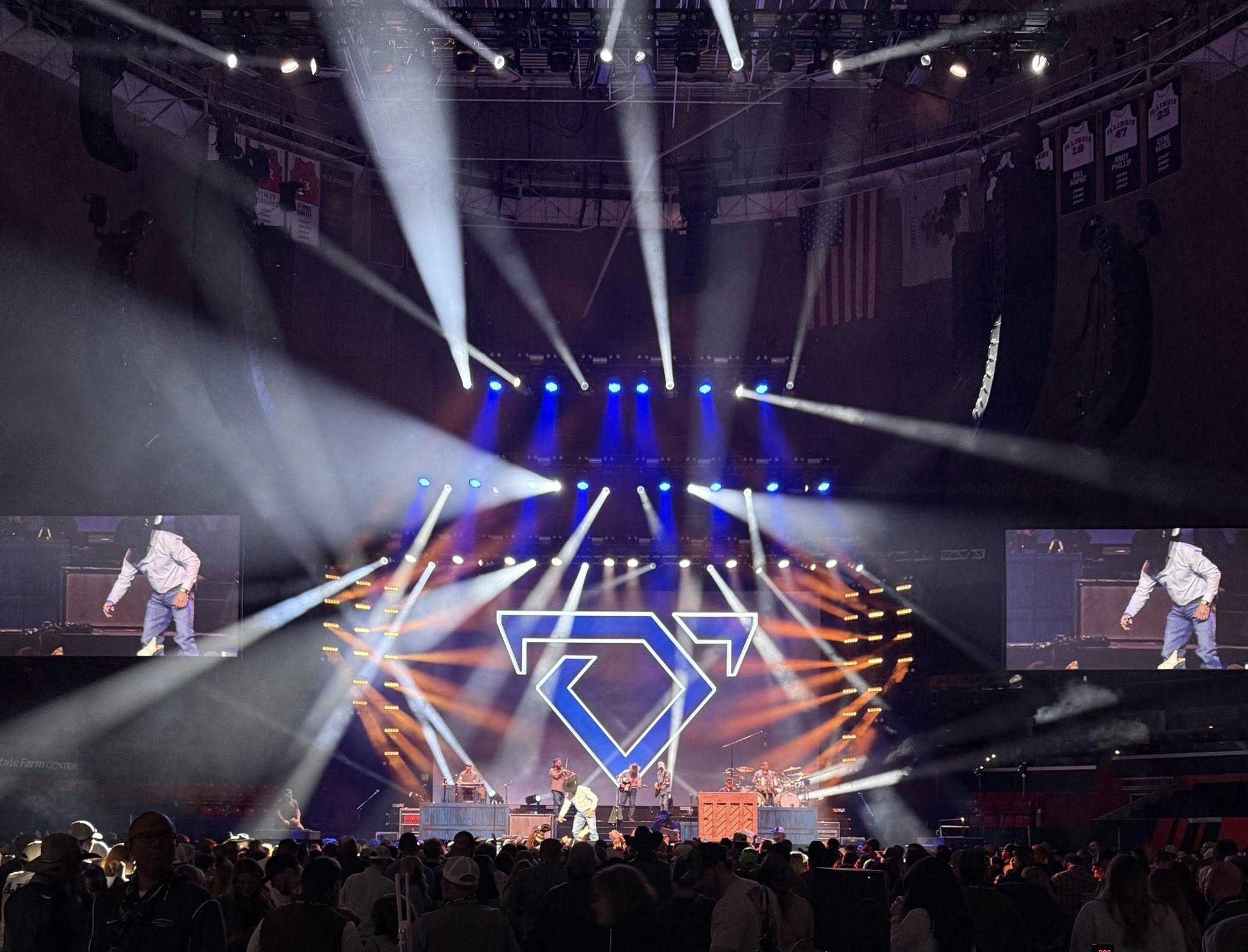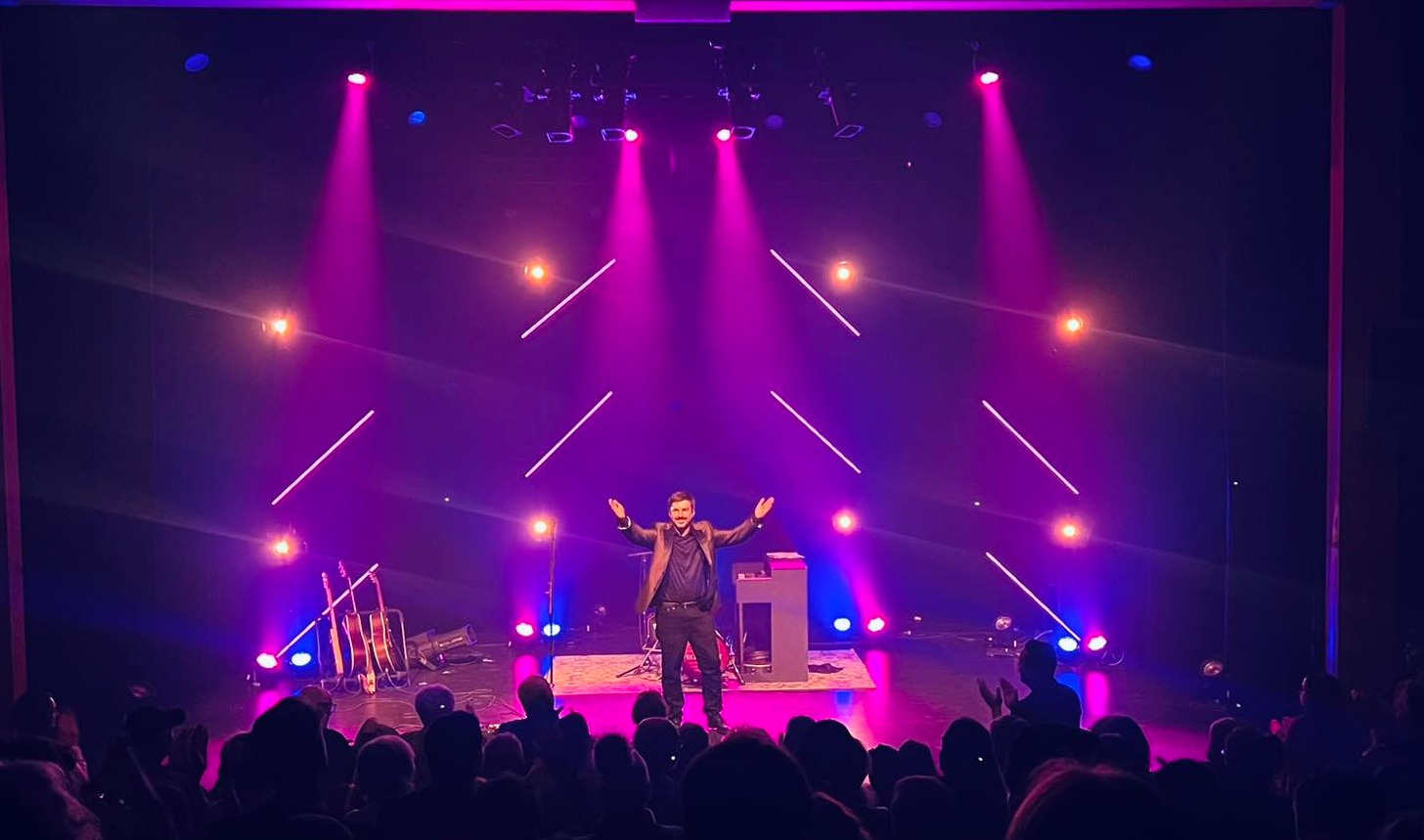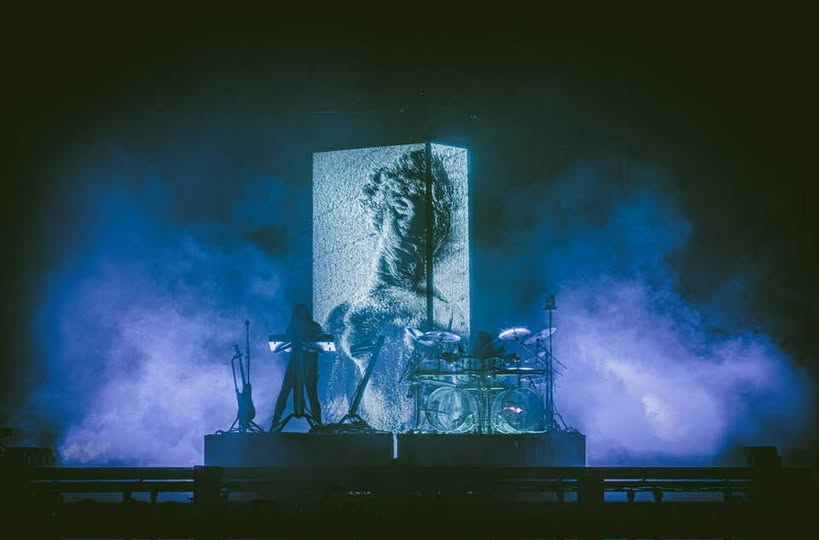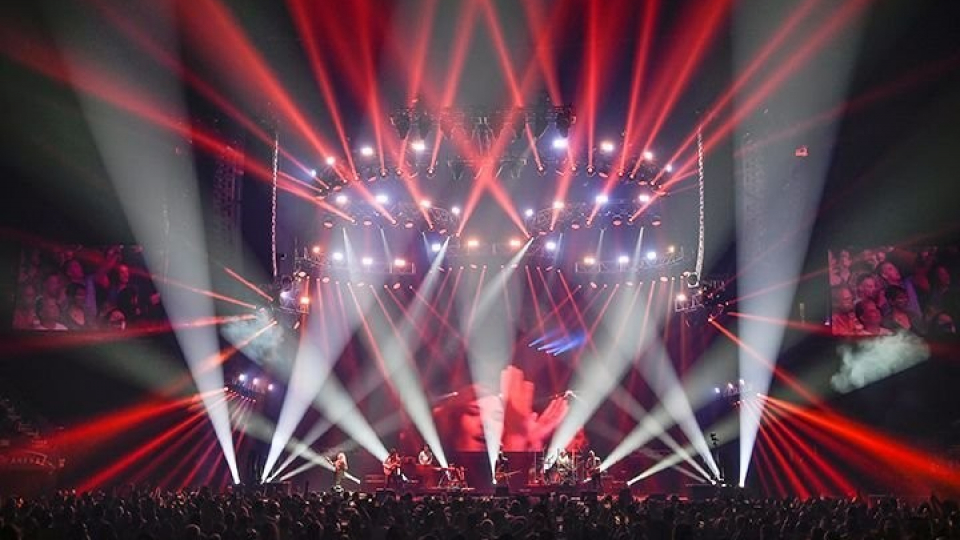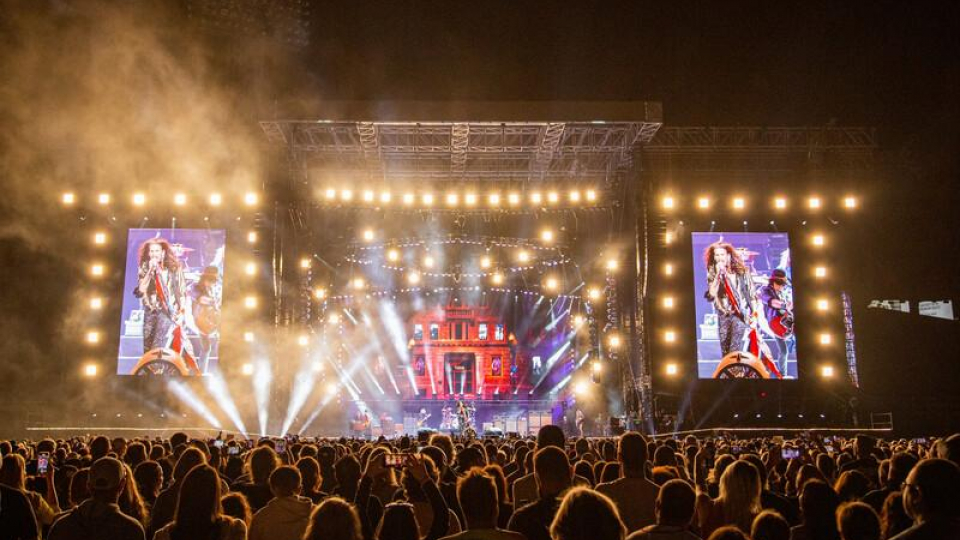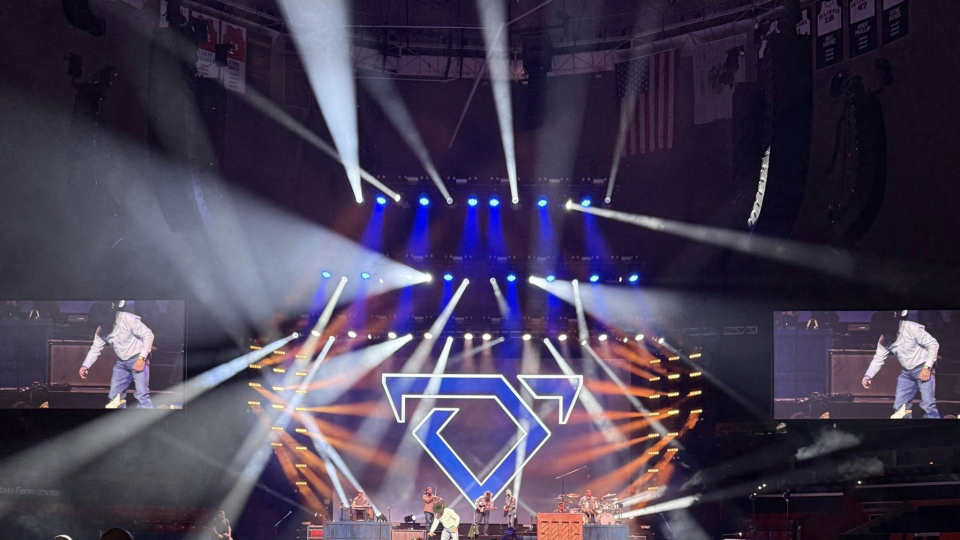
With every mile we travel, the wiser we become… Every touring LD who’s hopped on a bus from one live music venue or local festival to another is living proof of that!
Bad coffee and bumpy bus rides, outdated rigs and tiny FOH positions may go with the territory, but so too does something far more valuable and enduring. Call it experience. Call it wisdom. Call it street smarts. Call it whatever you want, but it’s a quality that shines through on a professional as well as a personal level. An unexpected challenge that may throw the inexperienced into a tizzy is just another day at the office for these consummate pros.
Wanting to know more about how this admirable character trait works in these inveterate designers, Lighting Insights has launched our new “Road Tips” column. In it, we will be visiting with industry members who travel with name acts (often Grammy and CMA winners) on non-arena tours. They lack some of the accoutrements that their bigger venue colleagues enjoy, but they still turn out beautifully executed shows night after night.
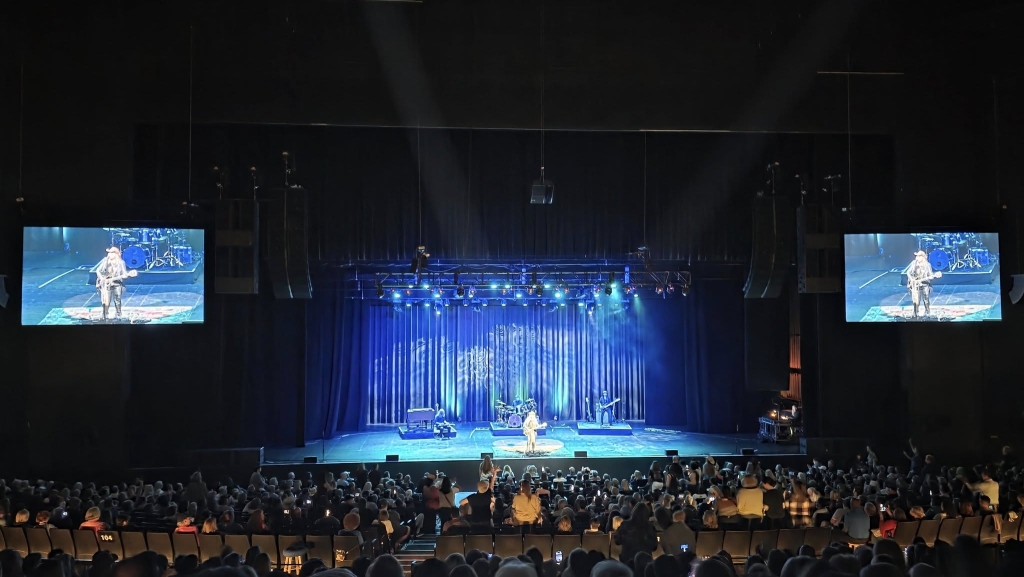
How do they pull off this feat? For our inaugural column, we asked our friend, Susan Rose. An excellent choice to start with, Susan is a longtime lighting designer and programmer who has toured extensively with many artists, including Ringo Starr, and her current principal client, Melissa Etheridge, with whom she has worked over the past five years.
Working with different rigs every night requires flexibility, creativity, and a calm approach to whatever challenges a venue might present. This is precisely what Rose does, and, as a result, she unfailingly brings out the best in every show. Taking time from her busy schedule, she shared her insights with us.
When you design a show before a tour, what steps do you take to ensure it’s flexible enough to reinvent each night while maintaining a consistent look?
“I spend a lot of time advancing shows. Every venue gets a list of questions and requests from me, along with a plot that represents what I’d ideally like to see in the rig.
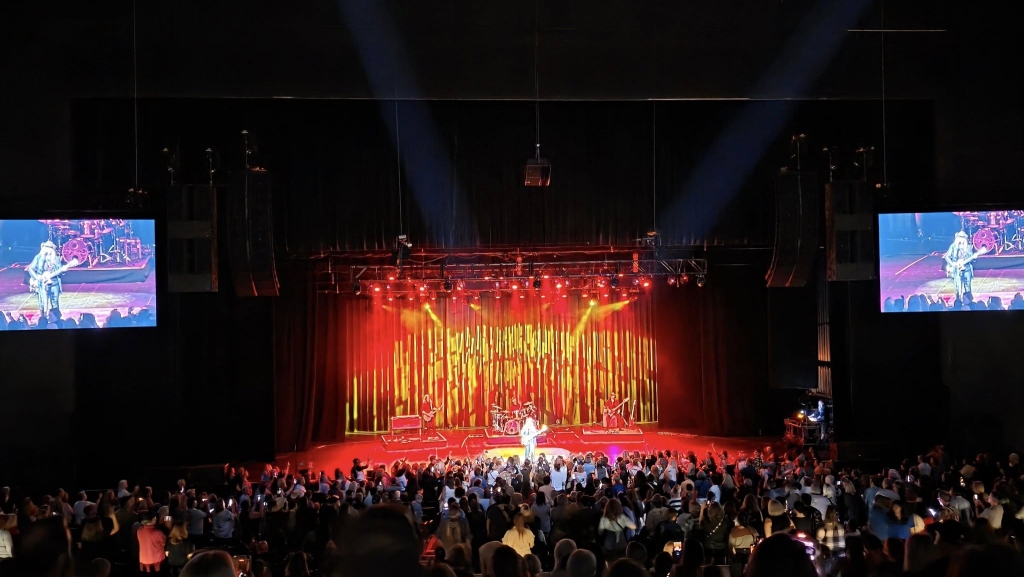
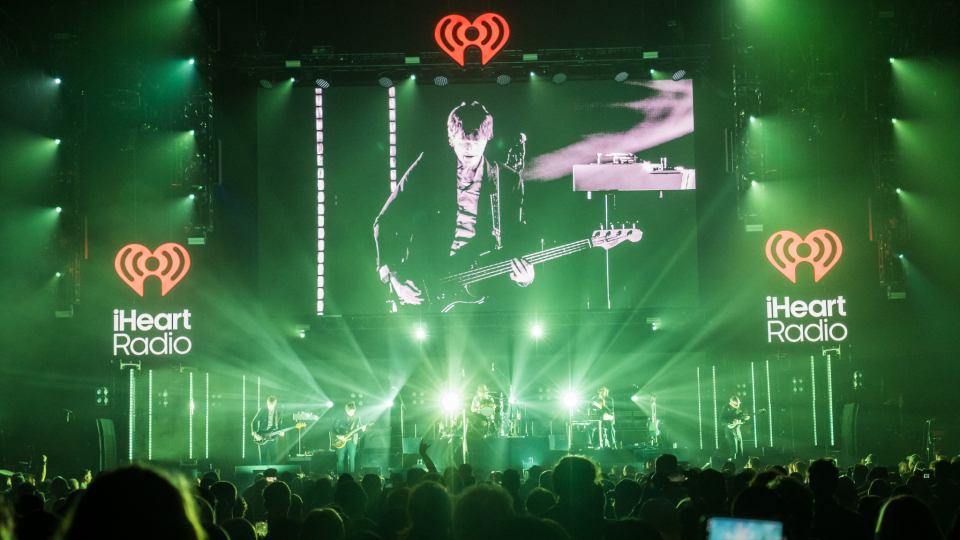
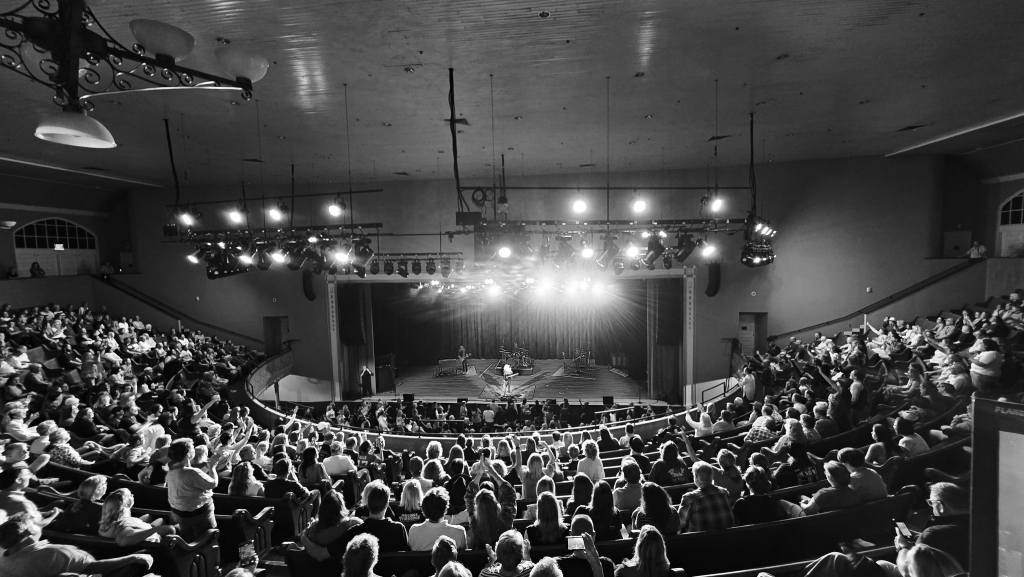
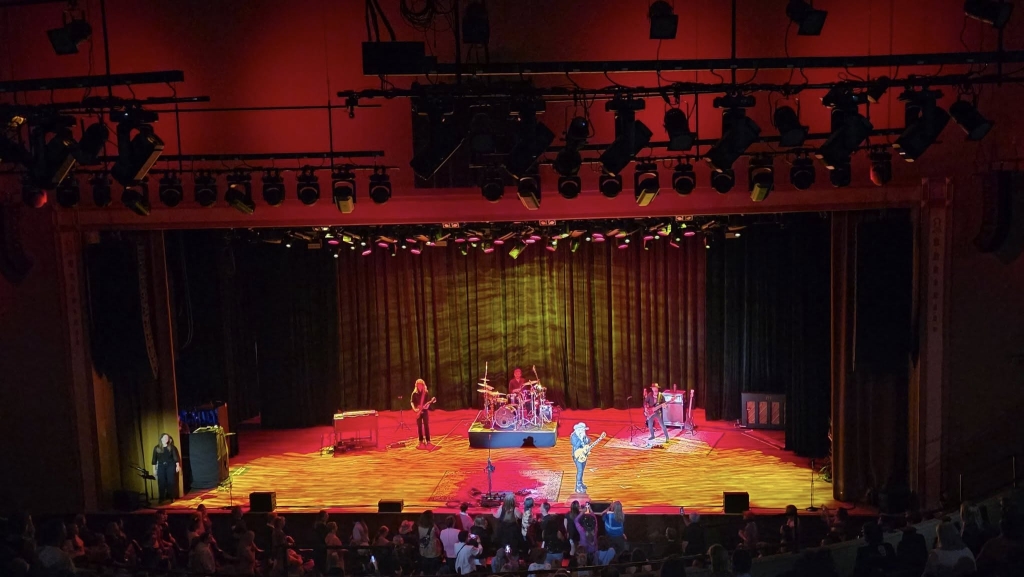
When we’re playing amphitheaters, festivals, or fairs, I often get pretty close to that plot. Sometimes we share the festival rigs, which are usually really nice setups. But when we’re in theaters or performing arts centers, I’m often working with whatever they already have installed. Some theaters have modernized their systems, while others still have PAR can rigs that feel like they’re from 1938.
“Typically, venues will send me a tech pack and plot, and then we go back and forth about what can be moved or added. I’ll ask about floor lights for the upstage curtain, audience blinders, follow spots, hazers, and any spare fixtures they might have available. If they have extras, I’ll usually find a creative way to incorporate them.
“Some venues have beautiful lighting rigs, and others can be pretty challenging. But sometimes those challenging rigs end up being the most rewarding. When you can take almost nothing and still make it into something, and in the end, it looks beautiful, that’s a good feeling. I call it PIOOMA.”
Do you travel with your own console?
“Yes — and I’m very specific about how I patch every rig. Even though every venue is different, my user numbers stay consistent for each type of fixture and each purpose. That keeps my muscle memory intact.
“No matter what rig I walk into, my user numbers stay the same. That keeps my muscle memory intact so I can run every show live. I run the show live every night. The set list changes every night, so before the show, I write down my base color palette and gobos for each song. That gives me a starting point, and from there I basically play the rig like an instrument.
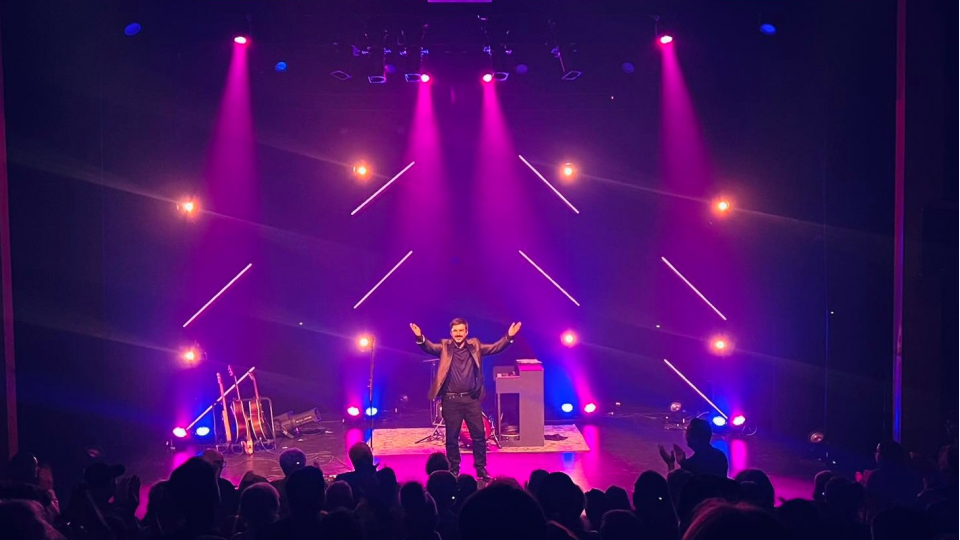
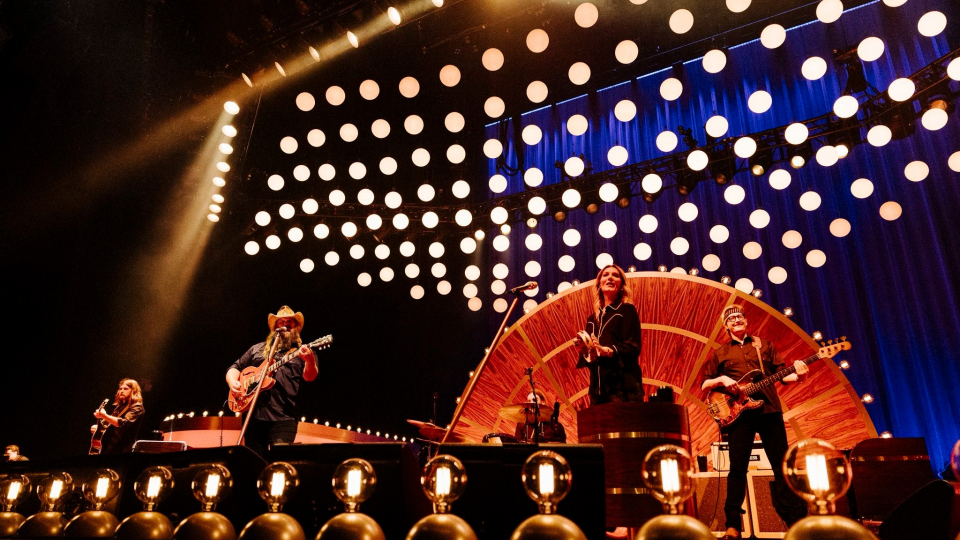
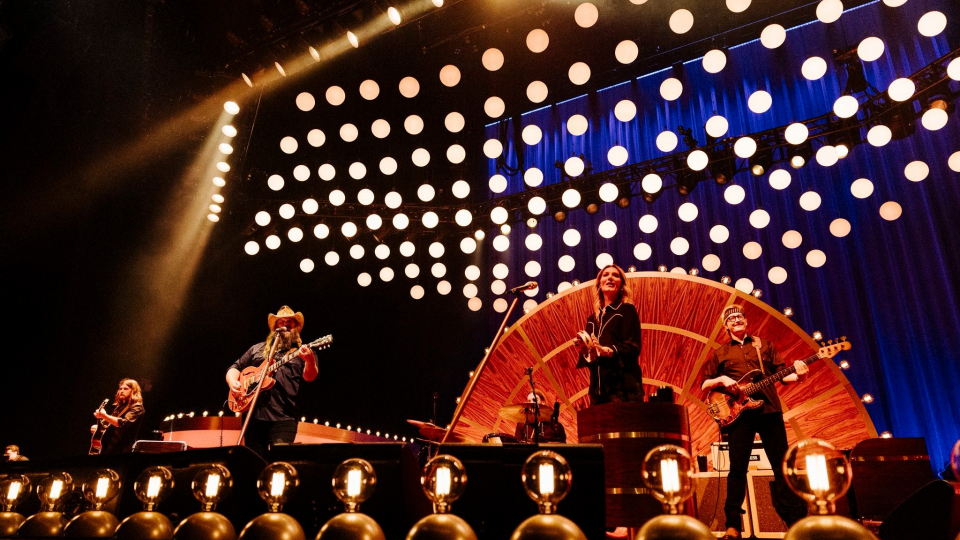
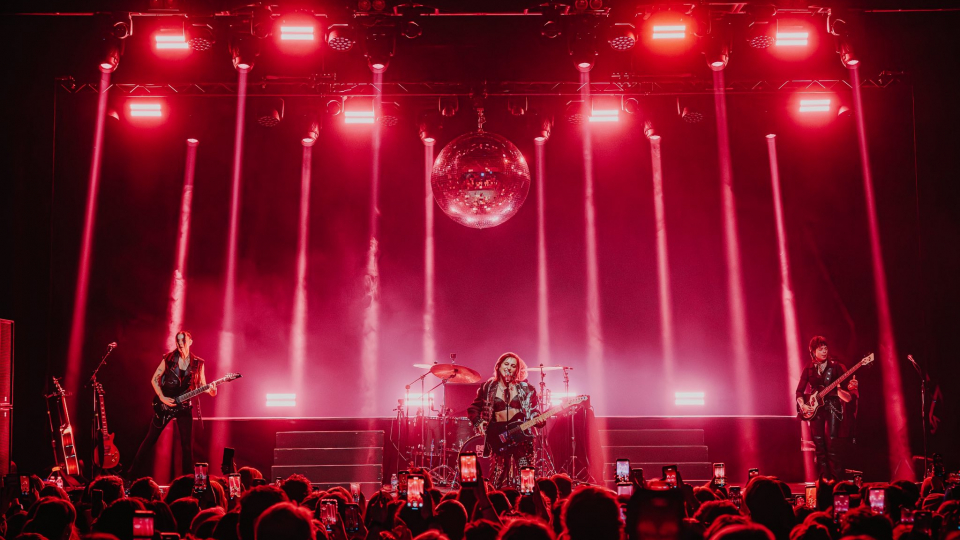
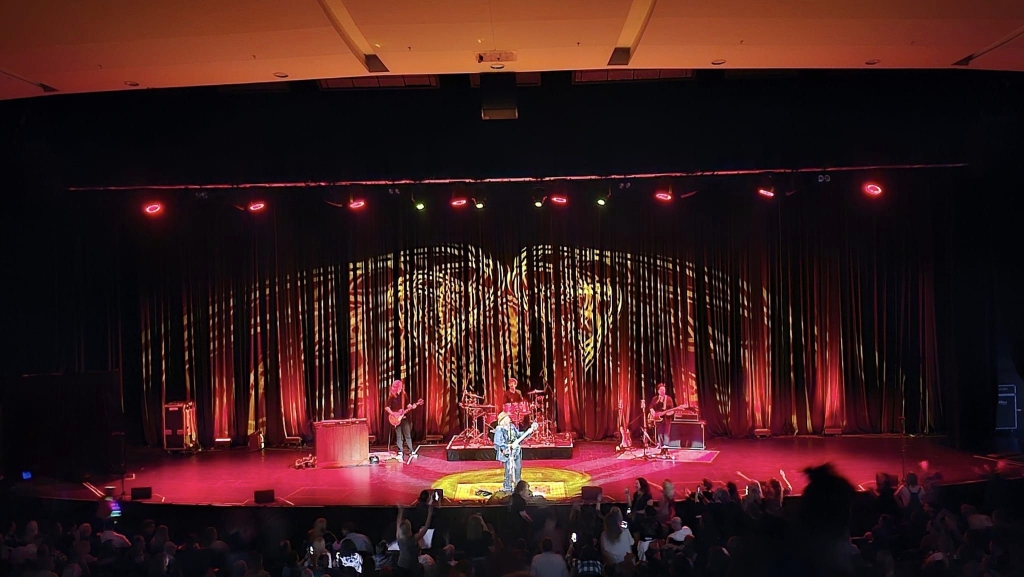
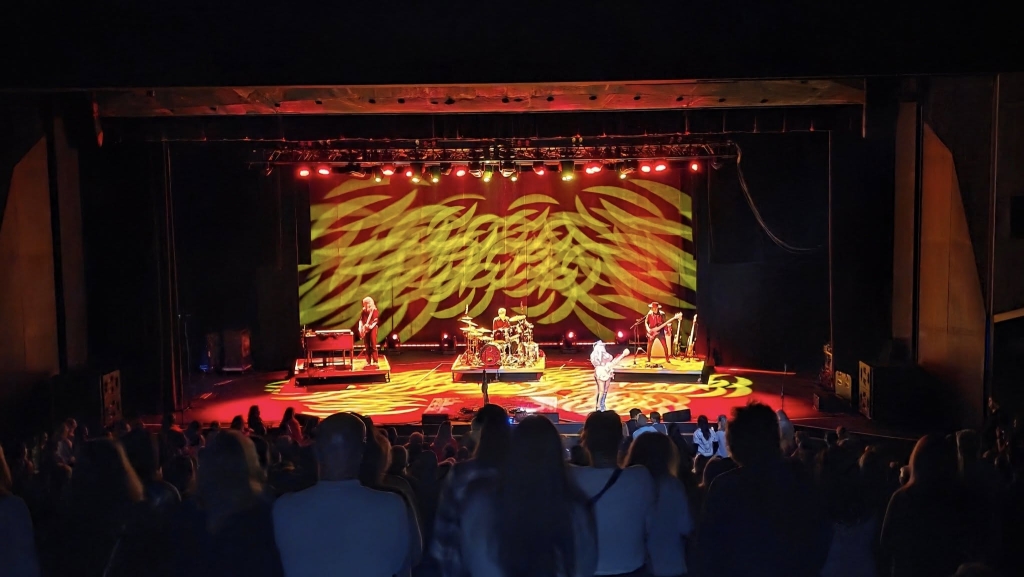
“My goal is always to be creative and tasteful so the audience can almost ‘see the music’ without the lighting distracting from the artist. We don’t carry a backdrop on this tour, so my signature look has been lighting the upstage black curtain with layers of color and gobos to create images and texture instead of relying on video or scenic drops.
Are there certain looks you always try to include, even if house rigs are unpredictable?
“Yes. There are a few specific moments in the show that I always try to maintain. Because of that, I make sure certain lights are placed where I need them. Even if all I have are conventional fixtures, I’ll still find a way to recreate the look as closely as possible.
“Some nights I’m working with a beautiful modern rig. Other nights, it feels like a PAR can museum with three colors to work with. Either way, you make it work.”
Time management must be critical when you arrive at a venue. What are the first things you do?
“Since I’ve already advanced the show, I usually know roughly what I’m walking into. When I arrive, the first thing I do is start looking at the rig and mentally mapping out how I’m going to use each fixture. I always request a printed plot when I get there so I can jot down notes and user numbers. Sometimes my user numbers look a little chaotic on paper, but there’s definitely a method to my madness. Even though the rigs change every day, my numbering system stays consistent. Once the rig is patched, I can navigate it very quickly.”
How much time do you typically have to do all of this?
“It depends on the situation. At festivals or fairs where multiple artists share the stage, there’s very little time, so speed programming becomes really important.
“On a typical live music venue show day, I might have two to four hours in the morning to patch and dial everything in. Some days there’s more time, some days less. People don’t always realize how long the day really is. I’m usually working on the rig until lunch, then we have soundcheck shortly after. After that, it’s dinner, and then the show.
“With larger tours, the entire show is programmed during production rehearsals. In my case, I’m designing and programming every single day on the road. Honestly, I love that challenge because it keeps things fresh every night.”
What’s the key to having a good relationship with house LDs?
“Communication and respect. A positive attitude goes a long way. Complaining about an older rig or a smaller stage isn’t going to change what you have to work with. A good LD focuses on making the best possible show with what’s available. Throwing a fit about an old lighting rig won’t magically give you a better one. A good LD makes the best show possible with what’s there.”
What’s the most important lesson you’ve learned lighting on the road with Melissa Etheridge?
“I always say, ‘I’m doing what I love and loving what I do.’ Every day is a new day. Embrace it, make the most of it, and appreciate the relationships you build on the road. Even on the tough days, I remind myself that the show will be over in a few hours and tomorrow is a brand-new day.”