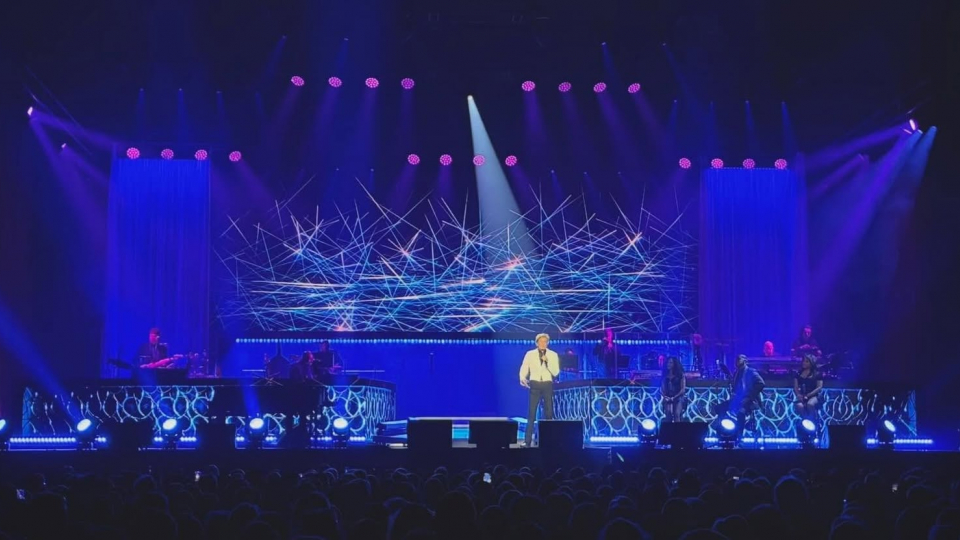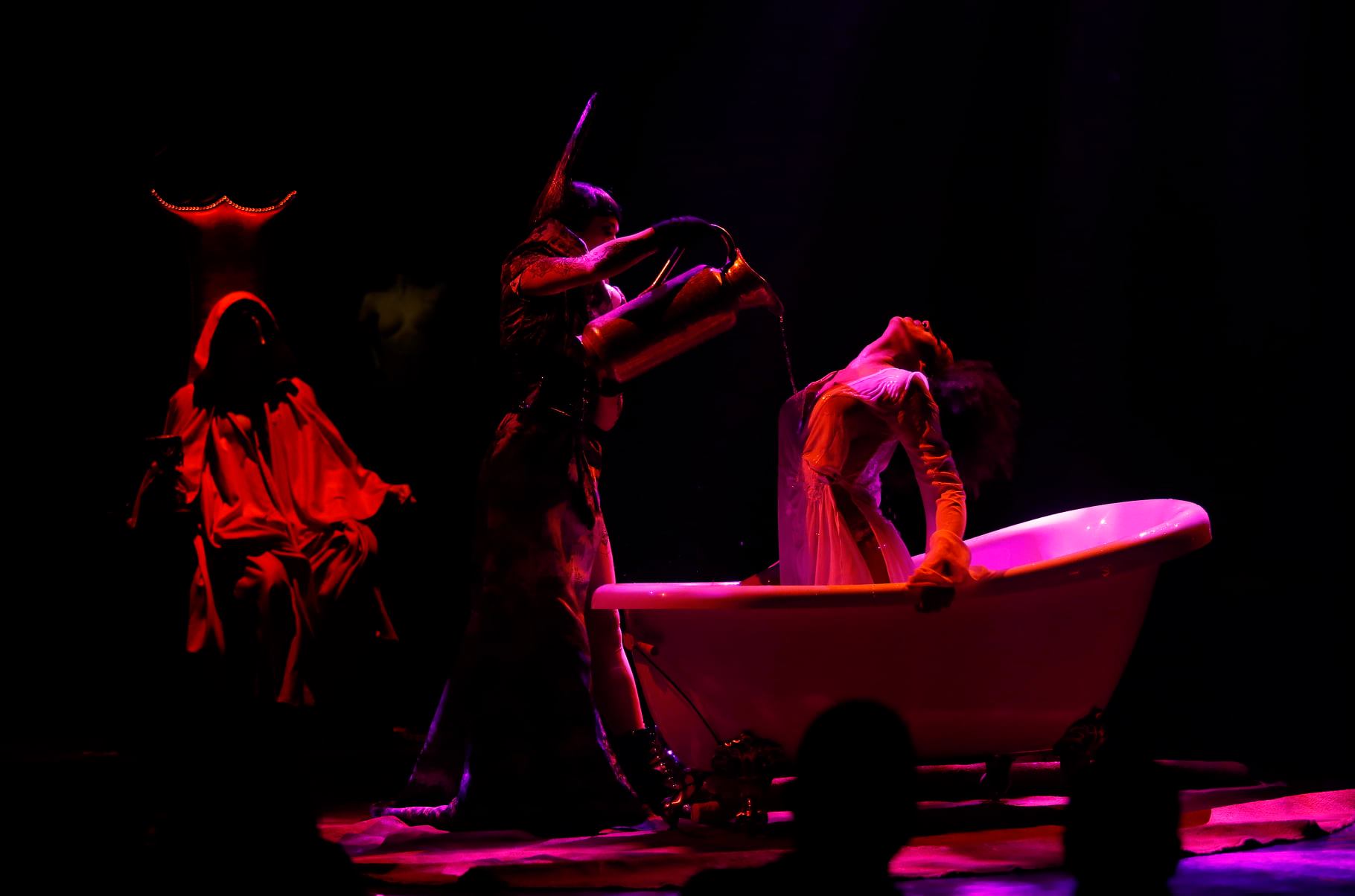
Is darkness the absence of light, or light the absence of darkness? Philosophers and poets have wrangled with this question for millennia, though physicists have a different take on the subject, pointing out that light is “real,” made up of actual protons, whereas darkness cannot exist by itself as a physical entity.
That may well be, but scientific considerations aside, the two states are locked in an eternal embrace that define the contours of our world. Interlocked as they are, each seems to endow the other with greater meaning and power. Imagine, for example, how much more intense a flash of light looks against a dark background than a bright one.
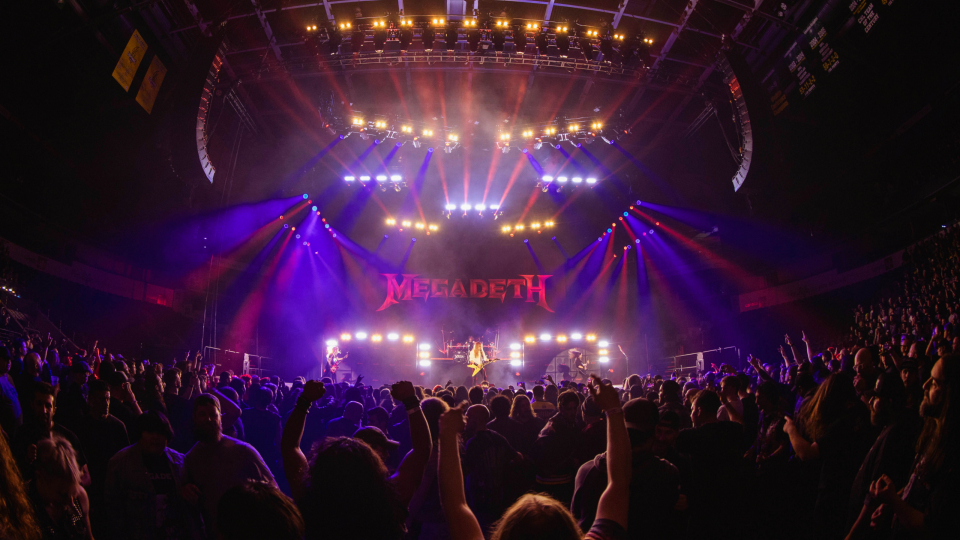
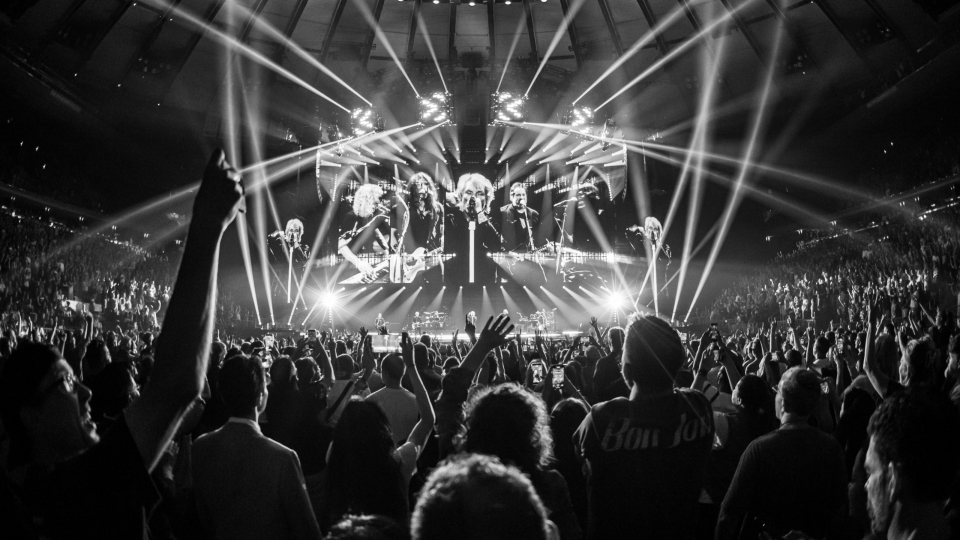
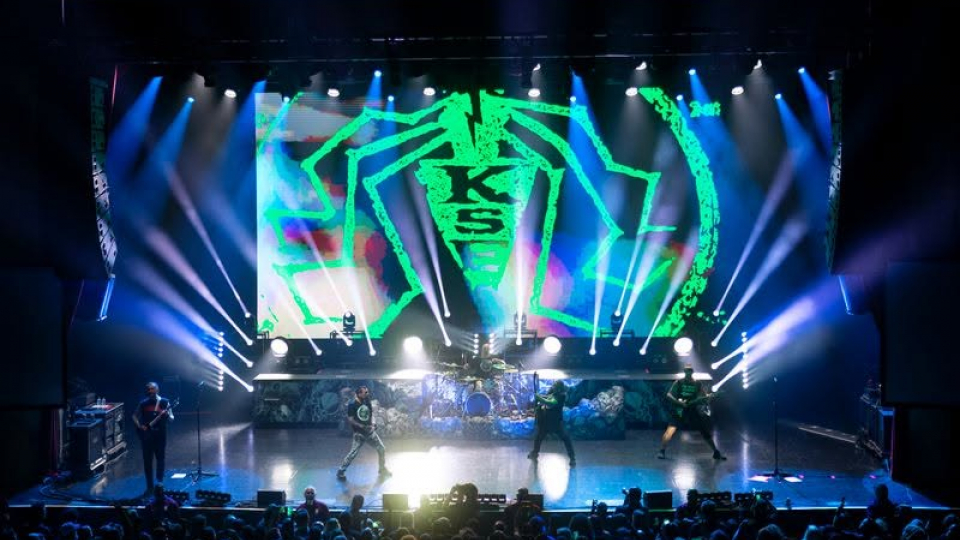
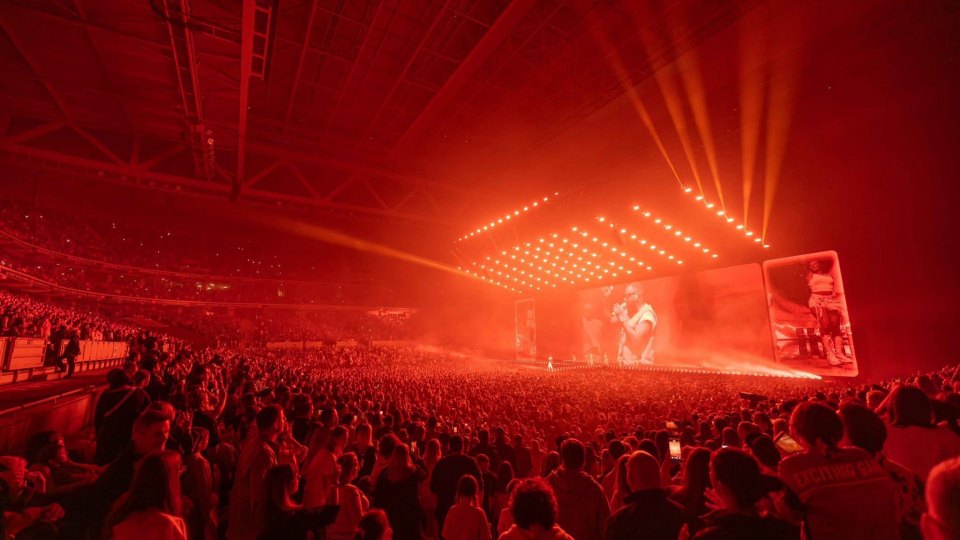
Lighting designers have always channeled the primordial relationship between darkness and light to add texture, tonality and emotional impact to their work. The ways they deal with these two polarized, but codependent states are as different as their individual creative personalities, which is to say, they are infinitely varied.
We dipped into this vast expanse of ideas by talking to a group of designers about the delicate balance of darkness and light in design.
Myles Mangino, New York
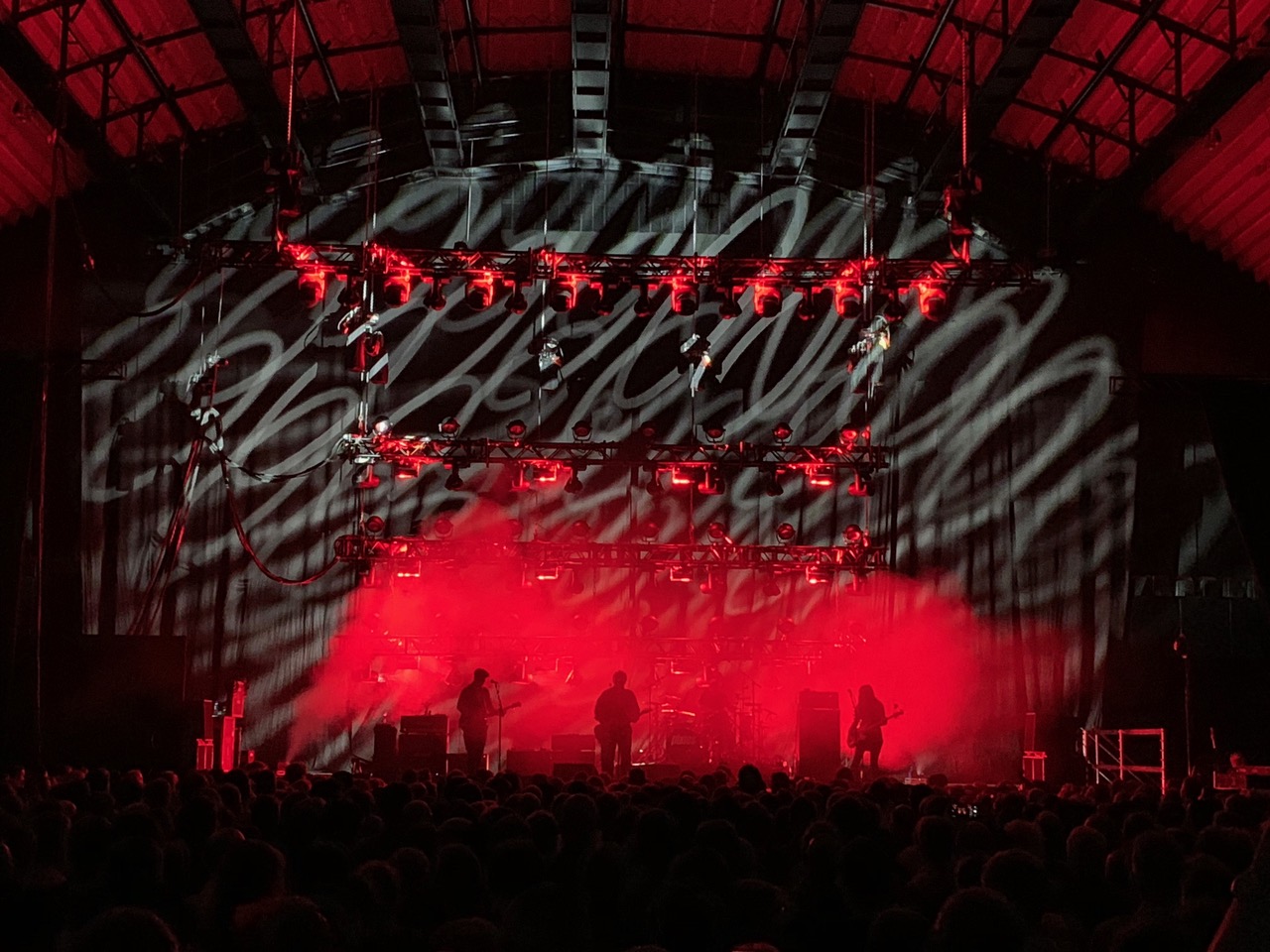
“Darkness is always given the same amount of space, if not more, as light in all my designs. Paying attention to the spaces between lights is seeing the full picture. Darkness is a background, an edge, the space between the words and notes. Imagine music without moments of silence.
“There are no guidelines, light and darkness change with the music and the activity onstage. It could be anywhere. It could be nowhere. It’s about doing what feels right with that moment in the show. The larger the area you have to cover with light, the more attention darkness and space need. A few lights beautifully spaced can cover a large area and seem like more than there are.”
On Dark Moments…
“Darkness can be effective when it matches with silent moments, or adds depth of field to objects or performers by keeping one side unlit. It moves and comes and goes as the music and performers dictate. Sometimes you need to keep areas dark to mask things from the audience. And that changes also. Maybe you spotlight a performer stage left while a stage right performer changes instruments.
On Accenting Darkness…
“A bright white can come from darkness to sharply accent a moment. Or a deep blue can emerge gently from the darkness to bring you into a new scene. Depends on what the performance asks for.”
On Black Space, Shadows and Silhouettes…
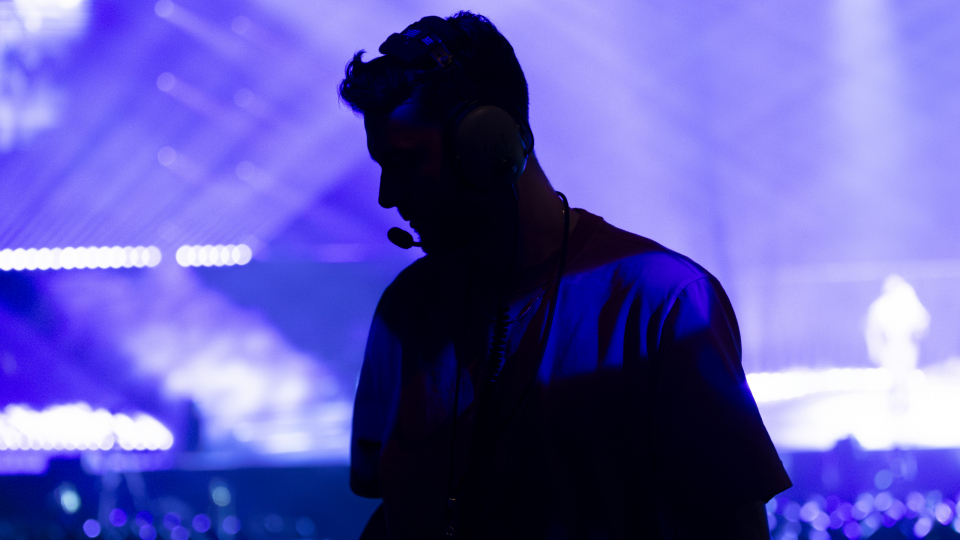
“Black, shadows, silhouettes — they all come and go with the feelings that I am trying to convey with the performance. Sometimes a line can be sung in the darkness, so the audience can see it in their head. Sometimes you use black to move people or set pieces around as a surprise element, or to hide production changes. Black can be used to reset the audience, allow them to clear their heads of the last song and make space to introduce the next one.
Martin Thomas, Tucson, AZ
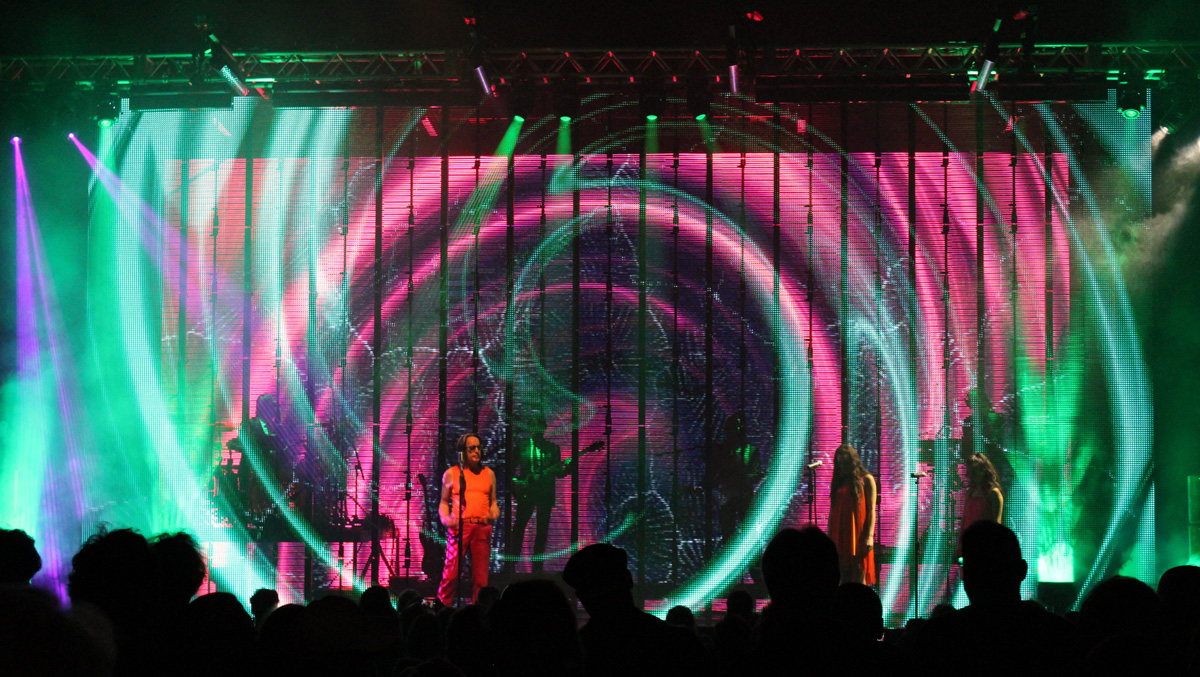
“I always consider black a color. Negative space is critical to making my designs work. This is truer now than ever since we often have video walls on stage. You have to balance their brightness with dark, shadowy areas at some point.”
On Darkness and Dimensions…
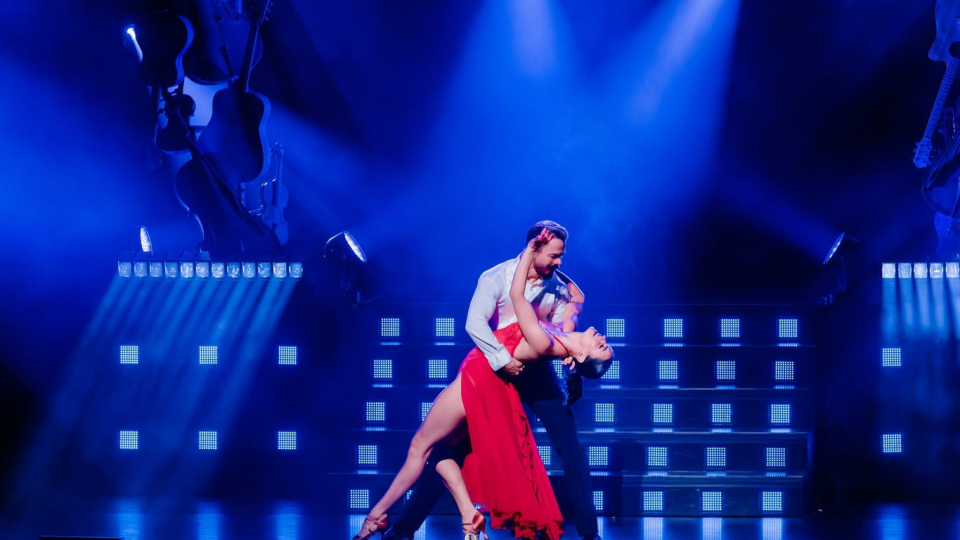
“I think it’s impossible to get 3D looks without some darkness – you need shadows in the space to see the dimensionality. You just get better angles. Also think about color combinations. You need negative space to make them work well. If you don’t have negative space your color combinations can just become mud.
“Of course, you also have to be careful. Shadows are hard; people come to see the talent on stage You can get shadows with low light and side light to create an architecture of space for clients to go in and out of.”
On The Interplay Of Dark Space and Light …
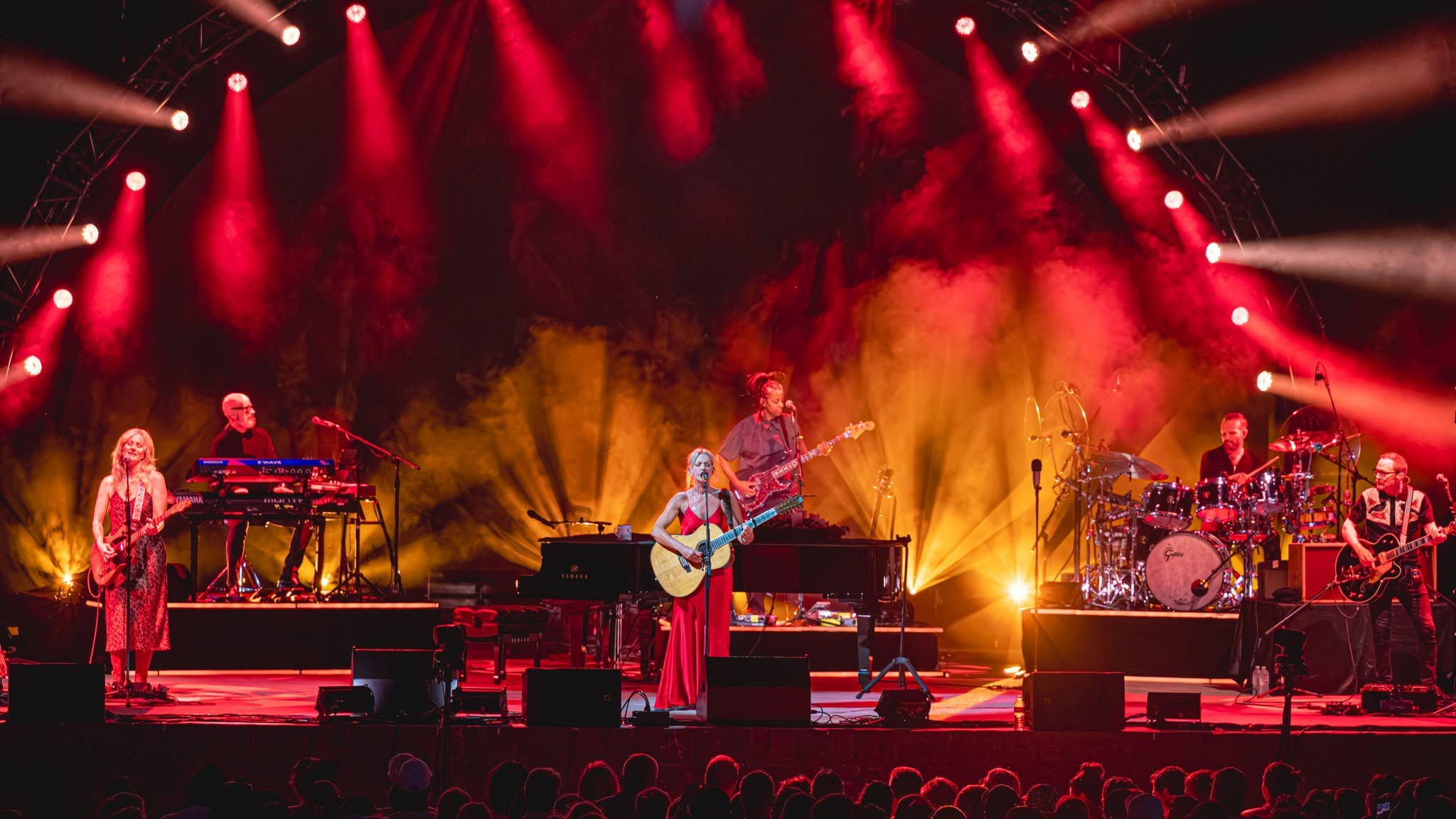
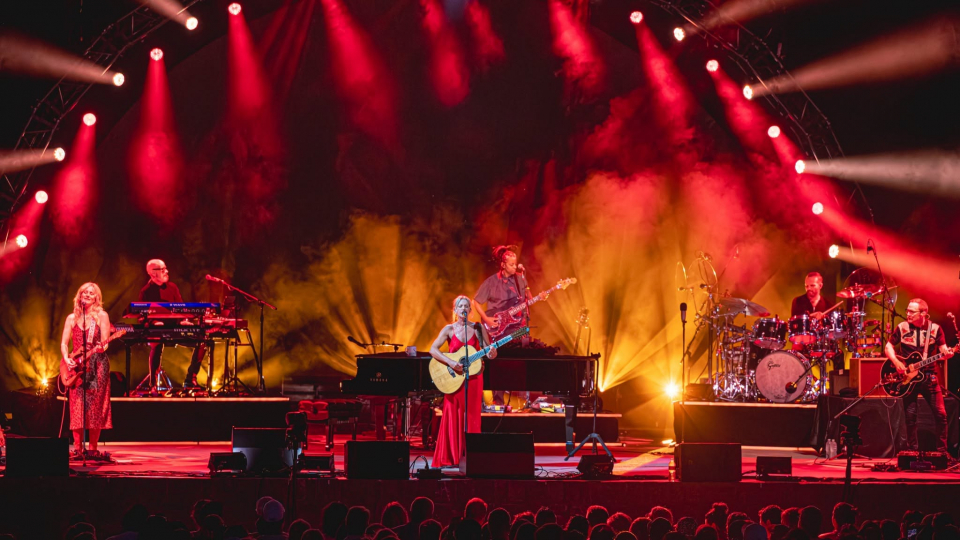
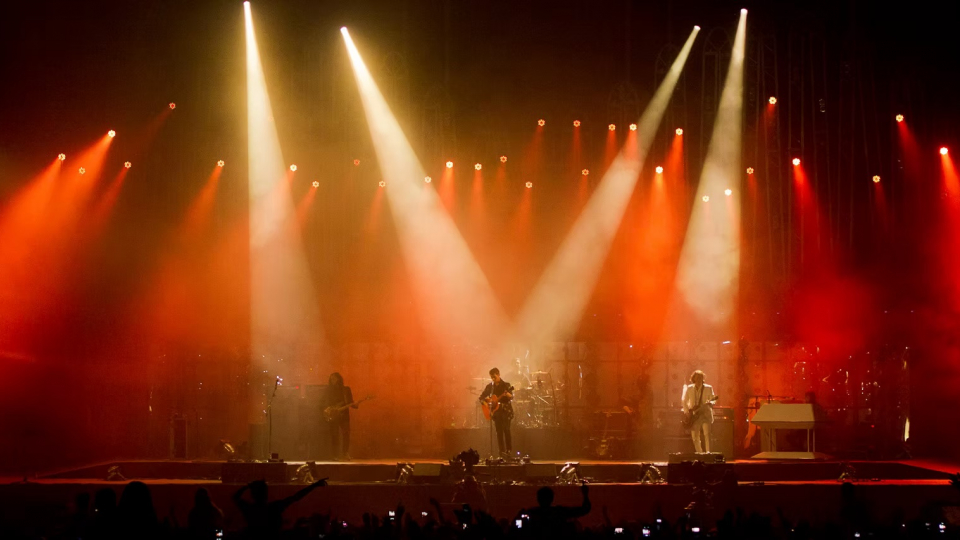
“Playing with shadows and negative space can also create an interesting dynamic when you have multiple artists on stage. So, with The Alan Parsons Project, I love to play off the bass player and keyboard player ping ponging back and forth with one in shadows and the other in light. Then I’ll have the drummer, whose been darkness, come out in light while the others recede into shadows. Then the singer will come out in light. This interplay of negative space and light creates motion on stage without any movement. It’s very effective. Moving lights are great, but they don’t always have to move!”
Howard Ungerleider, Markham, Ontario
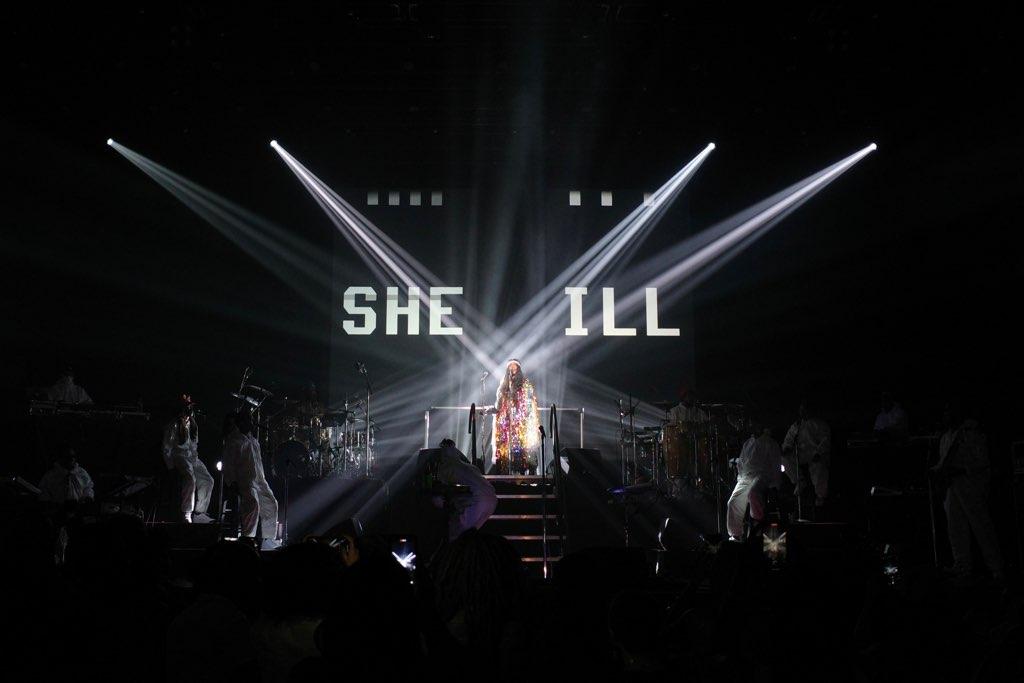
“I always use Dark Space to create theatrical drama. I enjoy the area where light meets dark because it actually creates an alternate environment that defines my lighting. I actually like to keep moving my dark space to establish a surreal atmospheric substance . Sometimes it can be the entire stage with the exception of one artist or sometimes it could be a complete upstage darkness to create a forced perspective look. Dark space can be used in any size venue, and I can use dark space for an array of different alternative looks”
On Dark Space and Video…
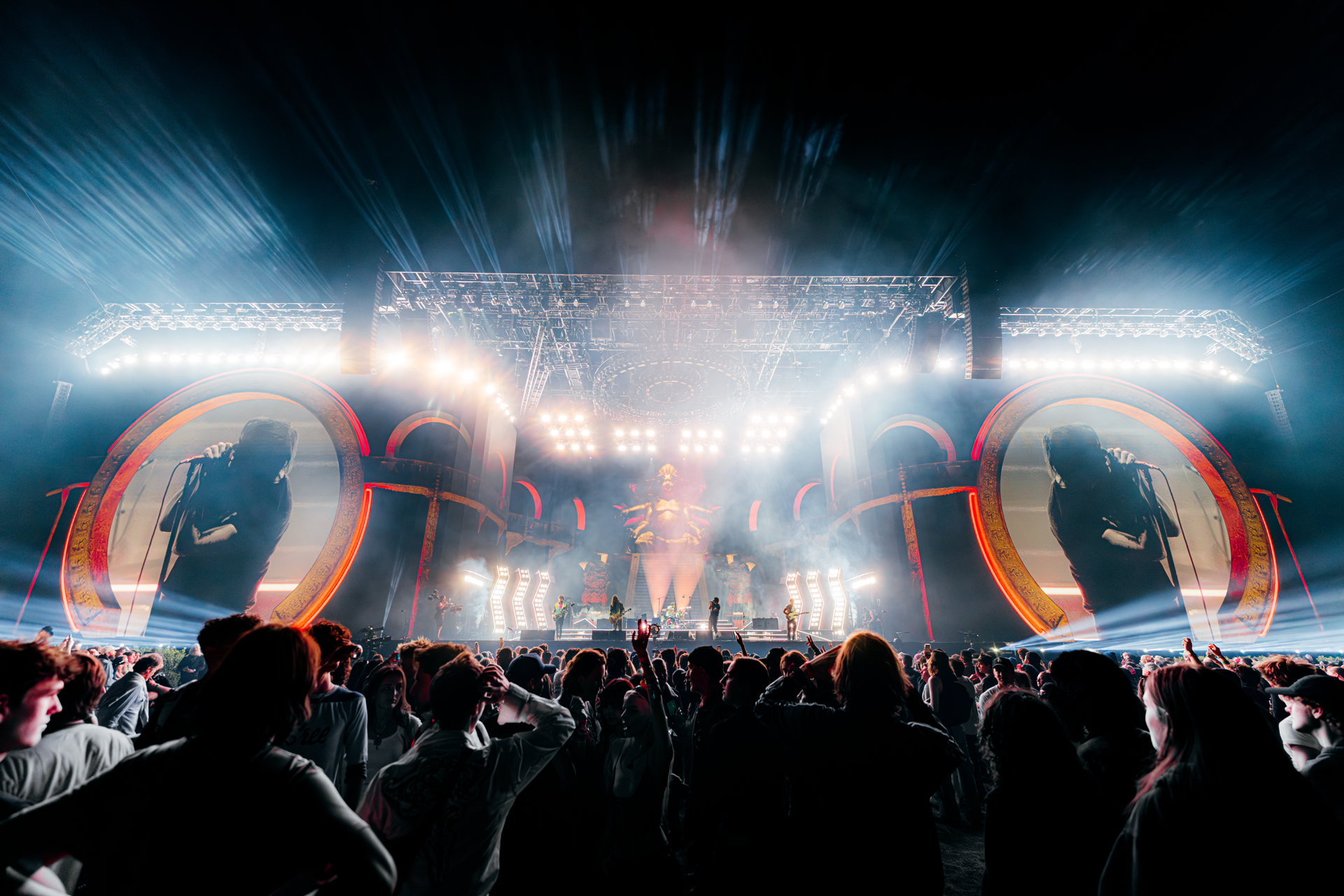
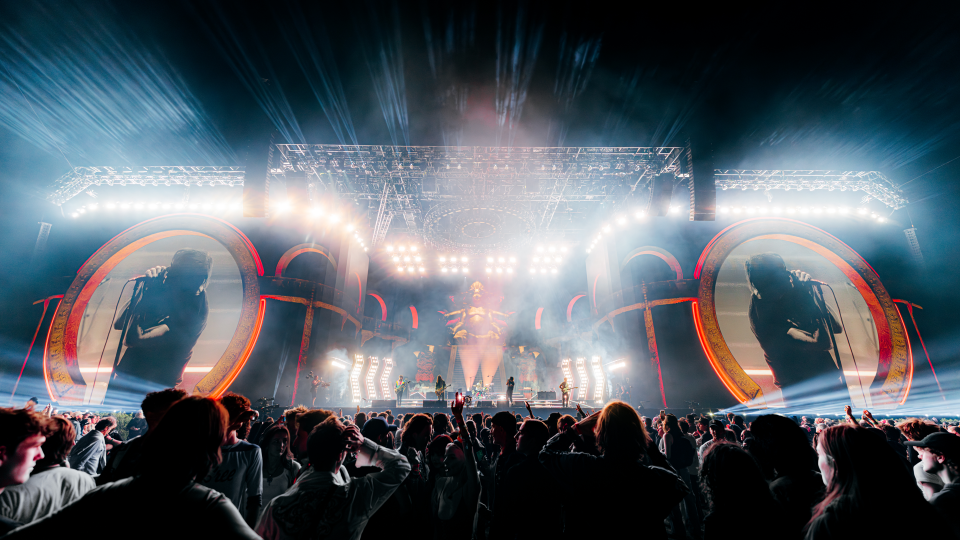
“The most important use of dark space for me is creating it for my video content. I never like to see the outline of a video component since it is mostly in your face for the entirety of the show. When you have your imagery come out of the dark space you actually never define your video walls creating a nebulous animation without boundaries. That is how you make a magical upstage and down stage environment. There would be no particular rules to when it should be used — it is wide open.”
On Dark Space and Color …
“I will use both white and color to make dark space more effective. Many scenes can create an emotional effect on your audience by using both color and white with precision timing to turn your design into a mosaic of great scenarios.”
On Complete Darkness …
“It has often been said that the most powerful cue in any show is BLACK!
It creates an emotional connection between your audience and the stage. I had often used Black to punctuate a sudden moment before unleashing a maddening effect to accent a musical moment in my show.
Rebecca and Bryan Hairston. Los Angeles
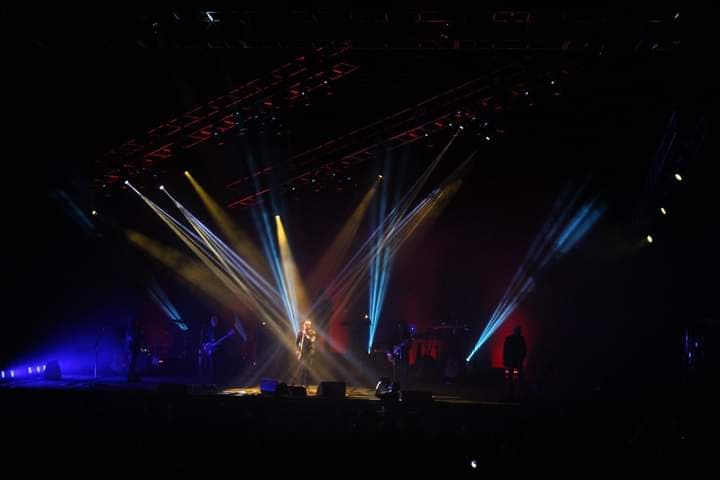
“We are always incorporating dark space into our designs. We use it to balance looks or moments, to pull focus, we manipulate it for impact, or use it to create an unbalanced, uneasy, or anticipatory feeling.”
On Locating Darkness…
“We don’t have a preferred area of the stage for darkness. When you apply darkness to specific areas on stage, it provokes different feelings. There is always intention behind our choices, especially where to apply negative space. The key is implementing the area that will evoke the response you want from the audience.
“Smaller venues are tricky, you can’t always fit your tour package in, meaning the lights you rely on heavily are not there, leaving you with way too much darkness in your show. Or if you can fit your package in but the stage is now super tight, your cueing can overwhelm the space with light, erasing all the beautiful dark moments you had. So, we build a lot of cloning redundancies into our shows to give ourselves options for adaptability and to keep the show as consistent to the original concept as possible.
On Timing Darkness…
“For us, we’re going to put the darkness where the music calls for it. A lot of our designs are decidedly intention based so if the song needs darkness for affect, it’s getting darkness no matter where in the set it is. Using darkness the entire show can become boring or repetitive. So, we establish if it is appropriate to the song or moment, and make sure to vary it the implementation heavily so it breaks any unintentional patterns.”
On Coloring Darkness…
“Every color works with darkness. It’s just about what the intention is behind it. Red beams against darkness is doubly agitating. A dark stage with a whisper of a Congo blue downlight can be epically intimate. A dark stage with chartreuse side light can take people’s imaginations to a different realm entirely. Using color with darkness just heightens the feelings we associate with that color. So, working your color theory and sometimes turning it on its head is always fun.”
On Shadows and Darkness
“Shadowy looks for us range from a breath of light on stage to fully lit using lots of angles to create the shadows. We also like to think of shadowy looks from a dance perspective as well. Throwing shadows of the musicians, instead of throwing shadows on the musicians is great fun. Both options, black and shadow, give a feeling of intimacy. There’s also this degree of connection to the audience that you are playing with when going between the two. If the song is more of an internal, personal moment that we should be witnessing but not participating in, then we’re likely to use black. However, if an internal monologue is flowing and the audience should be included in the emotion of that, then we’re going to use a shadowy look to evoke a feeling of being inside the heart or mind of the musicians. Bringing the audience inside that space helps connect them emotionally to the music in ways that a black stage with a couple specials just doesn’t.”
Crt Birsa, Ljubljana, Slovenia
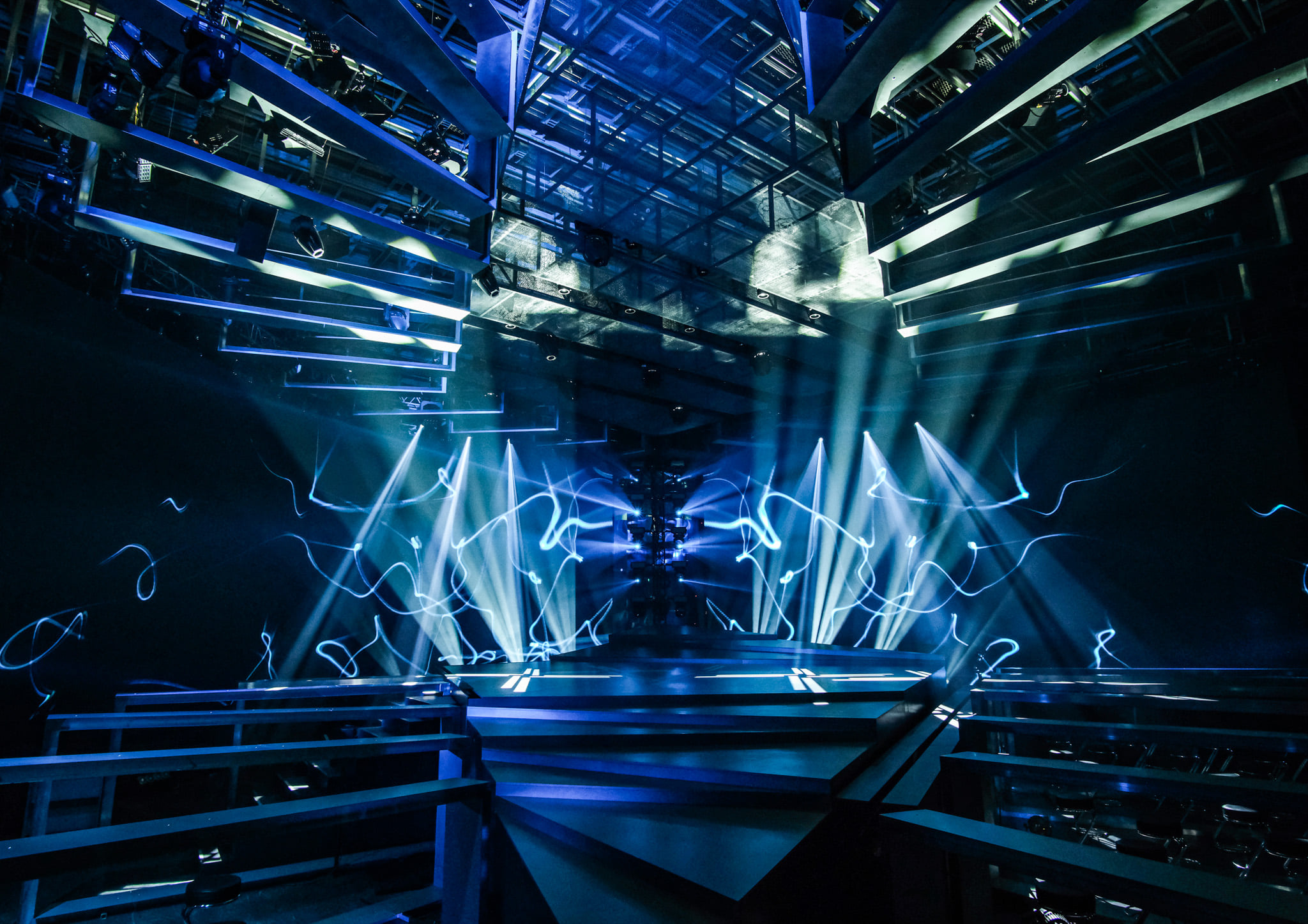
“Dark space is a part of every design. The contrast between dark and light is essential. I like to think it’s like a stage or a venue is an inverted canvas. Lighting design, or a lighting look, is a painting on a black canvas. How much of the space is dark depends on many factors — stage size, venue size, the sort of artist and your inspiration. But I am quite a fan of incorporating the darkness into a show.”
On Locating Dark Space….
“There are parts of the stage that I want to keep in the dark because we do not want to see what is happening there or we want to hide something. There are also parts of stage which are dark so we can get a bigger depth in the big picture — and there are parts of stage where I decide when to keep it dark and when to light them up.
On Timing Darkness …
“When I decide to introduce darkness depends on many factors, some that I have already mentioned. Dark space is important when building a show from the start to the end. It has to come at the right moments so we can achieve the right story that we want to tell with the lights. If we do not use this contrasts between light and dark, than the show might look very nondynamic.”
On Colorizing Darkness…
“I really like to contrast whites with dark space, but I am open to any color that can fill the darkness. I try to fit the color to the event,music, set, and artist I am working on. White goes everywhere, but with colors you have to be careful so you don’t drive the whole design into a wrong feeling.
“When you are careful with the amount of color you add to the dark space, any color can work great. Some stand out more than others but this goes from situation to situation and also it goes with what feeling we wish to achieve. We can achieve the same feeling with different colors, but each color should have its own space.
Eric Cathcart, Kansas City
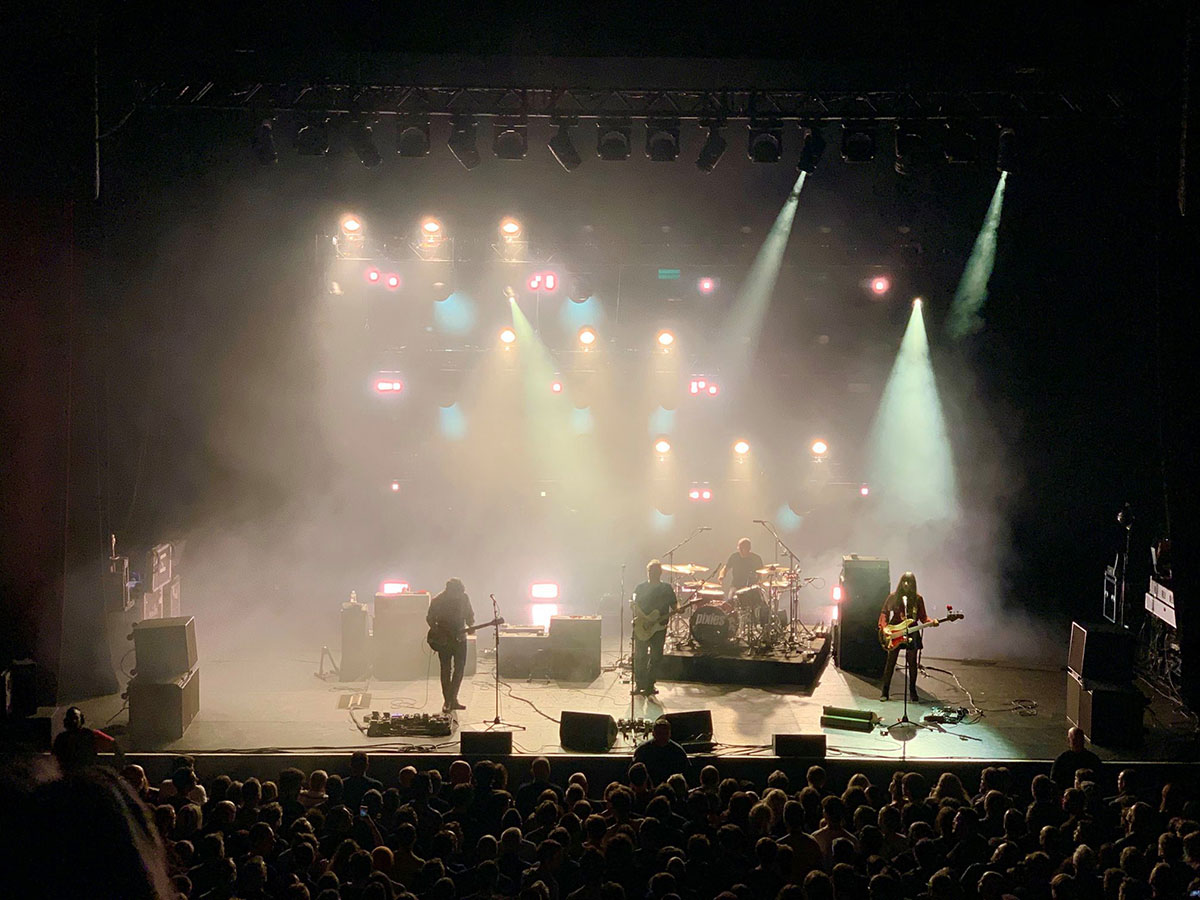
“Every one of my design includes dark space. Just like with music, the space between the notes is just as important as the notes. For me the dark space typically comes into play in the programming. You can have a lighting rig that is top to bottom, left to right fixtures and still be able to get those crucial dark spots based on your fixture selection and positions.”
On Positioning and Timing Dark Space…
“There is no set formula or anything like that for where I will position dark space. It all depends on sets, back line, etc. I guess the bigger the space, the more room you have to take advantage of the dark. Most of the time my dark spaces are programming based. Some parts are deemed brighter than others. I don’t typically work within set constraints going into the show.”
On Colorizing Dark Space…
Black and white is one of my favorite looks. Otherwise when I’m accenting the dark I like to work in saturated monochrome looks. I have found that some of my darkest, moodiest looks have come from using white light.
On Dark Space and Shadows…
“I love it when I can create shadows. I probably set myself up to use shadows more often than dark space.”
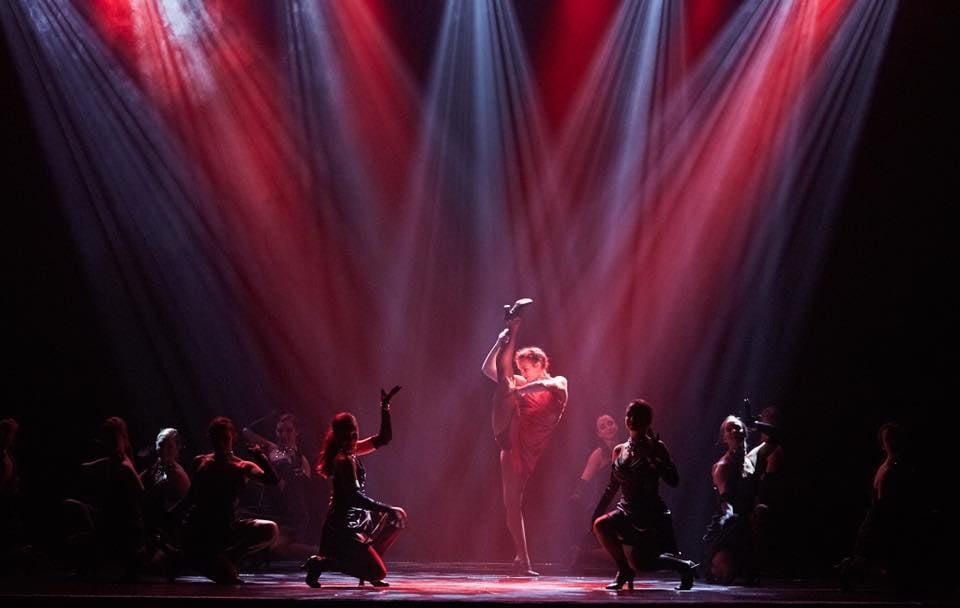
Fernando Rodriguez Berzosa, Madrid
“I leave dark space above the audience and on the sides, so when you light it, you break the fourth wall of space. It’s a very effective way to make the audience be inside the show, and not just mere spectators. Depending on the mood of the act. I always start lighting a scene from dark, by adding lights you start creating volume. So when I am finished, I check if it’s all correct, and that includes the dark areas.”
On Dark Space and Practicality…
“It’s always a matter of budget. If there is enough money for lighting all the space, there will be no area without a light. But depending on the mood of the scene, this light will be on or off at different times so we have darkness.”
On The Role of Darkness…
“In my opinion, the absence of light is also a light, but a black one. So again, depending on the scene, on the way you want to express the feelings, using dark space is more helpful, or it’s a complete disaster.”
On Dark Space and Color…
“Most of the time, I use colored lighting with dark space, as it complements the colorimetry of the scene. But if you want to create deepness, using white to outline the scenery, is always effective. All colors work fine, but in my opinion, a white created by adding RGB, looks awful. With LED lighting you have to be very careful, colors can create a wrong mood, as LEDS don’t have the latency the conventional lighting has, so fading in or out can ruin the entire scene.”
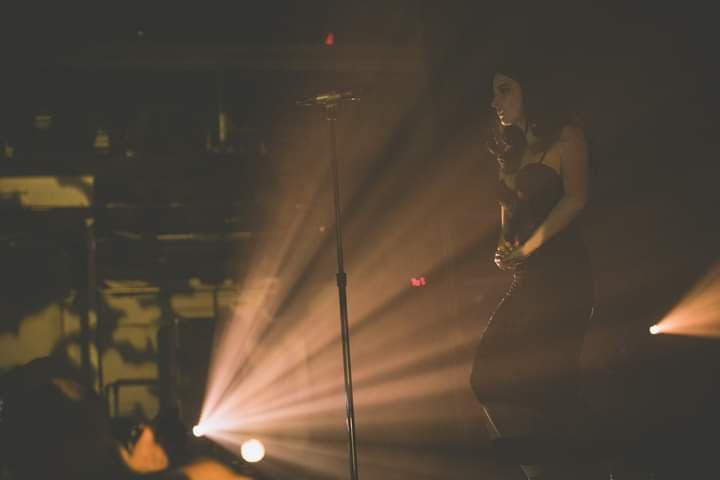
Giancarlo Vannetti, Verona, Italy
“I love dark space, because without it , no light would make sense! Light is something that cuts the dark ,and the dark is something that we all deal with every day. It’s part of our life, and also the stage is part of my life, so I need the dark anywhere on stage, because it helps me to show something I want people to see.”
On Dark Space and Stage Sizes…
“Stage size doesn’t matter when using darkness, If everything is dark there is no space ,no limit, no nothing. Sometimes stages are huge ,sometimes small ,but the magic is all there! You just need to use the light in a more dedicated way ,and need to pay attention on size, intensity and zoom ,so I can only show the detail of something!”
On The Drama of Dark Space…
“Without the dark there would be no light ,no show, no surprise to make people say “WOW,” for me light and dark are two lovers ,they are so romantic ,and that’s why I try to create stunning looks on my stage.
On Dark Space and Color…
“Light is something that has to give a sense to my scene. I need to feel in love with that light and color.I need to feel it, and that light must represent the correct feeling for that certain circumstance. Then ‘color or no color’ for me there isn’t something correct or incorrect, it’s always related to what’s the story you need to tell.”
Al Gurndon, London
“Lighting design is a response to subject matter, as well as concept and all questions about light and darkness should be answered differently depending on the needs of the production as a whole and the specific rhythms and dynamics of the piece, whether that’s a movie, a play, a sitcom or a pop concert. It really depends entirely on what is being lit and that applies equally to any visual medium.
“I can think of totally different types of subject matter, which would suggest very different approaches to light and shade. Tone control is an intrinsic and essential part of photography and for me, whatever the lighting is for, to be effective, it should always follow photographic principles, because this is how depth and texture and mood are all produced or supported. Sometimes it may be entirely appropriate to create a picture or a stage that has very little light and shade.”
On Shadows and Darkness…
“I think there is a very interesting technique that was introduced in the era of early silent films when the lighting was often ambient daylight through a glass roof, so shadows were often painted into the scenery. I know that they still use this today in some feature films.
“In a sense, it is also done in regular production to a lesser extent by a considered use of surface tone in scenery. Of course, it is also done with costume design with a view to the overall tonal range and palette. I think it is something that is very helpful to the lighting designer, but it is not often considered carefully and coherently as part of the overall visual design.”
Theis Wermuth, Aarhus, Denmark
“I often do dark spaces. I like the contrast it gives the lighting and lighting design. Most of the time I have the sides and backdrop black. This gives me a nice canvas to shoot beams of light through or to Place a signature design part.”
On The Impact of Dark Space…
“You can show a dynamic change in a show by introducing dark space, which is always good. Dark space works equally well on any size stage and with any type of color or white. Regardless of whether it is a dark space or shadowy space it works to create the dynamic change you want.”
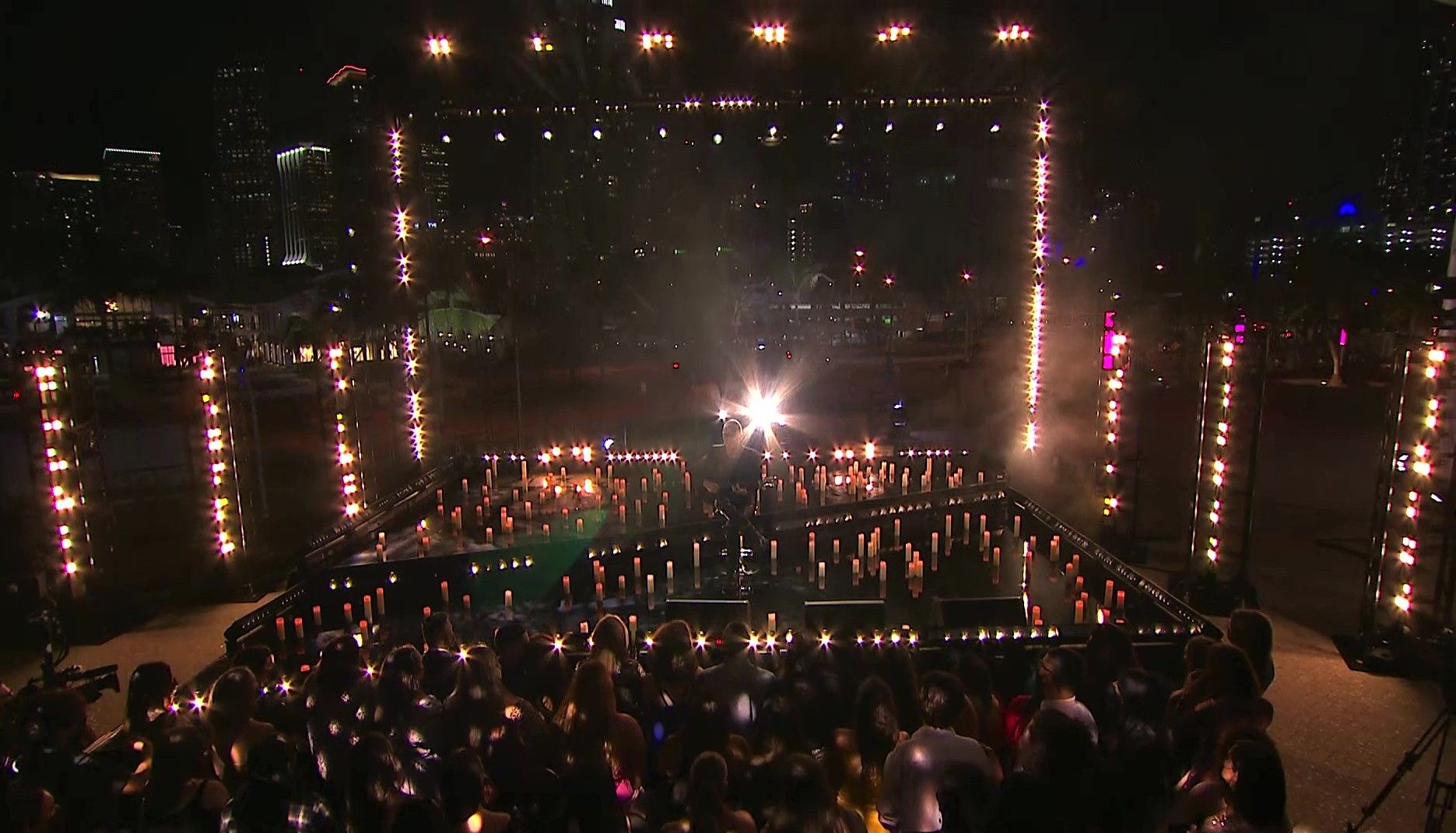
Rene Garcia, Miami
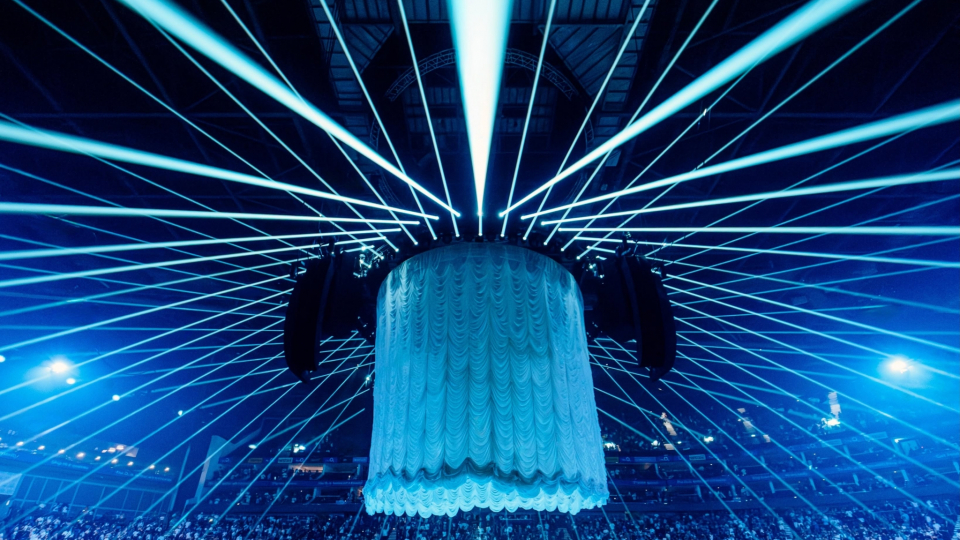
“ I don’t use much dark space often, unless the creatives for a performance call for it. It usually fits well in the design for aerial effects and beams from moving light fixtures to really capture the beams wholly.
On Positioning Darkness….
“Where darkness is placed all depends on the stage layout, Usually in the center for certain applications we will take the video screen background completely out for the full effect.”
On Darkness and Stage Configuration…
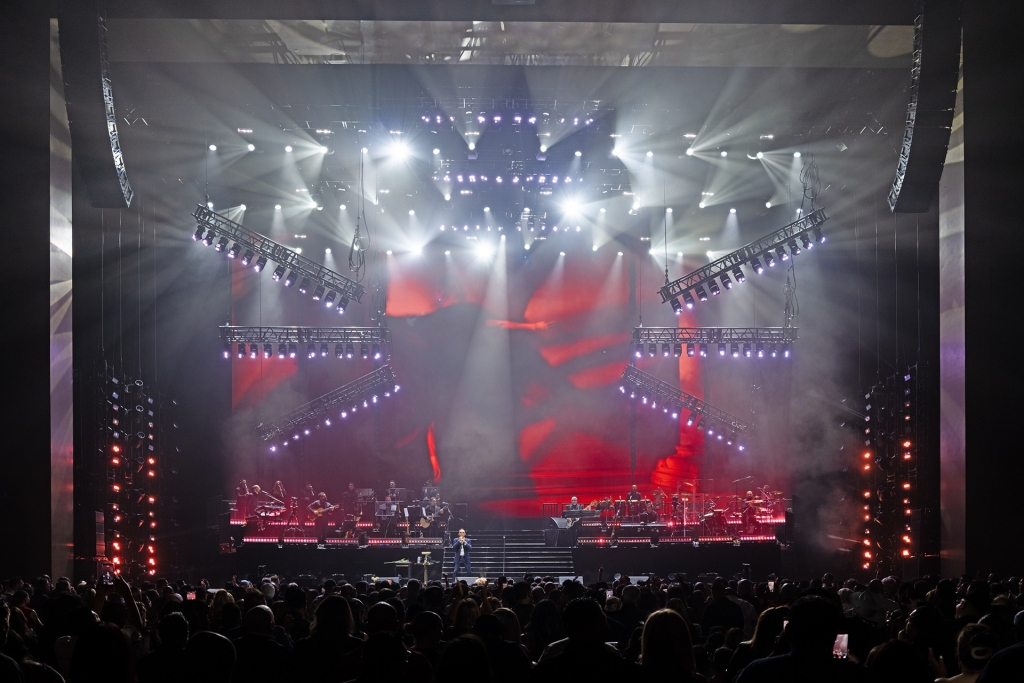
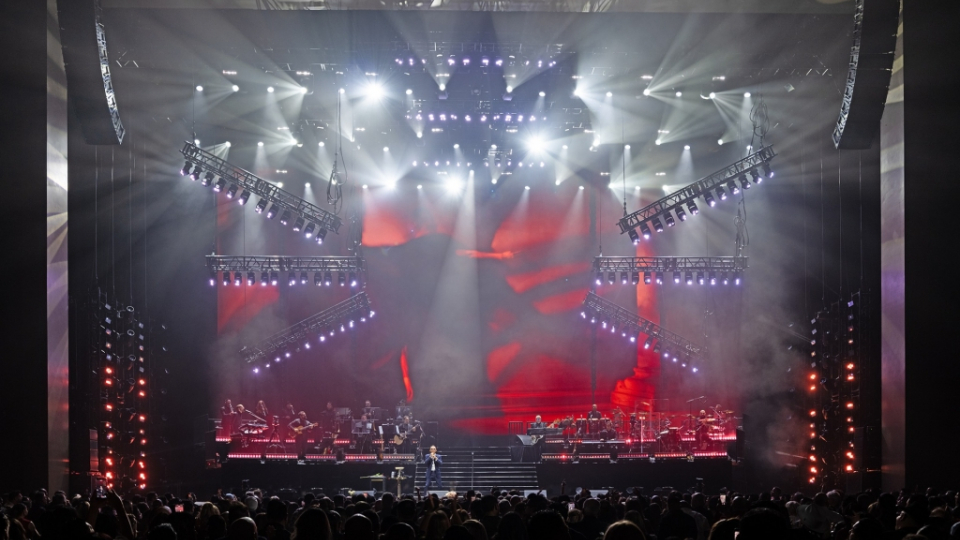
“Upstage or a very high proscenium will call for a negative fill when you want to appreciate beams of light with atmosphere from haze. In smaller spaces its less darkness is appealing because this tends to work better on wide camera angle shots.”
On Shadows and Darkness in Broadcast Lighting …
“In television, shadows work only on novels or dramatic reality scenes. For most of our work on TV Specials we tend to steer away from shadows unless they are called for.”