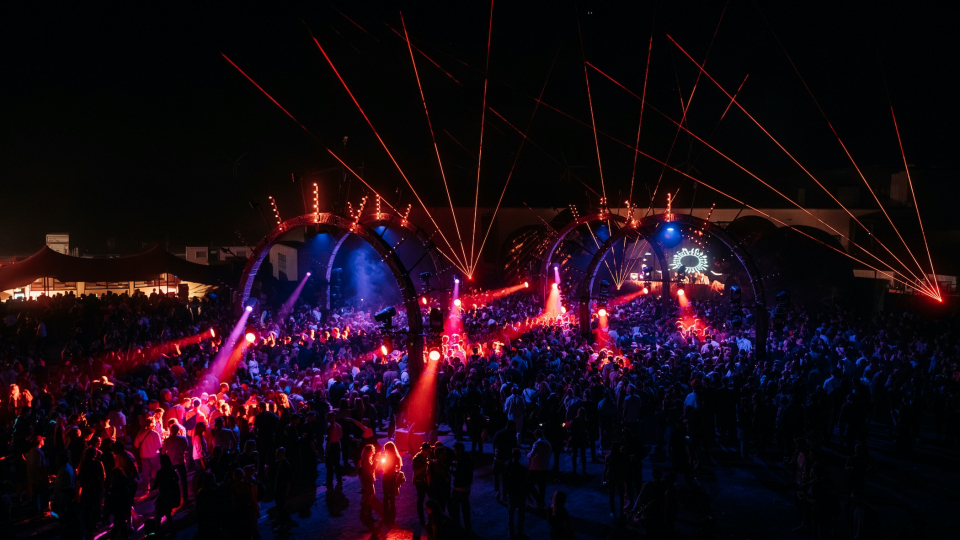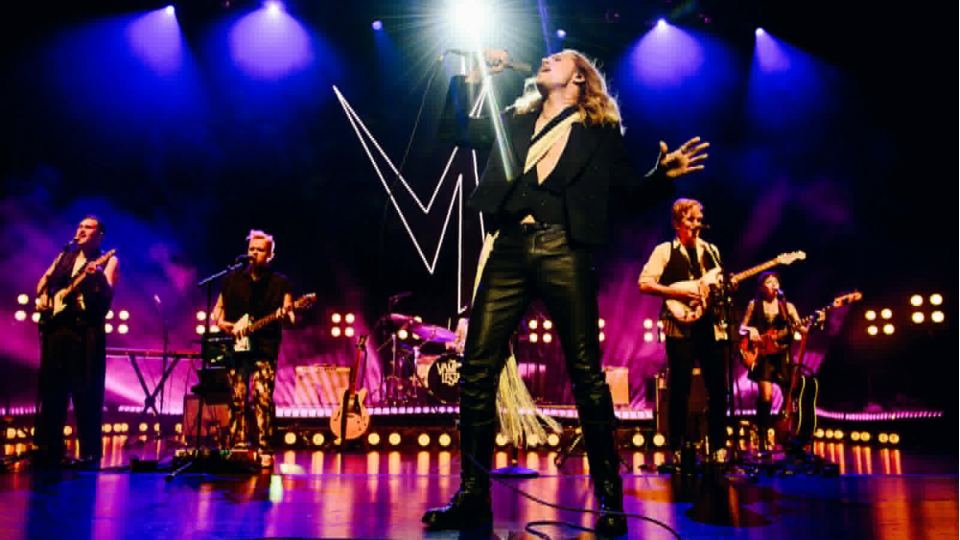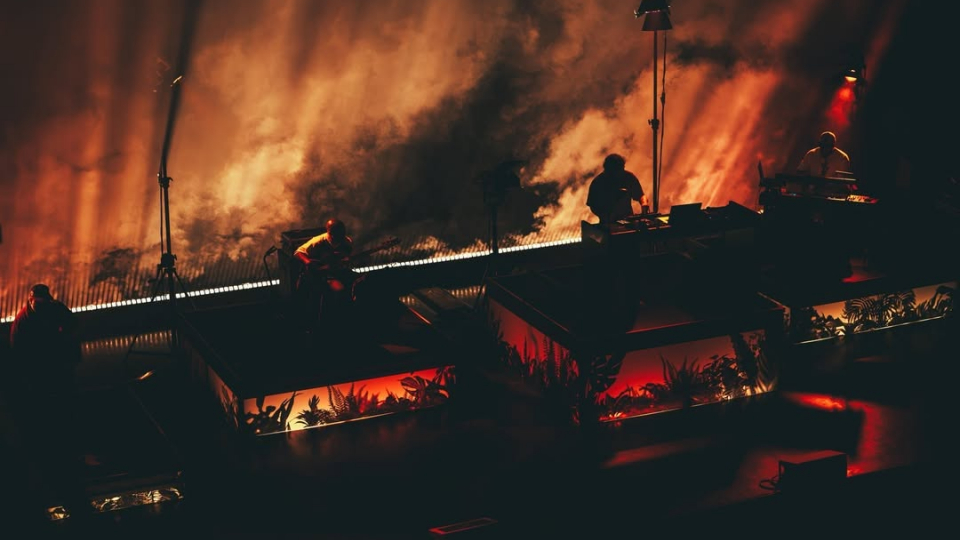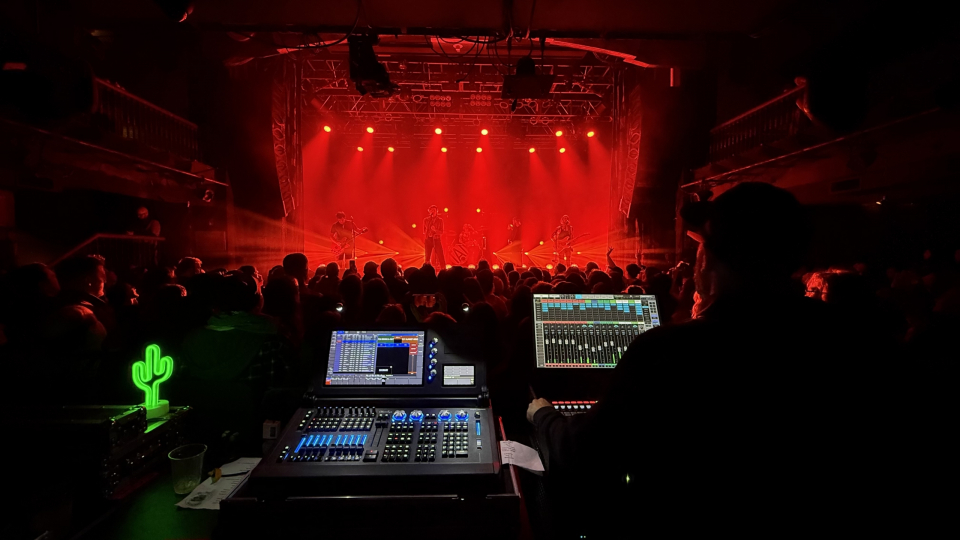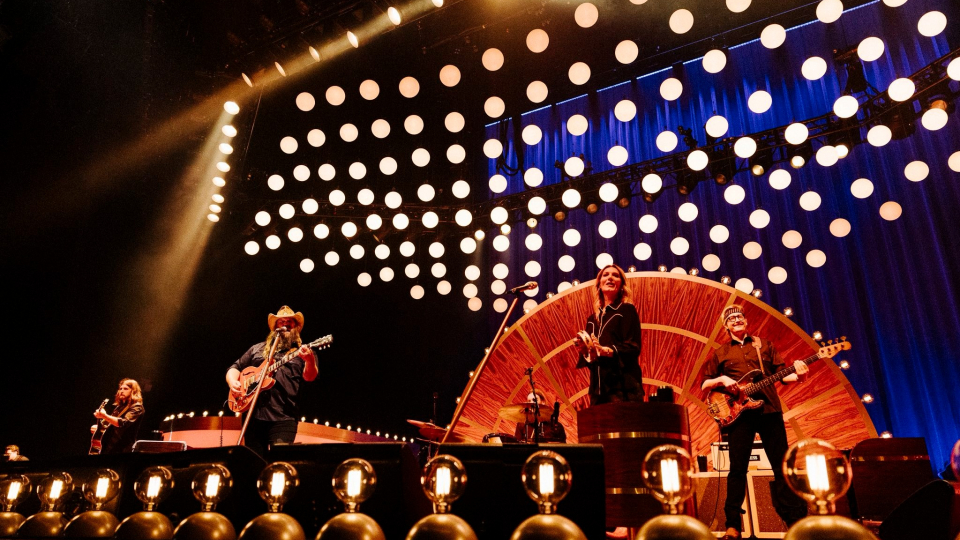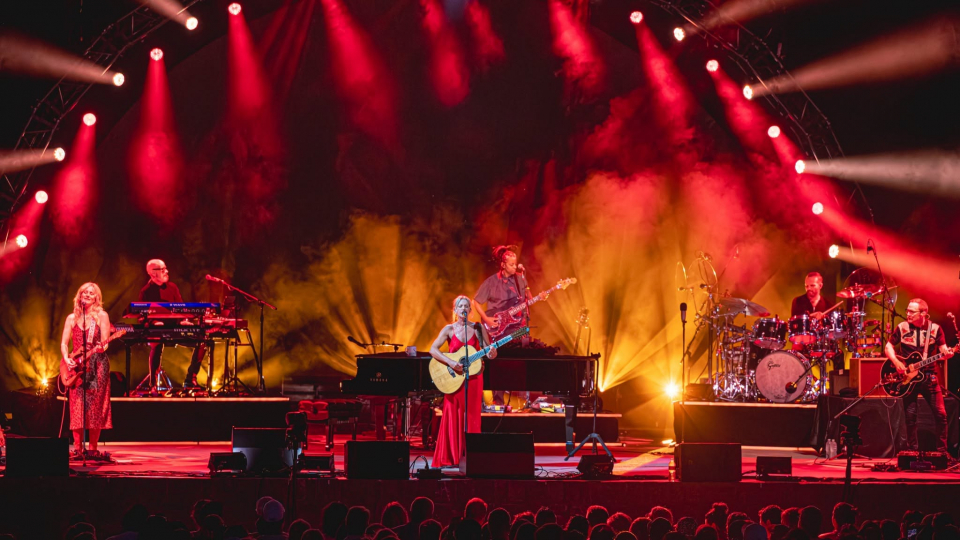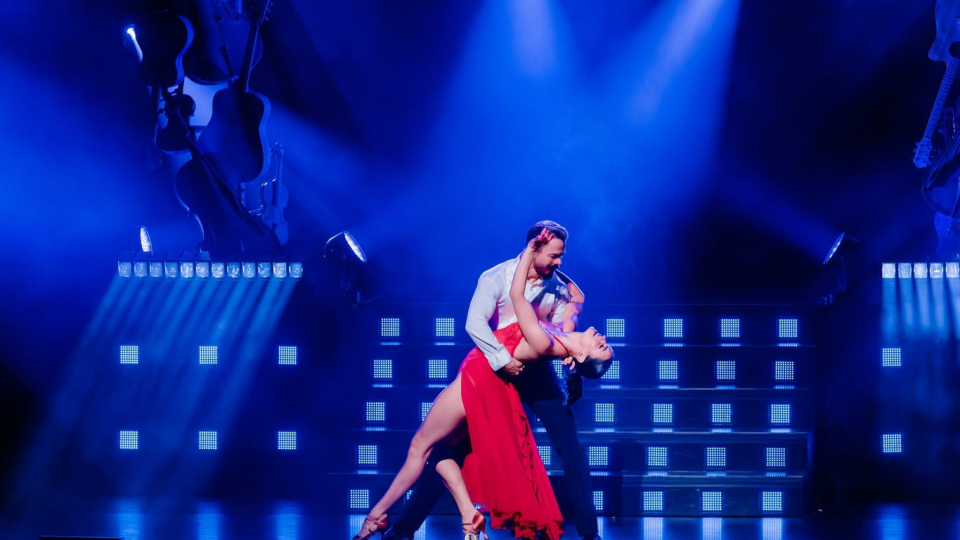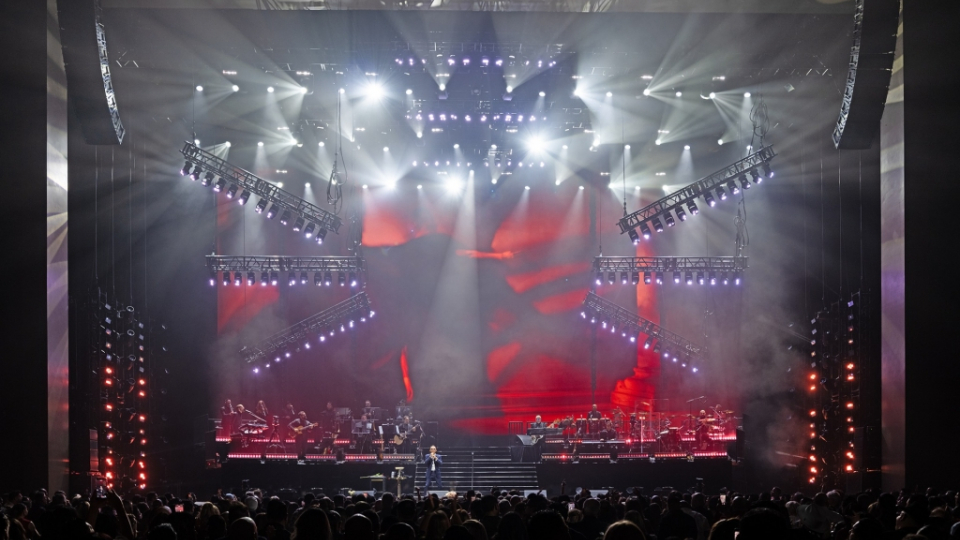
As a youth, this Nashville-based Emmy Award winner was drawn to lighting when he witnessed the power it possessed to give voice to the deepest moods of the characters in the plays put on by his parents. It is a passion he has embraced ever since, as a lighting and production designer/director for the likes of One Republic, TobyMac, Brandon Lake, Prince, Oprah, Steven Curtis Chapman, and Phil Wickham.
For Tony Fransen, lighting is not merely about creating looks, but more essentially about embracing the music and the essence of the artists being lit on stage. After all, what purpose do stunning visuals serve if they fail to reflect the true meaning of what the artist at the center of things is all about?
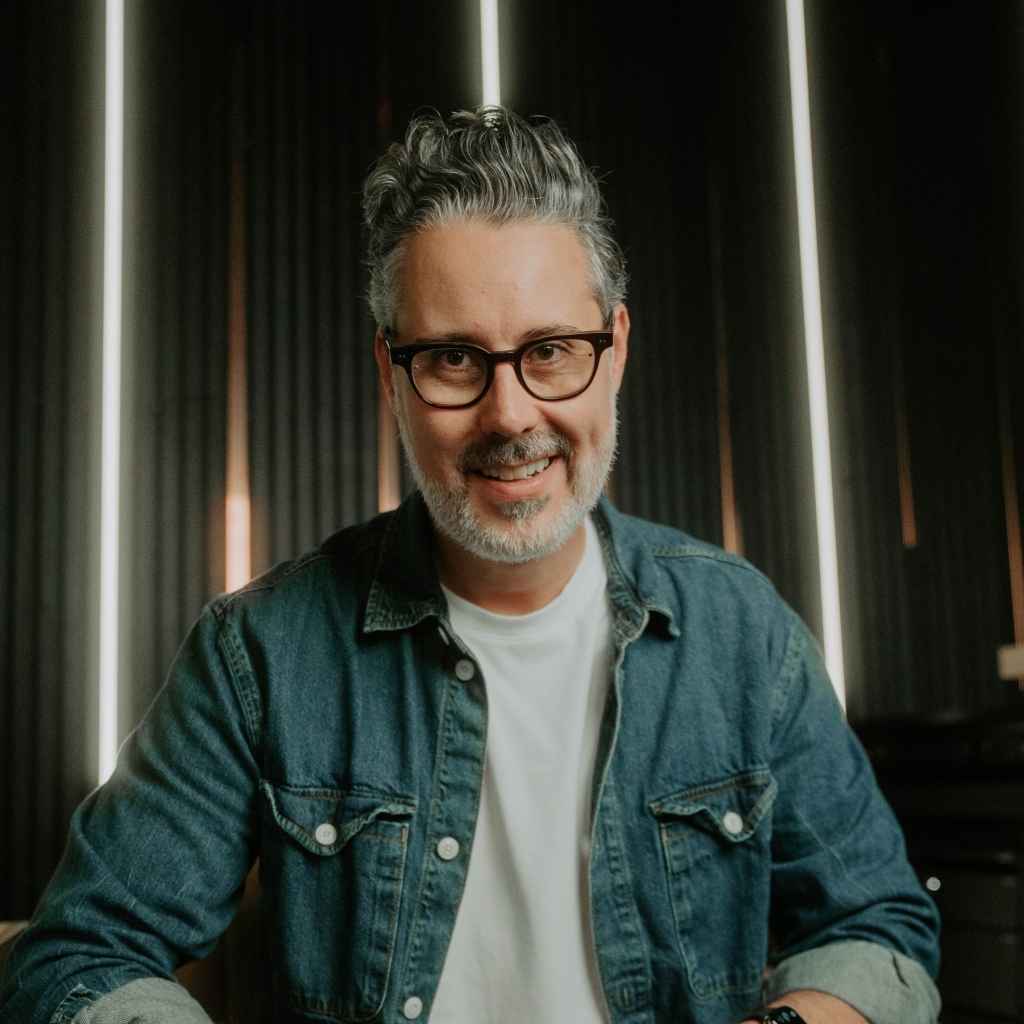
Distilling lighting down to its core meaning, Fransen remains intently focused on the connection between his work and the performer on stage. In pursuit of this vision, he constantly evaluates the tools of his trade.
Although he admits to being a “tech nerd,” he is not one to embrace new technology simply for its own sake, but at the same time, he has no fear of breaking with convention and departing from the way “things have always been done” to try something new if it means getting his lighting to better support his client.
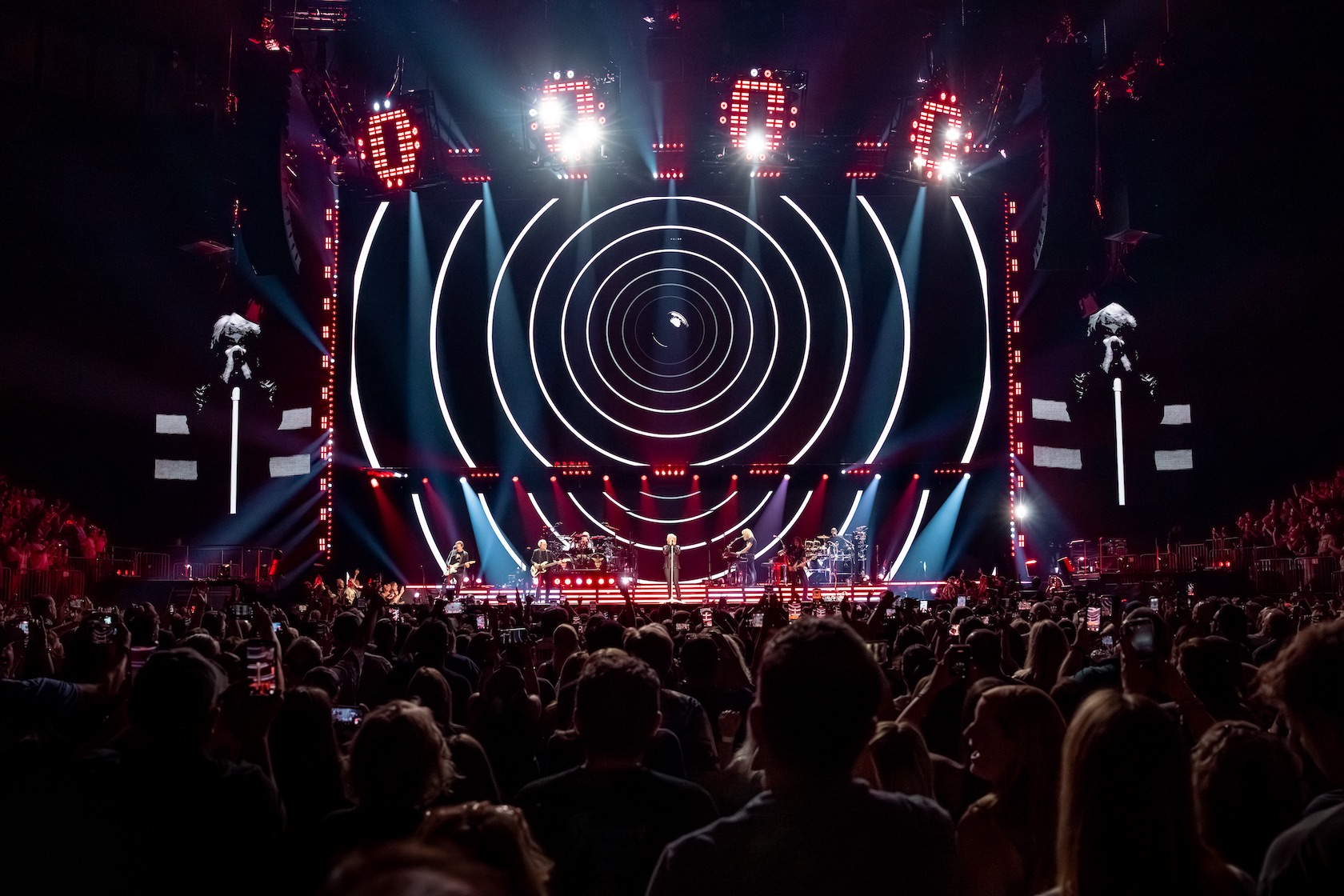
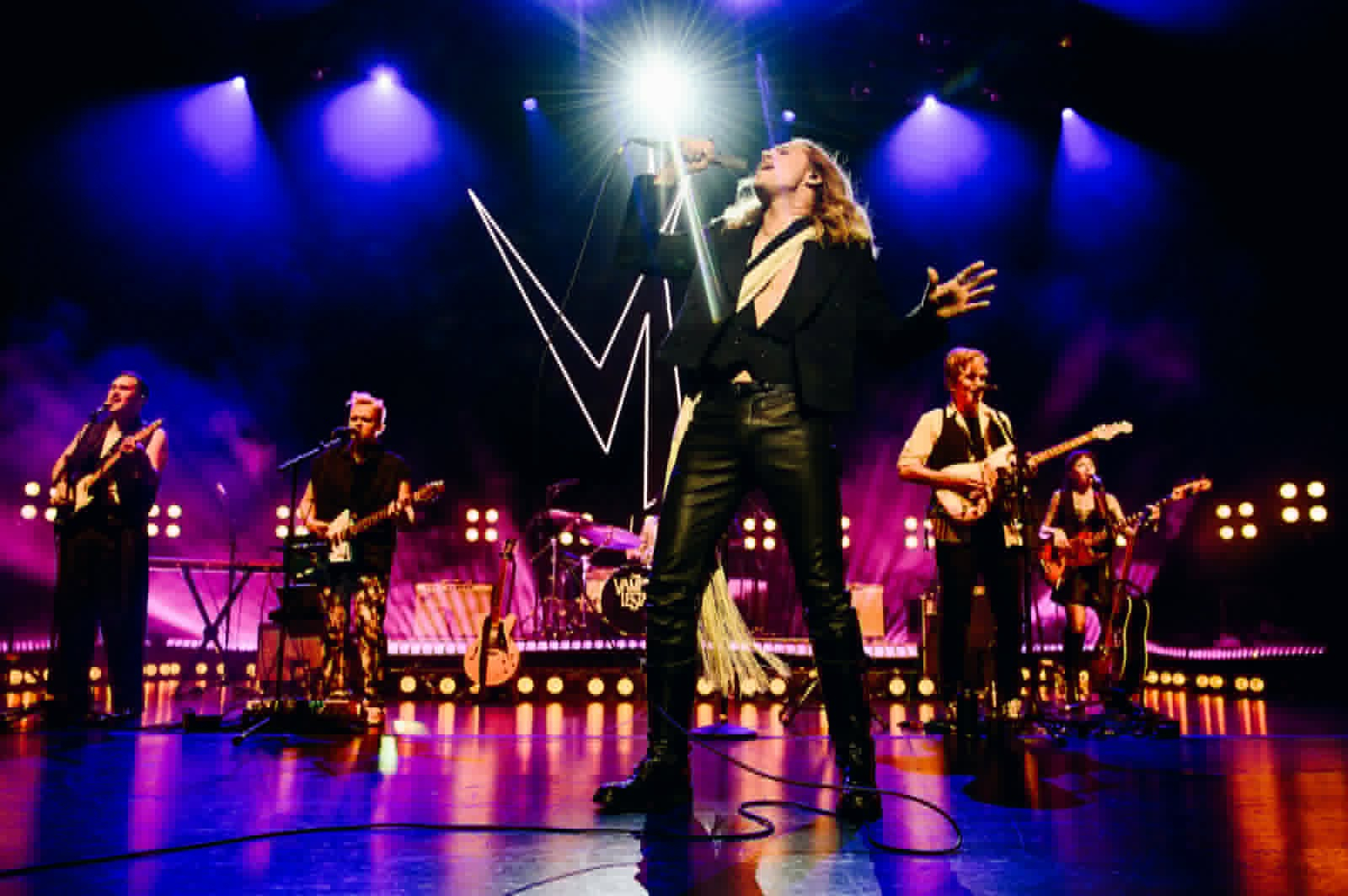
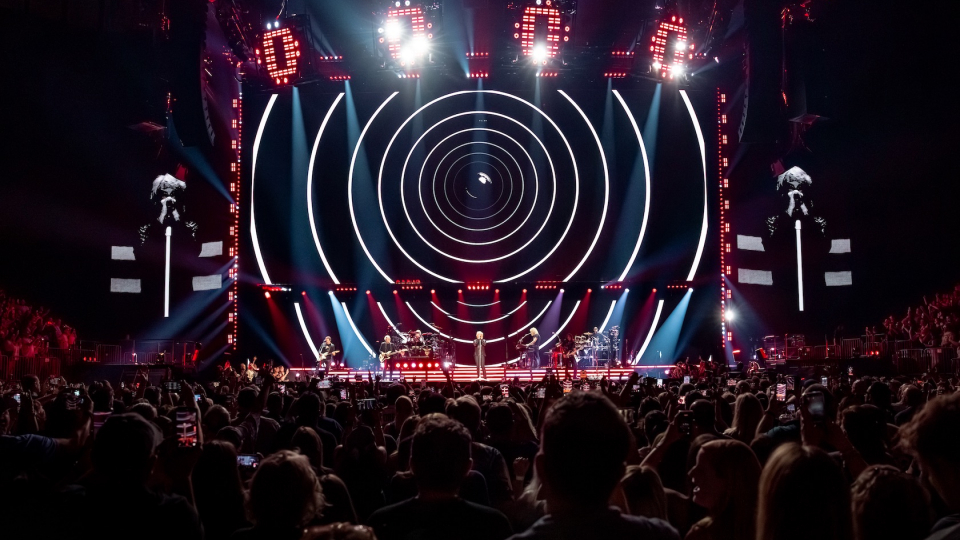
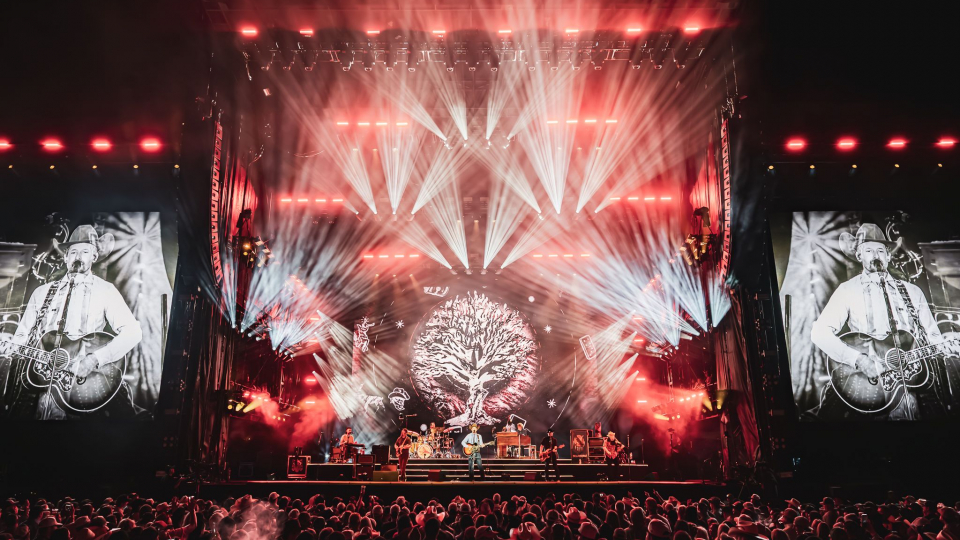
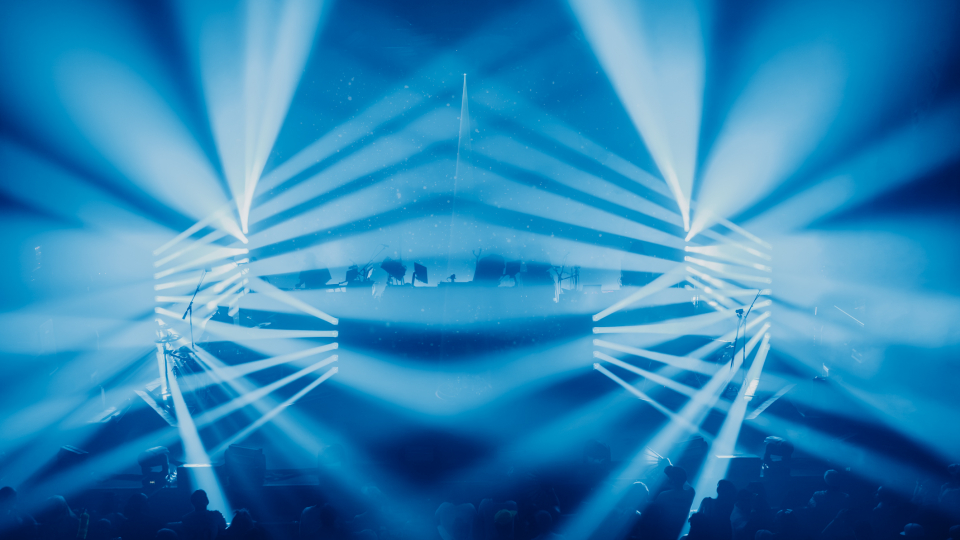
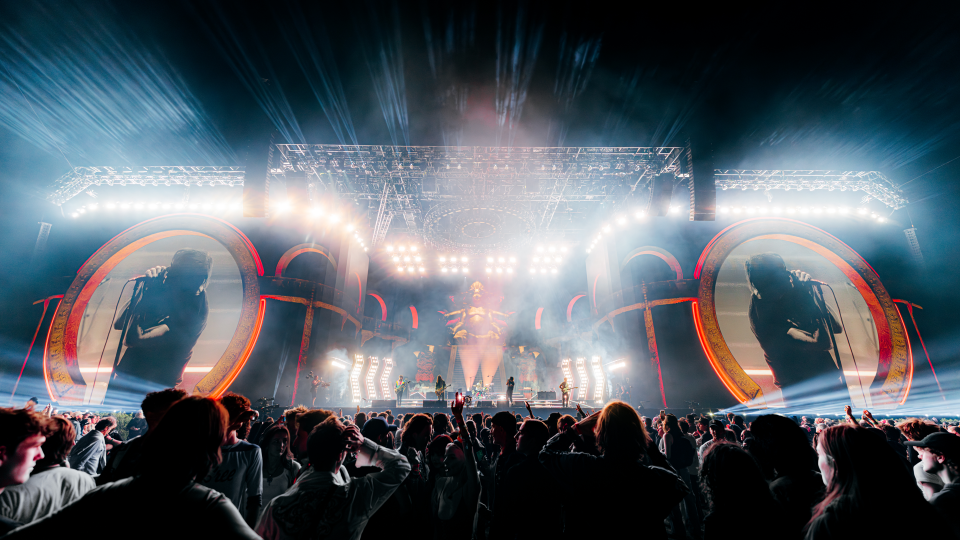
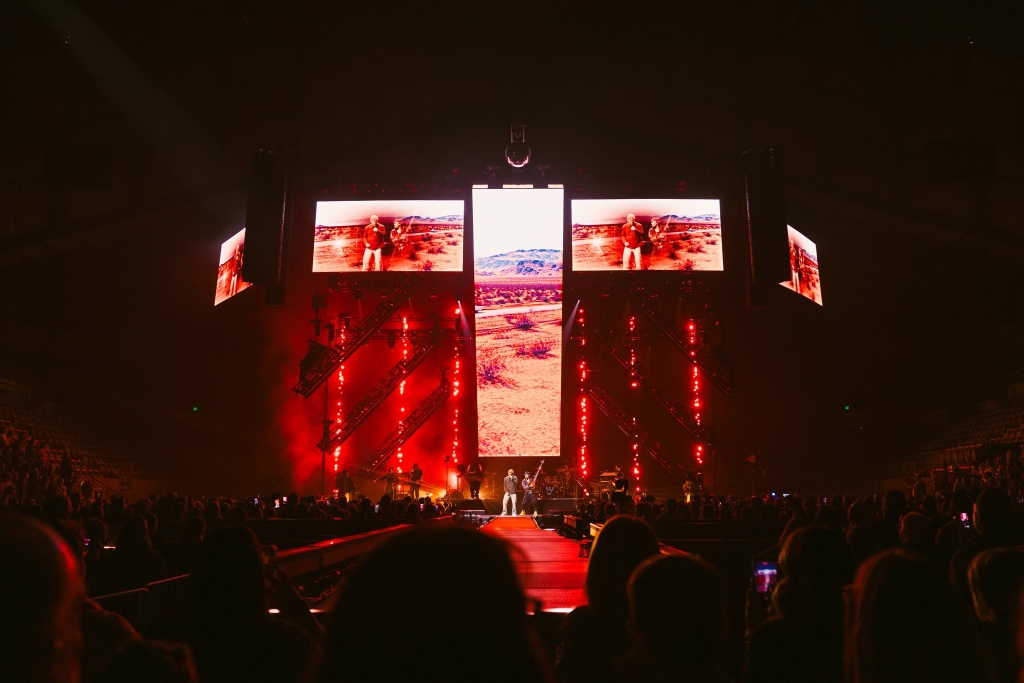
This was evident in his recent work for TobyMac’s Hit Deep Tour when he used battens to fill specific roles often done by moving fixtures and blinders. During that tour, Fransen took the time to share insights into the power of light to embrace moments and the artists who make them happen.
You tried some new things in designing TobyMac’s Hit Deep tour. For starters, you reduced your dependence on moving heads in favor of linear fixtures. Why did you do that?
“Well, the big reason was to challenge a norm. Our industry has gotten really locked into certain looks, and I wanted to break that norm.”
Do you see moving heads taking on a new role – and perhaps a less prominent role – in design?
“Not entirely. A traditional moving head is a workhorse for me. It allows me to light things without climbing. But it is also a crutch if we do the same things with them every time. So, the goal is to break out of those norms. That can be easier said than done.”
Another thing you did with TobyMac was use your battens as blinders and rely less on traditional blinder-type fixtures. Can you tell us a bit about why you did that?
“Sometimes it’s about having one tourable fixture that can do many jobs. I would say that that is the main reason we went in that direction… Versatility!”
You’ve used a lot of new technologies in recent tours. There have certainly been a lot of advances in lighting tools. Has the advent of new technology changed the way you look at lighting design, or is it just a matter of technology allowing you to realize ideas that were already in your head?
“Our industry is constantly advancing, yet in many ways we are still stuck. I think the past several years we have seen amazing iteration, and that has given us efficiencies in many product categories. But I don’t really design to use products. I design to create experiences, and so in that regard, we get to use amazing products that can help us create excitement or overwhelm us – or give us an intimate moment with an artist we love.”
The Hit Deep Tour design features some very distinct architectural elements, as did your work for Brandon Lake’s King of Hearts tour and other projects. What does adding strong, distinct shapes do to a design to enhance its impact?
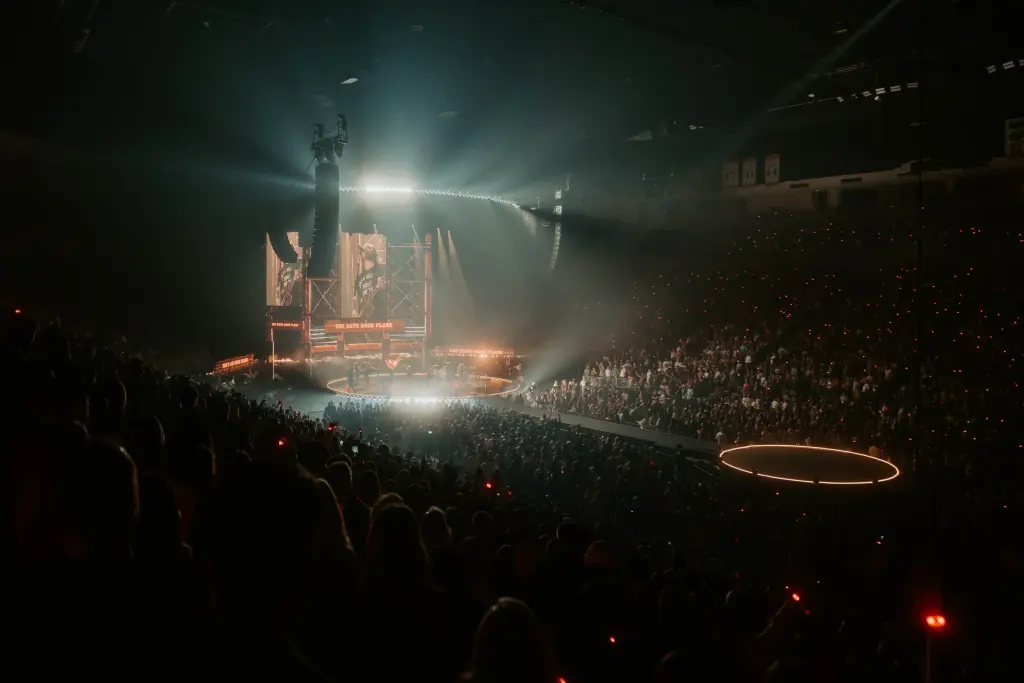
“For me, it’s about communication. What exactly is the story we are trying to tell? In the case of Brandon’s King of Hearts Tour, the two distinct stages are both circles. For me, they represent an open modern space for Brandon to do what he does best, which is to communicate and, secondly, connect. In this case, having a B Stage at the very center of every venue, right at center ice, is an important location to communicate to a large group of people.
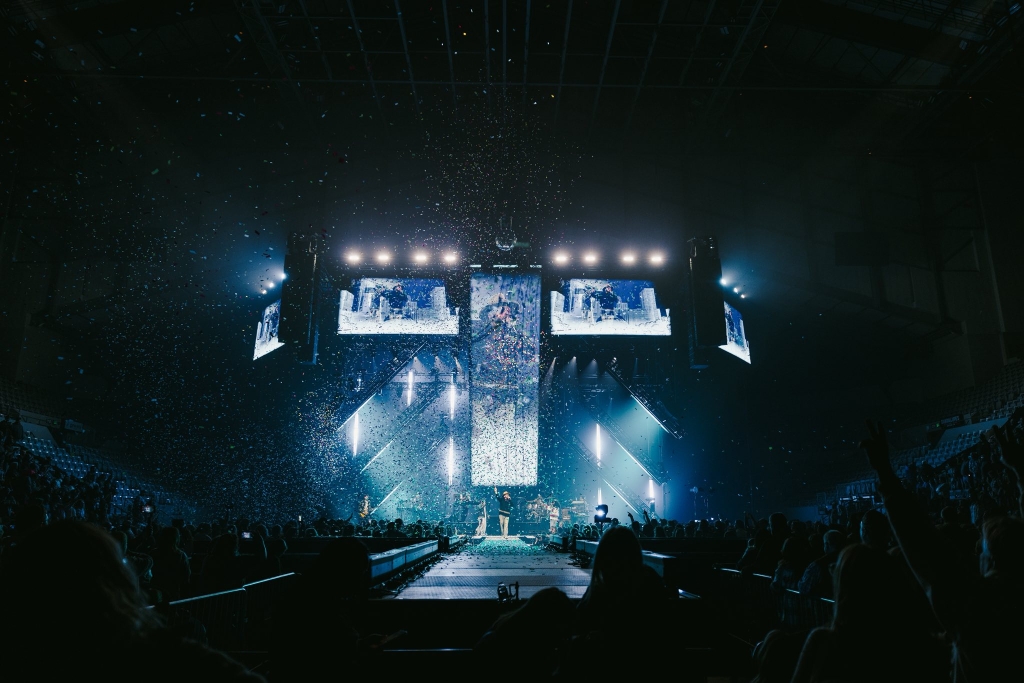
“The monolith on Toby’s Hits Deep was breaking a mold. Doing something that isn’t normal. It’s a giant towering structure hanging over the stage, creating opportunities for 3D elements to be pushed through it and him to be seen up close. It’s a connection point.”
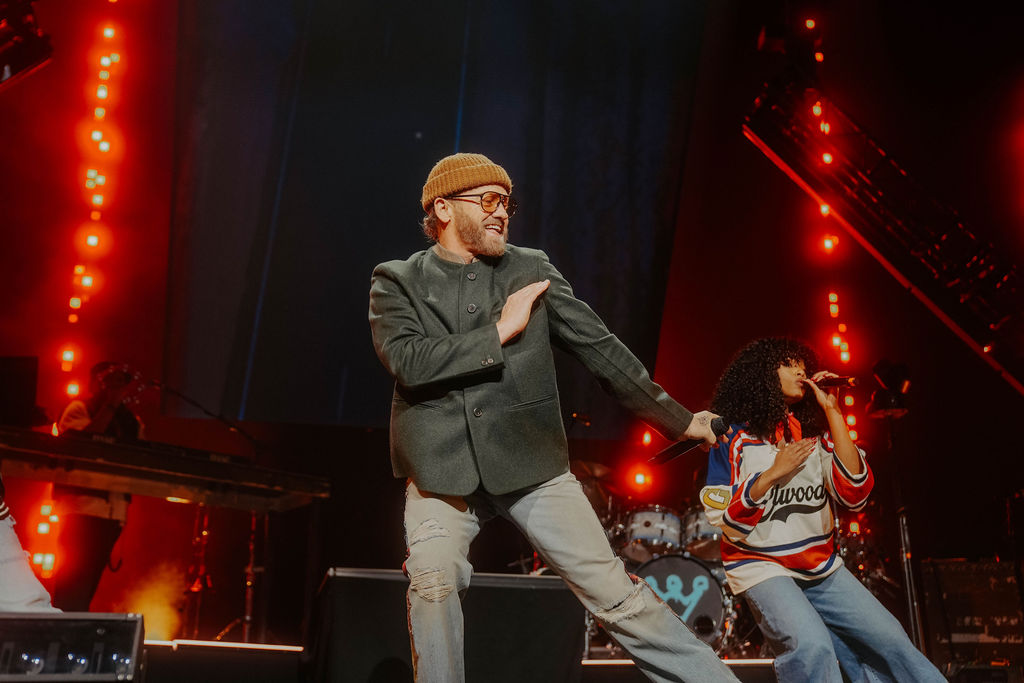
You’ve said that you allow the client’s music to show you the way when you create a lighting design. Do you have to like a client’s music to do a good job lighting it, or are you able to separate your own feelings about the music when you work?
“Wow, that’s a great question. I’m really lucky, I like a lot of music. Now I don’t always like the people. I think when choosing a job, or pitching for a job, the first question should be am I going to like these people, and are they going to like me? Because here is the deal: if what we do goes well, we are going to be together for a while. So, we’d better see eye to eye and trust each other.”
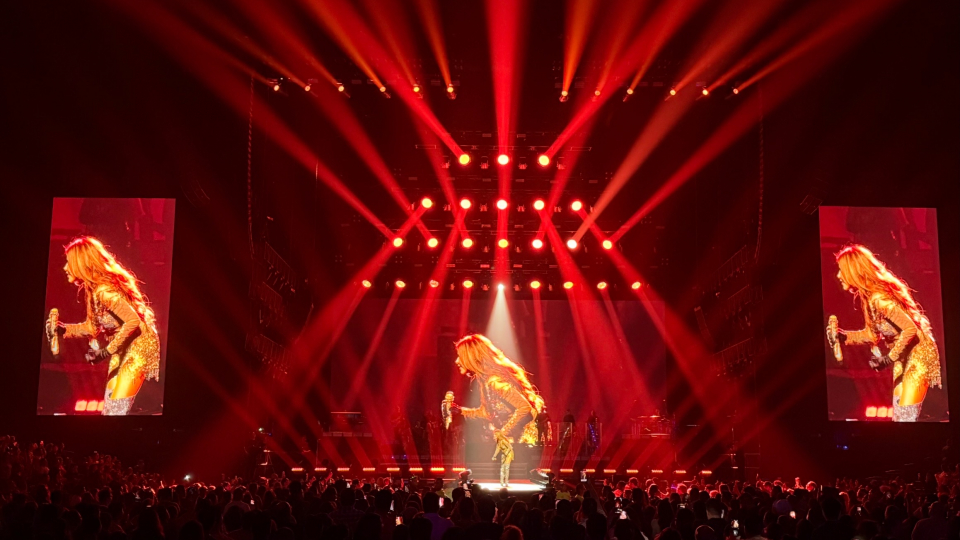
You used quite a few monochromatic palettes in your design for OneRepublic’s 2021/22 World Tour. What do you feel monochromatic color schemes add to a show?
“Man! That was a fun show to light. Using color in a way that layers is really important to me. To me, monochromatic looks can be very intentional, and I quite enjoy intentionality.”
You also created a captivating sense of movement on that tour by changing colors, light angles, and brightness levels. Is it fair to say that this also represented a deemphasis on traditional movers?
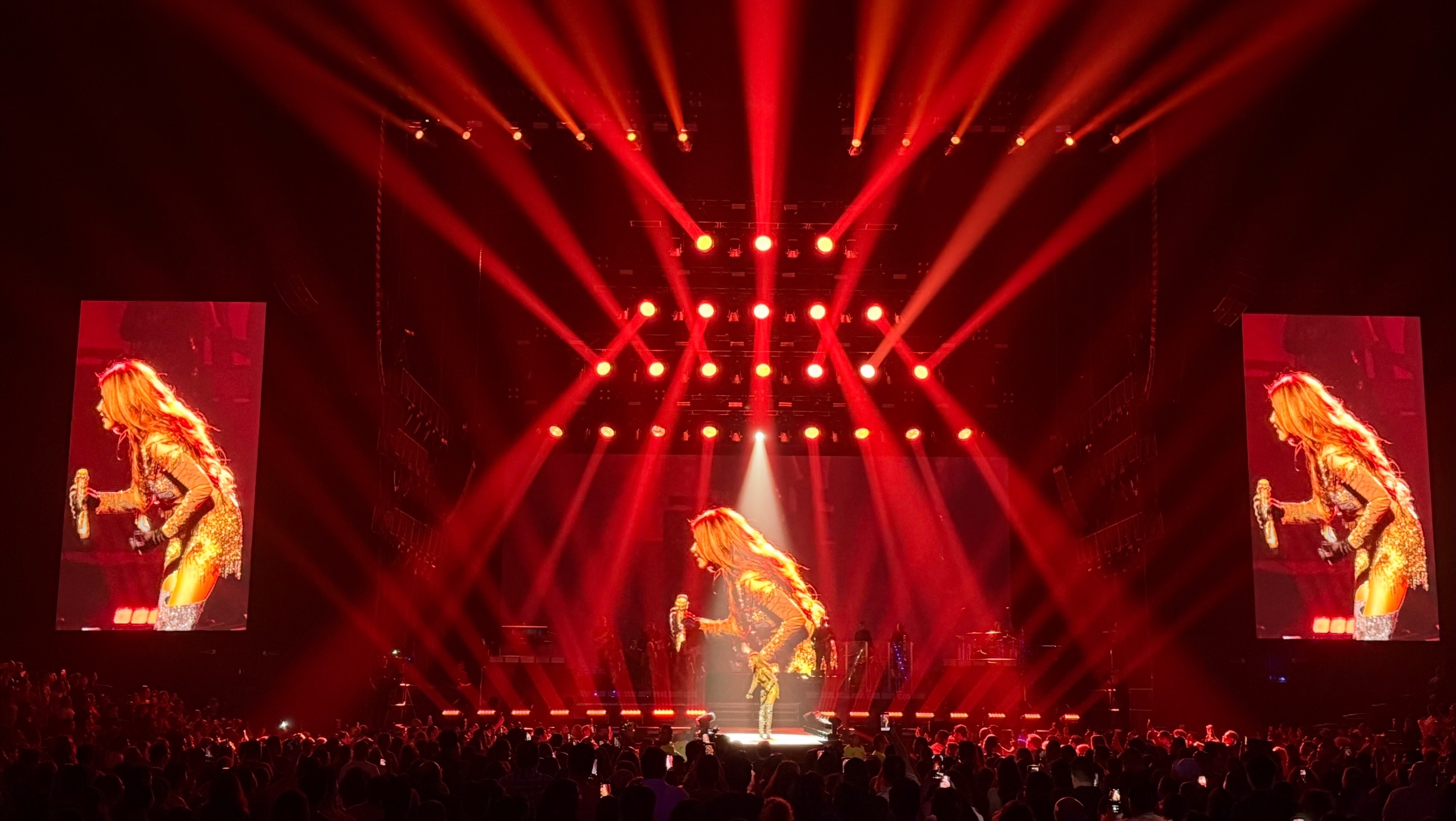
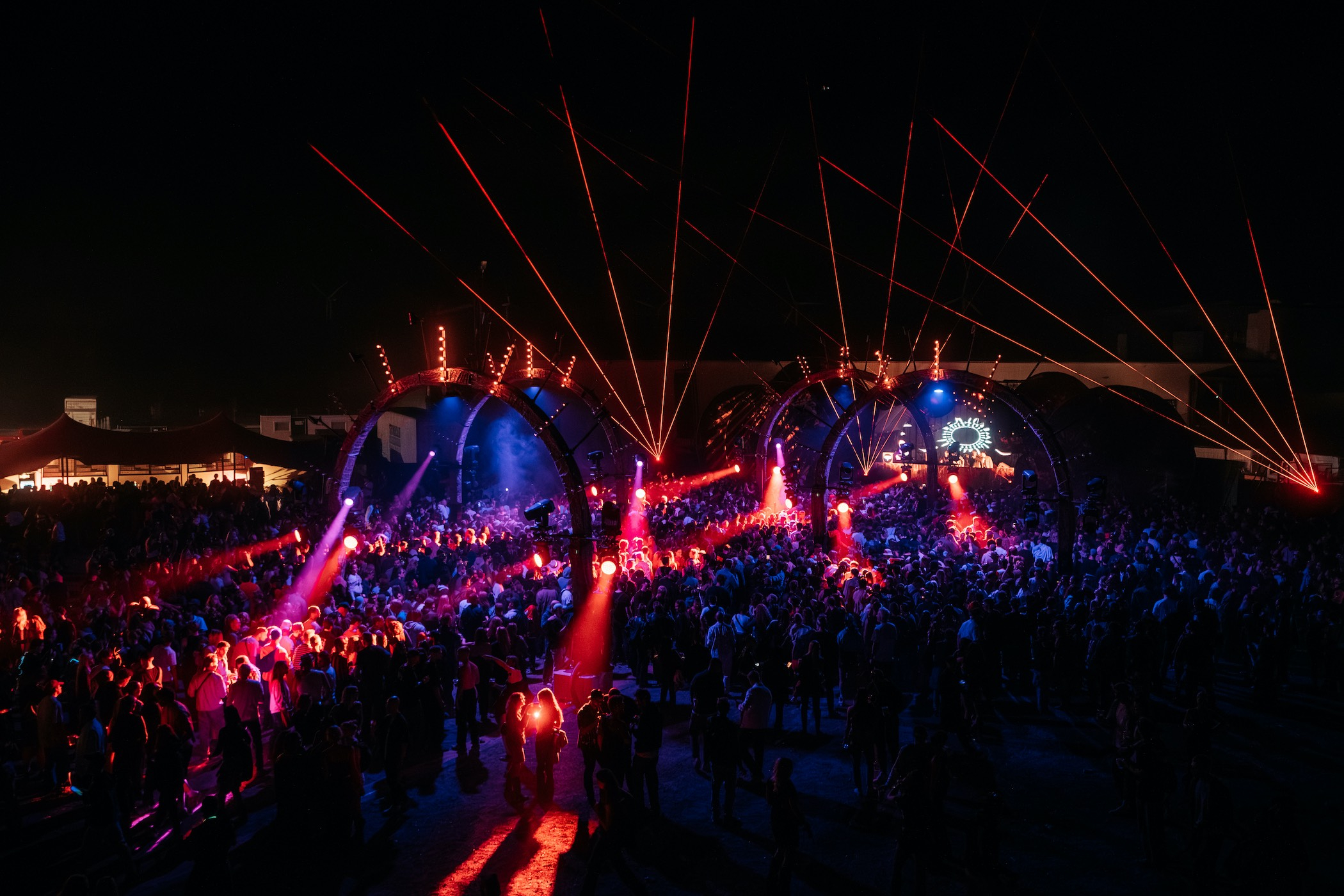
“Traditional moving lights have their place, but I am super excited to see more products coming to the market that we can use to create a sense of space. Small gems that can be placed all over the room help us to create environments that immerse the audience into an artist’s world. Color becomes a big part of that story, as does the ability to capture a moment in the room.”
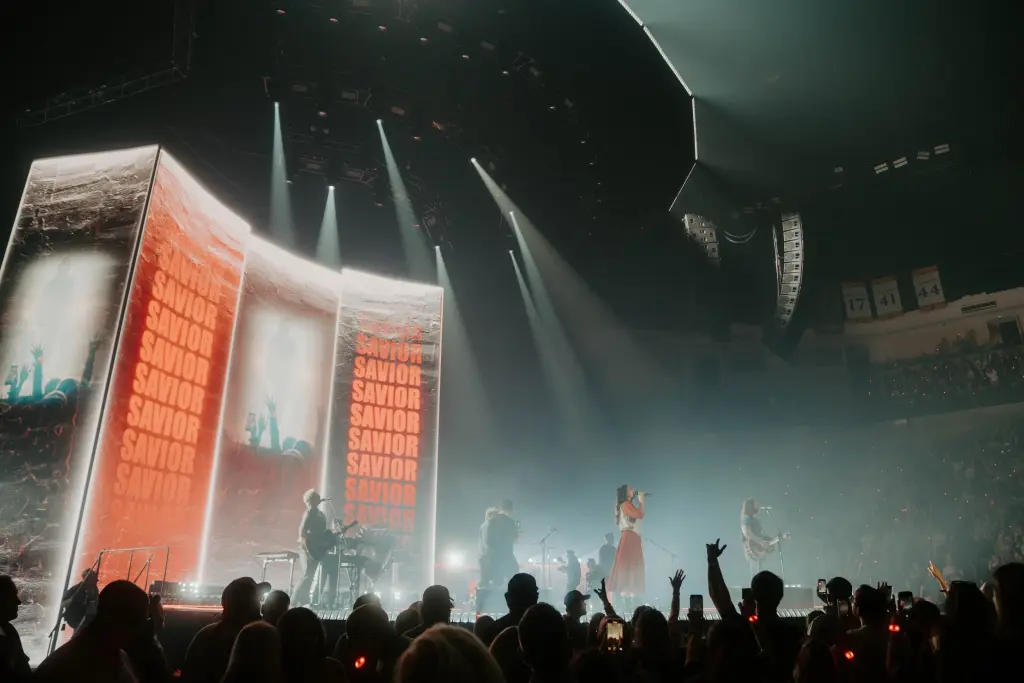
Earlier, we talked about shapes on stage. As you mentioned, for the Brandon Lake tour, you featured two very prominent circles. So, do different shapes carry different meanings for you?
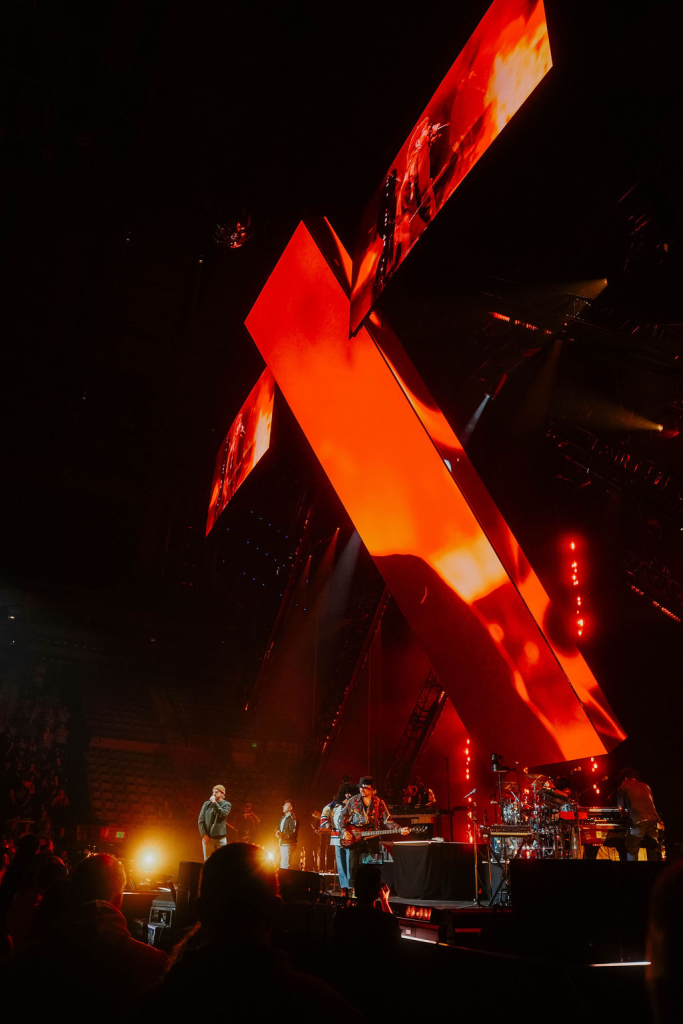
“For sure! In the Christian spaces, there is a constant desire to point people toward the cross. I think we have done that on the Summer Worship Nights projects.
Everything I am working on, I am being as intentional as I can. Considering what we are saying and how we are saying it. I want to push some norms. I haven’t been unleashed to fully do that yet, but I am continuing to push.”
How did you become a lighting designer? Why did you become one?
“Well, I traveled as a kid with my family, and we put on plays. And so, I would have to say that a big reason I got interested in lighting was because of that. I began to see how it could change the look of something so drastically. When lighting is done well, it can move you and help tell a story. So, I thought that was cool the first time I saw a concert with moving lights. I was so excited about what I saw that I realized that it could be a path for me. Getting to use computers to make art sounded really cool! So, I chased that dream, and I am still chasing it to this day.
What do you think you would have done if you didn’t get into lighting design?
“I am not sure. Maybe architecture.”
Your Summer Worship Nights design, which included some scenic input from TAIT, was captivating in the way it featured multiple stage levels. Can you tell us how that came about?
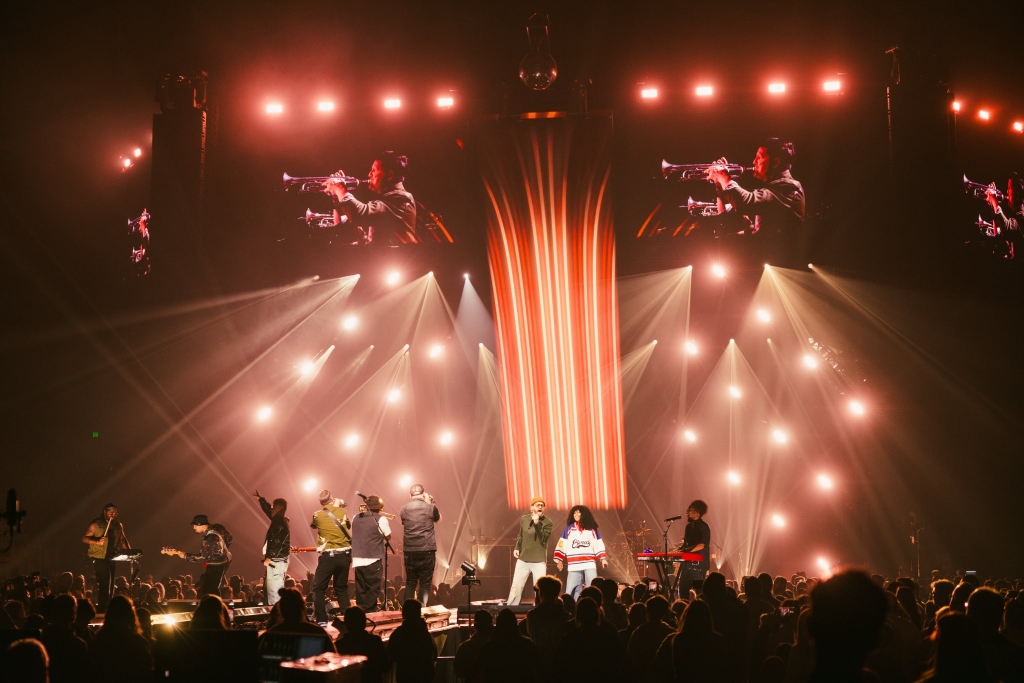
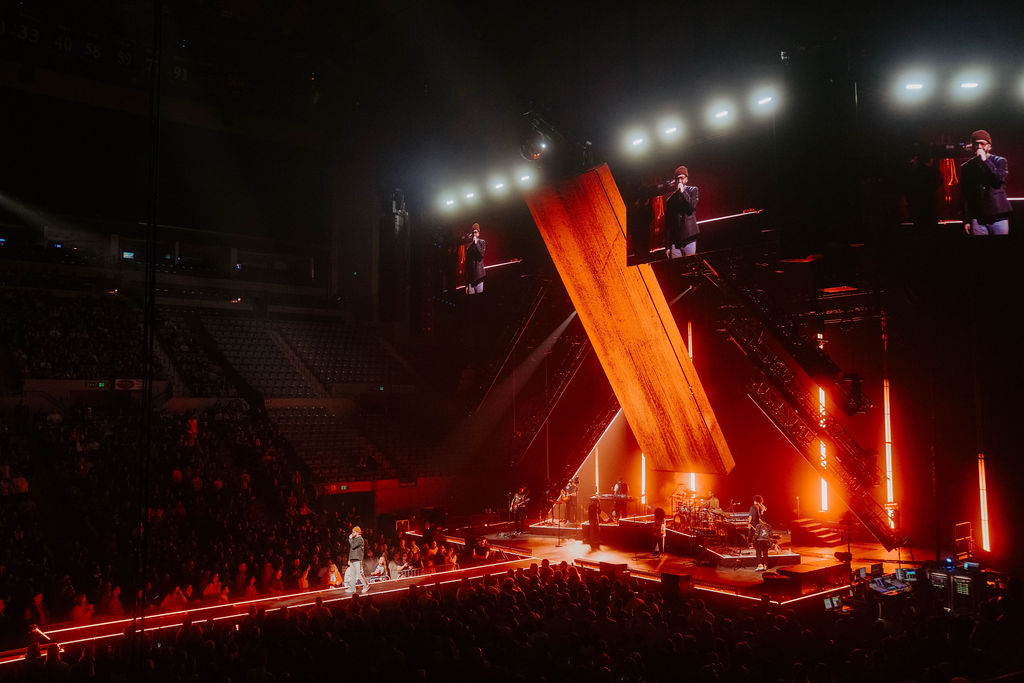
“This plus Phil Wickham. With that tour, I wanted to look at creating a stage that would allow for three things. An in-the-round experience, a performance space for two well-known artists, and an inclusive audience space. I’m really into the artists being able to get close to the crowd. That is something that impacted me when I was young, so I have made a point to include runways that stretch into the audience, which allow for connection!
“In Christian music, it is rare to have an artist who can fill an arena in the round, and I knew this was the year to see this project fill arenas all the way up! Call it a gut instinct. But I pushed really hard for the 360 design to happen. It’s something I have dreamed about doing since I was a kid, but you can’t just do 360 for every show. You have to have the right combination of artists, crew, and audience expectations. The round always creates challenges, and one of the things that I was pumped about was using a video wall to mask all the tech racks, and retractable seating to make each area feel like you were just looking at this massive 3D cross that could hold 350 people in the center of it. Butch Allen was instrumental in helping me get the Cross Stage project over the line, and I am super grateful for his insight as we started our relationship with Tait. “
That show had a beautiful balance of video and light. What do you see as the keys to having video and light work together?
“Call me old school, but I am very much in the camp that LED walls are part of the lighting design. I understand that there are functional things they must do, but overall, they are giant light panels and should be treated with a keen eye by the lighting designer. One of the things I have worked very hard on is maintaining control of the screens. I grew up embracing media servers like Catalyst and Hippo at a young age, so much so that I have invested in owning media server solutions that can service the shows we do. Once we establish who is in control of the screens, then the visuals become cohesive between lighting and screens, which to me is the most important thing. It all becomes one story, instead of two competing departments.”
You do screen design in addition to lighting design. Can you tell us how the two are related? Does your work in one feed on the other?
“So, over the past 15 years, I have been asked to do screen production work on various awards shows and TV specials. It’s a part of my business that I really love. But I would say they don’t really feed each other, but it does give me a chance to sit under some amazing designers and people that I respect. The best part is I get to offer a lighting designer things that I would want to be offered, and sometimes there are challenges that help me grow and learn. I love to learn! Huge tech nerd over here.”
Any thoughts on how you see AI impacting the future of production design?
“Right now, we are beginning to see it help in creating concept or mood board items. In rendering random ideas. I could see a world where the console can help you program or write macro scripts for you. I am using AI to help me write macros for my console. It’s not perfect, but it will get you there.
“I have also used it to conjure up short videos I can use within screen content, which is interesting. Also, generative fill is sick. I think the possibilities are endless. Anything that helps save time and gets the projects done on budget, I’m here for it! But I still think we humans need to be the curators, because I have seen the LLM’s spit out some crazy imagery… Which could be great. If used right.’
What is the one thing you want people to know about you as a designer?
“I hope people see thoughtfulness in the experiences. I’m not really interested in doing status quo work. My heart is to do something in the music space that will make people look up from their phones and pay attention. Then put the attention back on the artists so they can tell their stories.”