All of us are, to some extent at least, products of our times. For this Los Angeles-based designer, the times are, to put it succinctly, the present! Graduating from college in 2019, Ryan Healey did not start his career as a lighting designer until this decade.
For those of his generation, lighting, video, and digital content have always been one tightly connected entity, rather than separate elements in a show. Given this framework, Healey naturally sees himself as “designing environments rather than individual systems.”
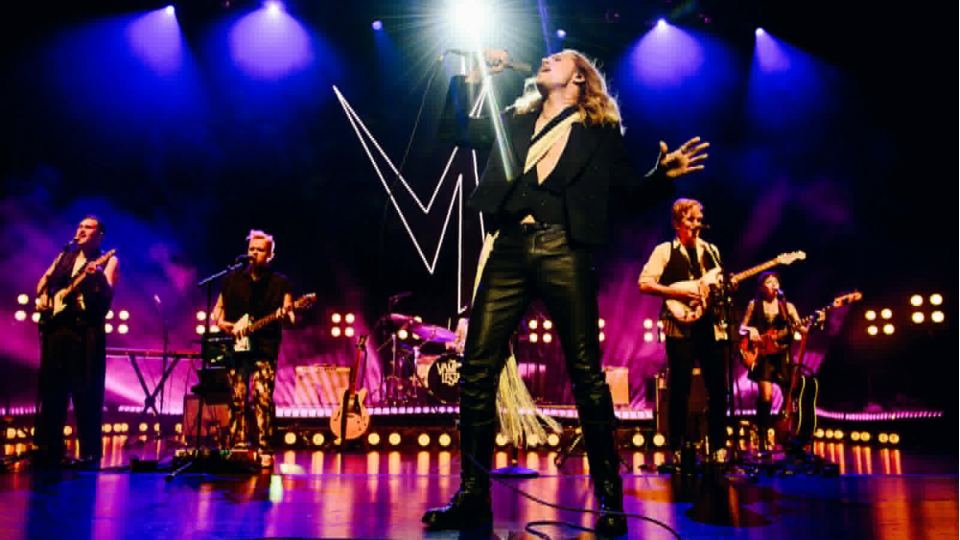
This connective vision is readily apparent in the work he’s already done for an impressive list of clients in his still very young career – a group that includes the likes of Mary J. Blige, Toni Braxton, Cedric The Entertainer, Leslie Odom Jr. and Ben Platt.
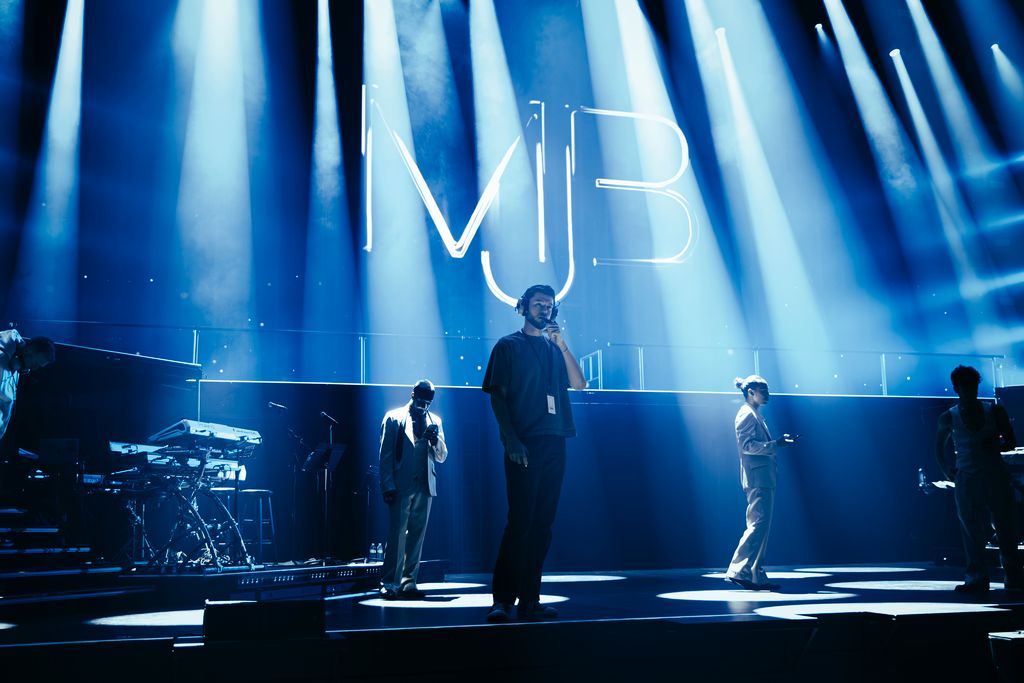
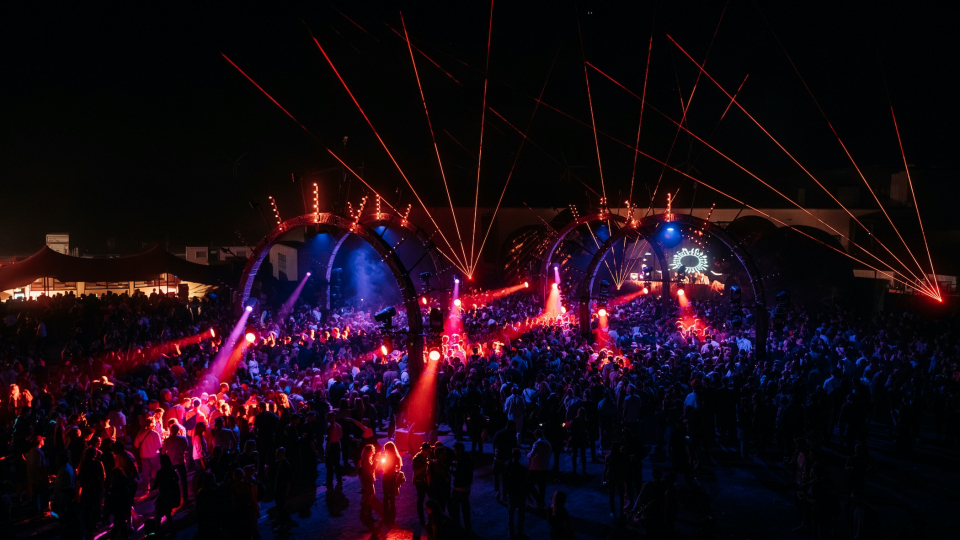
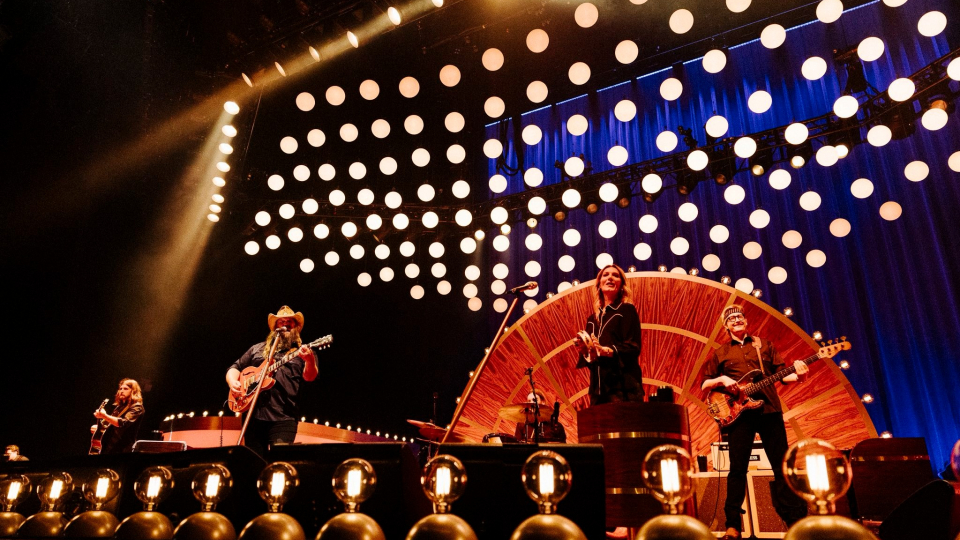
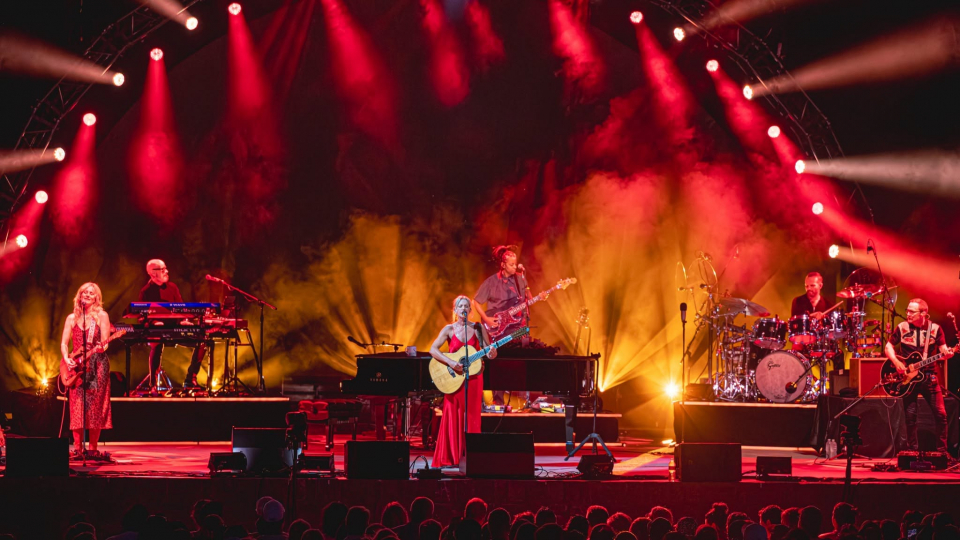
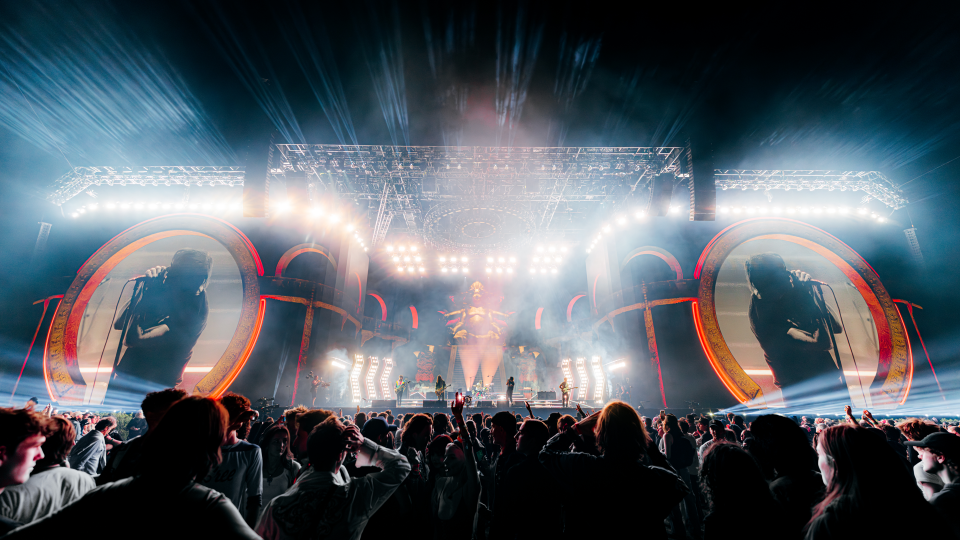
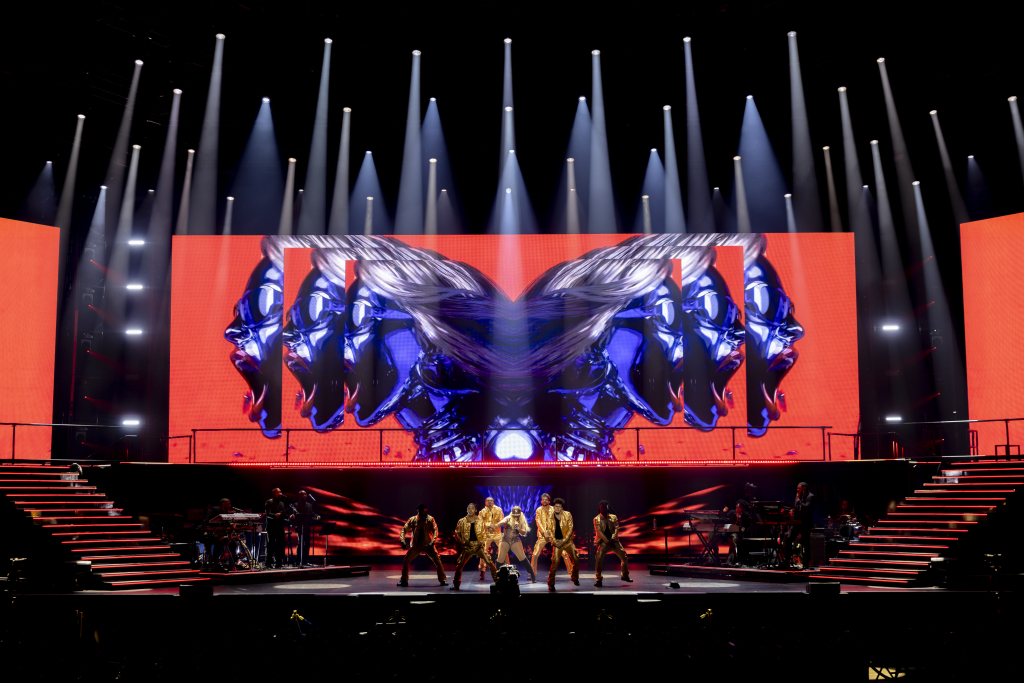
Virtually no element in Healey’s work lives in isolation. Like pieces of an intricate puzzle, each derives meaning from the others. So, video walls are often bordered by light, and scenic pieces and a section of the deck may flow in visual harmony with the same color wash– all in the name of creating a supportive setting for the artist on stage.
Although Healey’s vision is guided by very contemporary sensibilities, his designs themselves are also infused with timeless realities, often learned from mentors like Matt Firestone. Among them is the value of restraint. Just because technology has given him a tool, Healey feels no need to use it if it doesn’t add anything to the environment he is seeking to create.
Healy, who is part of the multi-award-winning 22 Degrees team, spent time with us in the middle of his work on Mary J. Blige’s Las Vegas residency to talk about the power of connective design.
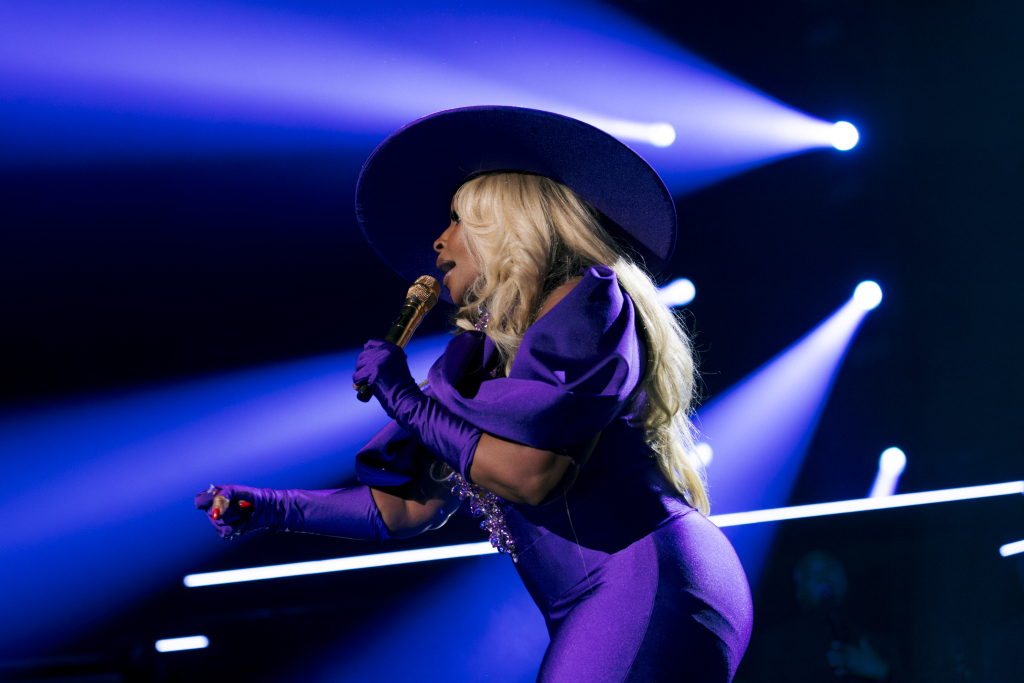
You’re in the middle of lighting a Las Vegas residency for Mary J. Blige. Earlier you designed a residency for another icon, Toni Braxton with Cedric The Entertainer. How would you say the two shows differ? What’s responsible for that difference?
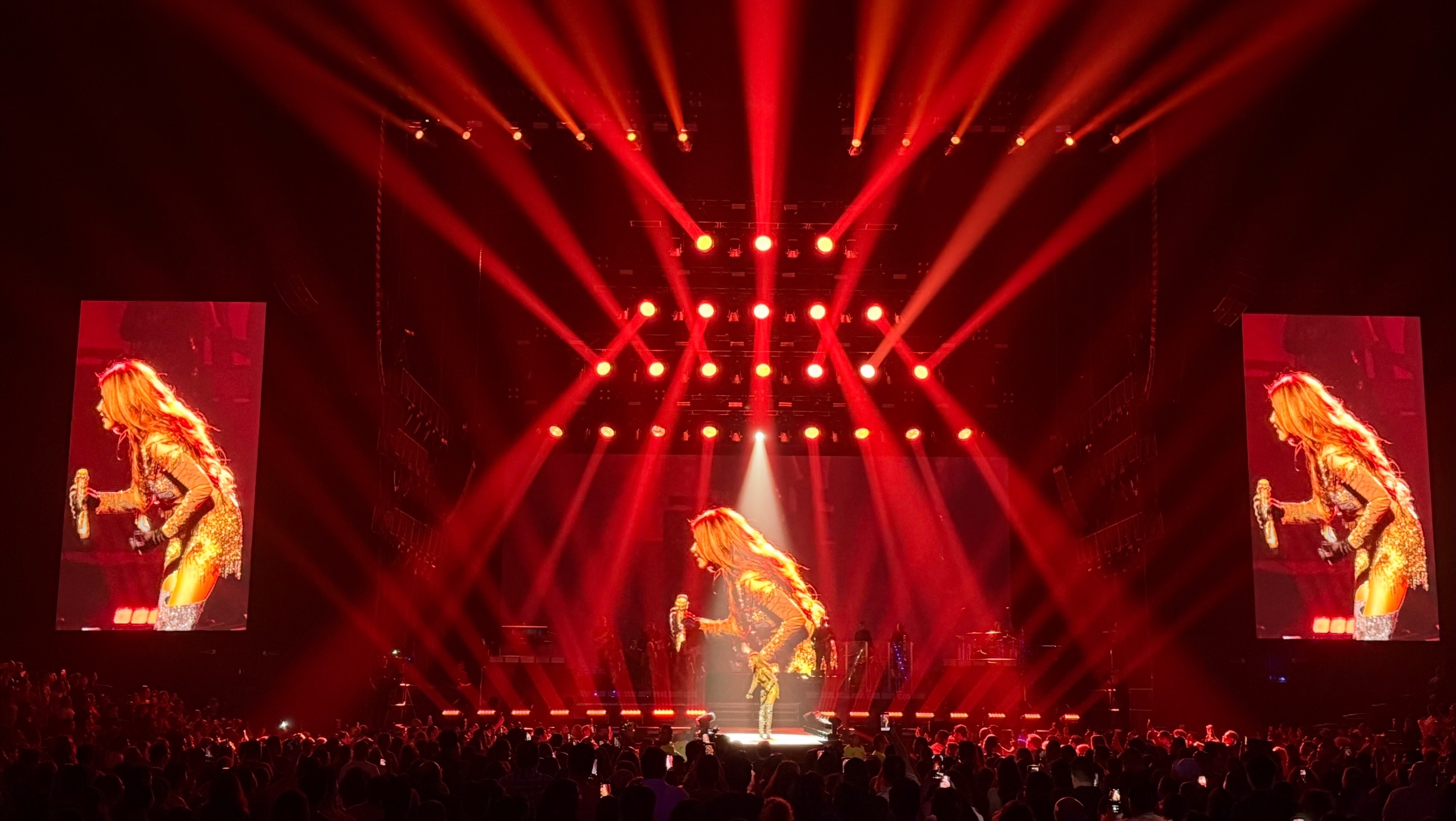
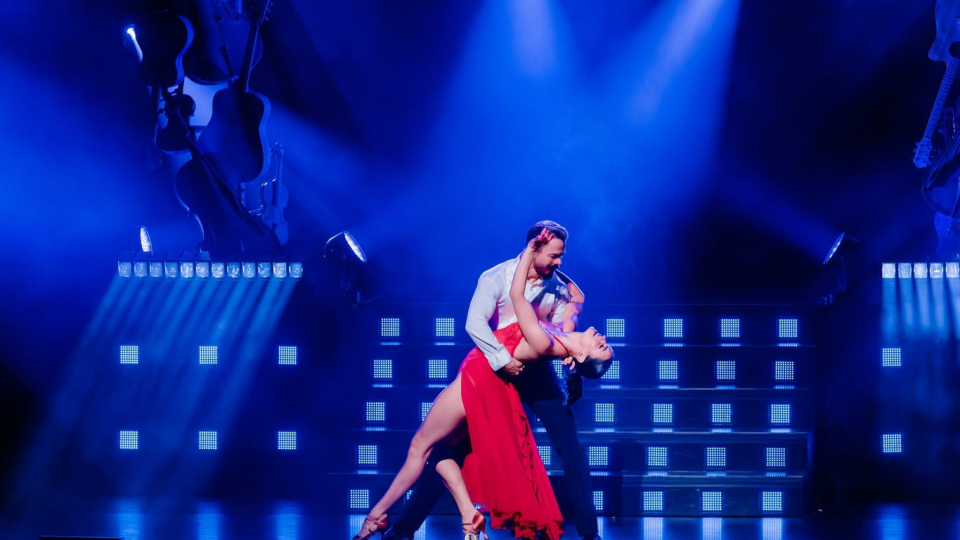
“They’re very different shows because they’re built around very different artists, stories, and venues. The Toni Braxton and Cedric residency was designed around contrast. You had Toni’s elegant, emotional musical moments paired with Cedric’s comedy, so the show was constantly shifting gears. The design needed flexibility and a sense of fun.
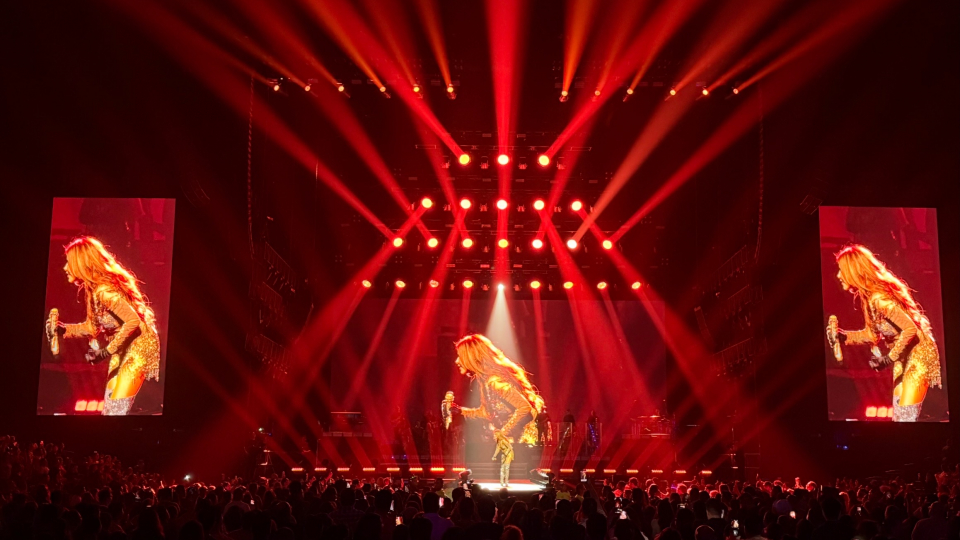
“Mary’s residency is much more of a narrative. It traces different chapters of her life and career, so the lighting is less about individual moments and more about creating a visual journey. The music, the themes, and Mary’s persona all play a role in that. She has such a strong identity as an artist that the design naturally grows from her story.
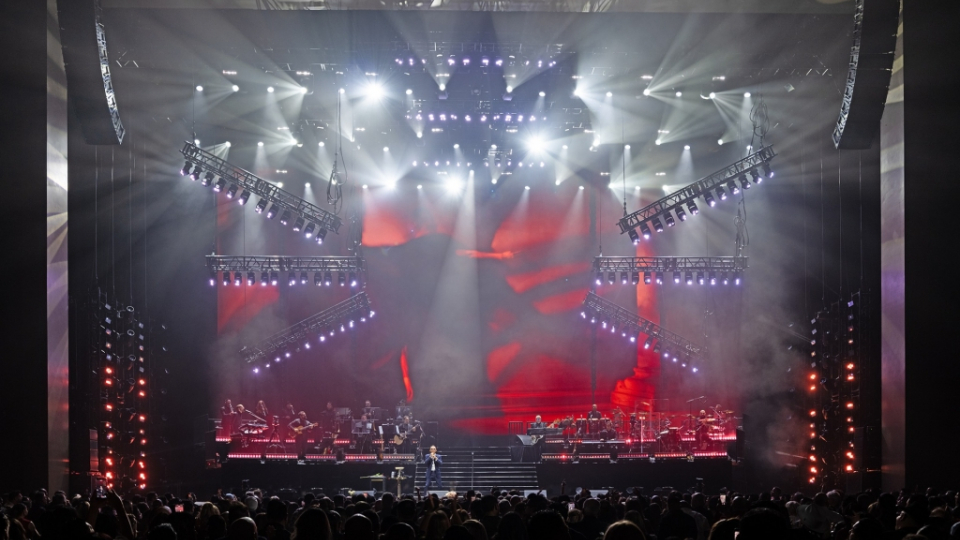
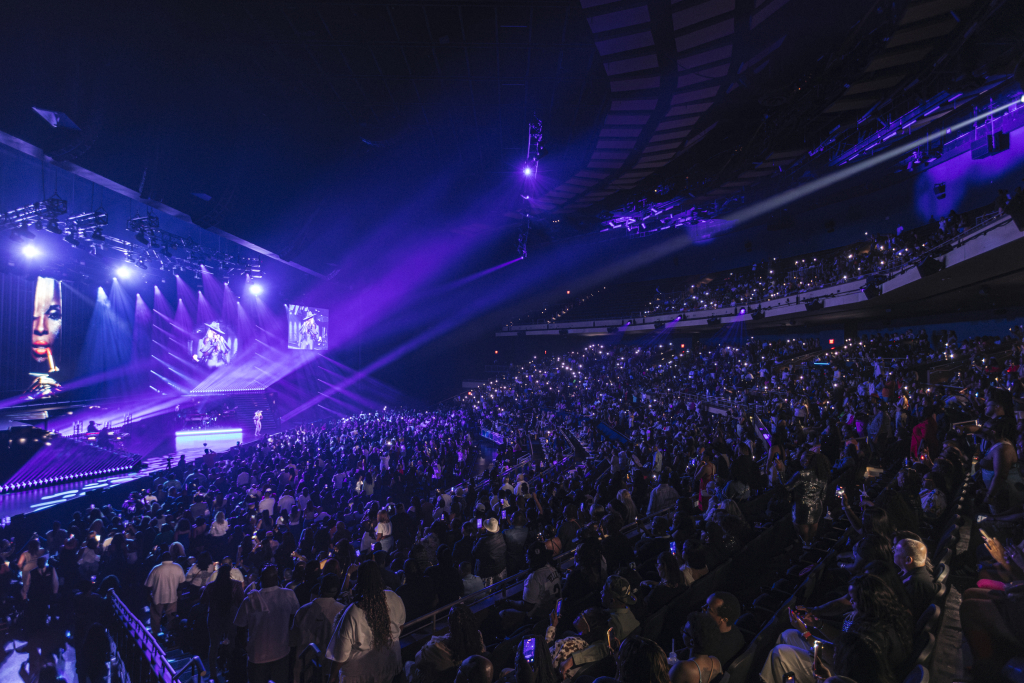
“Also, the venues themselves had a huge impact on the design. Mary’s stage is roughly twice the size of the stage we had for Toni and Cedric, the room is significantly larger, and the setlist is nearly twice as long. Filling a room of that scale takes a lot of fixtures, but it also takes a lot of ideas. When you’re asking an audience to stay visually engaged for a show of that length, you’re constantly looking for new ways to create variety, depth, and visual interest without losing the overall identity of the production.
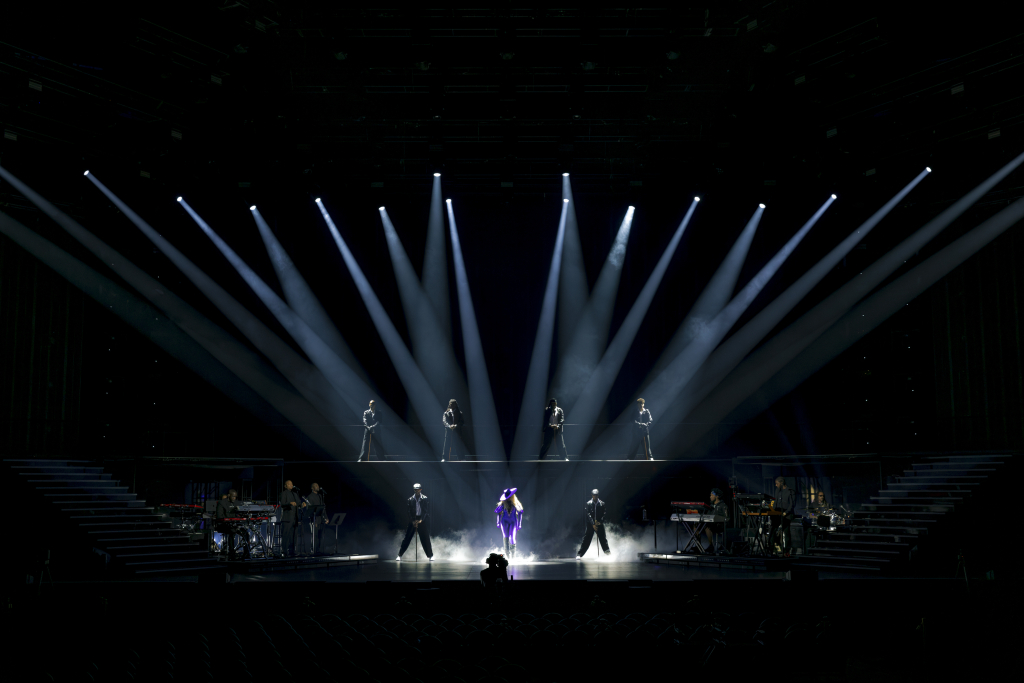
“Ultimately, the artist is always the biggest influence on the design, but the scale of the venue and the scope of the show absolutely shape the way those ideas come to life.”
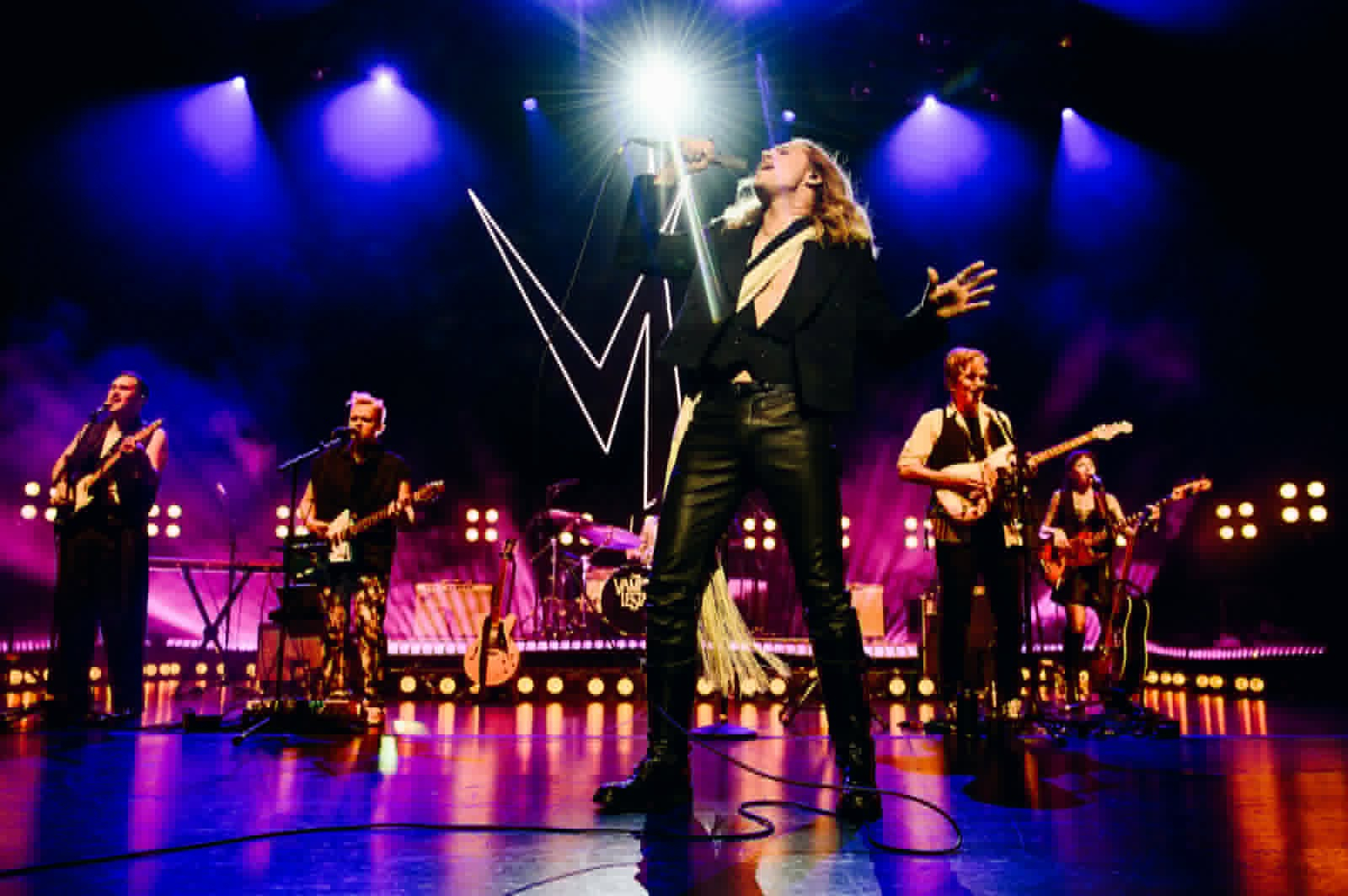
Much of your work has an asymmetrical quality. For example, we’re thinking of your designs for Ben Platt at LA’s Ahmanson and Leslie Odom Jr.’s Christmas Tour, where you often had a section of the stage in bright light while the remaining section was in shadows. What do you feel asymmetry brings to a design?
“I think asymmetry creates tension and focus. Real life isn’t perfectly balanced, and I’ve always been drawn to designs that feel a little less predictable. When everything is centered and symmetrical, the audience understands the picture immediately. Sometimes that’s exactly what you want. Other times, leaving part of the stage in darkness or shifting the visual weight to one side creates curiosity. It gives the eye somewhere to travel and allows a scene to feel more dynamic, even when very little is happening.”
Along those lines, what role do dark space and shadows play in your work?
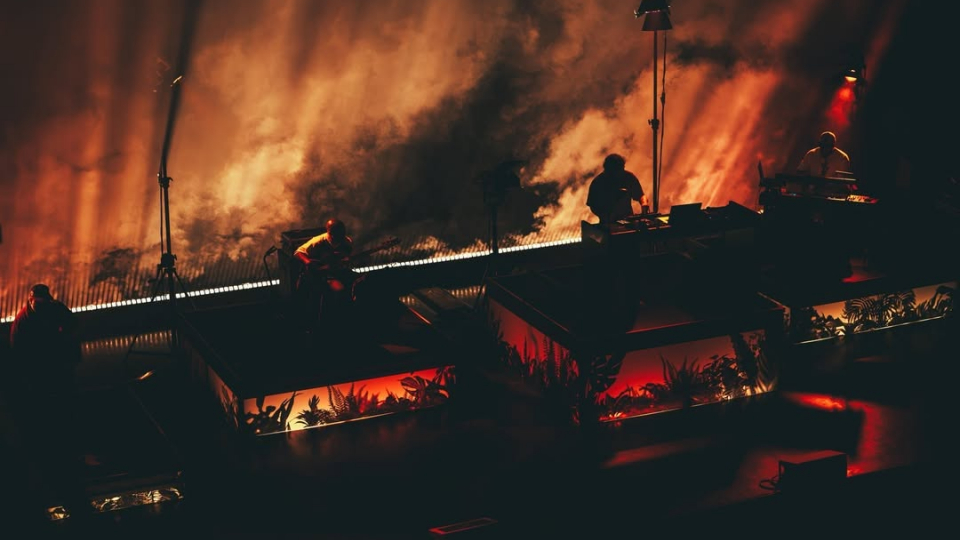
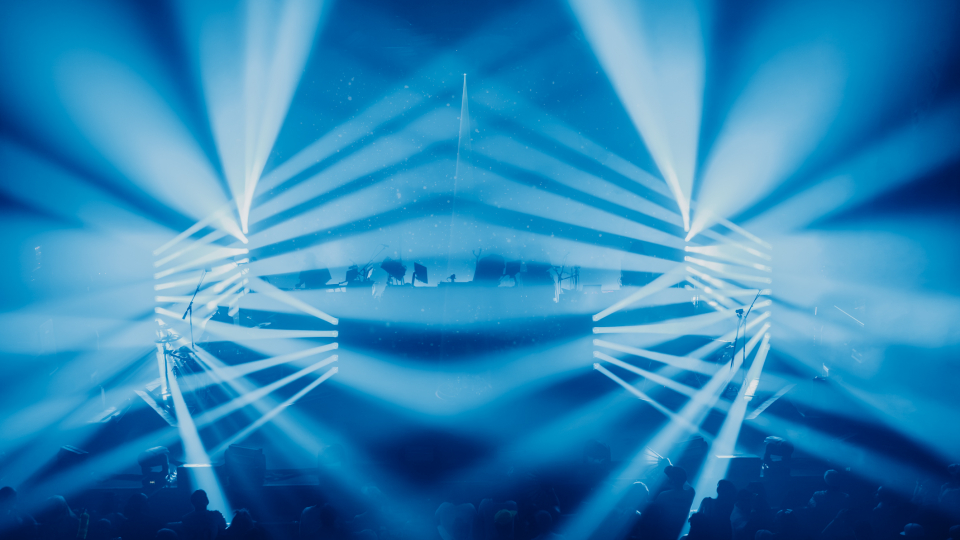
“Darkness is one of the most powerful tools we have as lighting designers. We spend a lot of time talking about light, but light only has meaning because darkness exists around it.
I often think of shadows and negative space the same way a graphic designer thinks about white space on a page. Not every inch of the stage needs to be illuminated. Sometimes what you choose not to show is as important as what you do show. Darkness creates scale, depth, mystery, and contrast. It also gives the audience a chance to focus on exactly what matters in a given moment.”
Let’s say you’re sitting on a plane and you strike up a conversation with the person next to you. You tell them you’re a lighting designer, and they ask, “What exactly does that mean?” What do you tell them?
“The short answer is that I help shape how an audience experiences a performance. Lighting affects what people look at, how they feel, how they perceive space, and how they connect with a story. My job is to work with the artist and creative team to create a visual language for a show. That includes everything from the placement of fixtures and the architecture of the rig to the color, timing, and movement of light during a performance. Most people notice lighting when it goes wrong. The goal is usually to make it feel so natural that the audience simply experiences the show.”
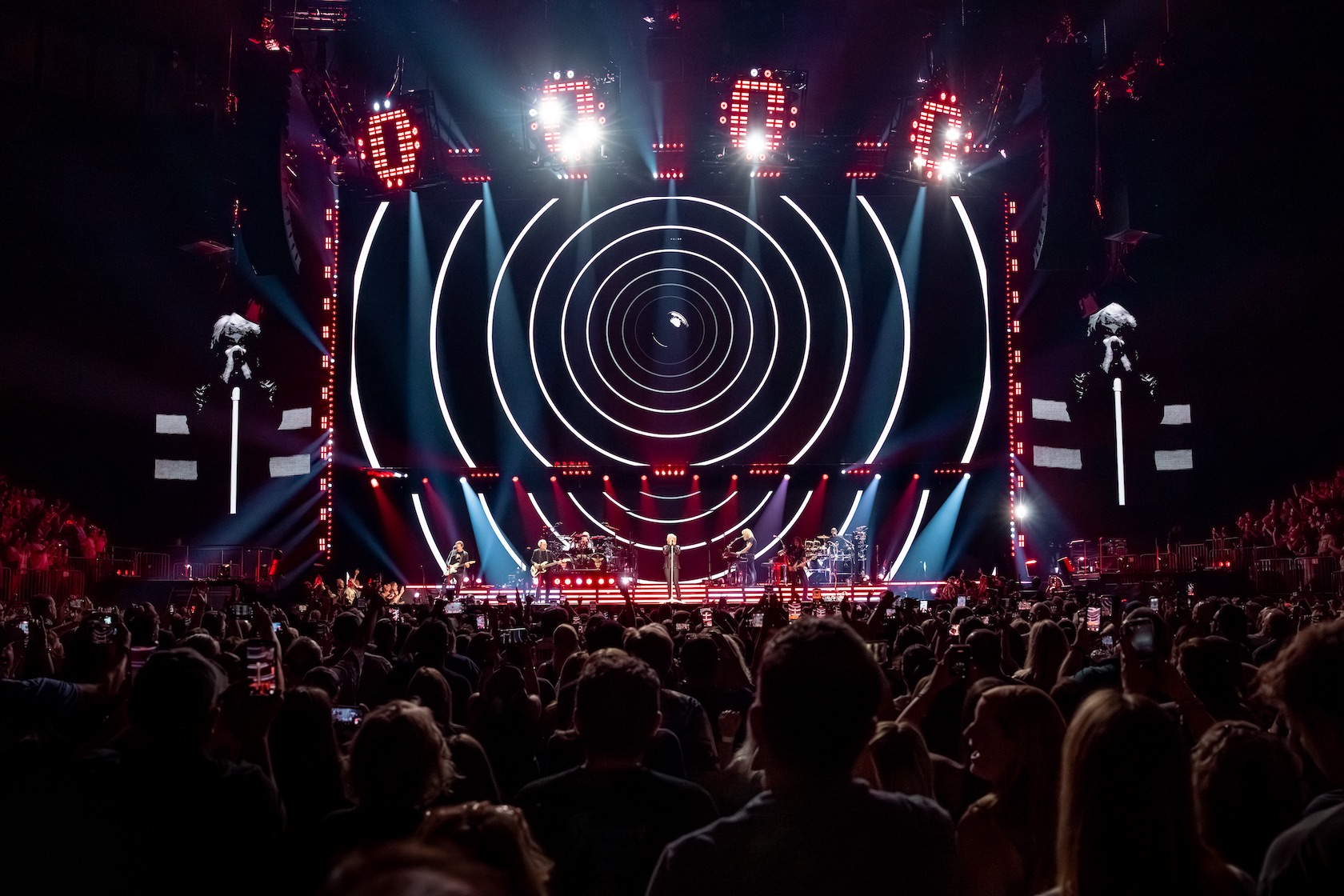
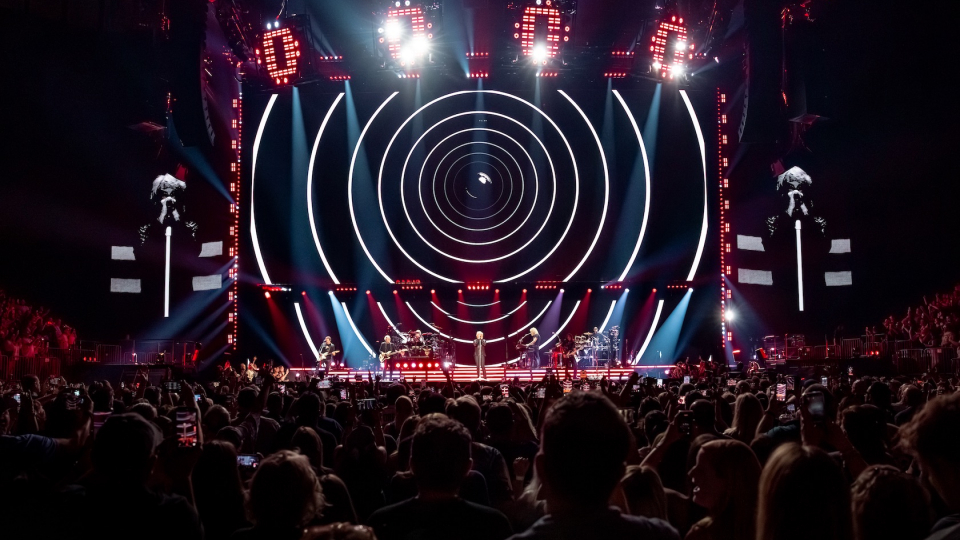
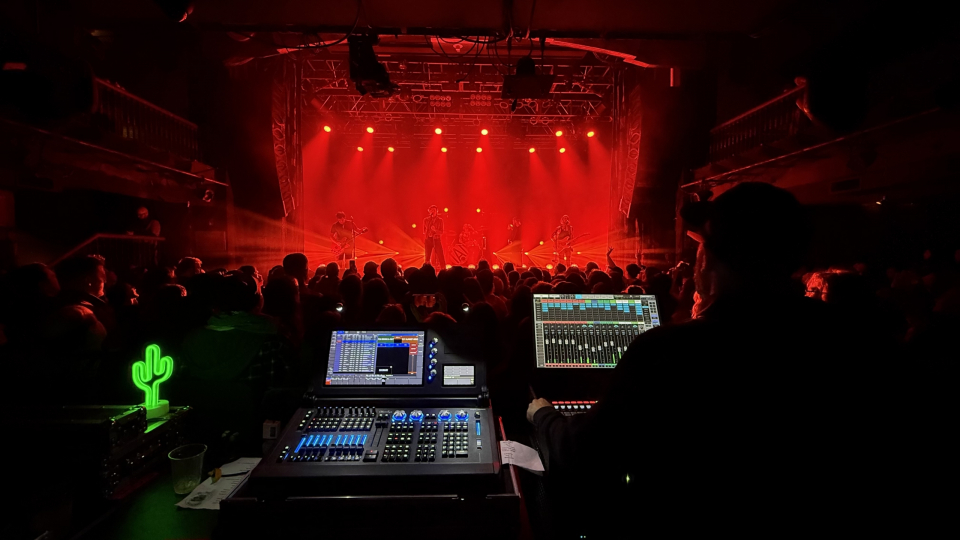
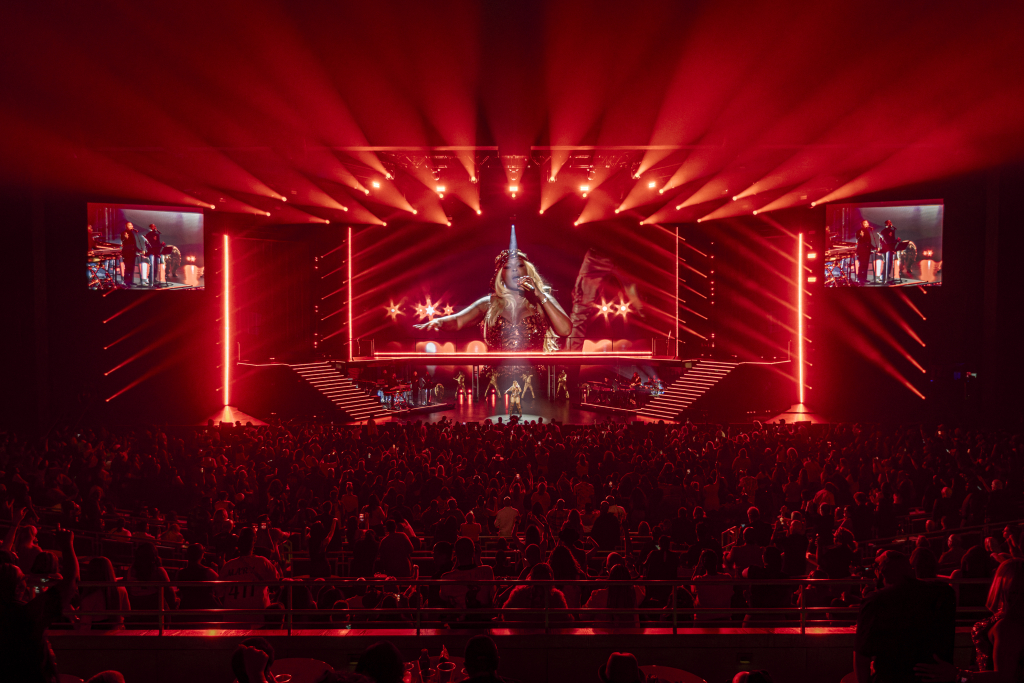
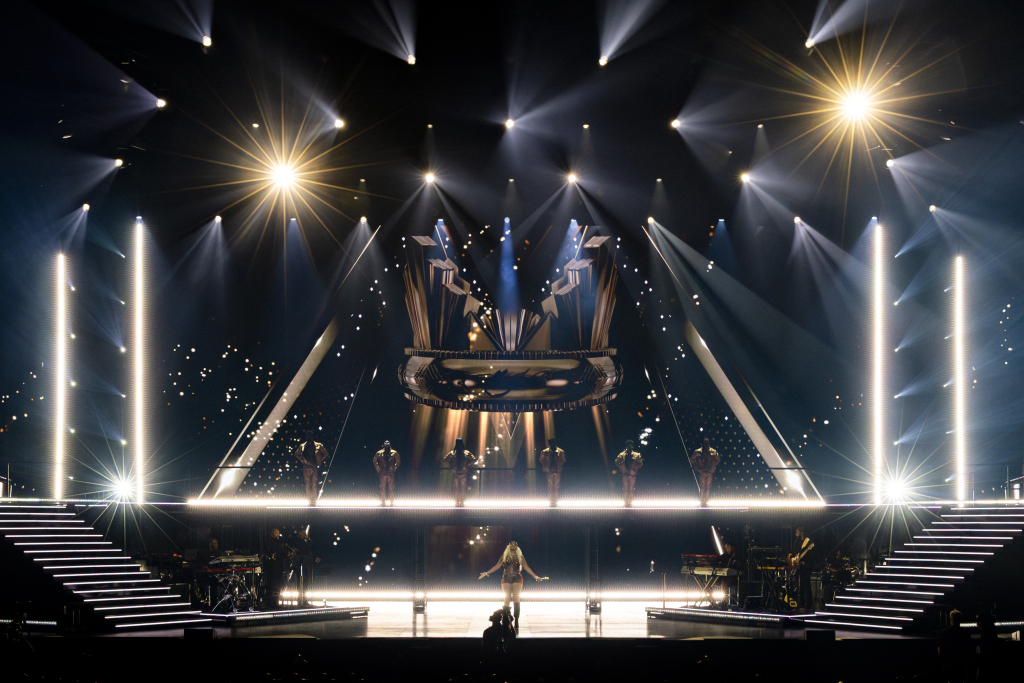
A moment ago, we mentioned Mary J. Blige’s My Life Story residency. We were really impressed with how you used battens to define the architecture of the stage in that show. You often frame space or video walls with light in your designs. What does this kind of “architecture” add to a design in your view?
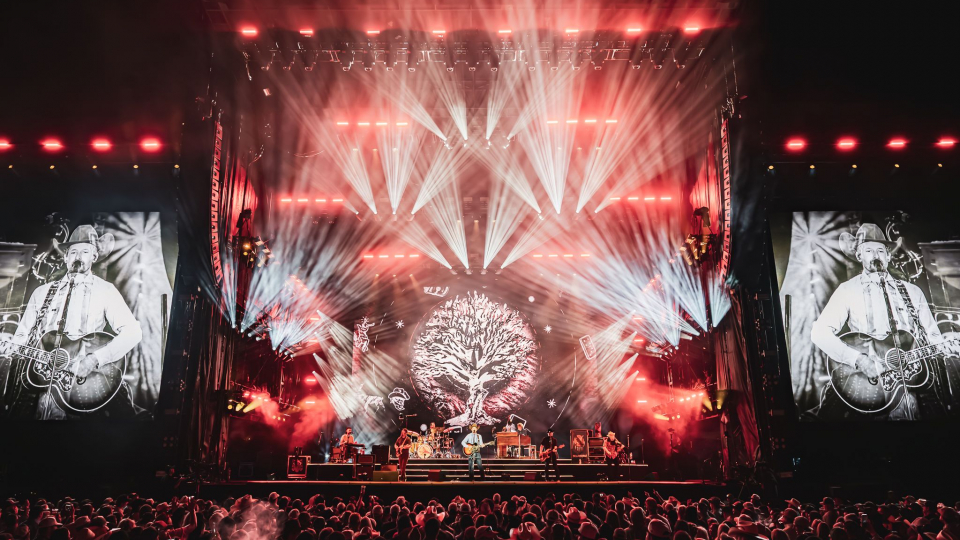
“I’ve always been interested in making light part of the architecture of a stage. Too often, scenic elements become places to mount fixtures or hide technology. I’m more interested in how lighting can define the space itself and become part of the environment the audience experiences.
“When you frame a video wall or define a performance area with any fixture, light becomes part of the set design. It helps organize the visual composition and gives the stage structure. It also allows the design to feel dimensional. Instead of looking at a flat screen, the audience experiences a space with depth and layers.”
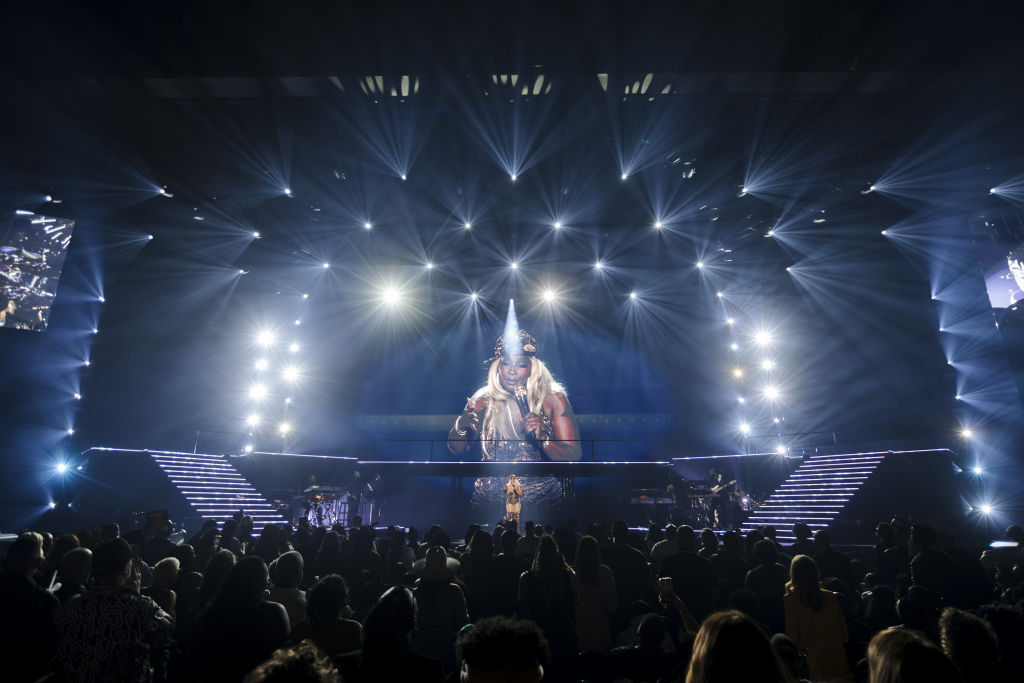
Speaking of the Mary J. Blige residency, as its name implies, it is a narrative of her legendary career. Did you see your lighting as telling a narrative in that residency, or was it just a matter of lighting each song on its own as a separate entity?
“Absolutely. Every song still needed to work on its own, but there was a larger story we were trying to support. The residency follows the arc of Mary’s life and career, so we spent a lot of time thinking about how the visual language evolved throughout the show. Certain chapters feel more intimate, while others feel celebratory or triumphant. The lighting was designed to support those shifts. Ideally, the audience feels that progression even if they aren’t consciously analyzing it.
“Most of the acts are built around large medleys, which added another layer of complexity. Those songs needed to feel like they belonged in the same visual world while still giving each song its own identity. It became a balancing act between keeping the larger narrative at the forefront and creating enough contrast and dynamics for each song to feel distinct.”
You graduated from college in 2019. What was your degree in, and how has this experience shaped your work?
“I graduated from Emerson College with a degree in Theatre Design & Technology and a focus in lighting design. At the time, I was eager to get to Los Angeles and start working, so I figured I’d expedite that by spending my final semester at the LA campus on Sunset Boulevard. One of the most valuable things Emerson taught me was how to communicate ideas visually. Every project required us to present concepts, defend design choices, and collaborate with directors, scenic designers, costume designers, and other members of the creative team. It wasn’t enough to have a good idea. You had to articulate it clearly and bring other people along with you.
“I also learned to think beyond lighting as an isolated discipline. Whether I’m designing a television special, a concert, or a residency, I’m always considering how lighting interacts with scenery, video, cameras, and performance. Emerson reinforced the idea that the strongest designs happen when all of those elements are working together toward the same goal. That perspective has stayed with me throughout my career. More than teaching me how to light a stage, Emerson taught me how to collaborate, communicate, and contribute to a larger creative vision.”
So, it was less than seven years ago that you graduated. You’ve amassed quite an impressive résumé in a pretty short time. What do you attribute your success to?
“A combination of curiosity, preparation, drive, and being fortunate enough to work alongside talented people. I’ve always tried to approach every project as an opportunity to learn something. Early in my career, I spent a lot of time observing how experienced designers, programmers, directors, and producers worked. I still do. This industry is incredibly collaborative, and most opportunities come from relationships and trust.
“I’ve been fortunate to have people who believed in me and gave me opportunities early in my career. Those people helped show me both how rewarding this business can be and how much it demands from you. I’m incredibly grateful for the foundation they helped build.”
Has there been one project that has been most important in shaping your early career?
“There have been several projects that played a major role in shaping my career, so it’s difficult to point to just one. That said, working on the Grammy Salute to Prince alongside Matt Firestone stands out as a particularly important moment. It was one of the first times I really stepped back and realized the scale of what this industry can be. We were celebrating one of the most influential artists of all time, surrounded by legendary musicians performing legendary music. It was one of those genuine pinch-me moments.
“Up until then, I was focused on learning the craft, observing, and building a career. That project made me think bigger. It showed me how powerful live entertainment can be and how many people it can reach. It lit a fire in me to pursue projects that have that kind of cultural impact and to contribute to work that people remember for a long time after they see it.”
When you started as a lighting designer, the digital age was already in full swing. LED technology was already well established in lighting and video. How do you think this has shaped your vision, compared to that of someone who started in an earlier era?
“For my generation, lighting, video, and digital content have always existed together. I don’t really see them as separate disciplines. We design environments now rather than individual systems.
“At the same time, there are so many fixtures and technologies available today that can do almost anything. That abundance creates a different kind of challenge. Just because we can do something does not always mean we should.
“I think restraint has become just as important as innovation. At the end of the day, you are serving the needs of the artist and the show. The technology should support the idea, not overwhelm it. The fundamentals still matter. Composition, storytelling, contrast, rhythm, and emotion remain the core of the work. The tools have changed, but the responsibility to use them with intention has not.”
What do you think lighting design will look like when you celebrate your 20th college class reunion?
“The tools will continue to evolve, and we’ll see greater integration between lighting, video, automation, and real-time content systems. AI will likely become part of certain workflows as well. What I don’t think will change is the need for human taste and creative judgment. Technology can generate options. Designers still need to decide what serves the story, the artist, and the audience.”
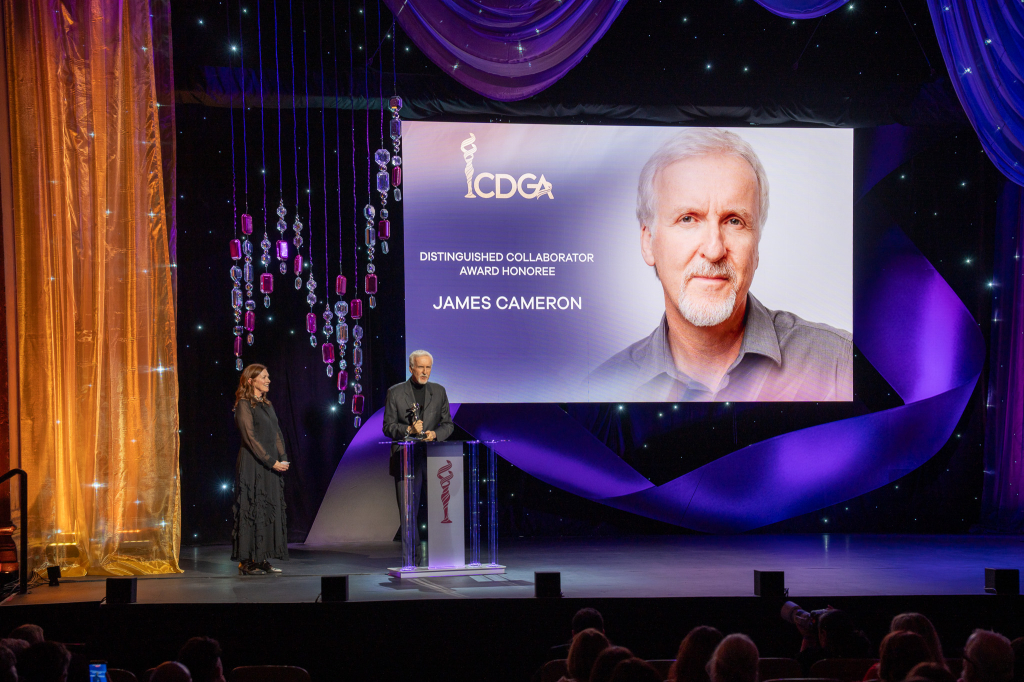
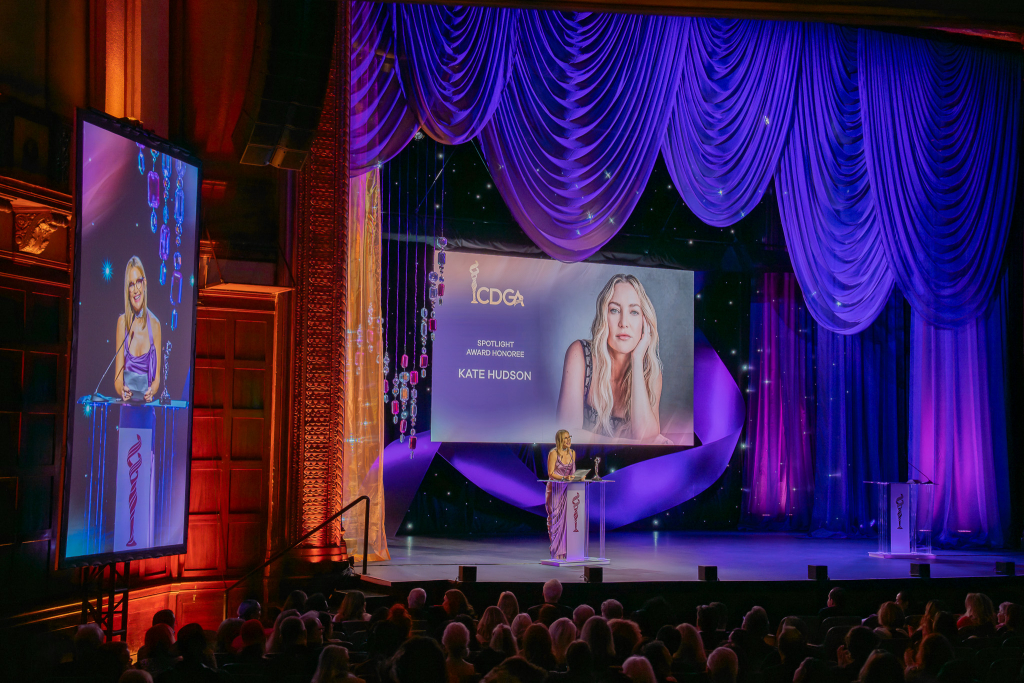
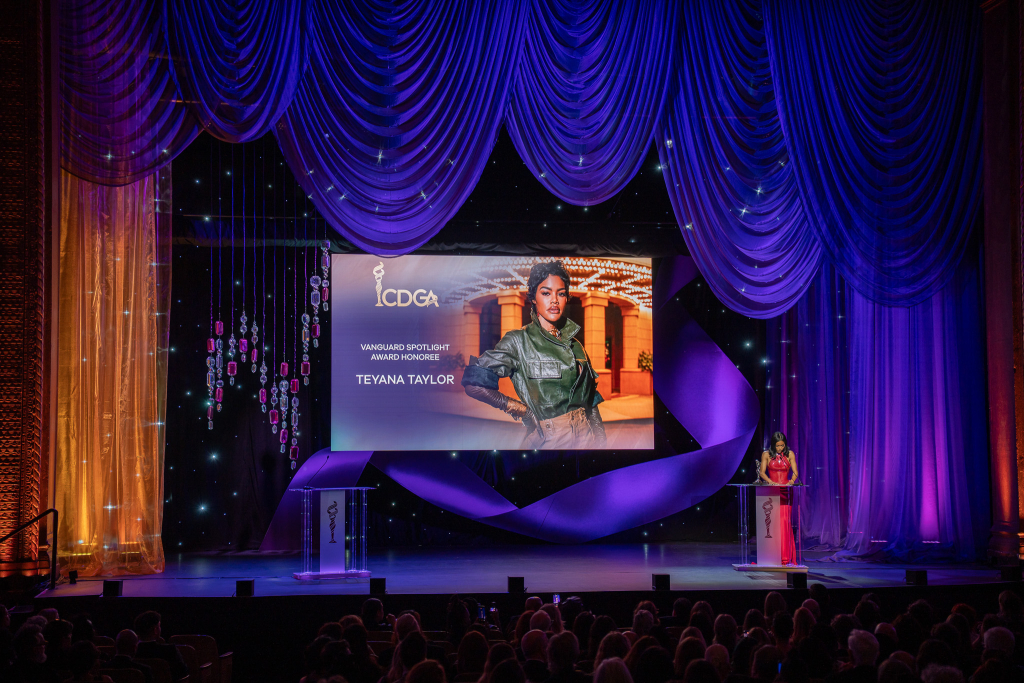
You’ve done quite a bit of work at award ceremonies. How does that differ from lighting residencies and tours?
“Award shows are a constant exercise in adaptation. You might be designing for dozens of performances and presenters in a single night. Everything moves quickly and every second counts.
“The biggest difference is that you are not designing for one artist or one story. You are designing a system that has to support many different visual worlds in a very short period of time. One moment you are lighting a pop performance, the next you are in a stripped-down acceptance speech, then a full production number with complex camera moves. That forces you to think in layers and contingencies. You build multiple key light scenarios, multiple act looks, and transitions that can happen instantly without breaking the flow of the broadcast. Nothing can rely on perfect conditions or long resets. Everything has to work in motion.
“A residency or tour gives you time to build a complete visual language and refine it over weeks or months. You can lean into structure, repetition, and development. Award shows are the opposite. They are about preparation meeting unpredictability, and the design has to stay flexible enough to absorb that in real time.”
You mention key light scenarios. What is the key to key lighting?
“The best key lighting feels invisible. The audience shouldn’t be thinking about whether or not someone is lit well. They should simply connect with the person on stage or camera.
A big part of successful key lighting is preparation. Especially on award shows, you’re rarely dealing with a single key light solution. Different presenters, performers, staging positions, camera angles, and blocking all require different approaches. You need multiple key light scenarios built into the design so you can adapt in real time depending on who’s on stage and where they’re standing.
“I also don’t think there is one universal approach to key lighting. The way I light an award show isn’t necessarily how I would light a concert, a residency, or a corporate keynote. Each environment has different constraints and priorities. Camera sensors, scale, available play space, throw distance, scenic elements, and audience perspective all influence the solution. The goal is always the same: help the subject look their best while supporting the overall visual language of the show. You also have to establish trust with the talent. They need to know you’re paying attention, adapting when necessary, and doing everything in your power to help them look and feel their best.”
How do you get inspired at the start of a project?
“I usually start by listening. If it’s a concert, I listen to the music repeatedly. If it’s a narrative project, I read and research. I spend a lot of time looking beyond lighting for inspiration. Architecture, photography, film, fashion, graphic design, and even everyday environments often influence my work more than other lighting designs do. I try to understand what makes the project unique before thinking about fixtures or technology.”
Is there one part of design that you find most challenging?
“Knowing when to stop. Most designers have more ideas than they can use. The challenge is editing. It’s easy to keep adding layers, effects, and visual complexity. The harder task is deciding what truly supports the project and letting everything else go.”
What is the one thing you want people to know about you as a designer?
I want people to know that I’m always looking at the bigger picture. Lighting doesn’t exist on its own. It’s one piece of a larger experience. Whether it’s a television special, a residency, a tour, or a corporate event, I’m always thinking about how lighting interacts with the scenery, video, cameras, and performance. The projects I’m most proud of aren’t necessarily the biggest ones. They’re the ones where every element feels connected and the audience walks away remembering the experience as a whole, not any one department.”