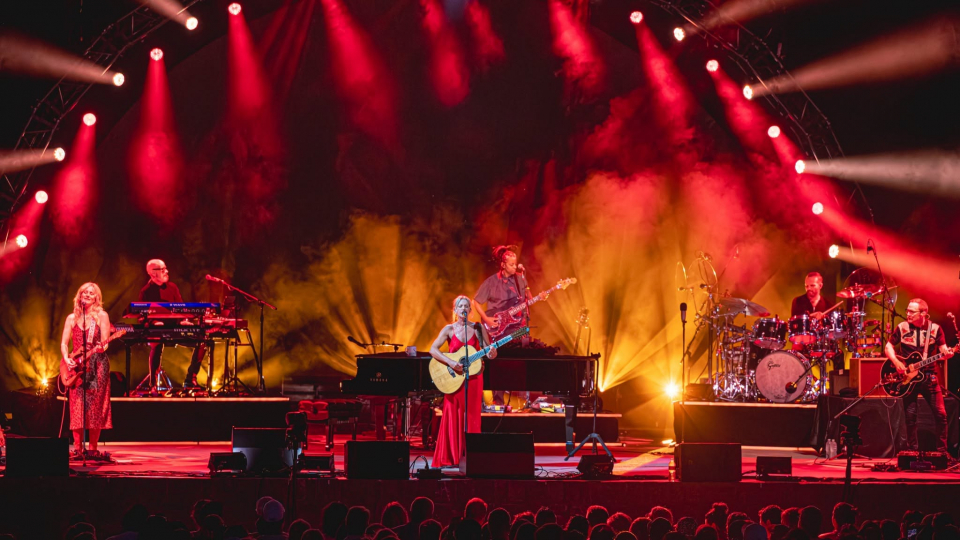
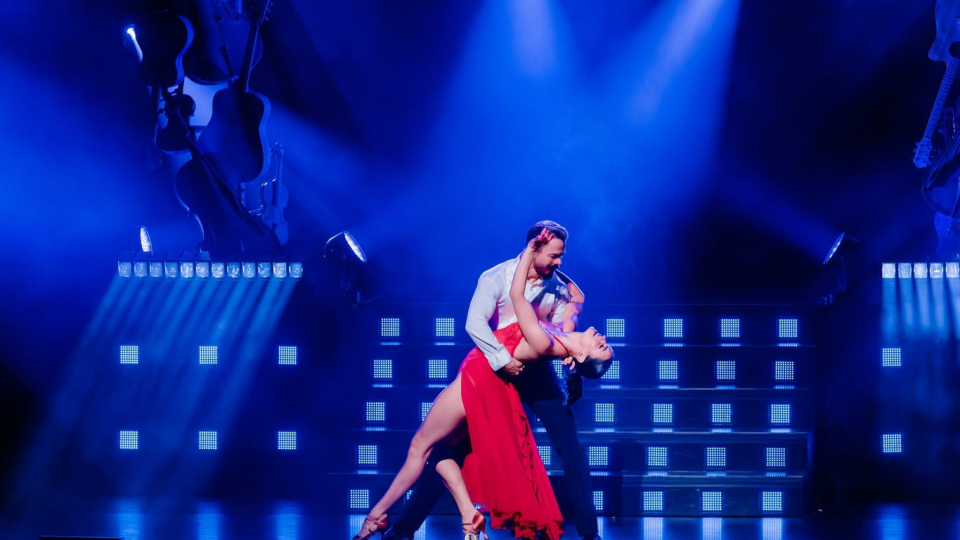
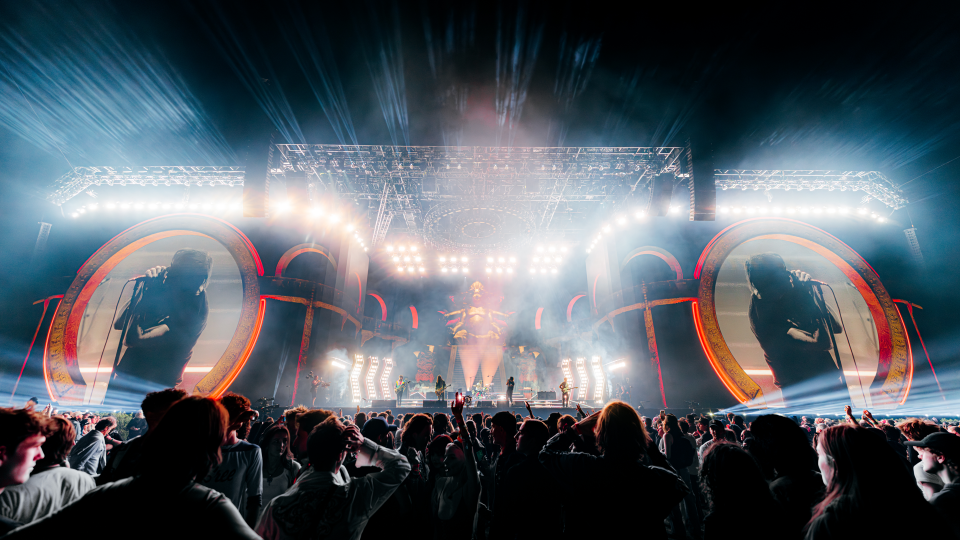
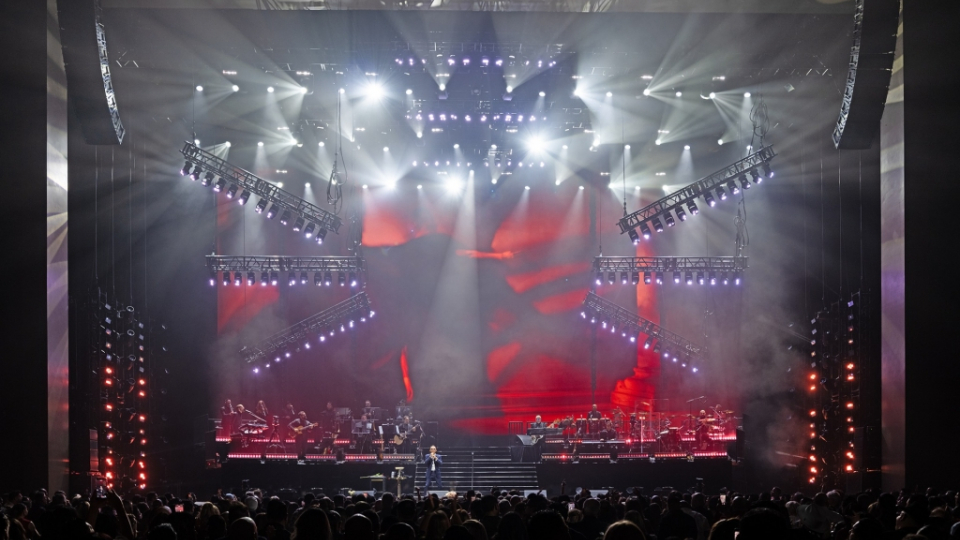
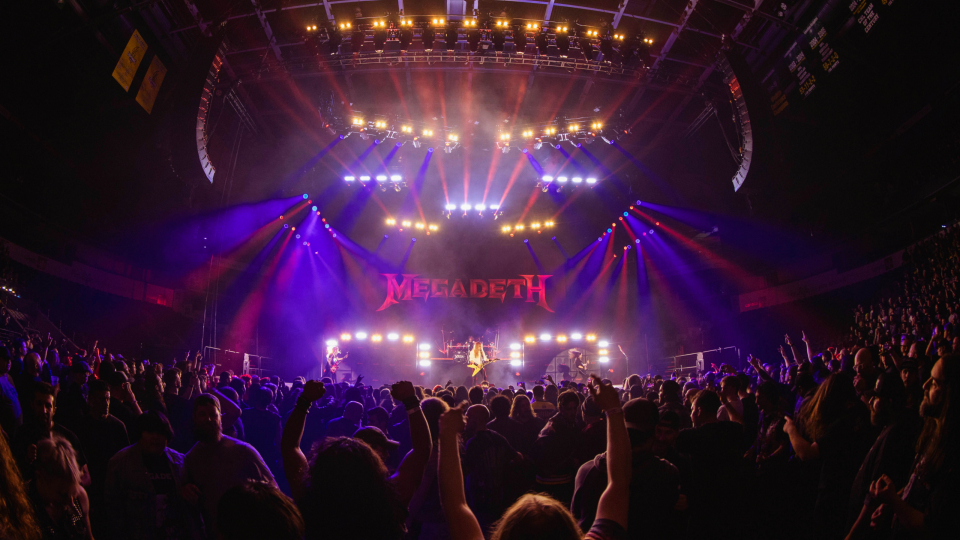
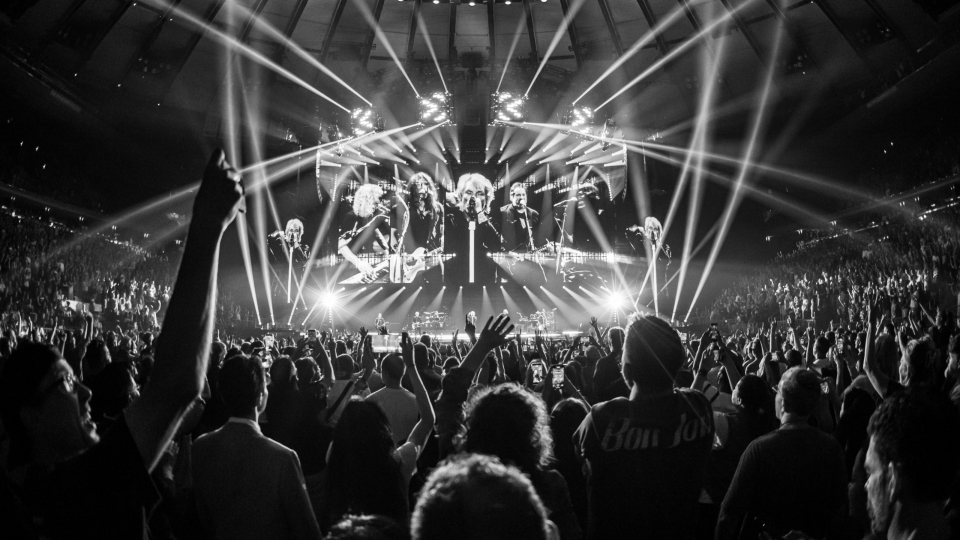
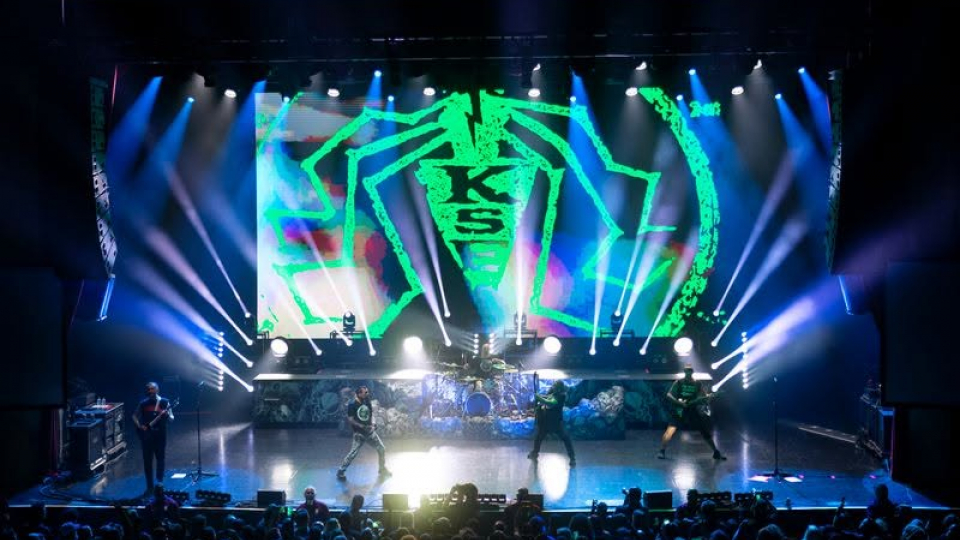
This SoCal-based designer knows just about as much as anybody about the nuts and bolts of a lighting rig. Not just because he’s been plying his craft at the highest level for decades, but also because he’s never hesitated to dive deep into even the smallest details that go into a light show.
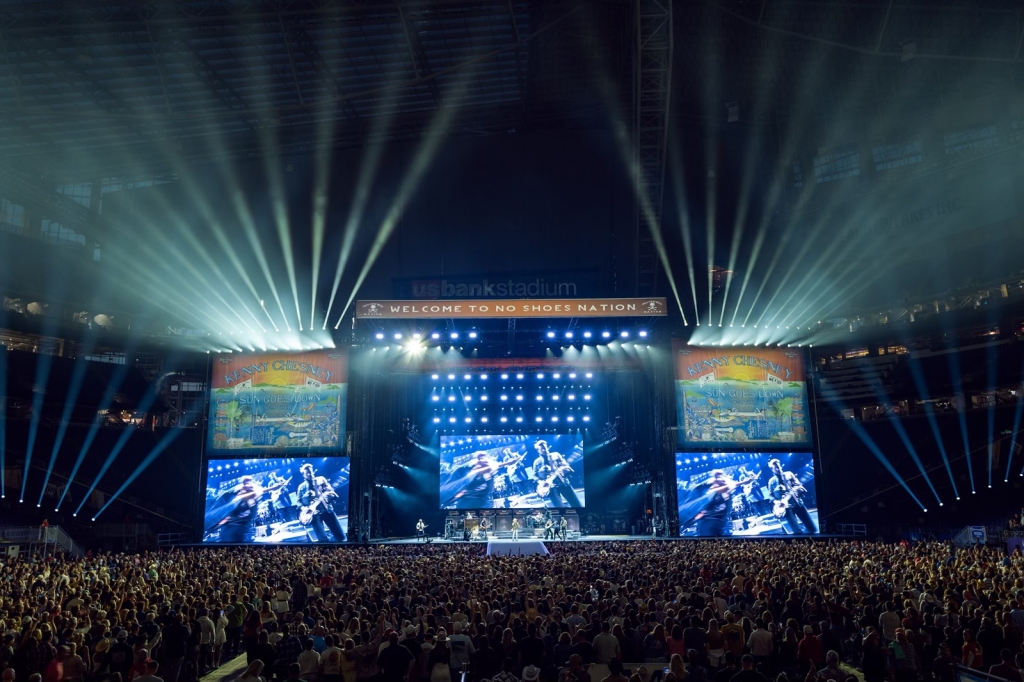
Philip Ealy’s thorough approach to design was evident early in his career, earning him the respect of his peers. Ultimately, it also led to a fistful of awards, including a Parnelli Lighting Designer of the Year honor, as well as some plum gigs, like being the lighting designer on Guns N’ Roses’ first tour in 1984. Other work with the iconic LA band followed, along with tours for Van Halen, Mötley Crüe, and Ratt. More recently, he has been involved in Kenny Chesney tours, Britney Spears’ residency at Planet Hollywood in Las Vegas, and the widely acclaimed Boys From Oklahoma Festival in 2026
Through it all, Ealy has remained intently focused on the inner workings of design, but this has not stopped him from constantly growing and expanding his creative horizons with the changing times, Starting in an era when there were essentially no lighting fixtures made specifically for touring applications, he went on to become an early adapter of automated and color changing fixtures as well as LED video walls in design. It’s a practice that continues today.
During the course of his career, Ealy has worked with LDs that have gone on to achieve great things in the touring world. This list includes Rob Koenig, Cory FitzGerald, and Troy Eckerman among many others. Some years have passed since these designers worked with Ealy, but the lessons he shared with them are as true today as ever. Even though technology has changed, the fundamental principles of lighting design embodied by this living legend are, in a word, “timeless!”
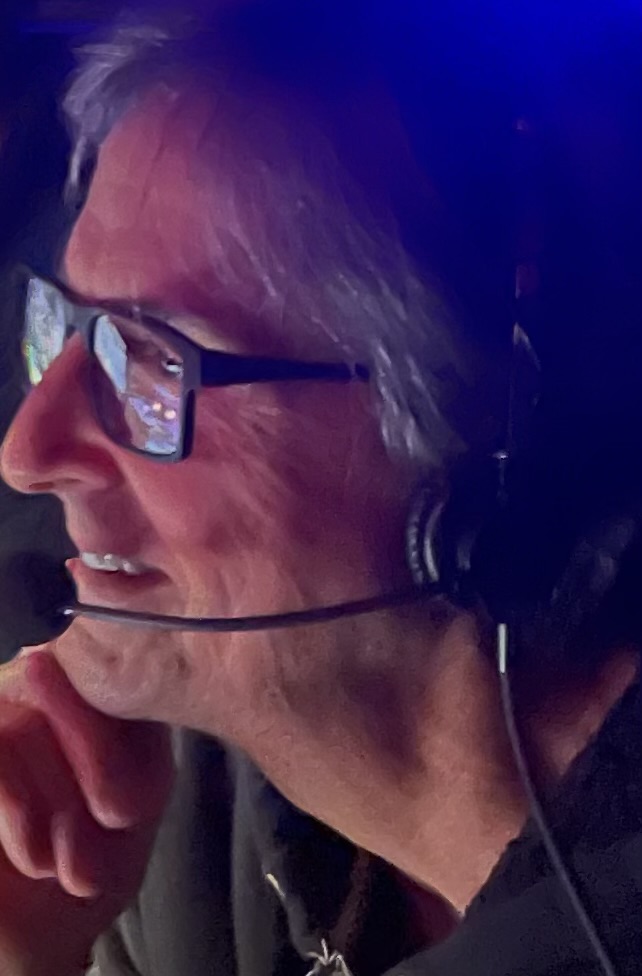
Looking through some old social media posts, we saw photos of you climbing on truss, polishing some old-school pars back in the early days of your impressive career. You were always known for your careful attention to detail. How did you balance that quality with your widely recognized creative flair?
“Looking back, perhaps my attention to detail may have limited the creative aspects of my designs. As a rule, I would not have asked my crew to do anything I wasn’t willing to do myself; if a chain bag needed to be painted black, I would climb up and paint it. Admittedly, no one else but me would be bothered by it! Knowing what it takes to put a rig in and out on a daily basis, I would try to design rigs to be as efficient as possible. Over the years, as the technology for touring lighting equipment progressed, it made it easier to design without that concern.”
You lit Guns N’ Roses at the beginning… on their 1984 “Appetite For Destruction” tour and their 1991 “Use Your Illusion” tour. Then, after more than two decades, you hooked up with them again for the “Not in This Lifetime” tour. Looking beyond lighting, what did the reunion feel like on an emotional level?
“It was wonderful to see most of the original members together again, to feel that raw energy. And most importantly, to work alongside Opie (Dale Skjerseth), who was my crew chief on many tours in the early days. I am so very proud to see him progress to the production manager position on many high-profile tours.”
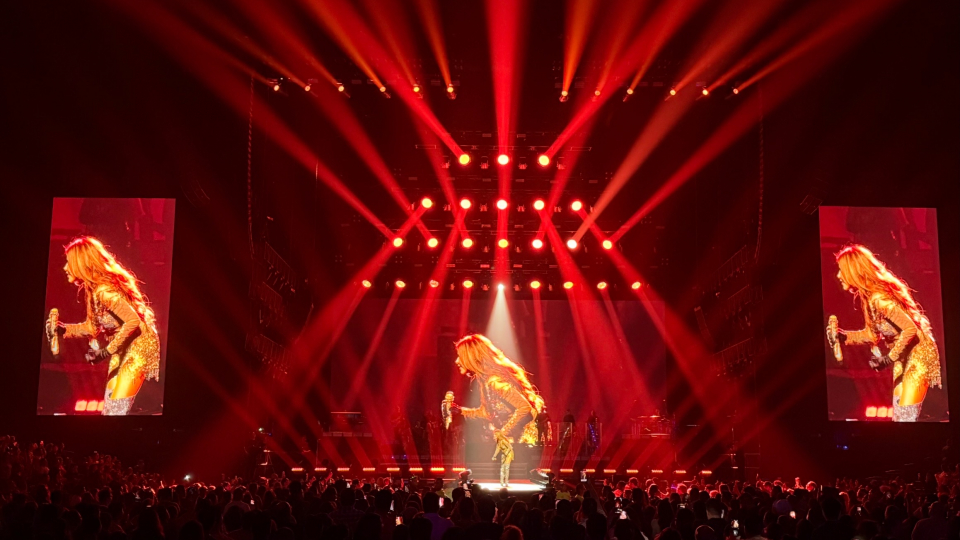
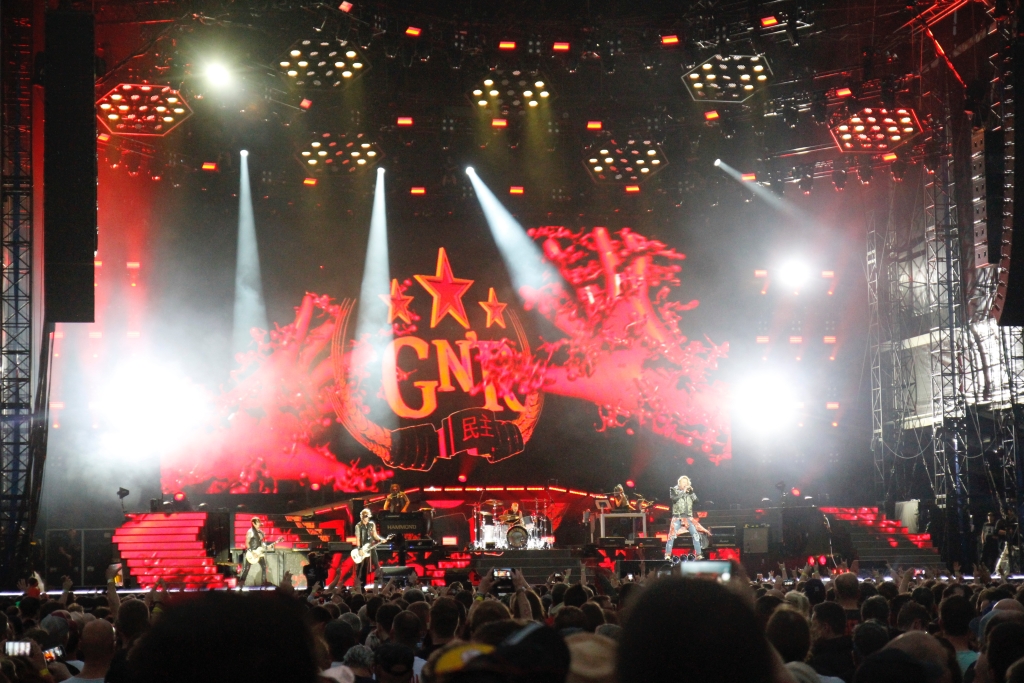
Back on the subject of lighting, you kept a classic look for that 2016 Guns N’ Roses tour, but you used new tools that couldn’t even have been imagined 30 years earlier. How would you compare the looks you created on the 2016 tour with those from the ‘80s and ‘90s?
“The concept was to do exactly that from the original tour. Rob Koenig was recommended to me by Butch Allen to program the show, which worked out perfectly. He was a fan of the band growing up and brought his creativity to the project. Our approach was to build big brushstroke par can looks utilizing current technology. Upstaging provided the previz suite, which overlooked the build of the rig, so it was equally exciting to see both at the same time. Once the pods were built, we could run the cues on those in real time, which was a plus over the ‘old days’ for sure.”
You enjoyed some great runs with Guns N’ Roses, just as you did with Van Halen, Mötley Crüe, Ratt and Kenny Chesney. What do you feel are the keys to a good LD-client relationship?
“The nature of the relationship has significantly changed over the years. In my early years, I would travel with the bands; we were all friends and shared pretty much everything. I would always keep in mind they were my employer, so I would keep things in perspective. Back then, there weren’t big corporate executives and accountants that drove everything. The record companies financed the tours, so things were a bit more relaxed. It is very important to keep in mind in your LD-client relationship that regardless of what you see as the look and feel of a song, ultimately it is the artist’s vision that you are lighting, and they have the final say. I’ve worked with artists that will sit with you and go cue to cue during programming, and artists that let you provide the vision.”
Is there any great artist from the past who is no longer with us, who you wish you could have had a chance to light on stage?
“I would say Johnny Cash; I would have loved to have roughed it out in the early days of touring and built on his career as he progressed.”
Do you have to like a band’s music to do a good job lighting it?
“It definitely helps; I’ve been very fortunate to enjoy most of the music I have lit.”
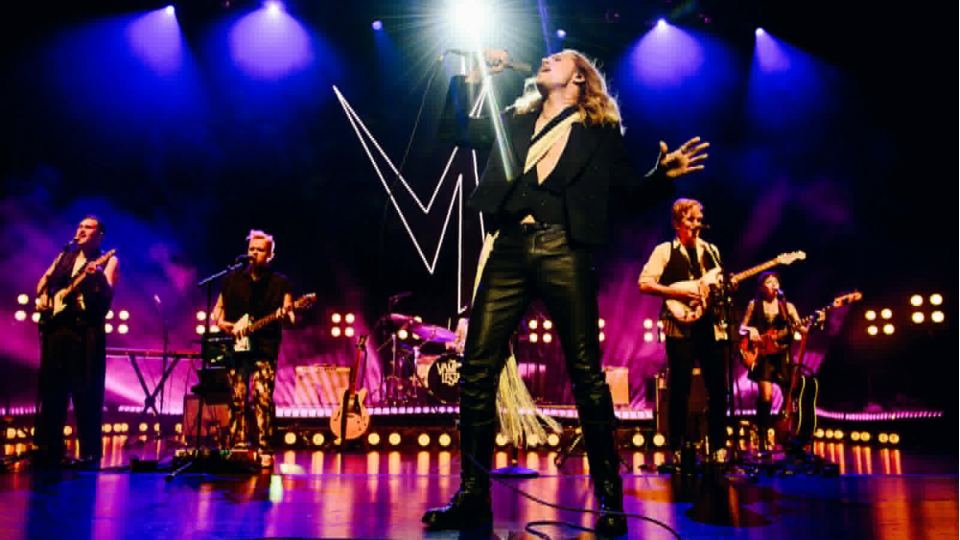
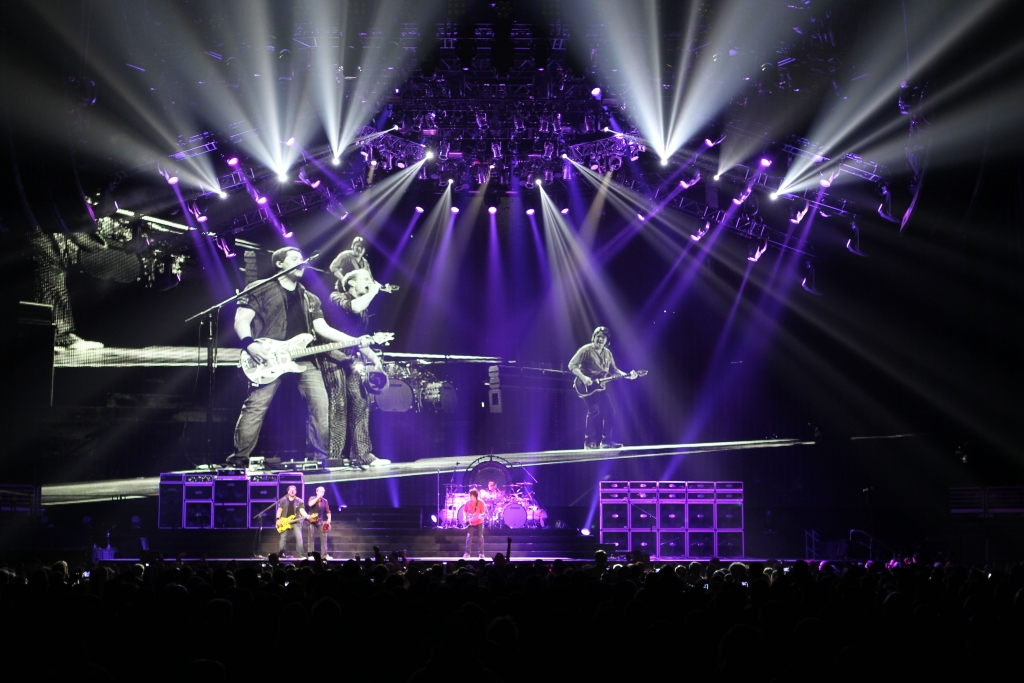
We also spoke of reunions earlier — you were the designer for Van Halen’s 2012 “A Different Kind of Truth” tour that saw the band reunite with David Lee Roth. Looking back, we were really impressed with how you wove dark space into your design, highlighting band members in bright light against the surrounding darkness. How would you describe the role of darkness in design?
“Darkness gives you depth.”
On that “Different Kind of Truth you were the LD, and had Cory Fitzgerald and Troy Eckerman as your programmers. You had quite a few people on tours who went on to become prominent designers. Could you see these folks were destined to take their careers to a new level?
“Absolutely, I knew Cory and Troy from previous projects; not only are they gifted designers and programmers, but they are fun to be around, so knowing we were going to spend a lot of time together, why not have some fun!”
What are the personal qualities that make some succeed as a lighting designer?
“The ability to create and compromise.”
Another question about the “Different Kind of Truth tour – you made innovative use of video with some big-screen IMAG images. When did video first start appearing in your designs? How did the appearance of video change the role of lighting?
“I didn’t have a say in the size of the rear screen; that came from David and his vision for what he and the band wanted to see on the big rear screen. My friend Bob Hughes was managing that along with the set design. He played a major role in me being involved with that tour. That tour was a good example of ‘done by committee.’ A lot of very talented people were involved, all working together to ultimately give the band what they envisioned. Not sure what year video started appearing in my tours, maybe early 90’s. It was progressing faster than lightning at the time; I embraced it as another canvas to paint on. With the progression of content, it is now the primary consideration of my designs.”
You were the LD and show caller working with Silent House on the Britney Spears famous residency at Planet Hollywood Las Vegas, which was programmed by Eric Marchwinski. How did lighting a residency compare to working a tour for you?
“Being stationary had its perks, but it felt more like a 9-to – job, which took a little time to settle in, especially being based in Vegas. I never really had that type of job, so it was nice to have that experience. I still prefer to travel; I believe the flights, buses, and trucks keep the energy level up — and movement is key to a healthy life.”
How did you get started as a lighting designer?
“Being the youngest of three children, both of my siblings would take me to local concerts. I was always more intrigued by what was going on behind the scenes, all that equipment and how it was controlled. They also exposed me to many different types of music, so it was a natural path to take. I started my journey in high school providing lighting for local bands. Back then, there wasn’t schooling for our industry, so I attended the school of hard knocks. Fortunately, in the 80s, the rock scene out of Hollywood was exploding, which provided me with the opportunity. A number of those local bands became national touring acts. One thing led to another, and here I am today, 50 years later, still enjoying what I do.”
What do you think you would have done if you didn’t become a lighting designer?
“My Father was an optometrist. I would spend my Saturdays at his office at a young age. I thought that was pretty interesting; I probably would have followed in his footsteps.”
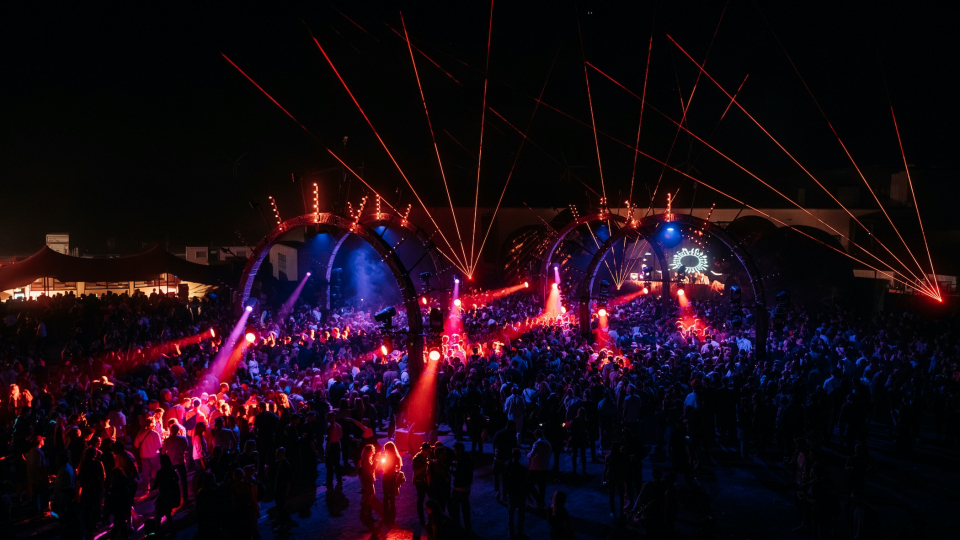
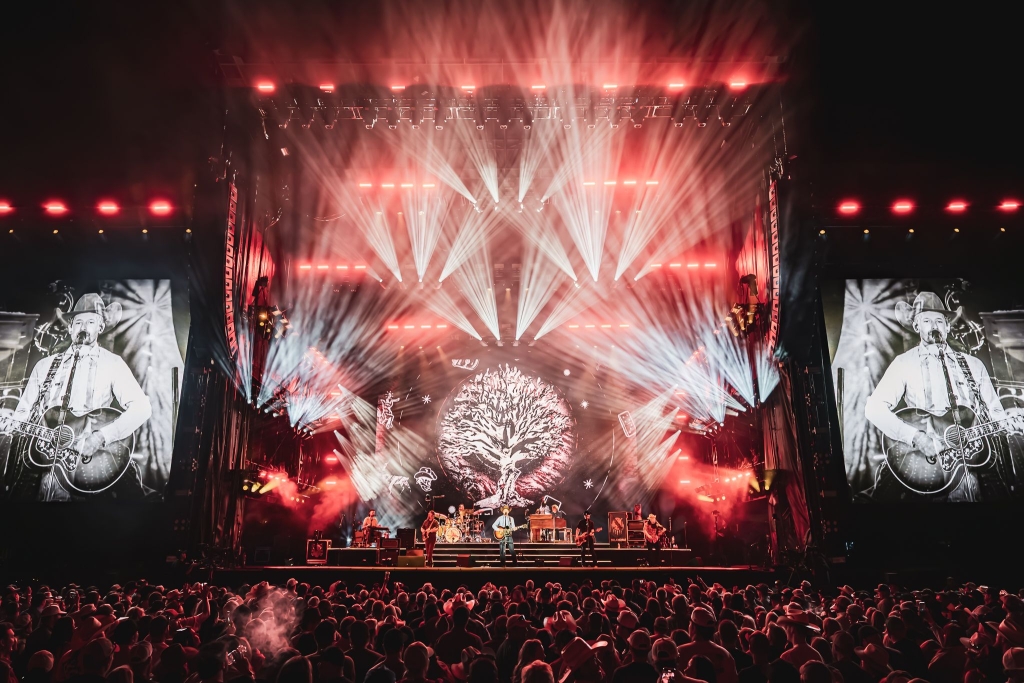
We talked about some of your early work, but you recently finished lighting The Boys From Oklahoma festival in Stillwater. Some of the acts there had some very colorful shows. What are your thoughts on mixing multiple colors on stage? Do you always try to limit how many you show at once?
“Yes, remember I’m old school. Rarely do I use more than two or three colors per song or move an automated fixture just because it can move”
You’ve seen quite a few changes in this industry, to say the least – from a time when shows were basically floodlights and theatrical fixtures, to par cans, and beyond to this era. Without mentioning brand names, what do you feel were the two or three biggest changes in lighting that you’ve witnessed?
“Agreed! Thinking about the progression of our industry and my career, I’ve used residential flood lights, Fresnel wash lights, steel then aluminum Par cans, color changers, and the first automated fixtures. Now lasers and video panels. I’m sure I missed something, but I would have to say the biggest changes were automated fixtures, LED fixtures — and of course video panels.”
What is the one thing you want people to know about you as a lighting designer?
“The concert lighting industry offers many opportunities and challenges. Creativity is only my starting point. Honesty, kindness, and hard work provided longevity.”