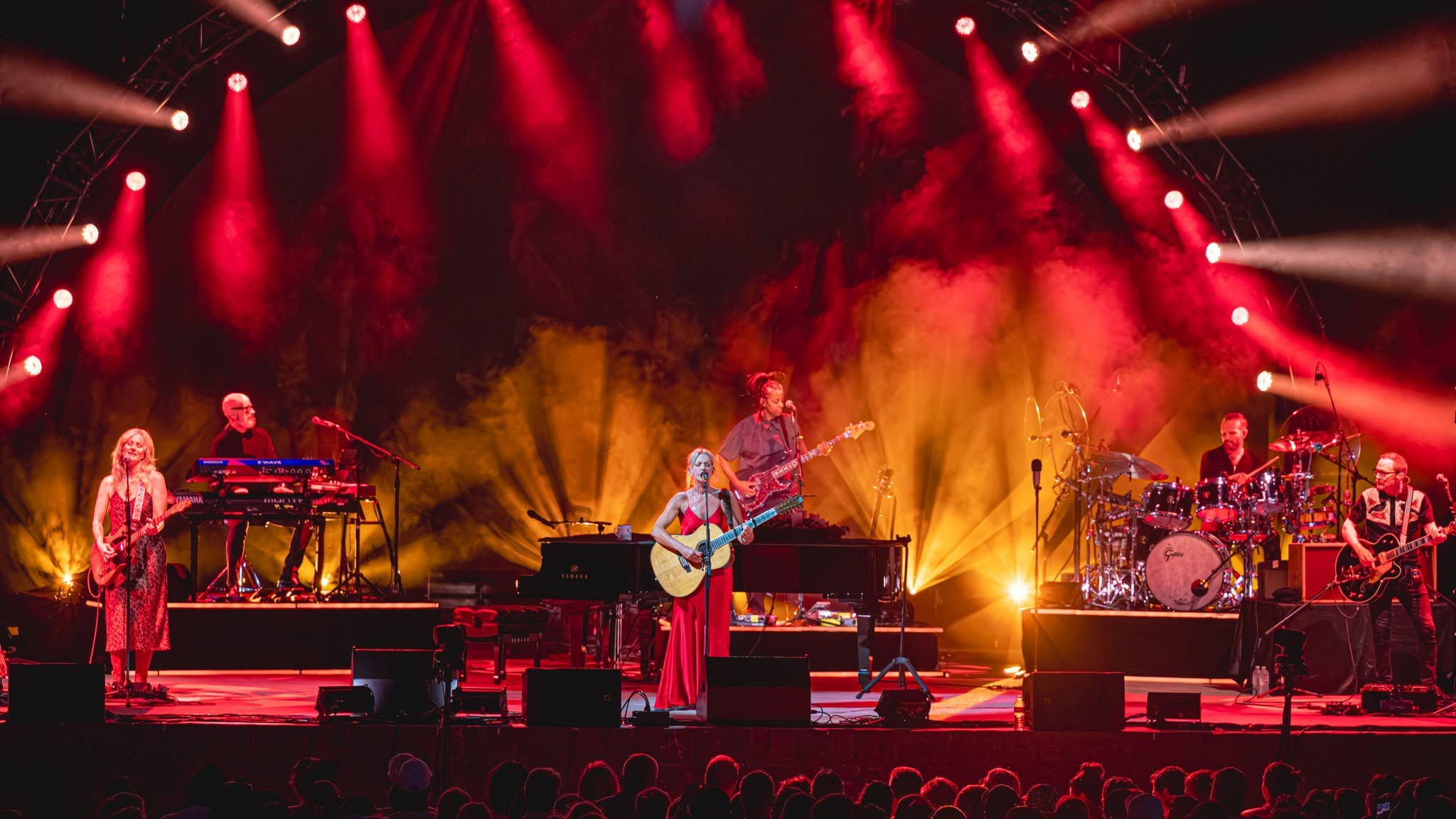
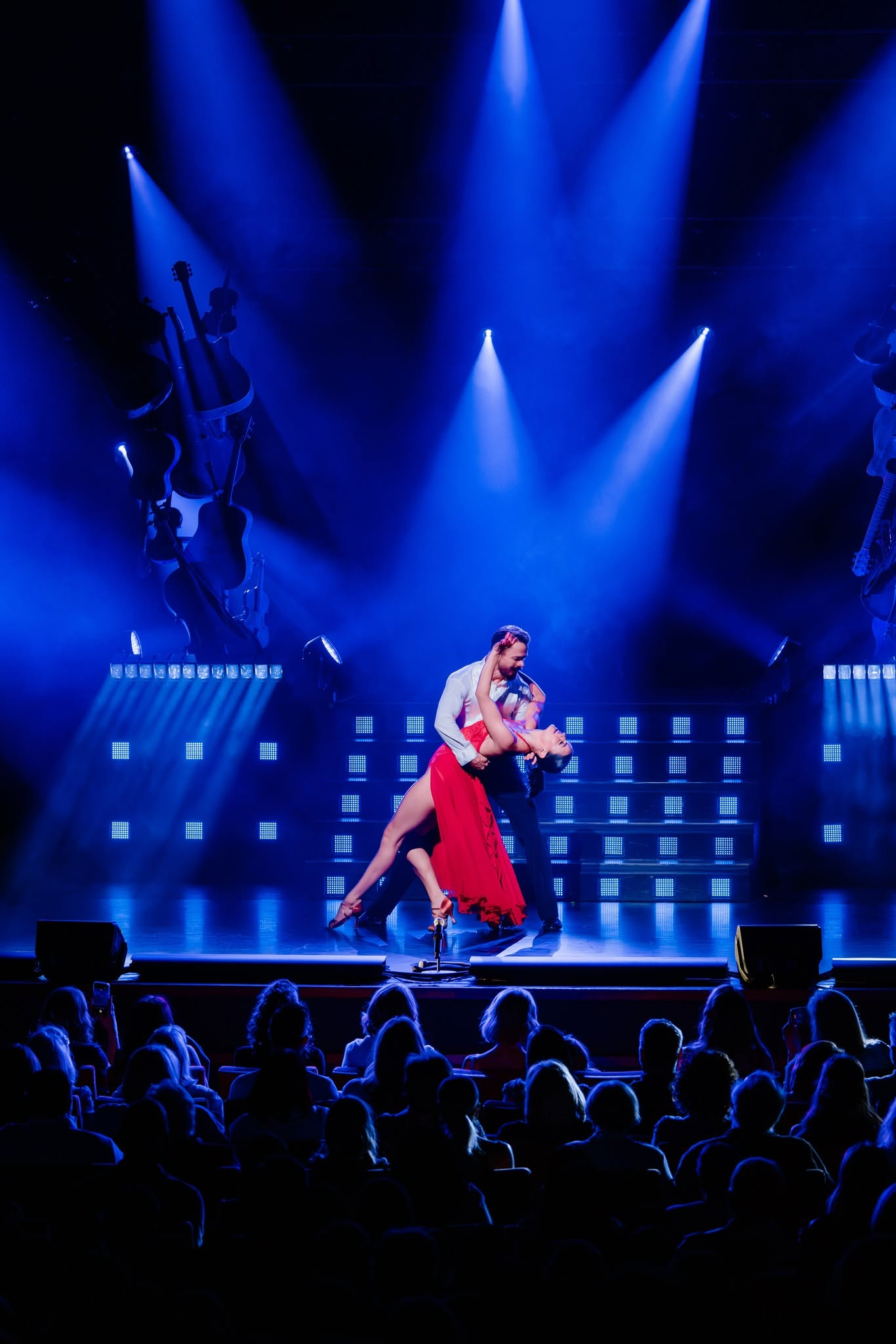
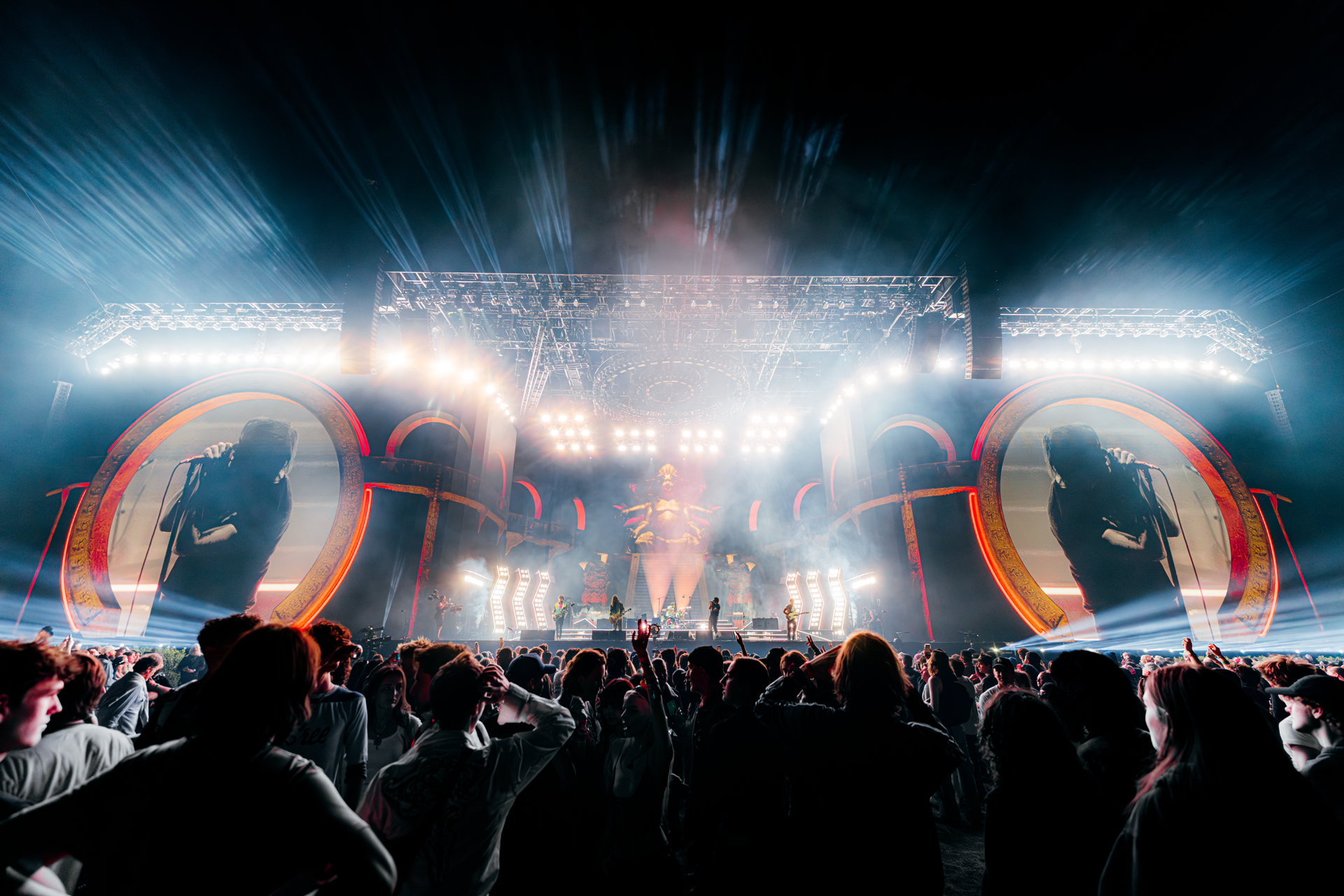
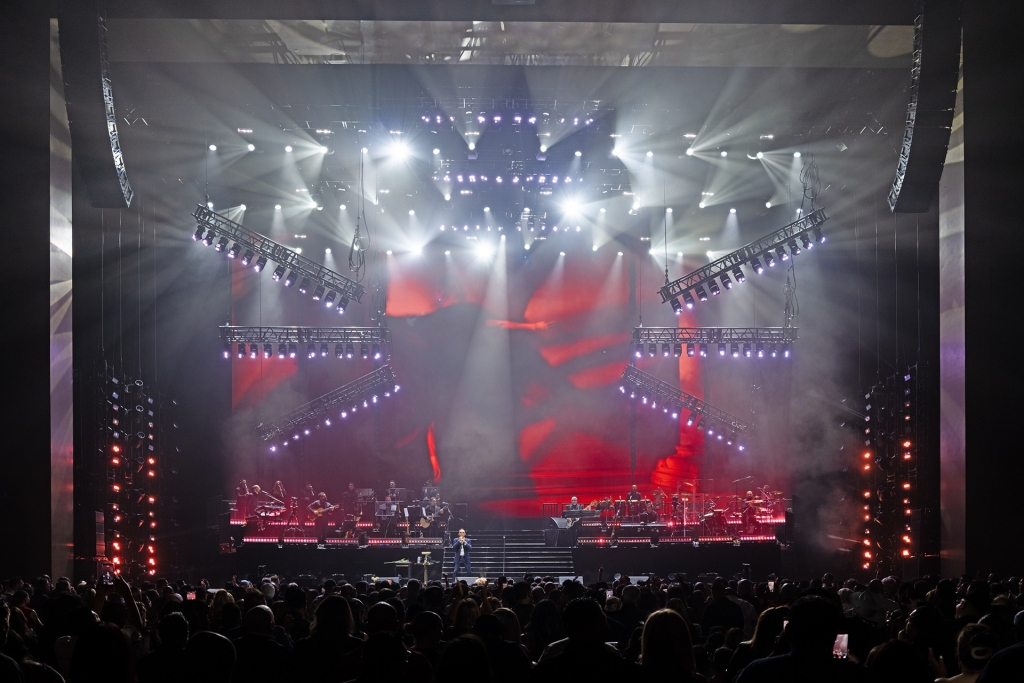
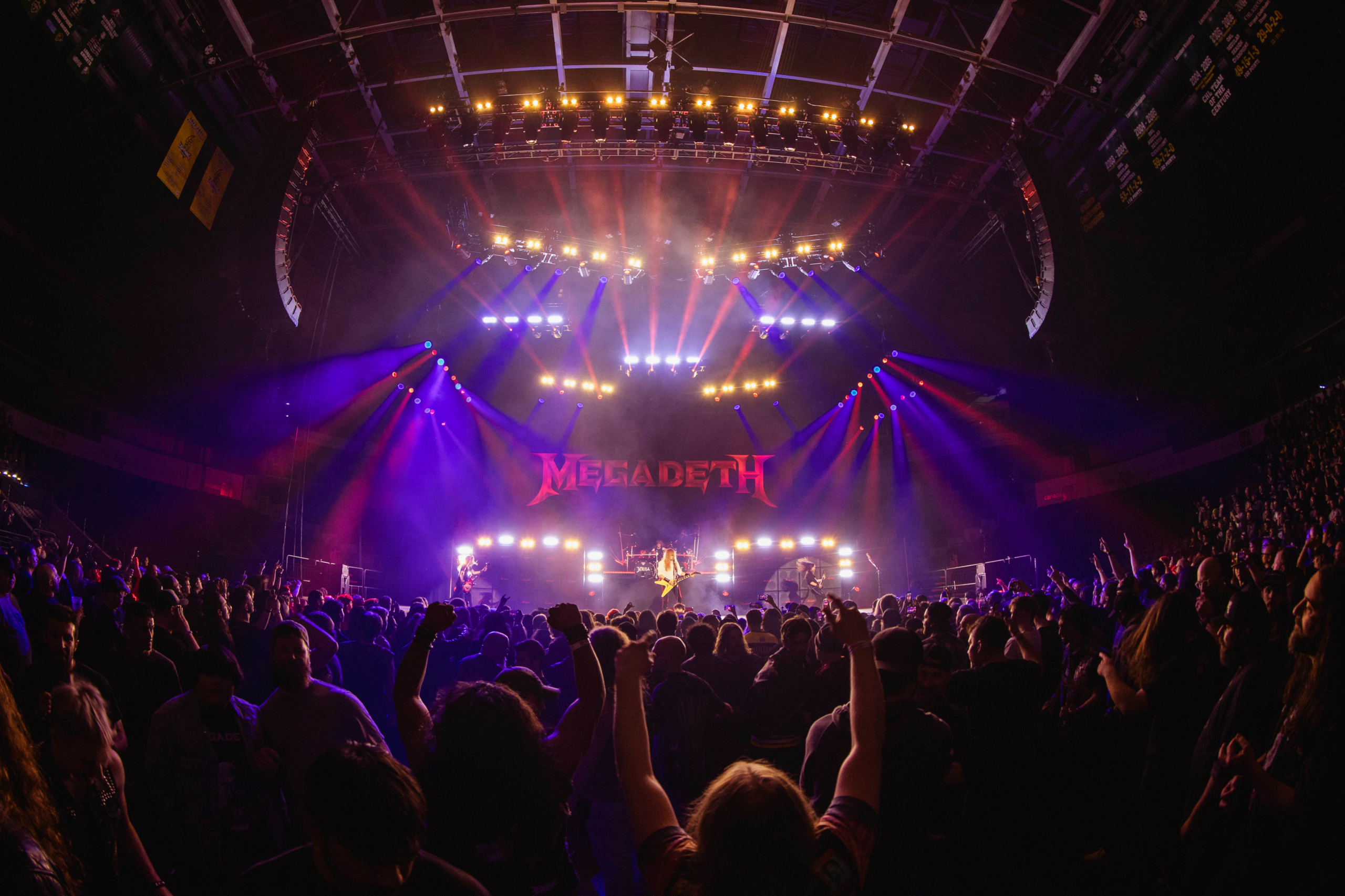
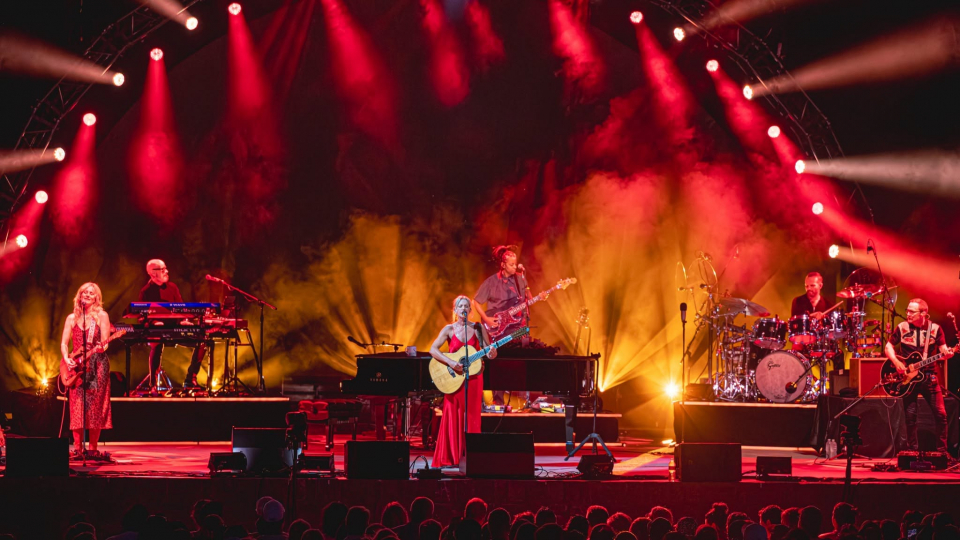
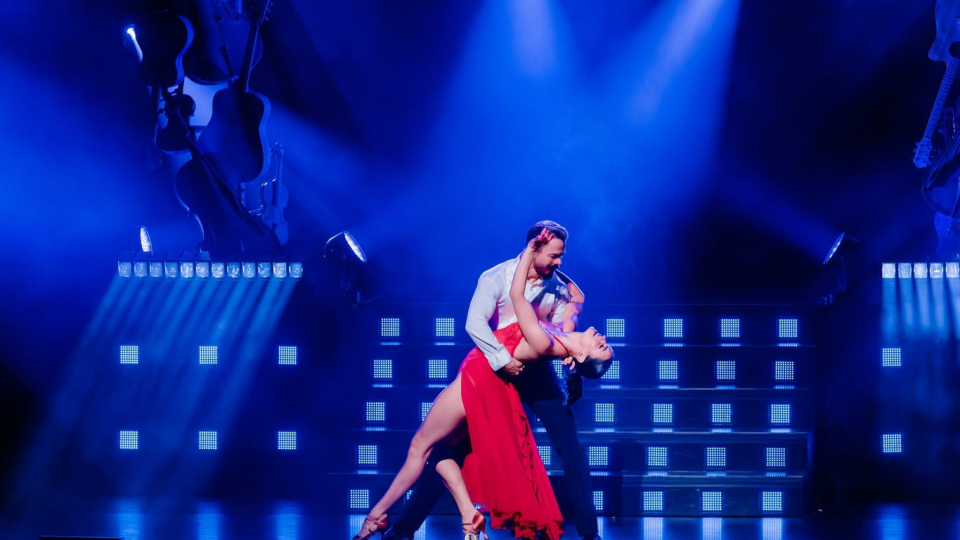
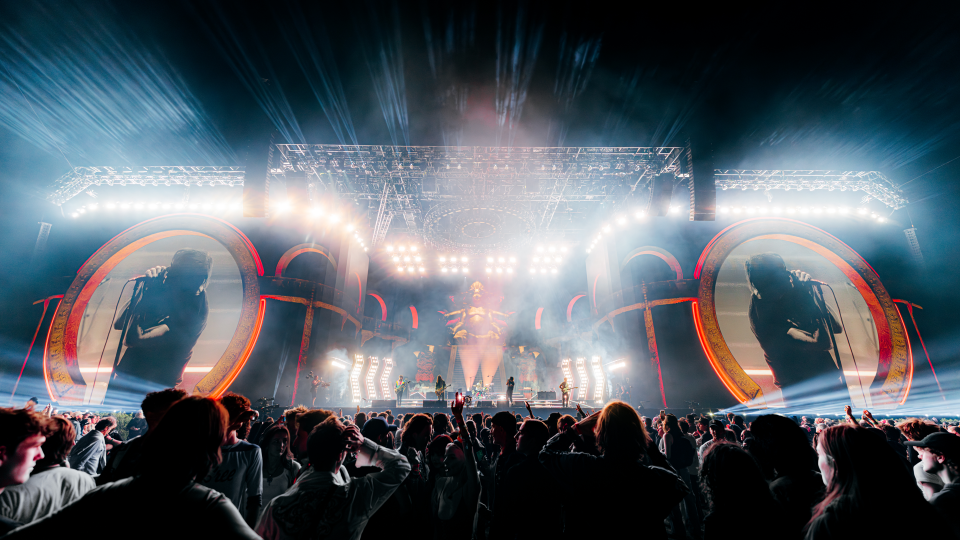
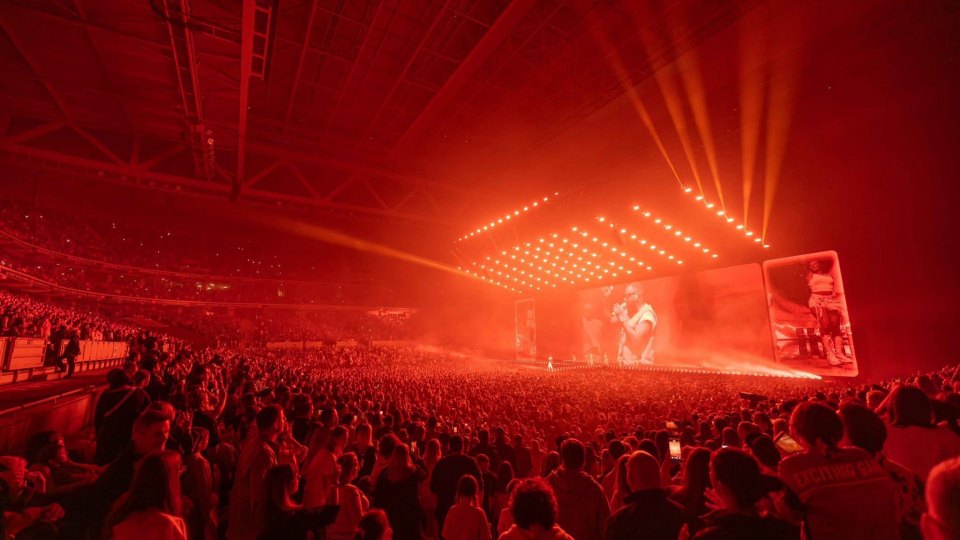
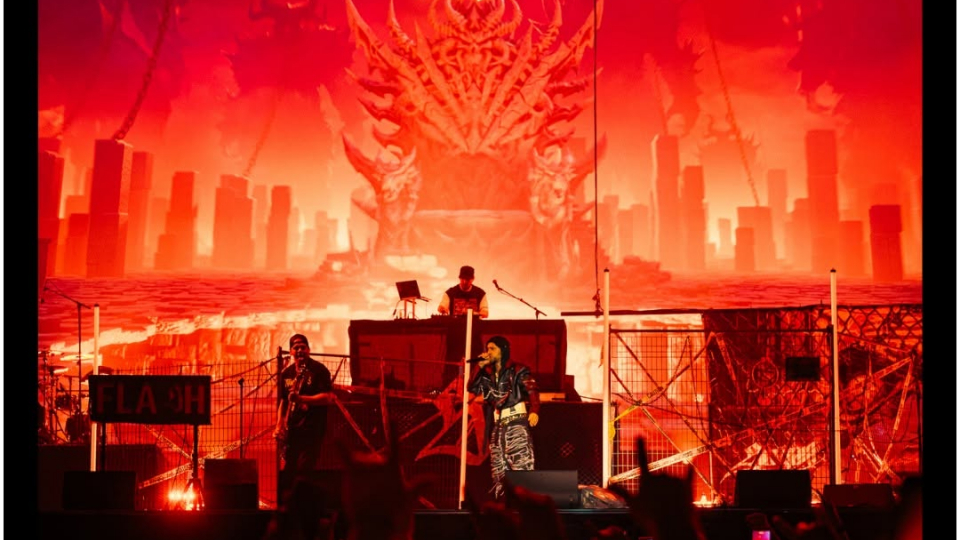
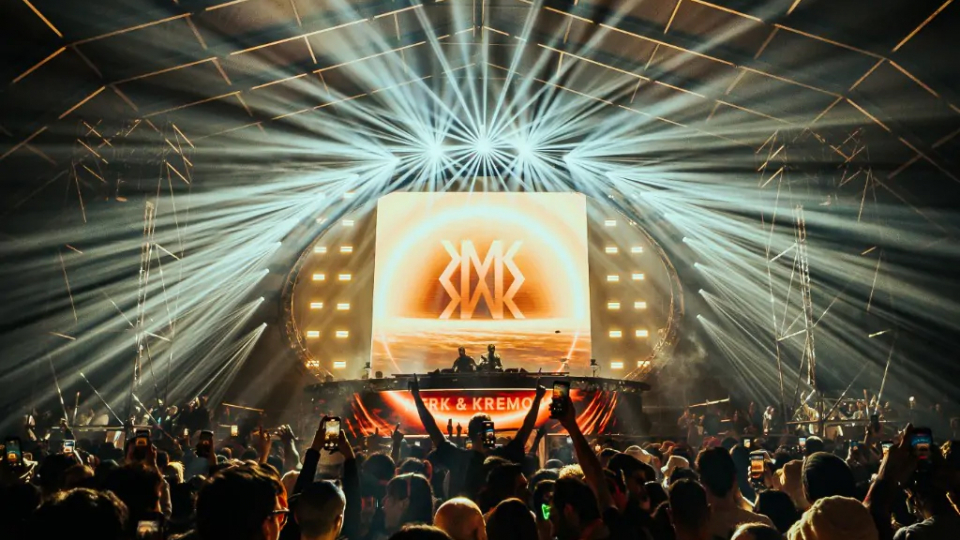
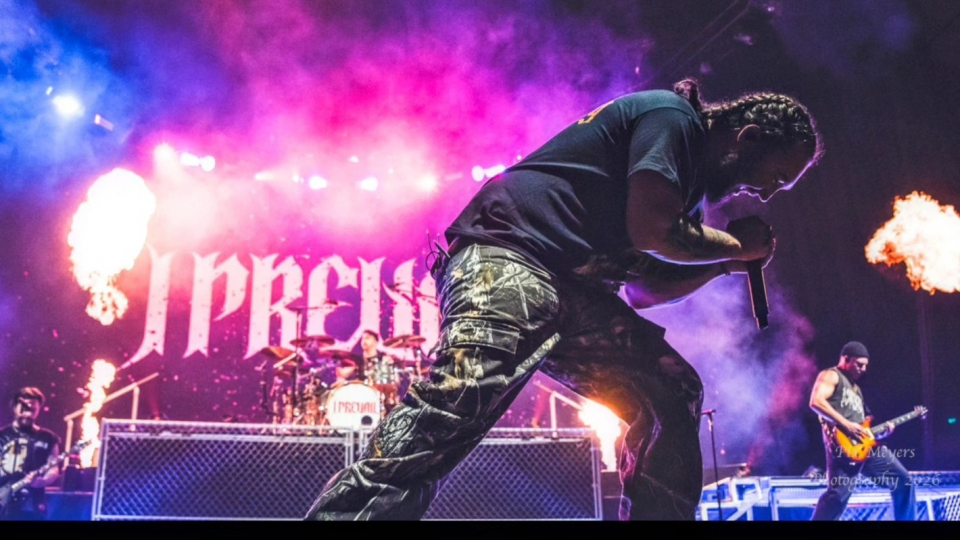
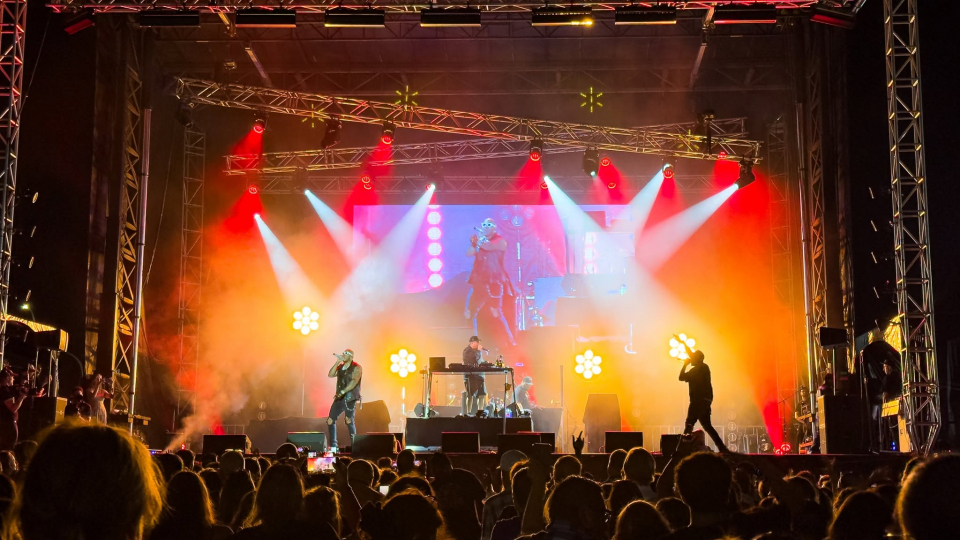
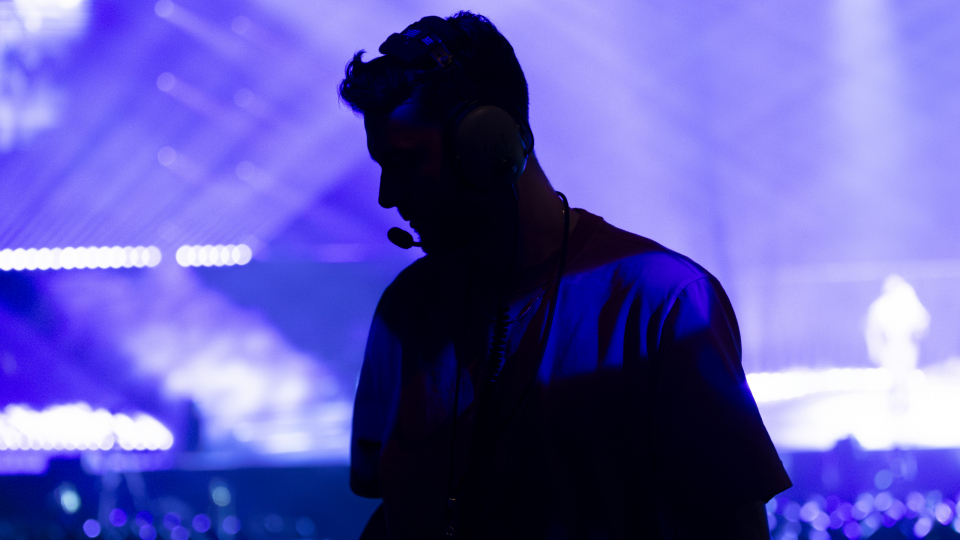
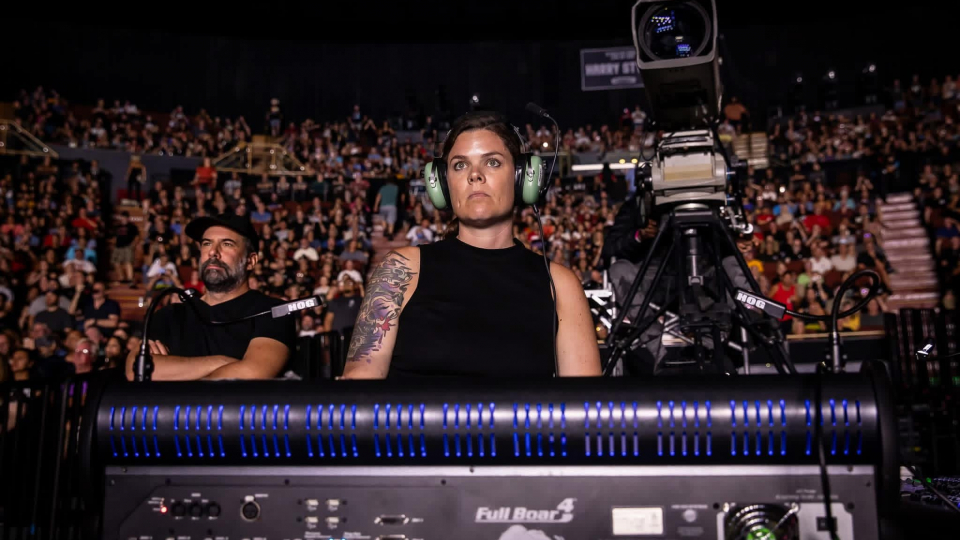
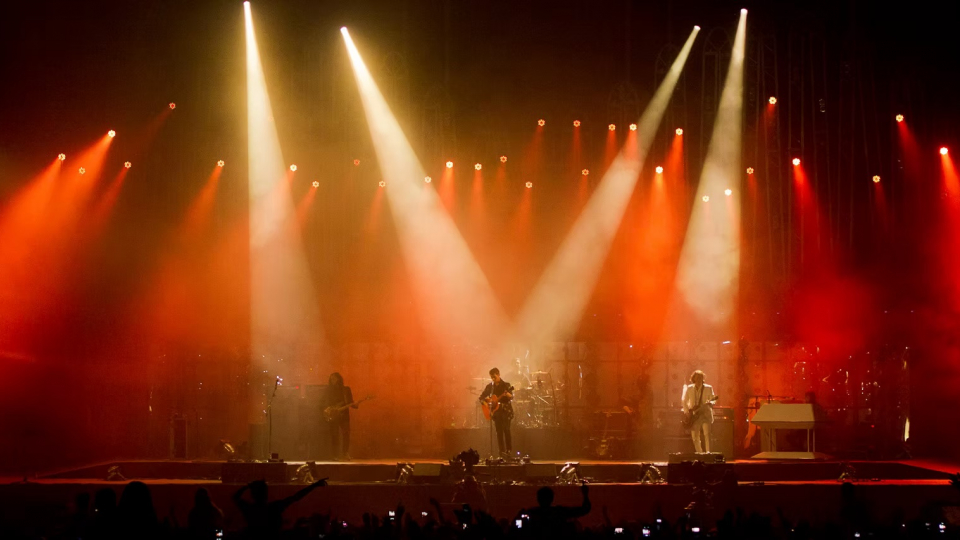
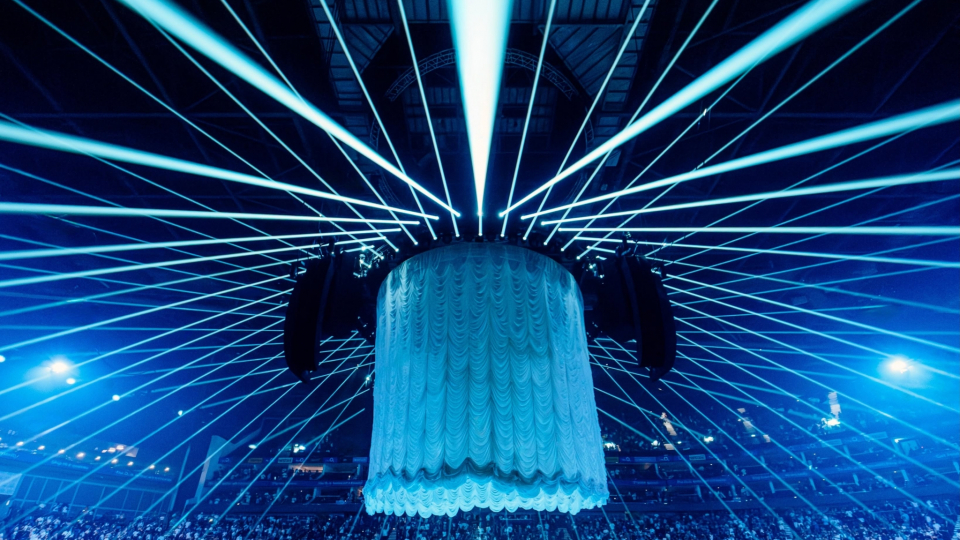
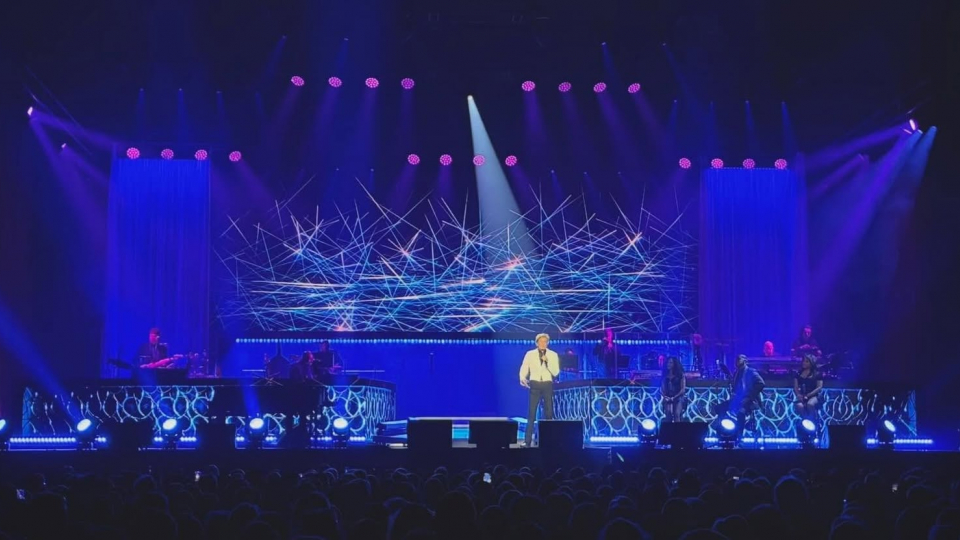
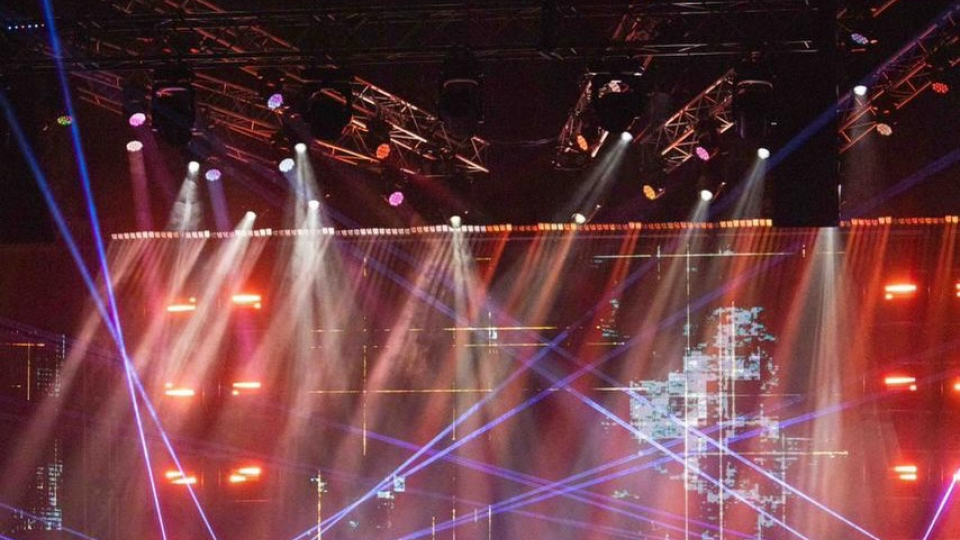
Opportunity often knocks in strange ways. This widely acclaimed designer was working at a vintage clothing store after college when a group of nightclub performers came in to purchase outfits. The next thing he knew, Mark Butts was running lights at the club. Before long, (or more accurately after years of blood, sweat and tears), the Pasadena-based creative was well on his way, building a stellar career as a designer that has yielded Emmy and Pollstar Awards, three Super Bowl halftime shows, and Olympic opening and closing ceremonies, not to mention a list of clients that has included the likes of One Republic, Zac Brown, Ricky Martin, Justin Bieber, Kendrick Lamar and Karol G to name a few.
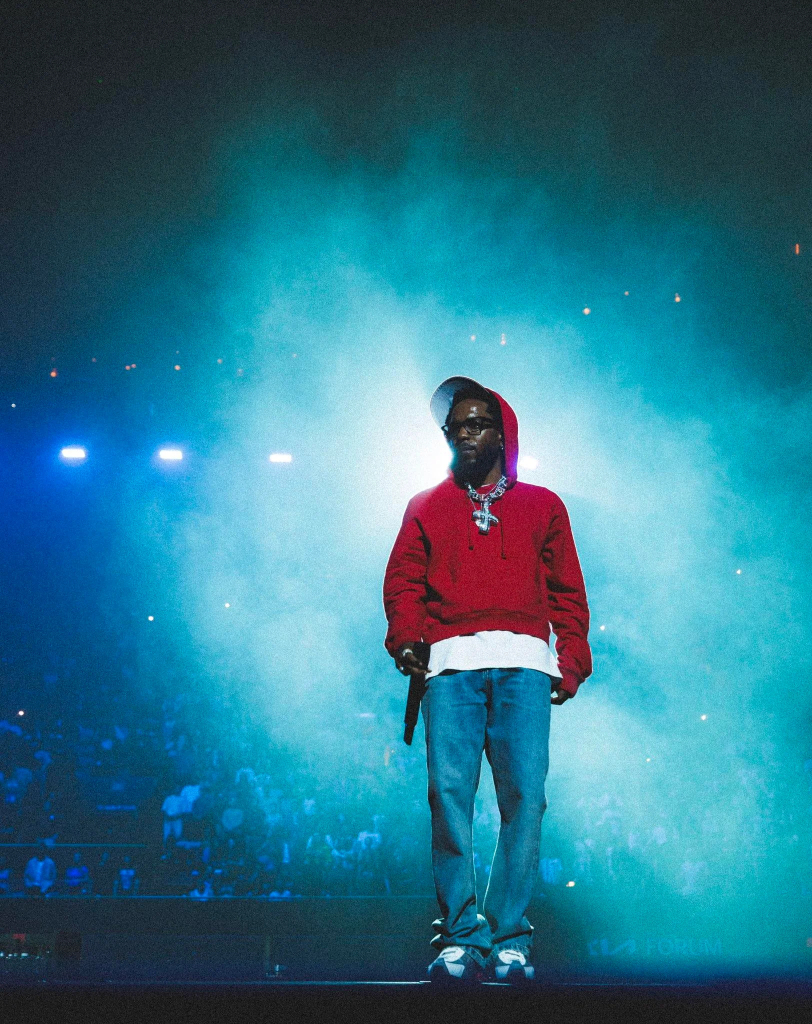
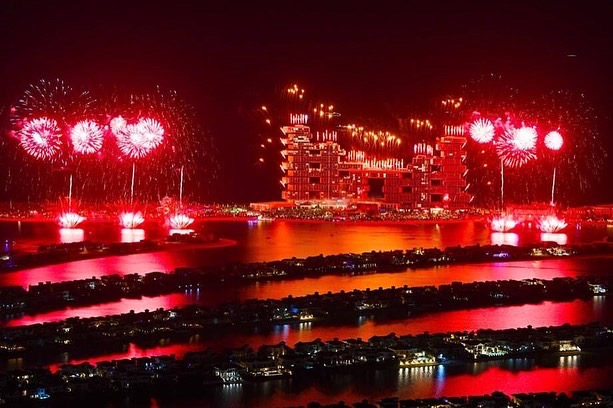
Throughout it all, Butts has developed a fine eye for seeing connections that others might have missed, not just the opportunity offered by some random customers that walked into his store, but also the intricate web joining the myriad elements of a major production, such as the 1,800 lighting fixtures, five acres and a 43-story building at Atlantis The Royal – Grand Opening in Dubai project, the design of which he oversaw.
This unifying vision has allowed Butts to pull together some extraordinarily ambitious design productions in recent years. Viewing projects in their totality, he sees every facet of a show as part of an intricate puzzle, each piece deriving its meaning from its connection to every other. Following this philosophy, he sees no independent lighting, video, IMAG, or SFX as parts of a design when all is said and done — only different brush strokes in a complete, beautifully integrated picture.
Taking time from his busy schedule, Butts shared his insights into how the power of this vision can turn even the most complex challenges into a unified, harmonious design.
Let’s start with one of your recent projects, the work that you and your collaborators did for Zac Brown’s Sphere Residency. Among the many breathtaking things was the way you fused video and light. It was hard to tell where one ended and the other began. What are the keys to accomplishing this harmonious blend of video and light?
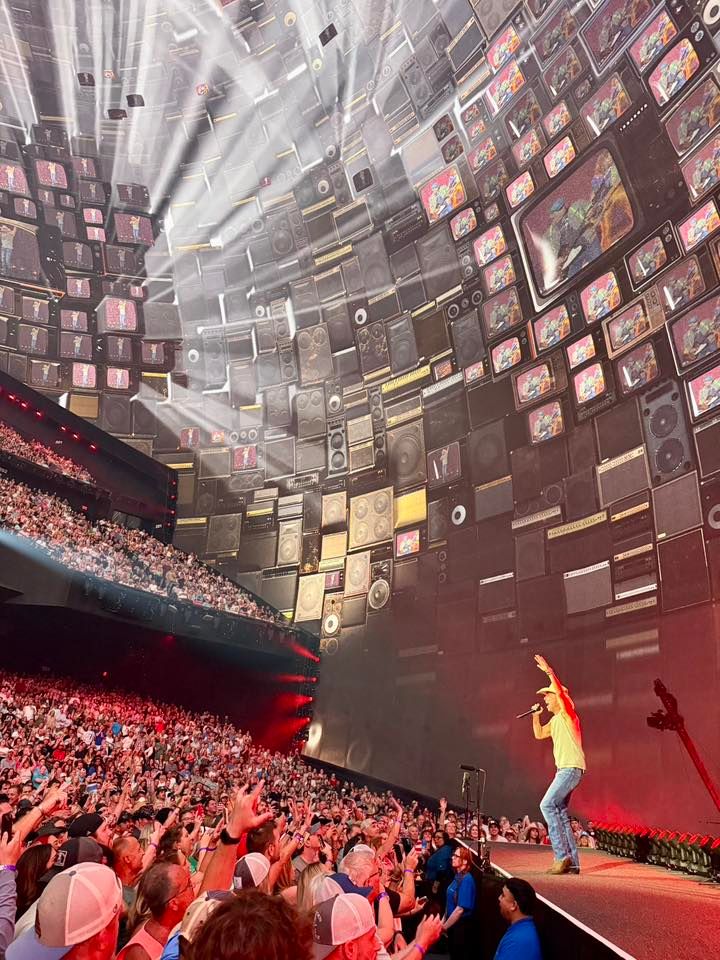
“Balance…That venue is such a unique place that it takes a bit to get your head around what’s going to work in there. The creative directive was that Zac wanted something totally different and very personal for his residency. We approached the design and execution of the show not as a concert, but as a film that happens to be unfolding live in front of you. It was a different approach than simply a performance, and I thought that lent itself very well in the room. The media drives everything in that space, so embracing that, rather than fighting it, was the key.”
That project had quite a few astounding video elements, such as when you had a big IMAG image of the artist over the stage that looked as real as seeing him in person. It would have been impossible for anyone to do that sort of thing not that long ago. So, how have these impressive advances in video and AI influenced the way you use light? Are you seeing light more in terms of how it in terms of how it complements video?
“My background is a combination of live entertainment and broadcast television. This has served me well over the years, especially in a venue like Sphere, where capturing the show and using big IMAG images is critical. I try to bring the skills from the broadcast world into the live space and twist them around a little to make it work for a live event. I don’t think of a project in terms of ‘the lighting…the screens…the cameras…the stage…’ To me, it is one singular piece; all those things have their place, but they all must work together for a project to really feel cohesive.”
Can you elaborate on the role of IMAG in that show?
“We used a live camera grading system created by Smasher and Brandon Kramer to color grade cameras during the show. This gave us a crazy amount of control over color rendering and exposure, far beyond what a normal CCU allows. This gave the IMAG an almost film-like quality and feel, since the cameras were color graded in a similar way a film would be.
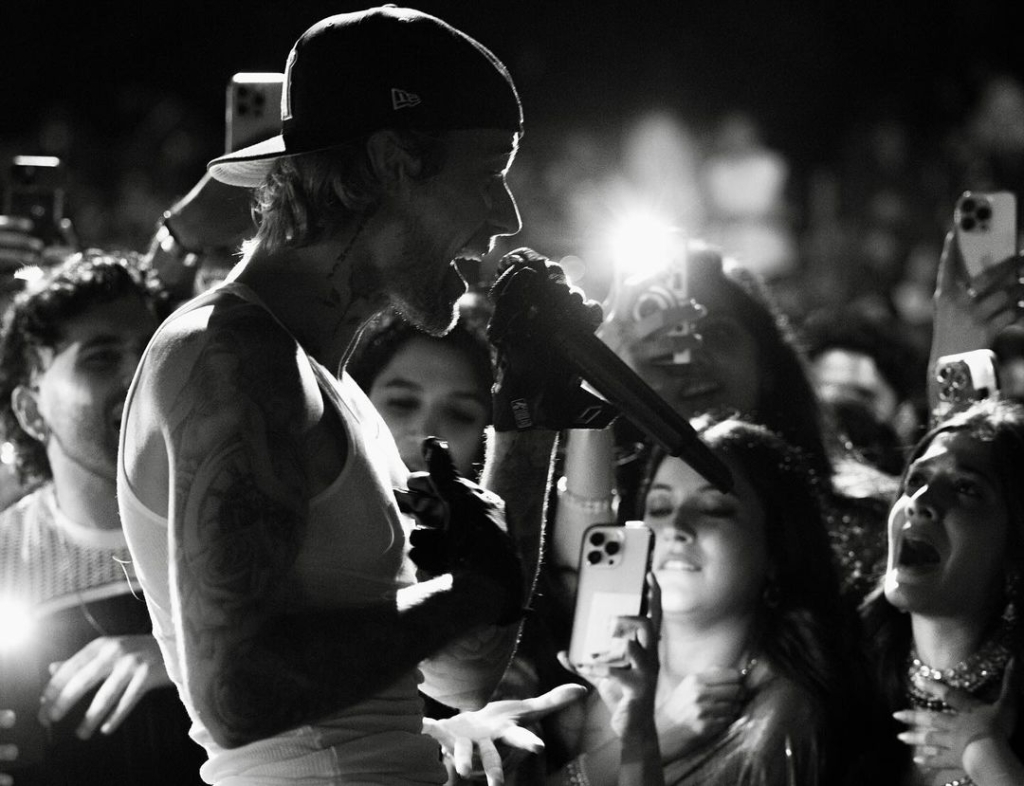
“In large venues like the Sphere or stadiums, I do think IMAG is critical. But I always thought the best experience was when the cameras showed the audience something they couldn’t see for themselves…a close-up of someone’s hands during a solo, a singer looking straight into the lens during a big moment, cool framing etcetera
“Lighting and cameras working together to block, light these moments, control exposure, framing, color, intensity, and the like can show the audience something powerful and unique.”
We just talked about the Sphere. You worked at so many iconic venues around the world. Do any stand out as your favorite to work in?
“SoFi Stadium is an architectural marvel, and really unique, but my heart is always at the Rose Bowl. Not because it’s almost in my backyard, but I think the fan experience is different than any other stadium. “
Speaking of great places, among the most stunning you worked at was the Atlantis The Royal – Grand Opening in Dubai in 2024. We understand that it had 1,800 lighting fixtures spread out over five acres and involved a 43-story building. So, when you have a project of that scale, what is the first thing you look at in terms of lighting design?
“On these large-scale projects, where we have thousands of fixtures, I typically look at the entire project from a high level. We define a few overall objectives, like design style, visual vocabulary, timeline, budgets, gear, and crew availability. After that, every one of these projects gets broken down into sections that are treated like their own mini-design. On the vendor and crew side, typically, there is dedicated gear and staff for each area, with an overall project lead that oversees it, managing the big picture timeline, tech, and how all the parts get connected.
“For Dubai, there were separate systems for building facade, rooftop, fountains, performance area, VIP areas, entry/red carpet, and environmental. So, in my mind, that is seven separate designs all tied together and working as one. For me, the only way to manage these massive shows is to break them down into more manageable sections.
Another big project you did was the 2025 FIFA World Cup Opening Ceremony at Hard Rock Stadium in Miami. We really liked how you managed pyro and atmospherics there. What advice do you have about using but not overusing pyro and atmospherics?
Like everything, these are pieces of the show that should all work together in service of the overall project. Everything should be balanced. Pyro is a very cool and very dynamic crowd pleaser, but it’s also something that should be used judiciously. If you’re going to blow something up, you better have a good reason for it!”
Given the size and scope of many of your projects, you collaborate with quite a few high-powered creatives. What is the most important thing that makes collaboration work? What is the toughest issue that impedes its success?
“The key to successful collaboration is the ability to admit you don’t know everything. Leave your ego at the door, and be truly open to other ideas, input, and processes. When people try to silo information, control access, and dominate the process, collaboration goes out the window. I think I do my best work in the most collaborative situations.”
In addition to designing Zac Brown’s residency at the Sphere, you did Kenny Chesney’s shows there — and received a Pollstar Award nomination for your efforts. That show created a mood very similar to your show for Zac Brown, but creatively it’s very different, down to the way it uses video. How do you keep your shows fresh and original and avoid the very easy temptation to repeat looks?
“These two artists are very different, both in personality and creative style. Ultimately, a design should capture and support the personality of the artist and convey whatever artistic statement they are trying to make. I let the music and the people guide me, and that keeps things interesting. Every artist has a different style, a different way of conveying it, and hopefully something unique to say. Our job is to support that.
Along those lines, you have worked for a variety of different artists, not just the ones we’ve discussed already, but also artists like Justin Bieber, Karol G, Kendrick Lamar, and Buju Banton. Do you have to like an artist’s music to do a good job lighting it?
“Not at all. Our job is to visually interpret music. We need to understand the music, the artist, and the ideas they are trying to convey, but that doesn’t mean I’m listening to it on my day off.”
You’ve created some intense blinder looks, such as those for your One Republic Honda Civic tour, but you also use dark space and shadows quite a bit. What do you feel darkness adds to a design?
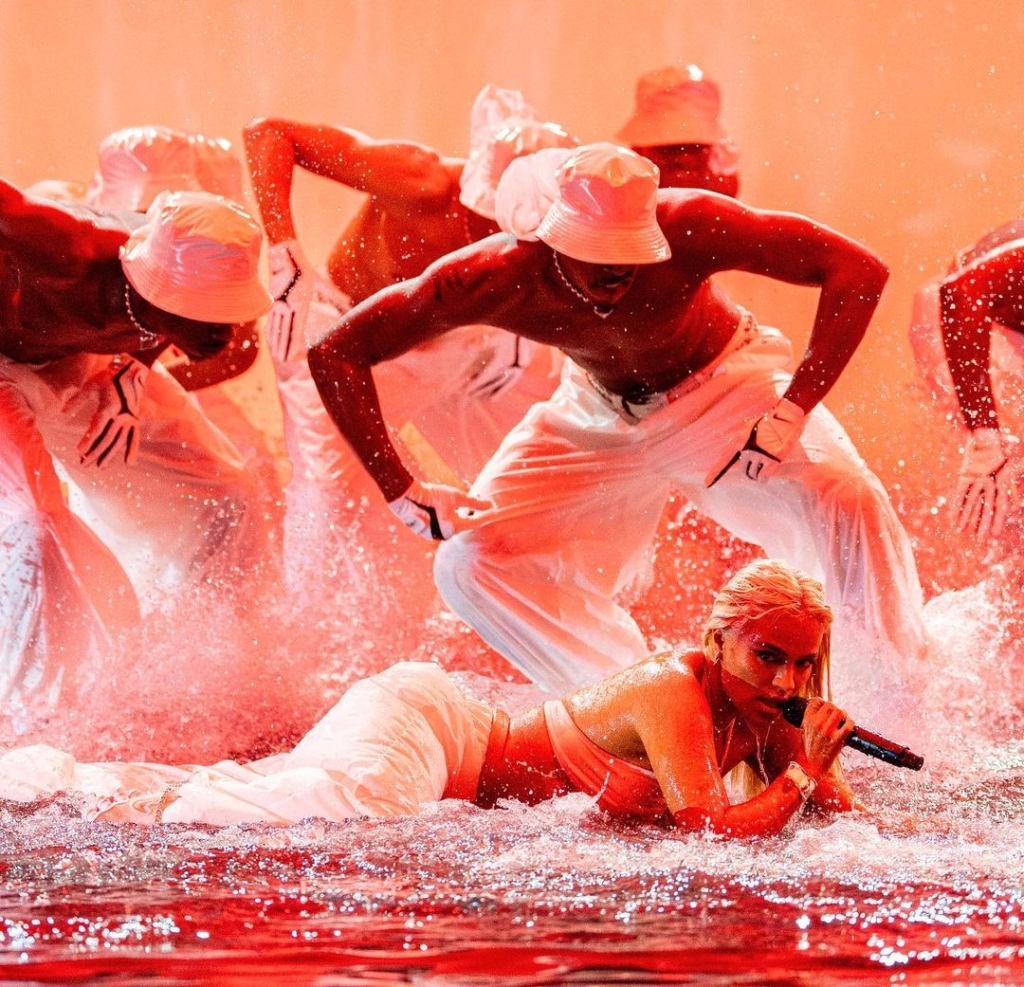
Darkness adds intrigue. Our job isn’t just to control light, but to control the absence of light. The interplay between shadow and light, especially with interesting angles, camera framing, and exposure, helps tell the story in a way that is as different as every artist. Some projects work very well being underlit and very modeled to people’s faces, for others, it simply doesn’t work. Every project is different and a chance to explore this wide-ranging toolbox.
If you could go back in time and light any artist from the past who is no longer with us, who would it be?
“John Coltrane – Live at the Village Vanguard.”
Earlier, we talked about the new tools in video and AI. How do you think technology will change the role of a lighting designer in the next five years?
AI is a tool. It’s a very powerful one, but I choose to believe that there will always be value in true artistic endeavors made by humans. We are already using this technology to speed up our process, save some time and money, and explore a broad range of ideas. But after all that, it’s still people making choices and presenting a creative work to an audience. That can be an incredibly powerful and very human thing.”
Without mentioning brand names, what is the single most important type of fixture in your tool chest?
“LED fixtures in general – between the power savings, weight savings, and improved reliability, this has been a huge innovation for our industry.”
What is the most challenging color for you to work with?
“Rainbow chase – there’s really no way to make it anything other than what it is.”
How did you become a lighting designer?
“I was working at a vintage clothing store after college, and we sold a bunch of stage costumes to the local nightclub performers. We became friendly, and I was invited to run lights for a drag cabaret one night for $25 and a bar tab. I had a blast…after that, I started doing lighting for allegedly illegal raves and after-hours parties all over the Midwest. I made a living doing that for about five years, and it started to get a little dangerous, so I gradually started taking on programming and ops work, which somehow led me here…. Honestly, I still don’t know how that all happened, just that I got incredibly lucky…”
Why did this field appeal to you?
“It beats working.”
Speaking of work, what do you think you would have done if you hadn’t become a designer?
“I originally was enrolled in a music conservatory program. I always wanted to play music for a living.”
What is the one thing you want people to know about you as a designer?
I try to do my best to capture the essence of an artist and present that to an audience. I try to recognize how expensive it is to see shows now, and strive to give the audience more than their money’s worth when they come to a concert. I try to appreciate everyone who works tirelessly, away from their families, to make these projects happen. The stagehands, techs, truck drivers, caterers, dock hands, everyone is on the same team, and deserves to be treated with respect.”