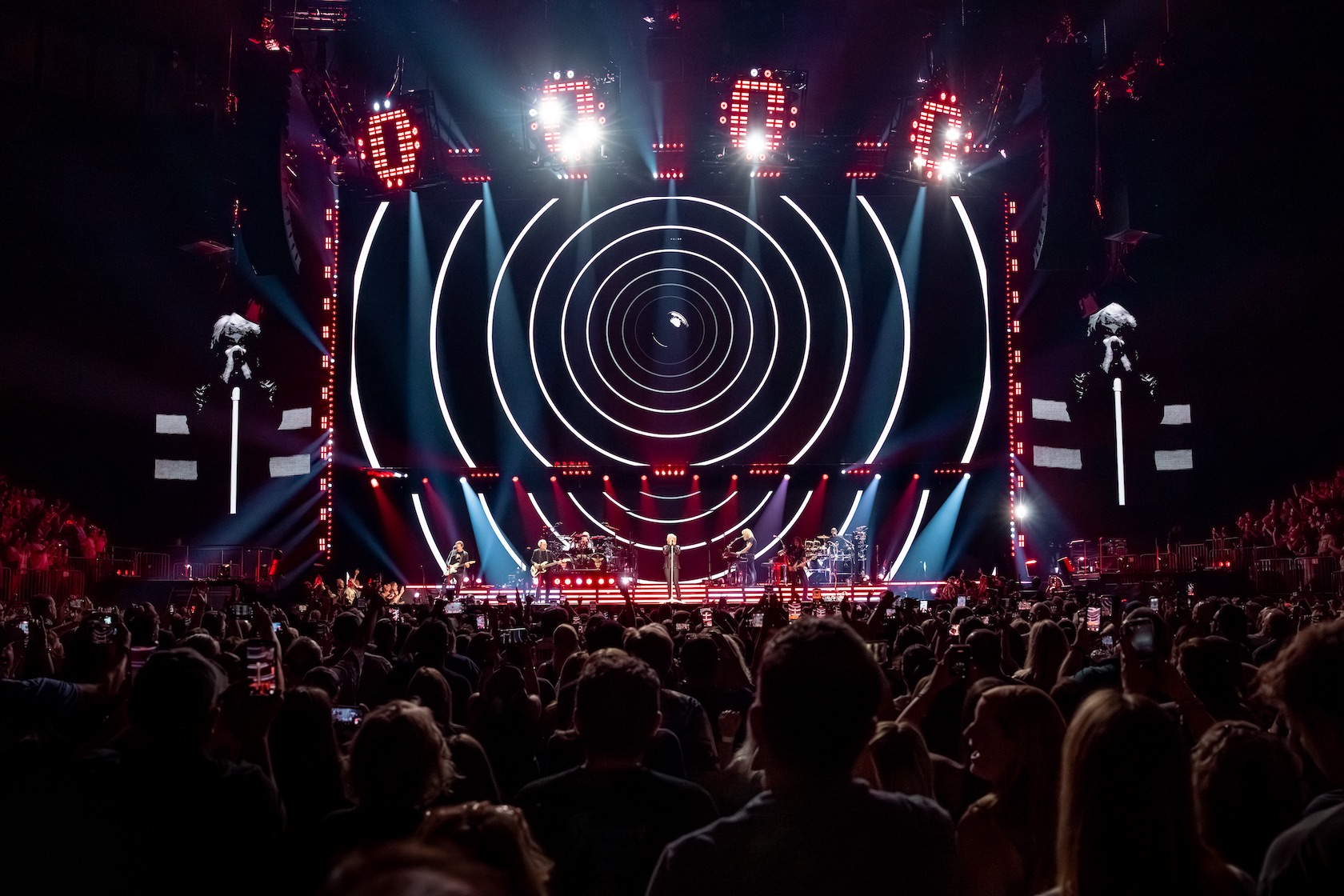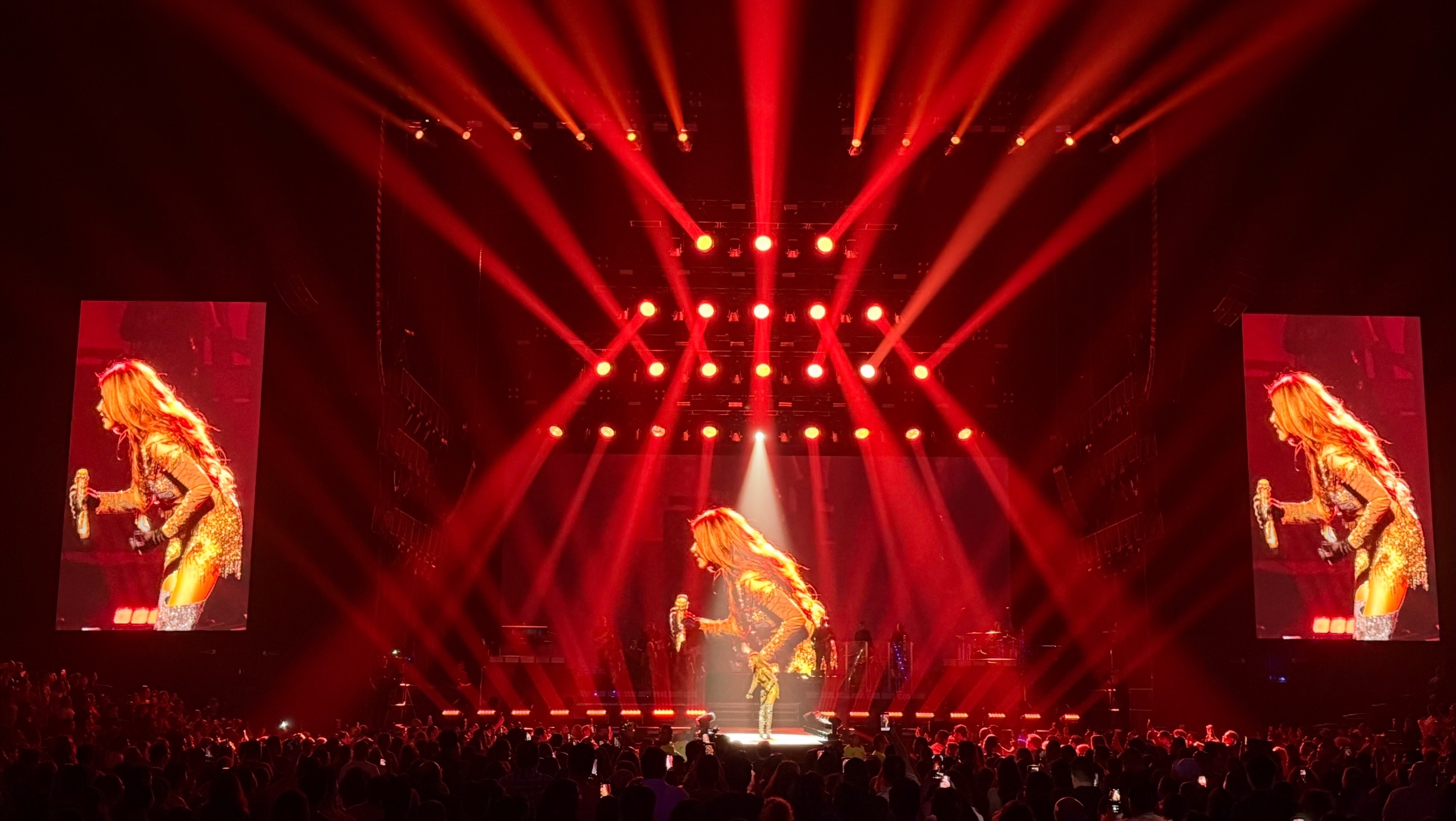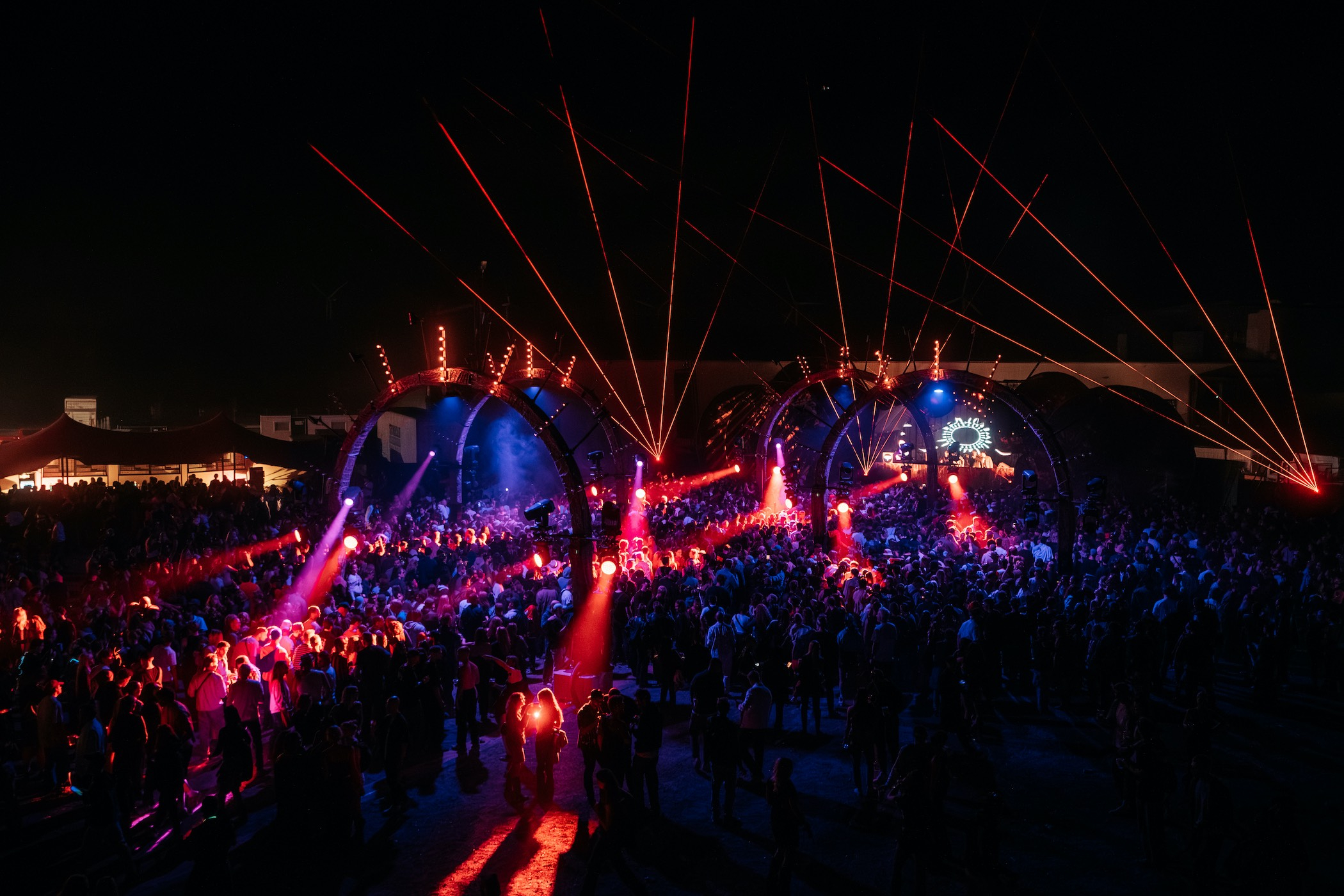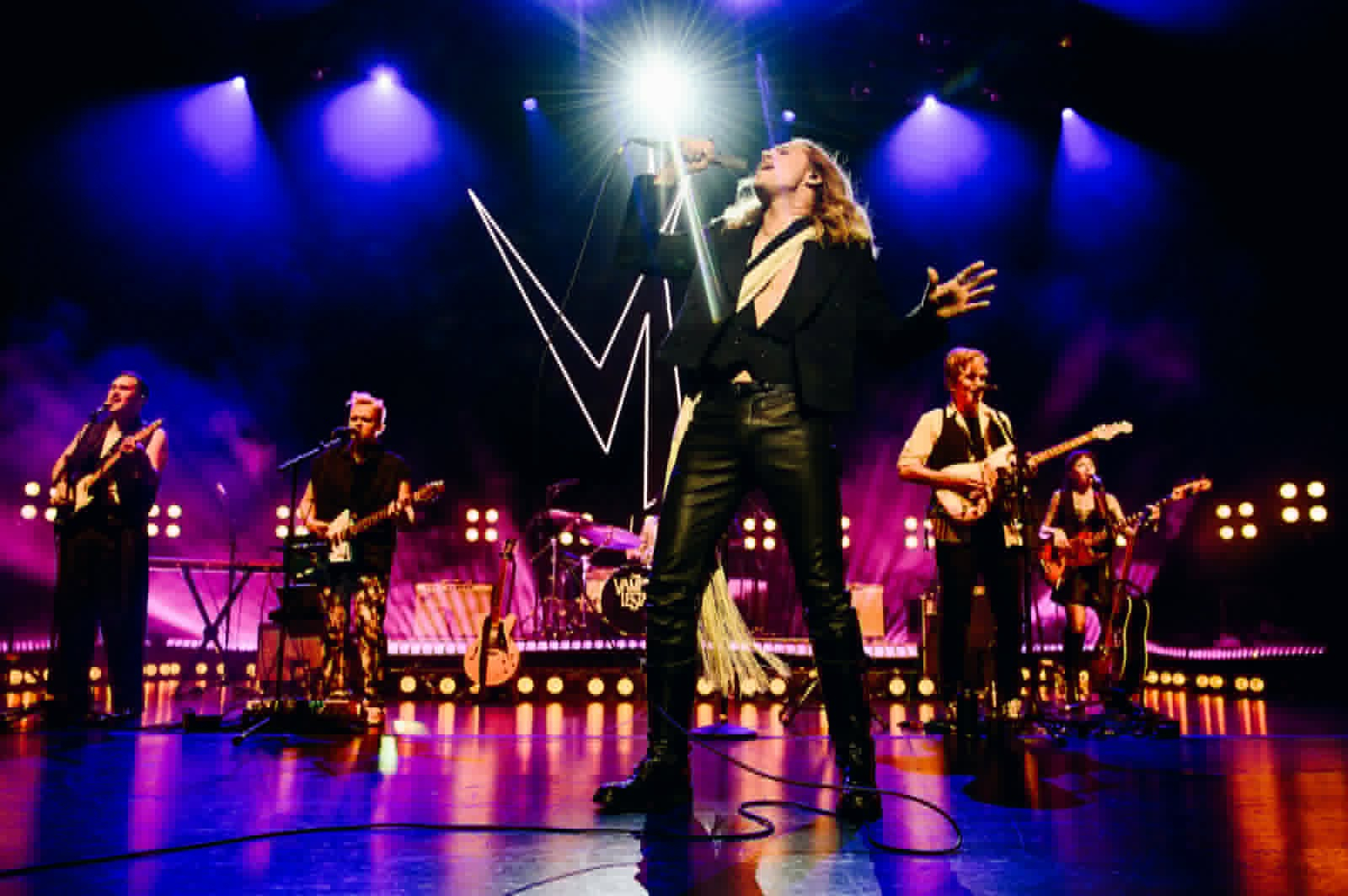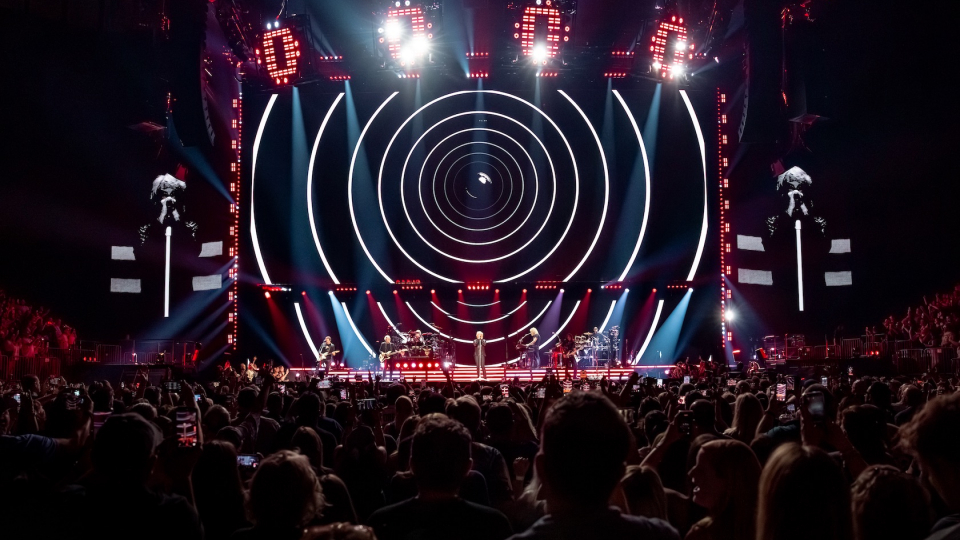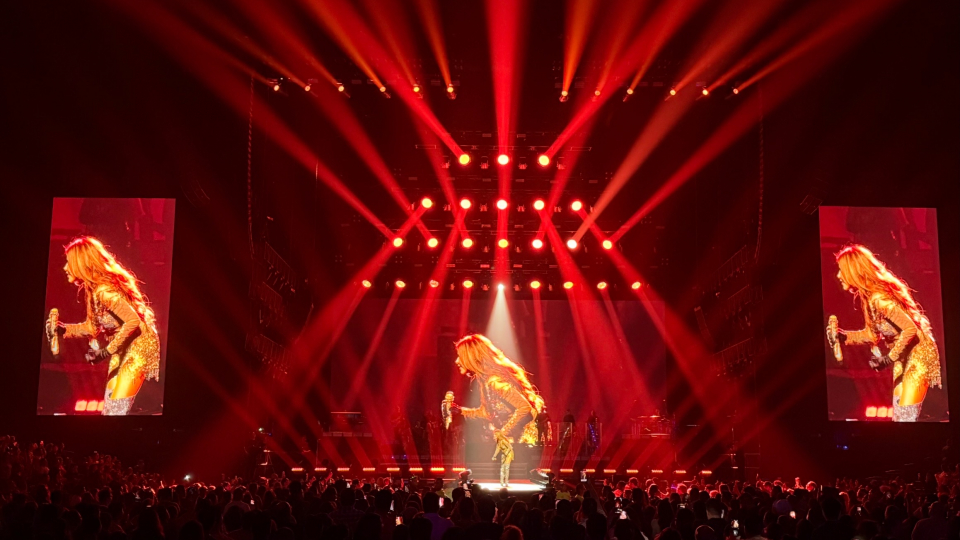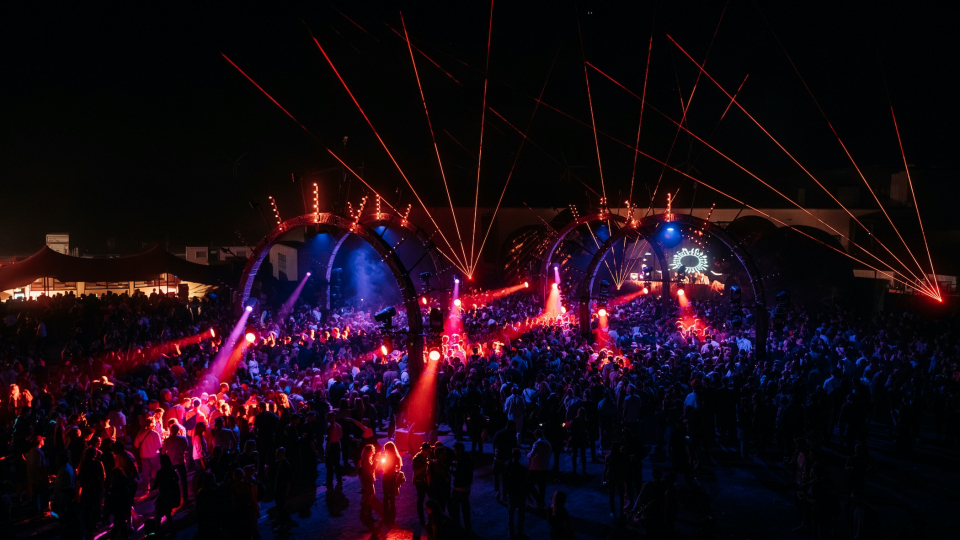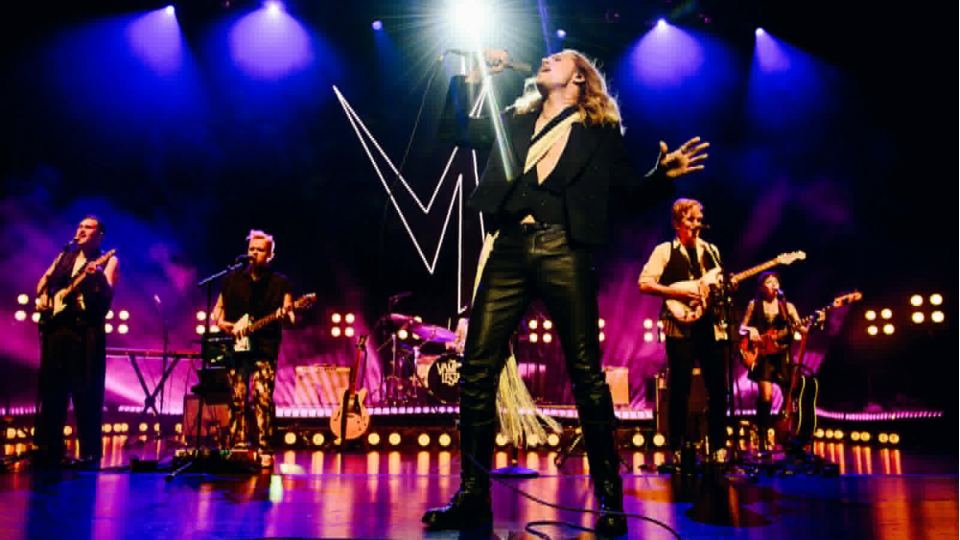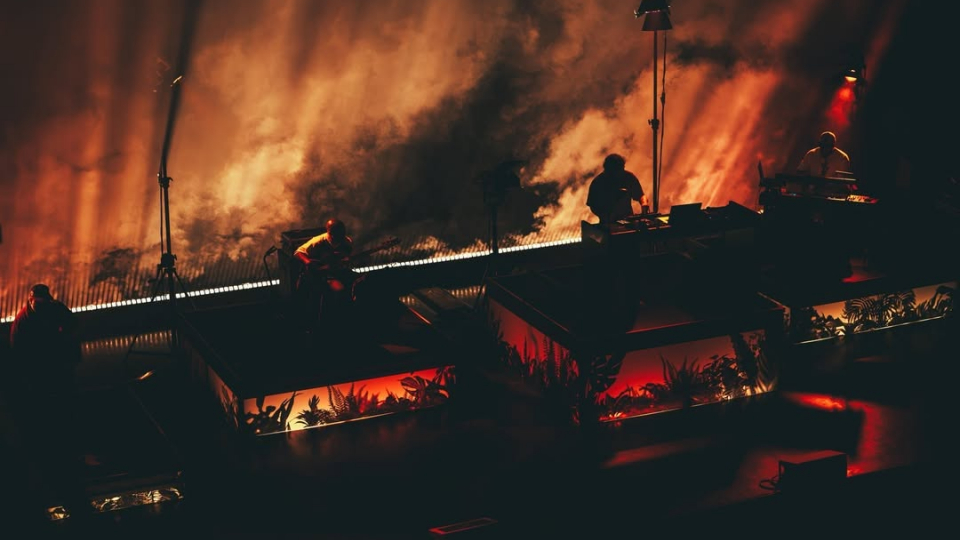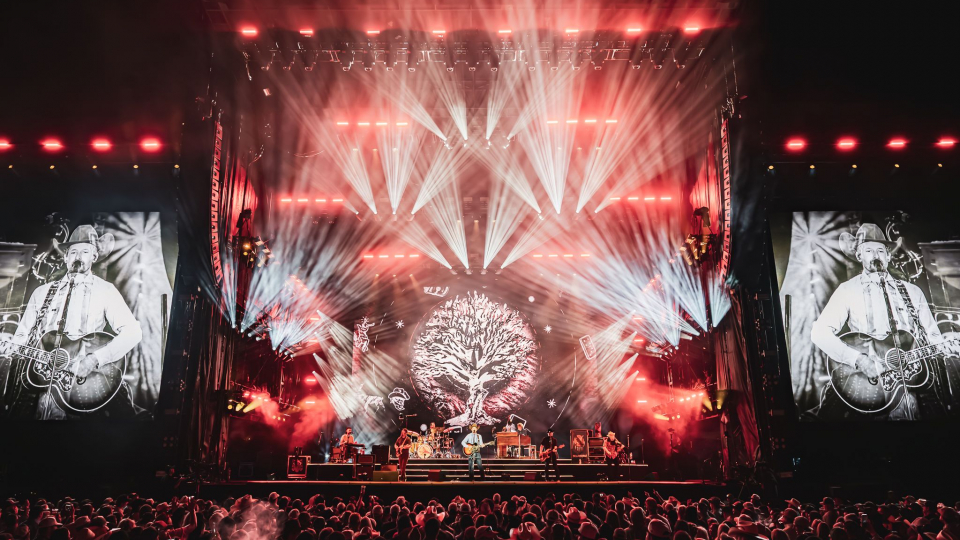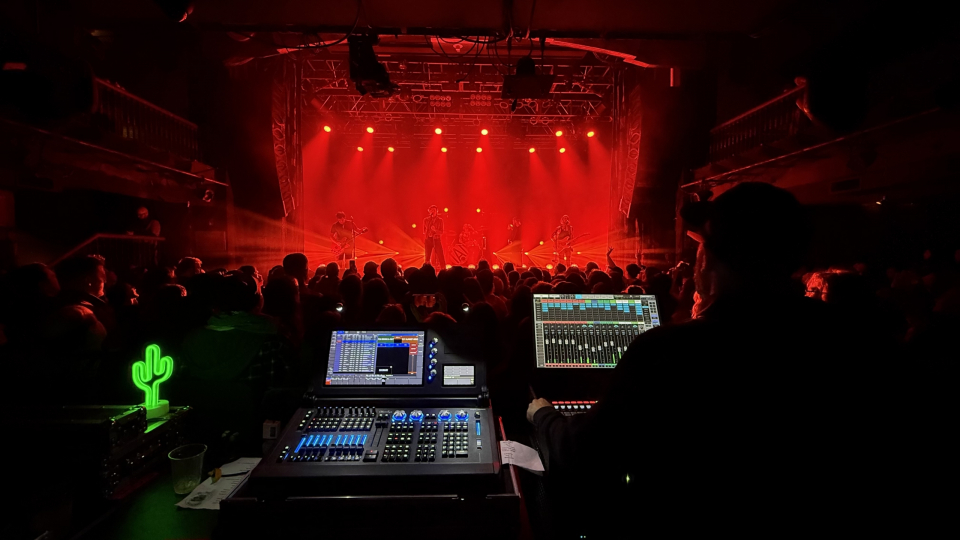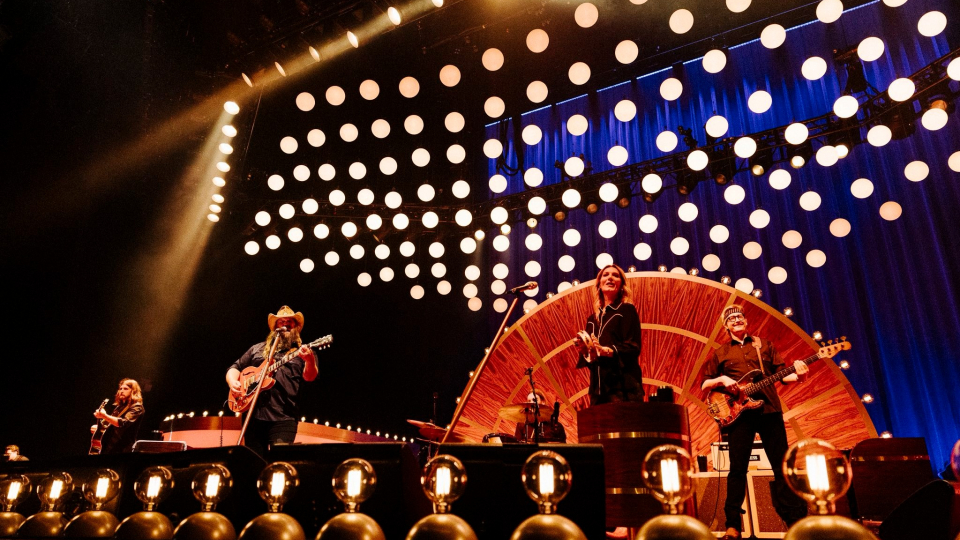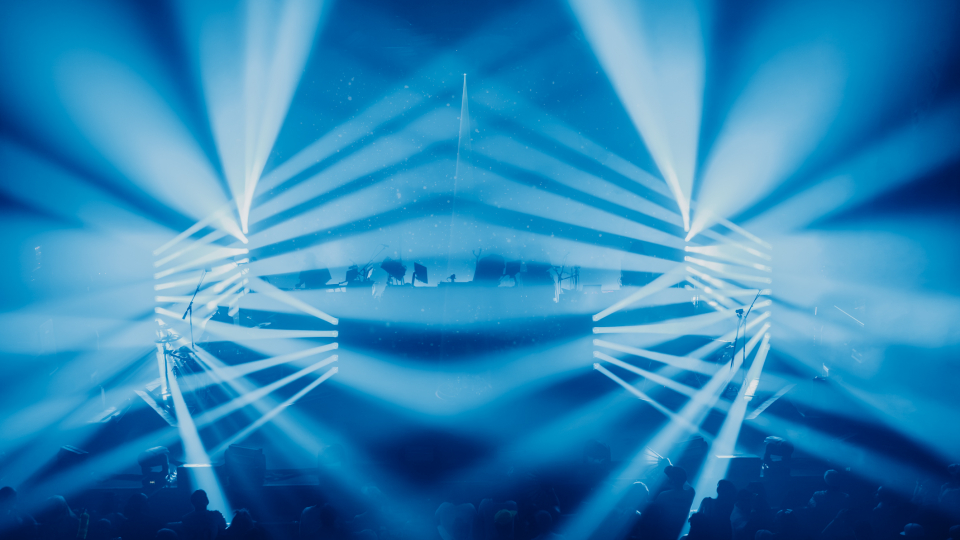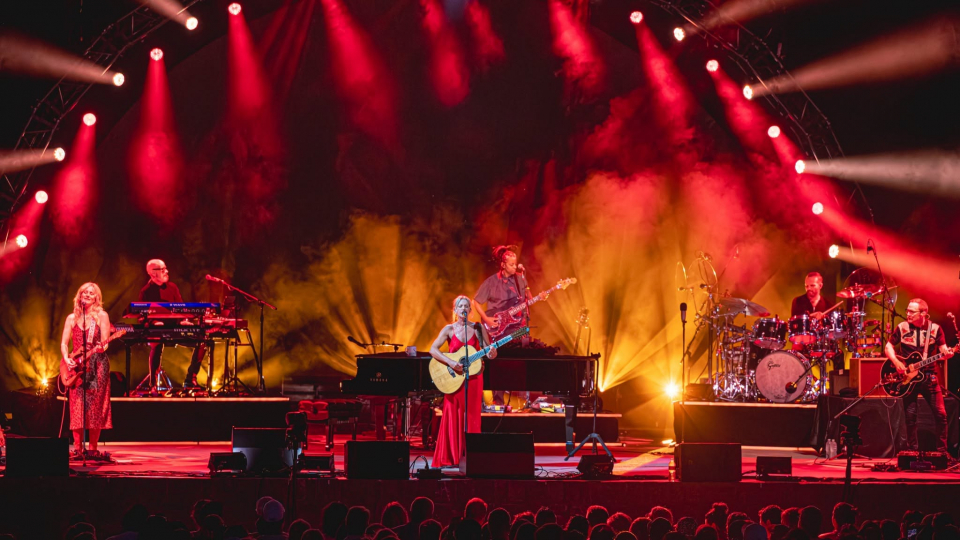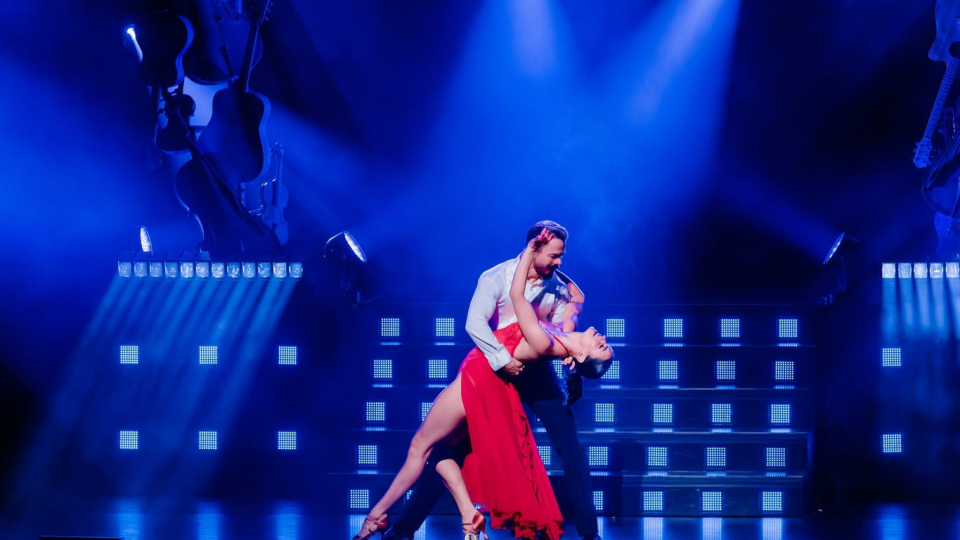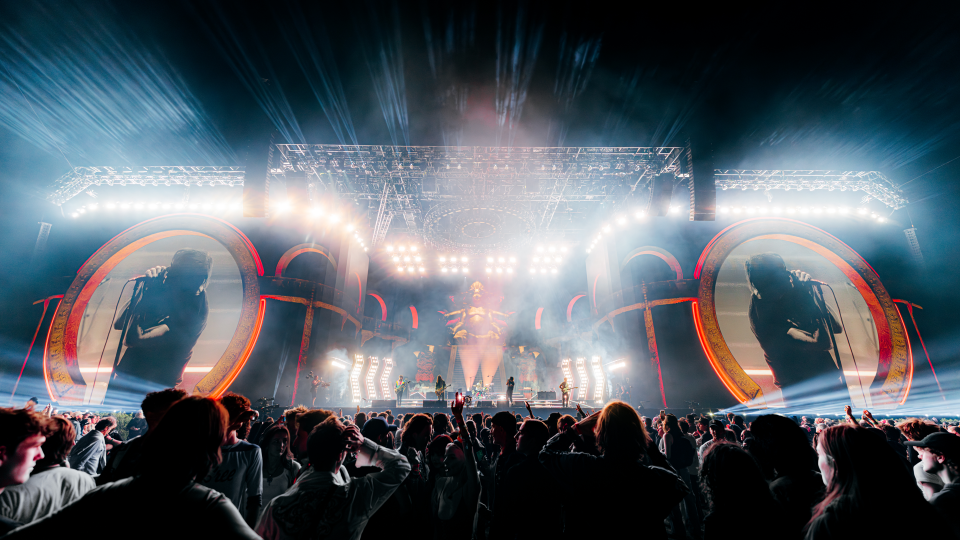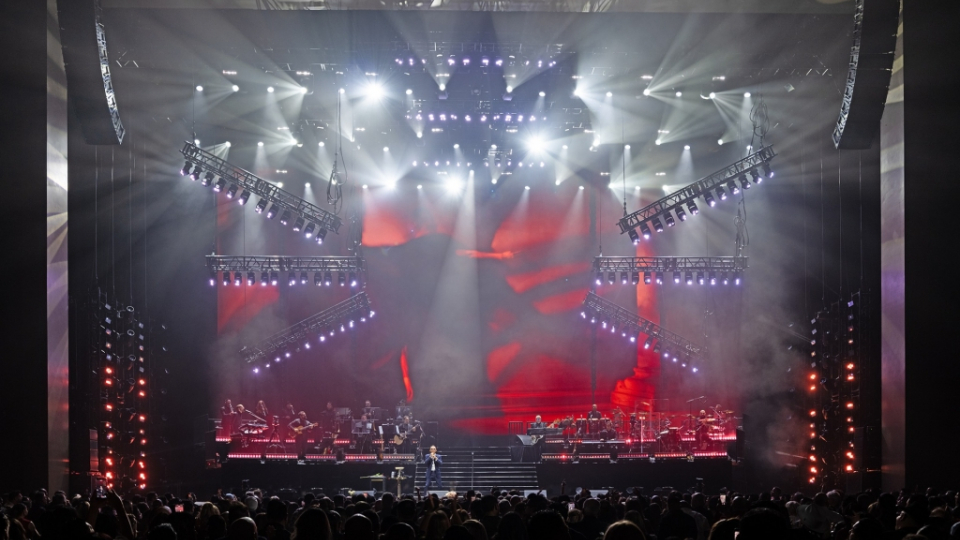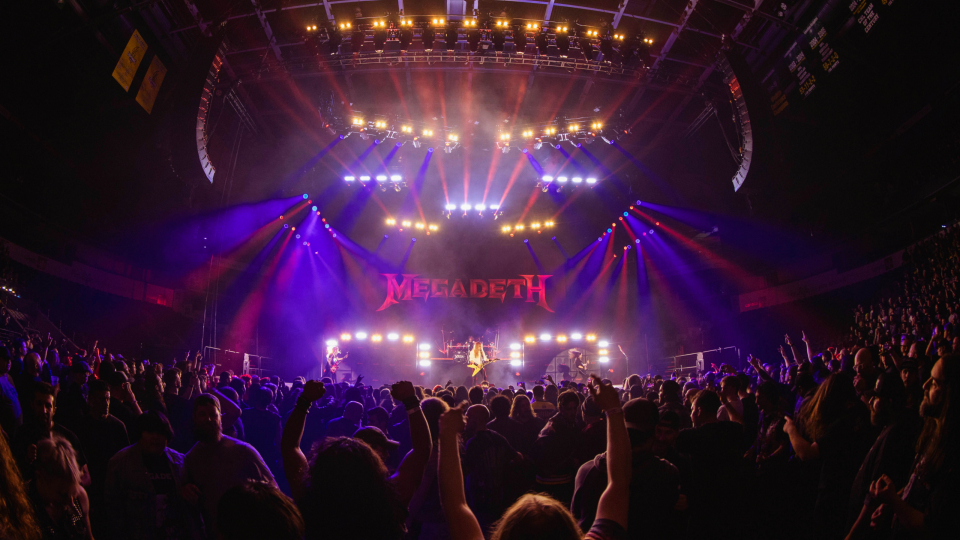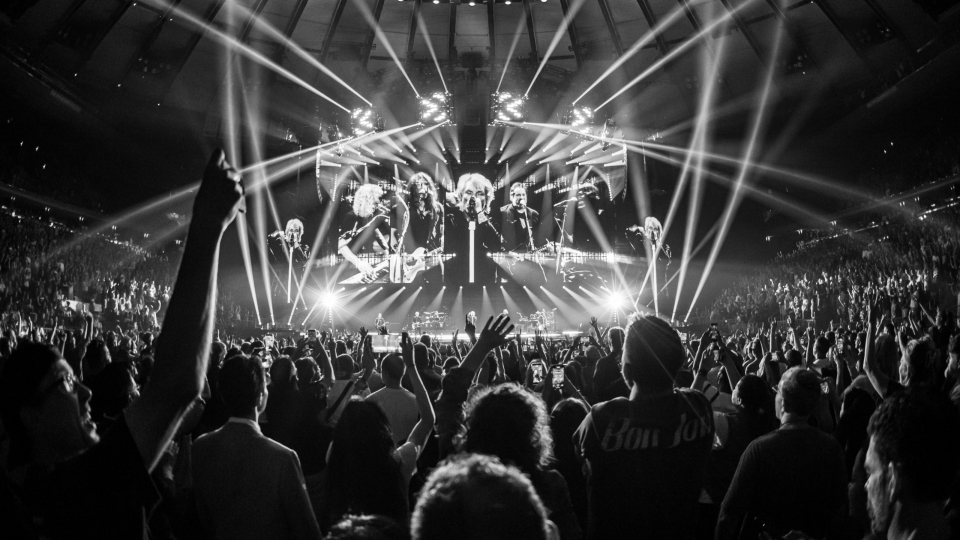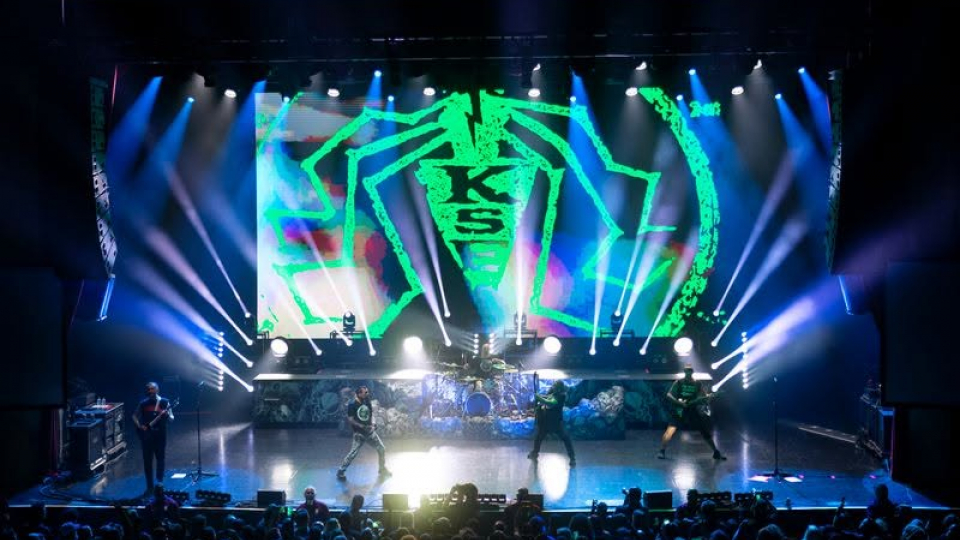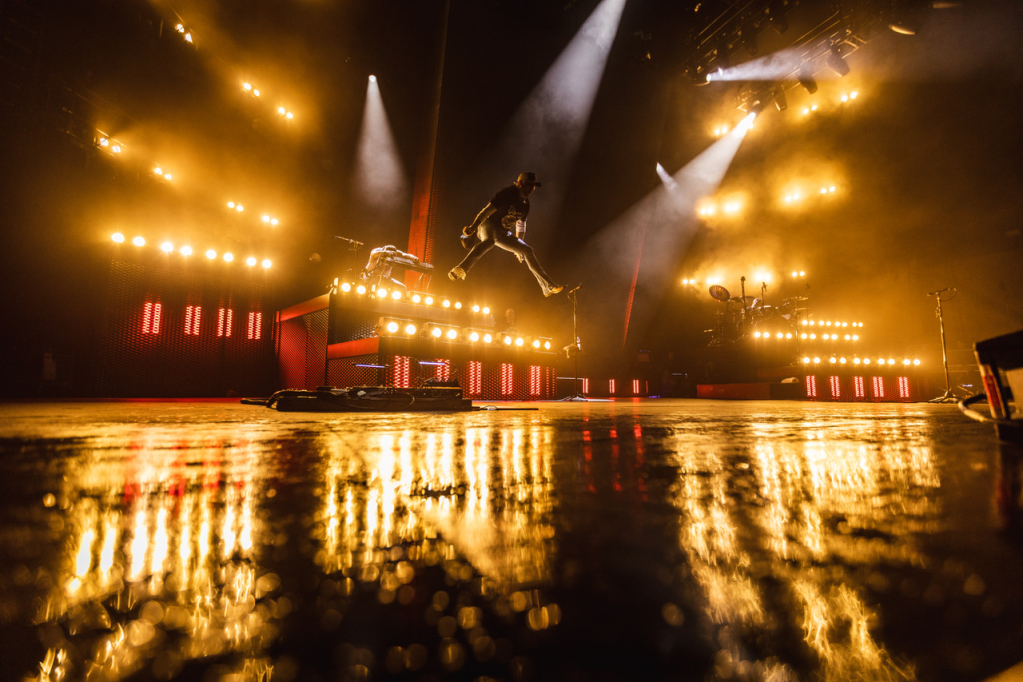
“Simplicity is the ultimate sophistication,” Leonardo da Vinci wrote. The great artist would likely have appreciated the creative philosophy that drives the work of this designer and his team at Montreal-based Lüz Studio. Although he and his colleagues have fused myriad lighting, video, and scenic elements into some of the most impressively sweeping designs in memory, Larivée tells us that he believes “limitations create the best looks.”
The all-embracing designs that Lüz Studio has turned out for clients like Jason Aldean, Def Leppard, Hardy, Rascal Flatts, Billy Idol, and Cirque Du Soleil draw their power not merely from technological wizardry but also from the simple harmonious balance that has every element of their designs working seamlessly with every other.
Larivée talked about this balance and how it works to help a design achieve its ultimate goal of moving the audience as he shared five key lessons learned in his accomplished career.

One – Lighting Is Not a Layer, It’s the Spine of a Show
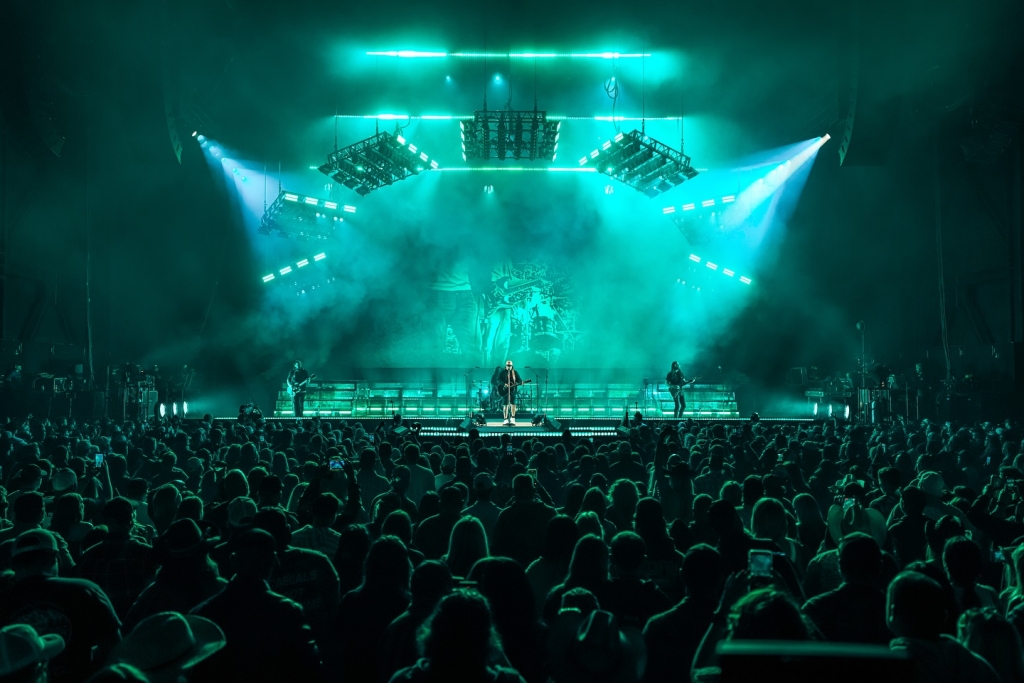
Lighting is often approached as something that gets added once the stage, screens, and content are defined. In reality, it should be the opposite. Lighting defines the space first. It gives depth, scale, and emotional direction to everything else.
When lighting becomes the spine of a show, every other element has something to anchor to. Video content, IMAG, and scenic elements stop competing and start working together.
In our work, we think of lighting as a system rather than a department. It’s not just about fixtures and cues; it’s about shaping an environment that evolves throughout the show. Once that foundation is solid, everything else becomes more intuitive.
Two – Screens Should Behave Like Light
One of the biggest shifts in modern show design is the role of screens. They are no longer just visual surfaces; they are light sources, and they need to be treated as such.
When video content is designed with lighting principles in mind, intensity, contrast, and rhythm, it integrates seamlessly into the rig. When it’s treated purely as motion graphics, it often feels disconnected, no matter how impressive it is on its own.
We spend a lot of time making sure what happens on screen complements what happens in the air. Sometimes that means doing less. A simple gradient, controlled brightness, or restrained movement can be more powerful than complex animation.
The goal is coherence. When lighting and video speak the same language, the audience doesn’t see two systems, they experience one environment.
Three – Design in Chapters, Not Songs
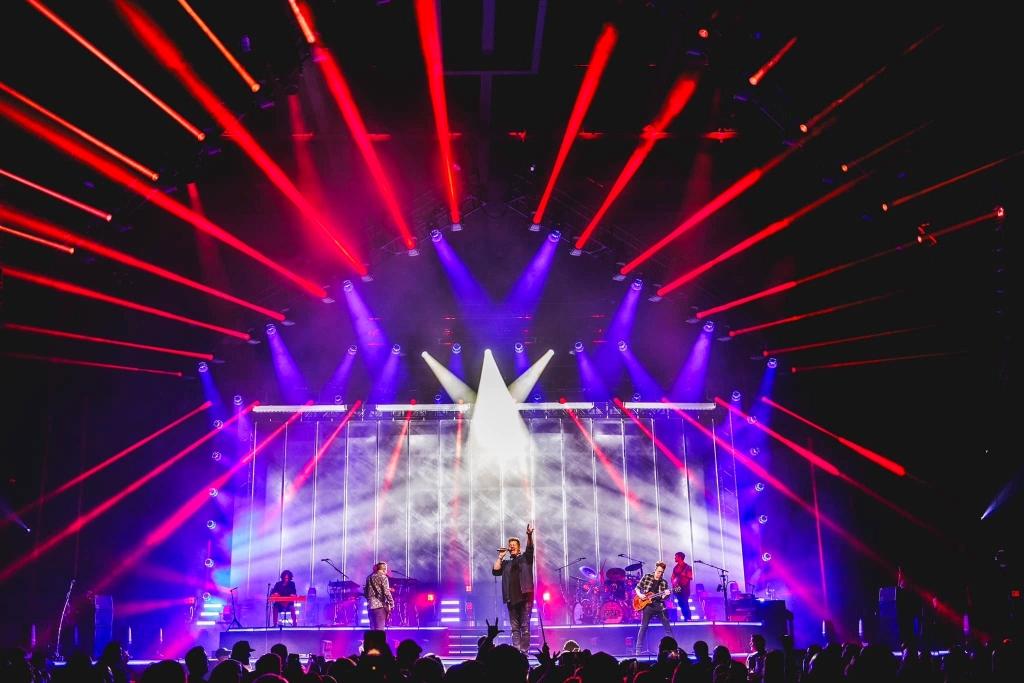
It’s common to approach lighting on a song-by-song basis, especially in touring. But audiences don’t experience shows that way; they experience a journey. Thinking in chapters instead of individual songs allows you to build continuity. A look can evolve, transform, and carry emotional weight across multiple moments instead of resetting every three minutes.
This approach creates contrast in a more meaningful way. Instead of every song trying to be a moment, you build larger arcs where lighting plays a narrative role. It becomes less reactive and more intentional. In practice, this often simplifies decisions. You’re not designing 20 different looks; you’re building a few strong worlds and letting them evolve.
Four – Limitations Create the Best Looks
Some of the most memorable designs come from constraints, whether it’s budget, rig size, time, or creative boundaries. Limitations force clarity. When you don’t have infinite options, you make stronger decisions. You focus on what actually matters instead of trying to do everything.
We often find that reducing a design to a few key ideas, a strong architectural shape, a limited color palette, or a clear visual rule leads to something more impactful. It also makes the show more cohesive.
There’s a tendency to equate scale with complexity, but that’s not always true. Some of the biggest stages benefit from restraint. A clear, bold idea will always read better than a collection of good ones.
Five — The Audience Doesn’t See the Lighting, They Feel It
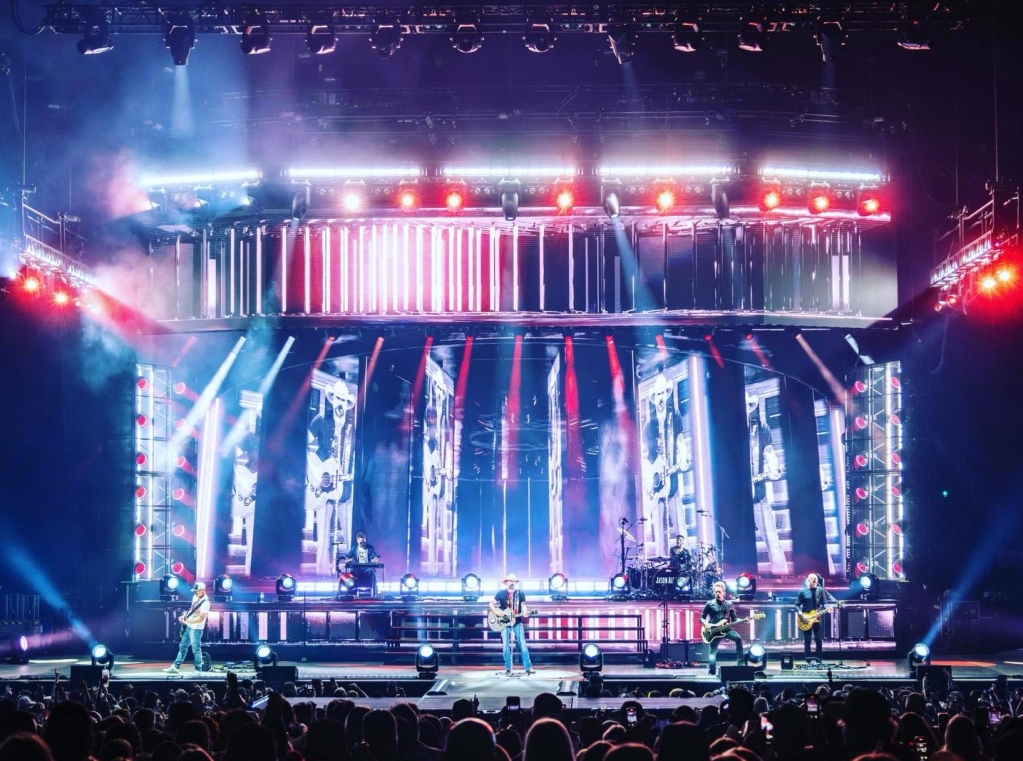
At the end of the day, the audience doesn’t come to see lighting. They come to see an artist, to feel something, and to be part of a moment. As LDs, it’s easy to go deep into the craft, to chase the perfect cue, the perfect transition, the perfect detail. But the audience doesn’t experience those moments in isolation.
They feel the whole. They feel that when everything is connected, when lighting, video, staging, and performance all move as one. They don’t see a great cue; they feel a great show. The goal is to elevate the performance, enhance emotion, guide focus, and create atmosphere, without competing with what’s happening on stage.
When everything works together, the audience doesn’t notice the individual elements. They just feel that the show was powerful, immersive, and cohesive. That’s what we’re aiming for.
Added Insights
Lighting shouldn’t fade into the background. In a live show, it takes the stage, creating impact, building tension, and delivering moments the audience can feel. The strength is in knowing when to lead and when to support. Not every moment needs to be loud, but the right ones should land with intention, where lighting becomes a distinct voice, not just a reflection of color and rhythm.
It’s one of the rare crafts that can bridge the artist and the audience, shaping energy, reinforcing emotion, and pulling everyone into the same experience.
At its best, lighting isn’t just something you see. It’s something you feel.