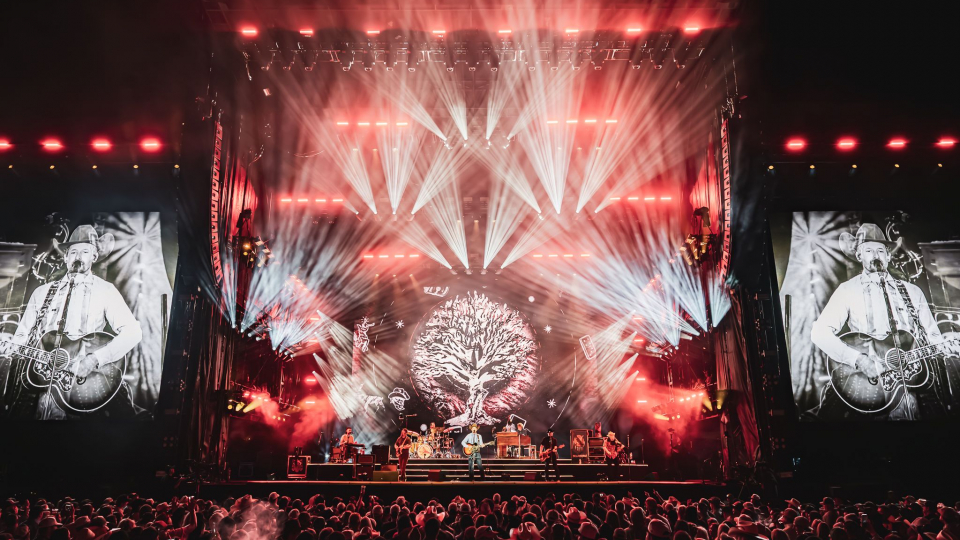
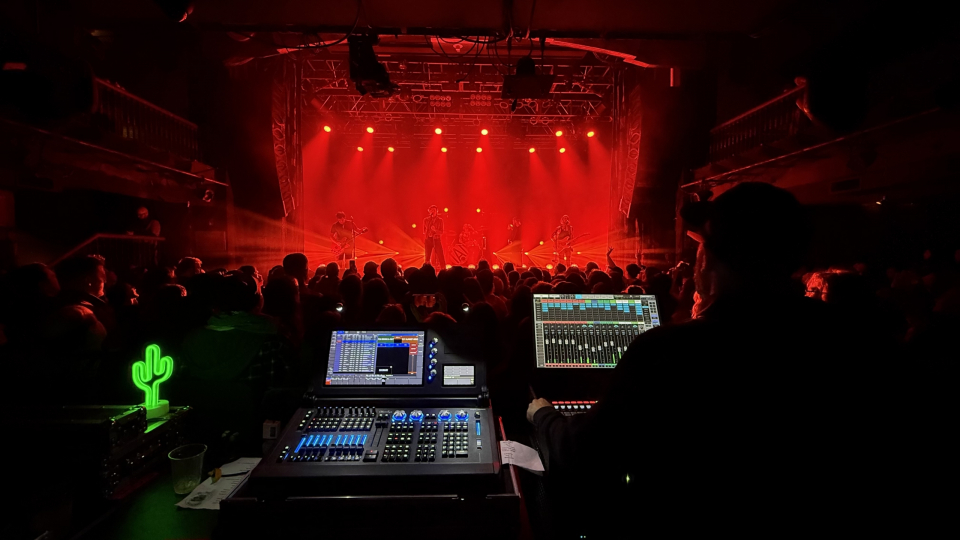
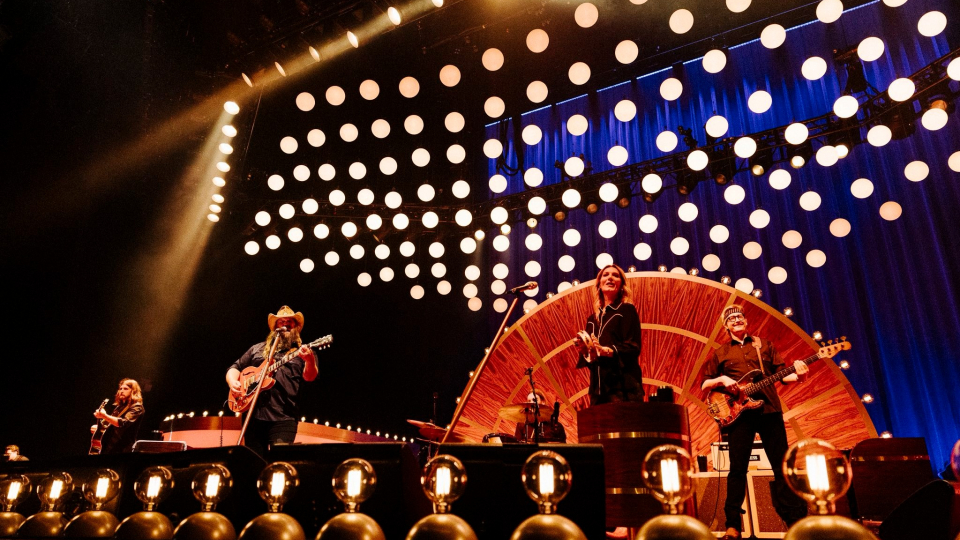
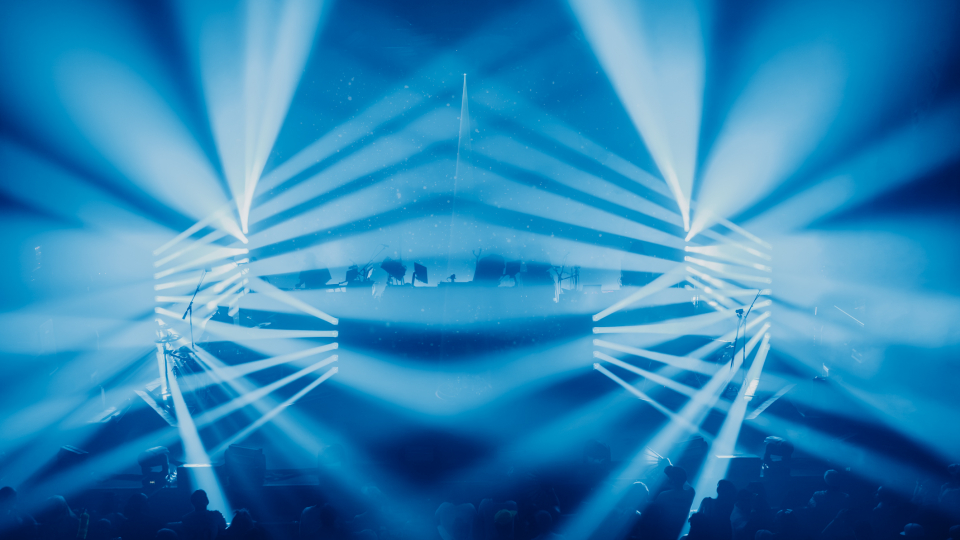
Throughout his career, the Swedish-born and LA-based designer has earned a reputation (and the widespread respect of his peers) for a fearless willingness to break with expectations and venture forth into new and uncertain creative realms. Running video through media servers and programming it on his console… taking 3D custom LED panels and marrying them to automation…Tobias Rylander has done this and much more for an impressive list of clients.
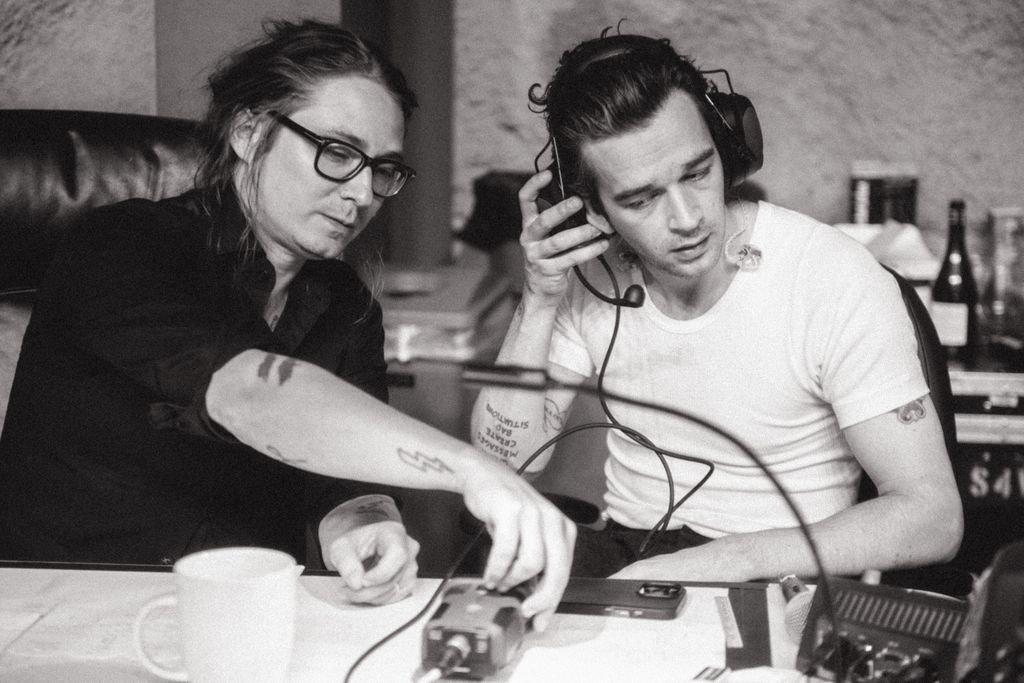
Among those clients have been Beyoncé, Childish Gambino, Ghost, and Chappell Roan. Although The 1975 might not be as high profile as some of these artists, the British band’s influence on rock and pop has been huge, in good measure because of their bold embrace of new and unconventional ideas. It is precisely these qualities that have made the quartet from Cheshire a perfect fit (some might say creative soulmates) for Rylander.
Rylander and The 1975 met at the Marquis Hotel in Los Angeles around 2012 or 13 when he was part of Roy Bennett’s Seven Design Group with Cory FitzGerald. Seeking a harder, more industrial look for their shows, the band reached out to Bennett based on his work for Nine Inch Nails. Bennett sent Rylander to meet the band in his place. The chemistry was pretty instant, as Rylander and the band’s front man Matty Healy both thrived in that magical space beyond convention.
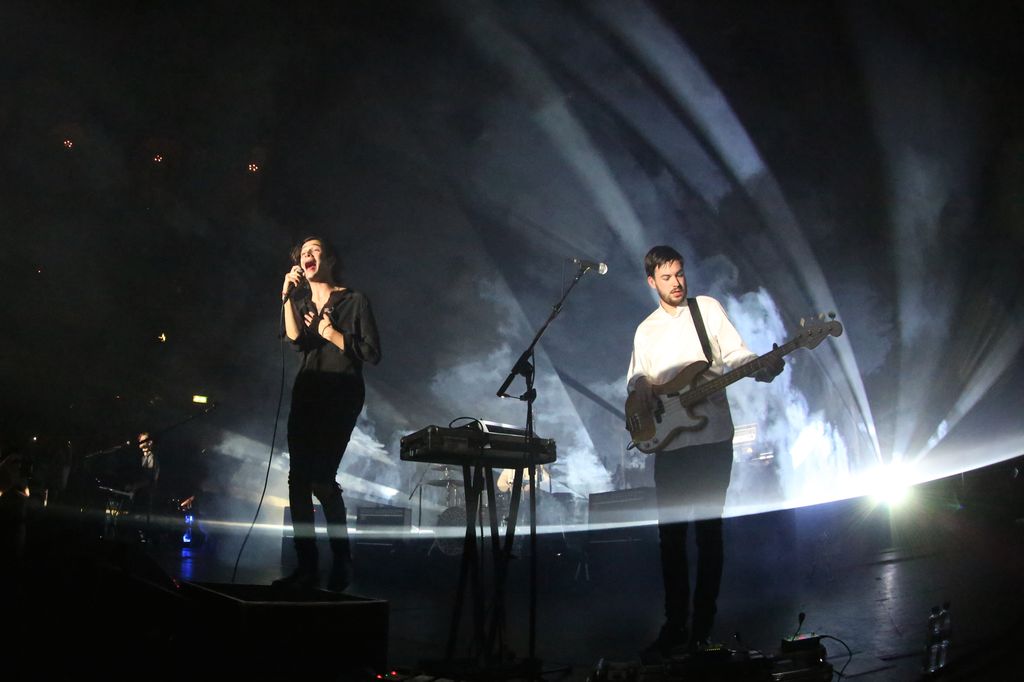
They came up with original concepts, like a monochromatic white show with aerial volumetric projections. It broke new ground. Rylander recalls being very proud of it. He has continued to do himself and his visionary client proud ever since…
The 1975 may be one of the most fiercely independent, genre-defying bands anywhere, and they’ve pioneered many defining synth sounds and things of that nature. How do you meet the challenge of reflecting this energy in light?
“Good question! I’m not going to claim that I have synesthesia or anything like that. But I do ‘see’ and feel sound. And I used to always do lighting design by lying on my bed in a dark room and listening to the music… and in that way sort of built the lighting looks.
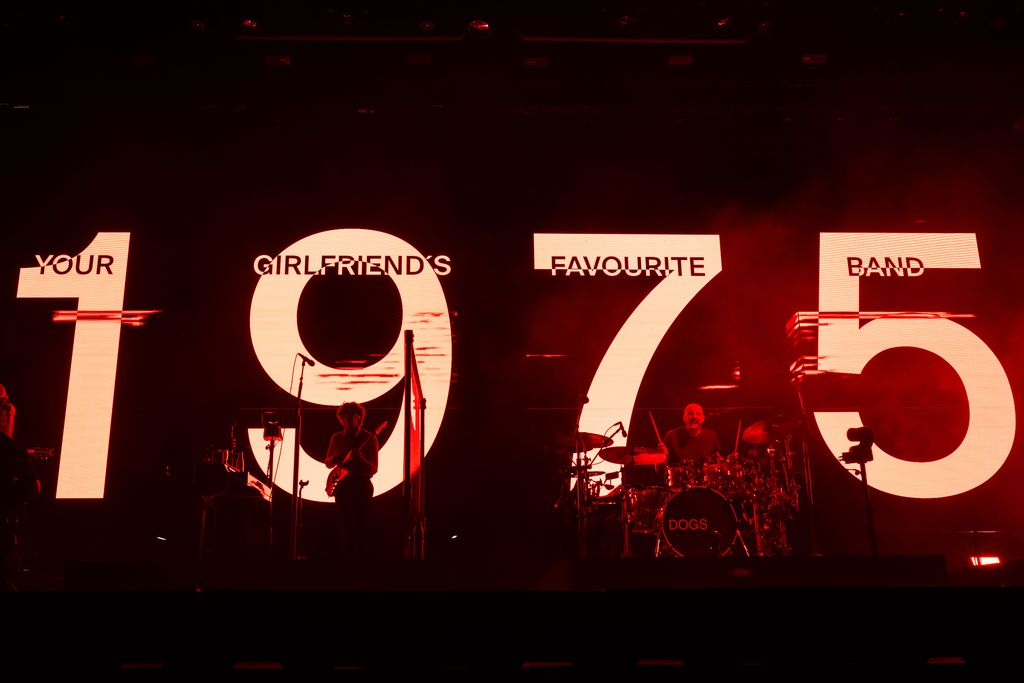
“With The 1975, I have always used video as lighting. Both video projectors as lights and volumetric aerial projection. I later went on to use LED Screens as my main lighting instrument. Running all video through media servers and programming it on my console, just like any light fixture. This really gave us a lighting instrument where I could strobe and hit glitchy and static noise patterns and so forth. So, I would say video as light and light as video has been our greatest accomplishment in doing something musical with light. I could talk about it for hours!”
Matty Healy is one of the most notable and talkative frontmen. What is it like lighting him?
“True! Matty is one of the most colorful, invested, and dedicated artists that I have ever worked with! It’s been 15 years, and I now consider him one of my best friends. But when it comes to work and design, he always pushes me to my limits and beyond. He has always had a very conceptual approach to the shows. He usually is several steps ahead of the rest of us, and it can sometimes be hard to know where we are headed. In the same way, he puts his trust in me, believing that I create something unique and beautiful. I trust him in that he knows what he is doing and where we are going!”
We know you have done quite a few breakthrough designs with this band. What are some of the more noteworthy shows you did for them?
“Yes, true — I actually think all of the campaigns and different tour designs have been groundbreaking to some degree, each in its own way. The self-titled first album, when the main lighting instruments were five upstage projectors pointed towards the audience, was special. That and a bunch of LED liner video fixtures were all we had, but it was really a unique look.
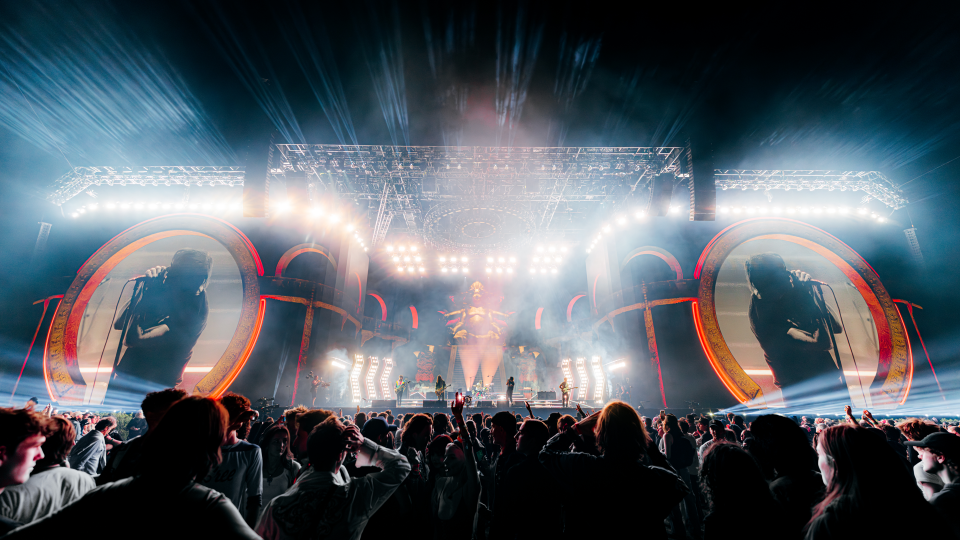
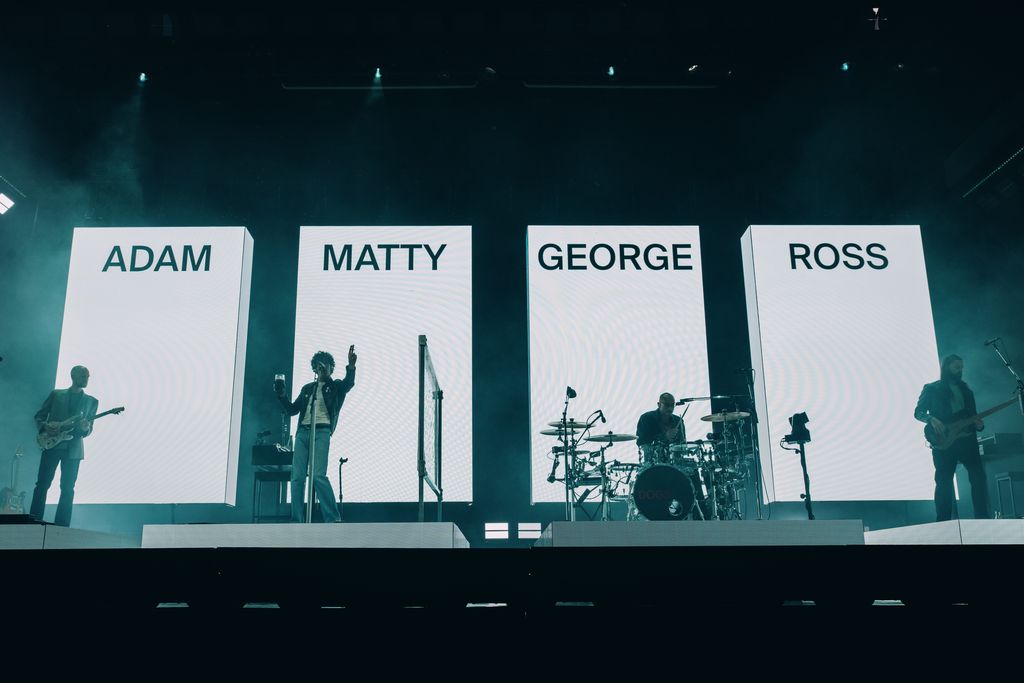
“That’s where I fell in love with programming video like a lighting fixture with full intensity and color control. The video outputs basically became really cool and unique ‘gobos.’ From there we went on to be very architectural using LED video tiles in three-dimensional ways — used as side light and lining the stage with monoliths and columns. Where the whole stage became an art installation, much inspired by James Turrell. This was in 2014-16.
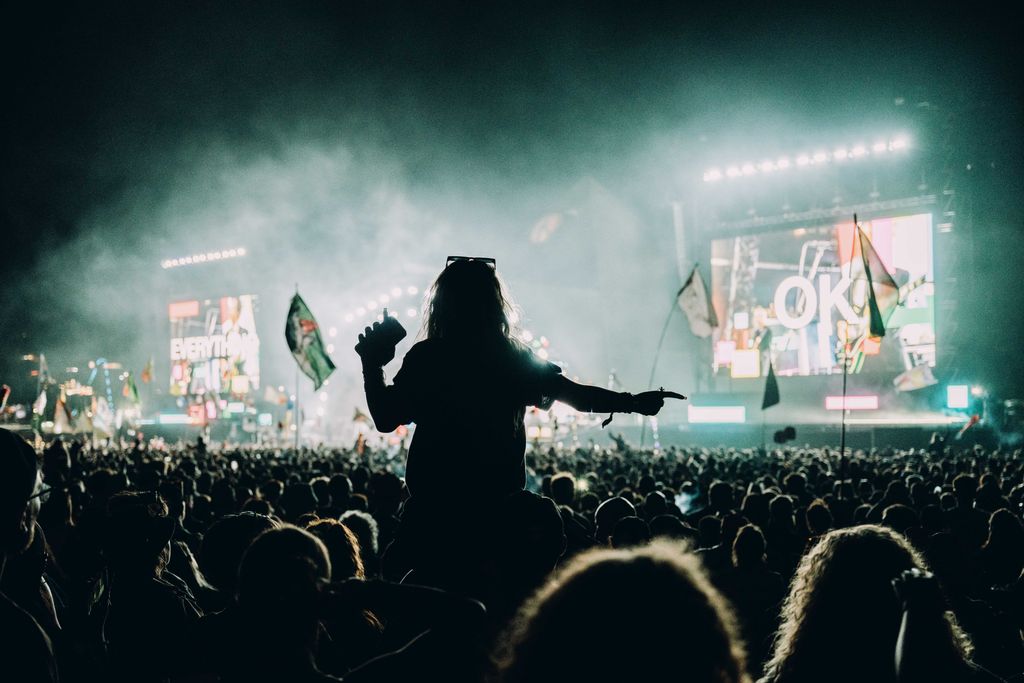
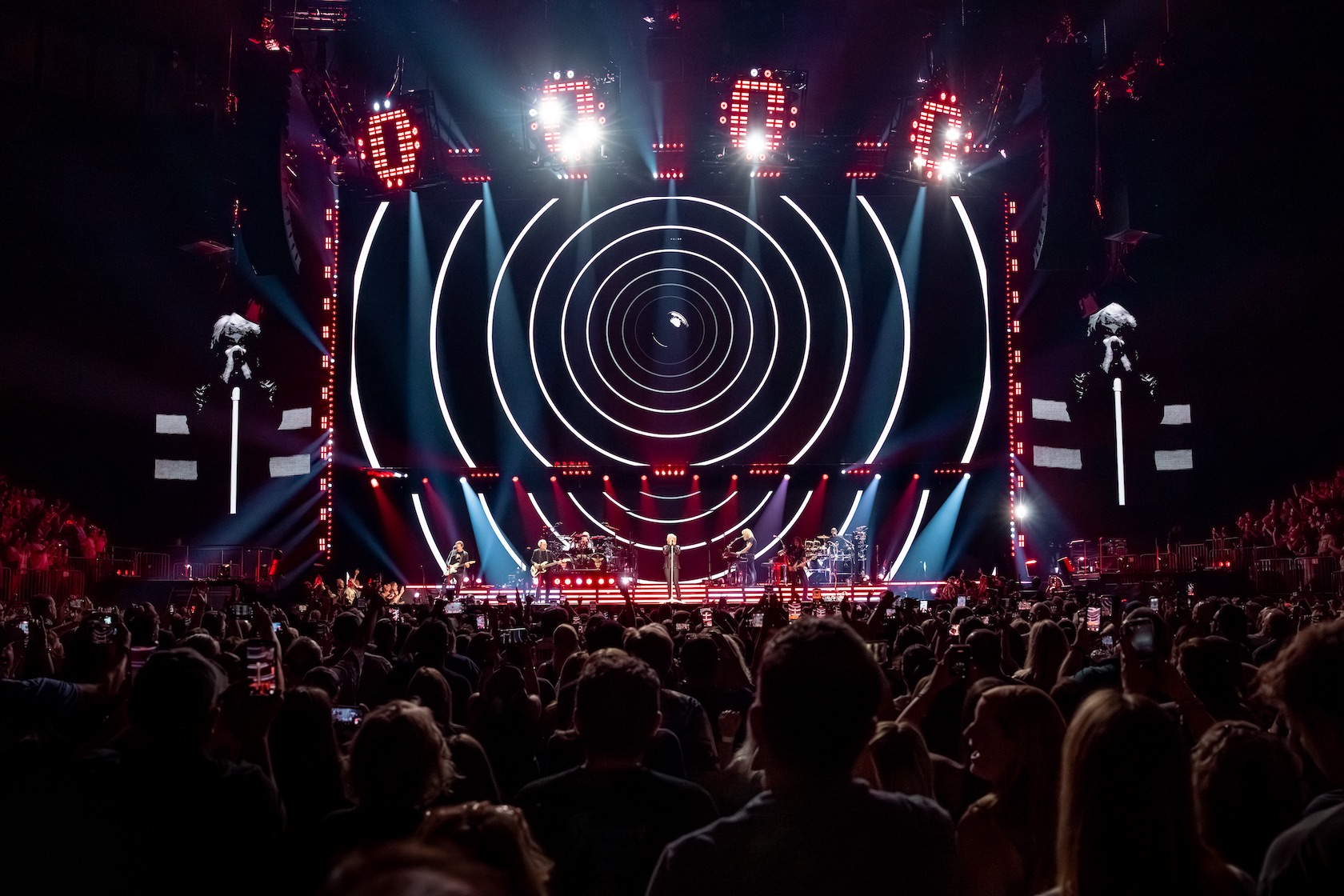
“We then took these 3D LED custom-built screens and scenic elements even further by adding automation. Huge four-sided flying LED video cubes and frames came in 2017-18-19. We really are a band and show people expected us to deliver huge video-driven spectacles and productions!
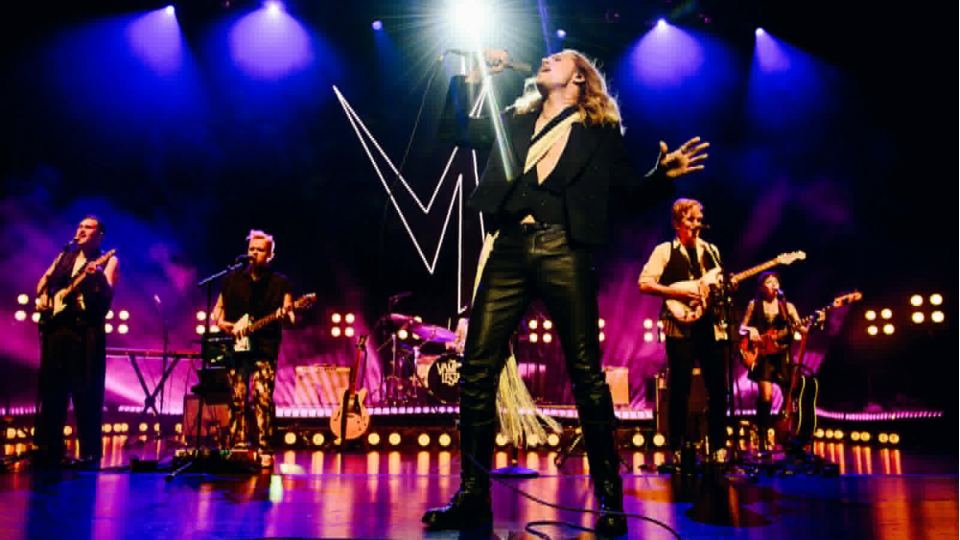
“I think this is where Matty also always goes in the unexpected direction. And where we end up creating really new, unique and exciting shows. So, rather than continuing to do the Big LED shows, we went 180° and made an analog theater set, with a minimal lighting rig with tungsten color temperatures and Foley sound effects. So, each of the shows is noteworthy in its own way, I must say.”
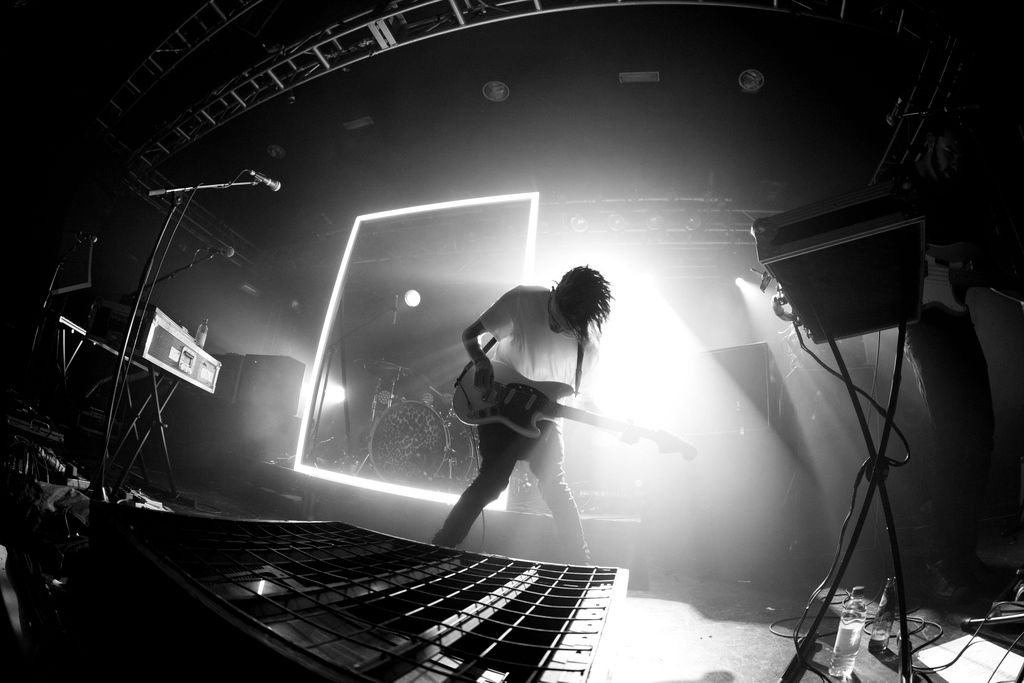
How much of a role does the band play in determining their lighting design?
“Well, Matty is very much involved in what they want to look like on stage. He always has the final say. But we are pretty much in tune with each other by now. Darren, the band’s long-time touring Lighting Director and programmer, and I pretty much know how Matty is going to want things. We rarely have to start over or change a look very much. And when we do that, it’s because we didn’t fully understand where Matty wanted to go with the song.”
Are there any particular kinds of lighting looks that the band wants to stay away from on stage?
“We have always avoided lighting rig looks with lots of different fixtures and what I usually refer to as eye candy. The lighting rig and the fixtures need to be purposeful and have function. We always go for quality before quantity. But, ‘Lighting as Video and Video as Lighting’ has somewhat become our motto. It’s also fun working for this long with a band. We all know what color combinations and looks each song has got. Even the fans can tell by the colors of a song on a still photo what song it is.
“We usually say that the concepts, designs, and looks of each song should be recognized by thumbnail. The fans should know what tour, what design, and what song they are looking at just from a thumbnail still picture. That’s when you have achieved a really unique and effortful design and concept.
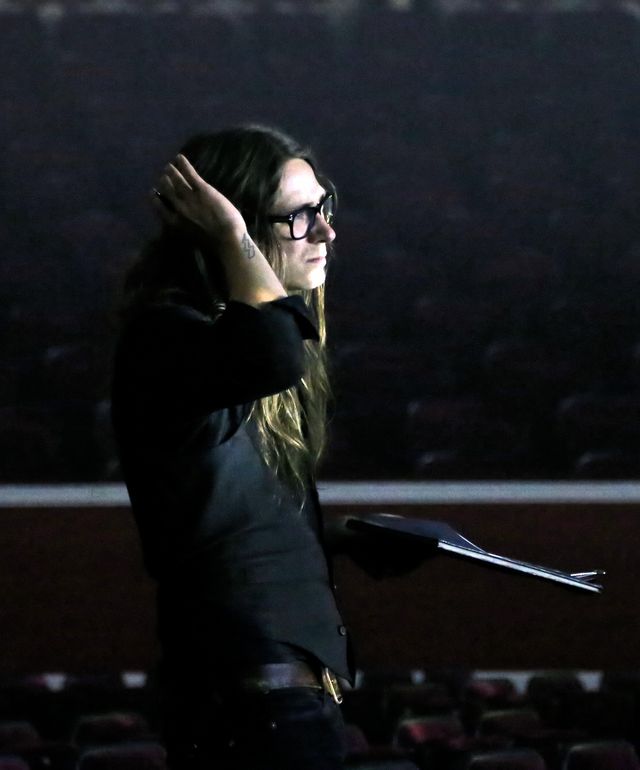
How has working for The 1975 changed you as a designer?
“Working with The 1975, Matty Healy and their manager Jamie Oborne has changed me in every way possible. Not only have they put their trust in me and my sometimes crazy ideas, but they also have let me grow side by side. As the band grew into global success, they took me along with them. We even shared management since 2017! Jamie and Mark from All On Red management take care of me these days, which has been convenient for all of us. It has become ‘family business.’ Working with The 1975 is when I get to do what I do best – come up with the original concept and design, everything from idea to video content, the physical stage and set – all while working closely with Darren on the lighting and programming. They really let me do my thing, and I think that shows!”
If you had to sum up the experience of working for this band in three words, what would they be?
“Inclusive, Immersive, Independent.”