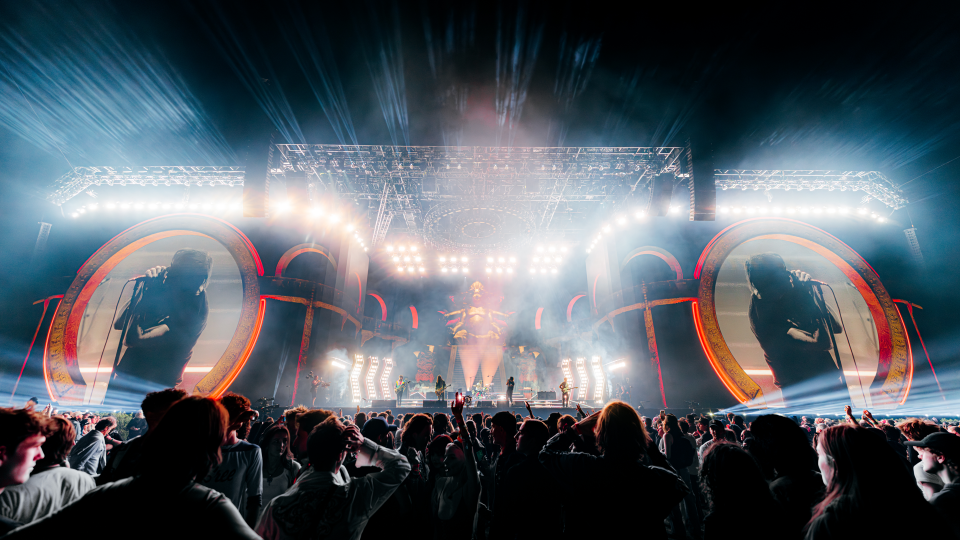
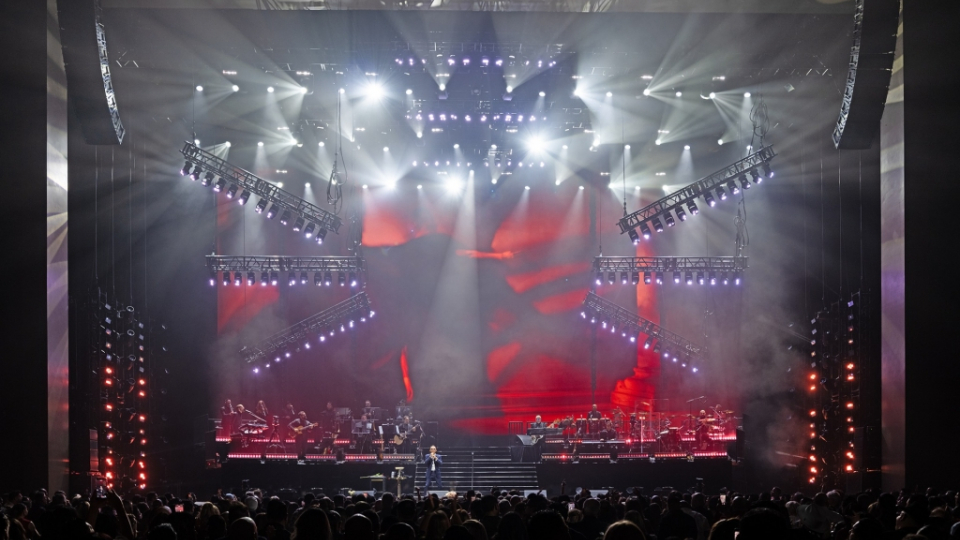
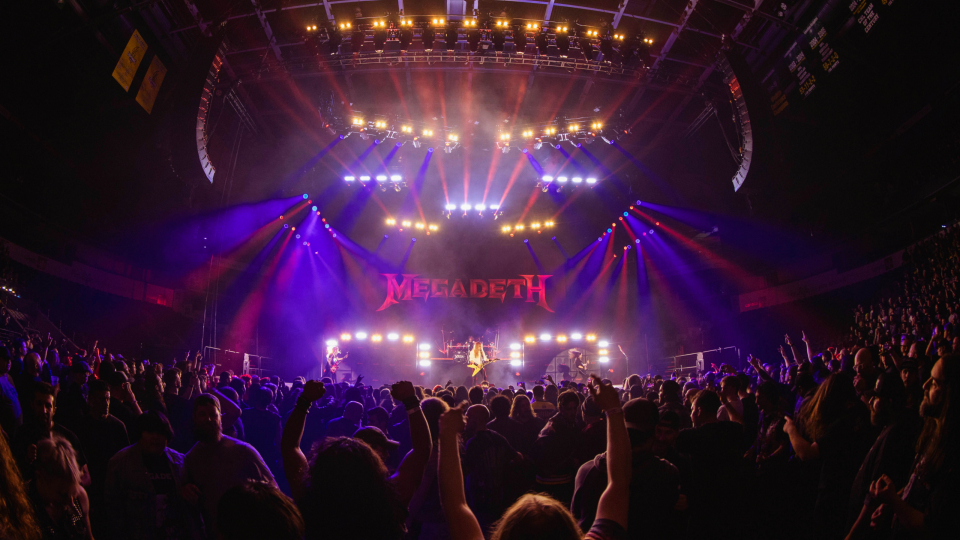
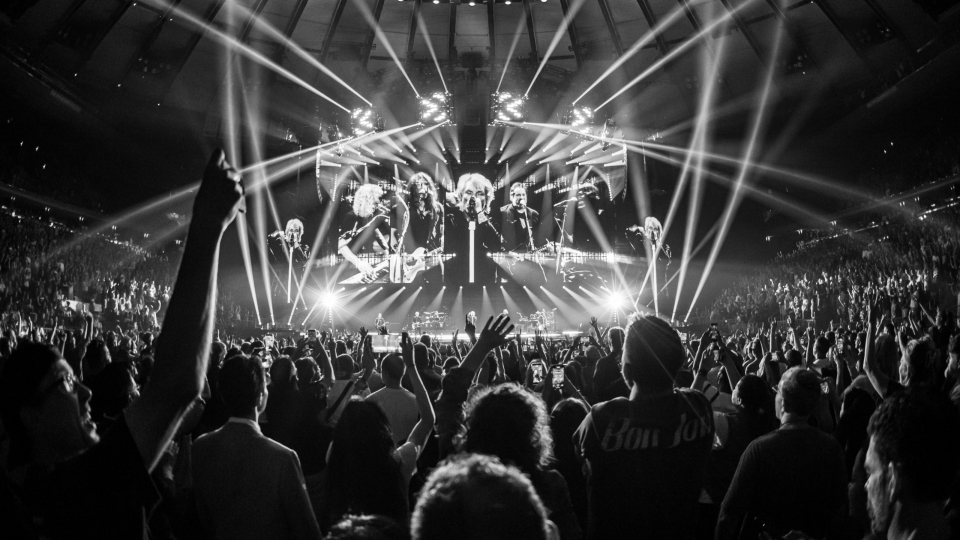
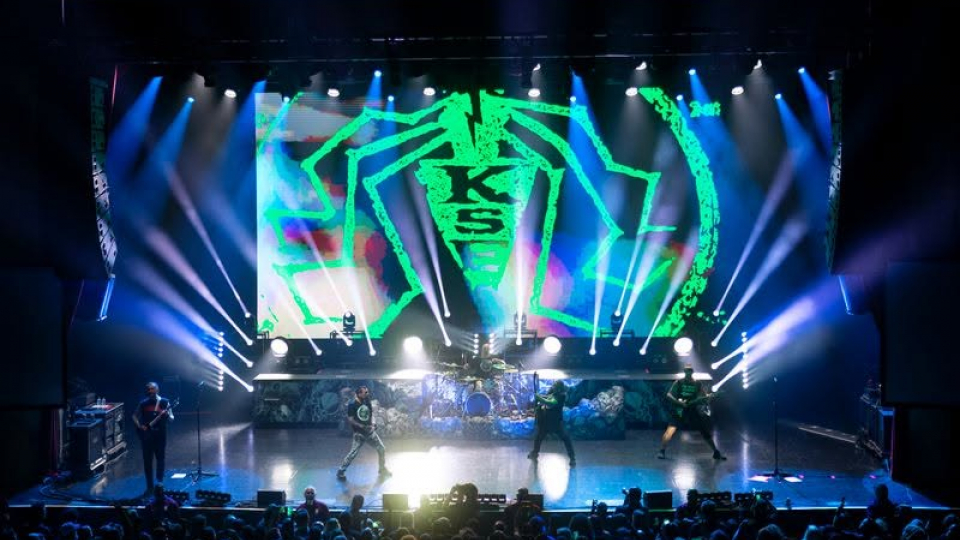
Officially, this column is called “5 Lessons In Light,” but in the case of this Los Angeles-based creative, the term hardly seems adequate. One of the industry’s earliest and most influential VFX compositors, Mark Devlin has boldly wove a breathtaking array of practical visual effects, video imagery, and 3D animation along with light into stunning designs for the likes of Judas Priest, Metallica, Taylor Swift, Disney, The CMT Awards, Dick Clark’s Rockin’ New Year’s Eve, and KISS, to name a few.
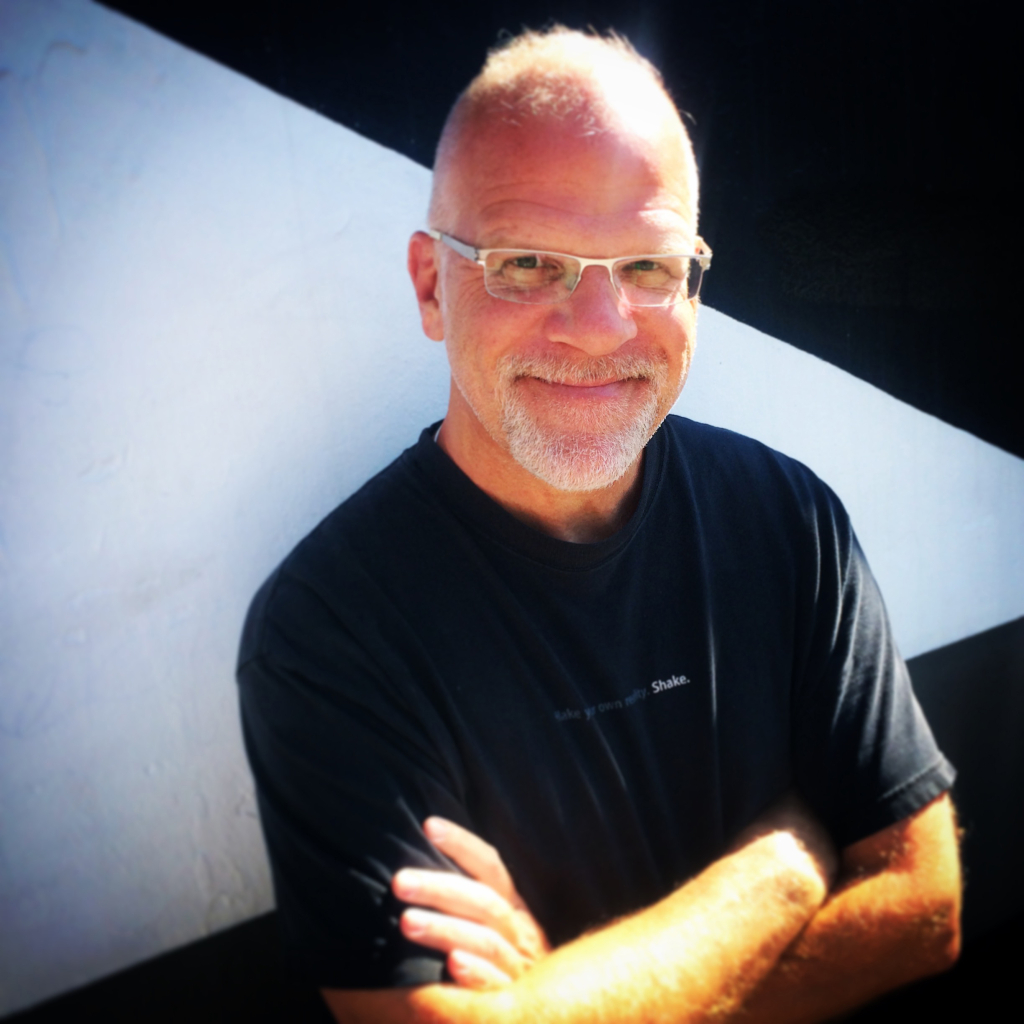
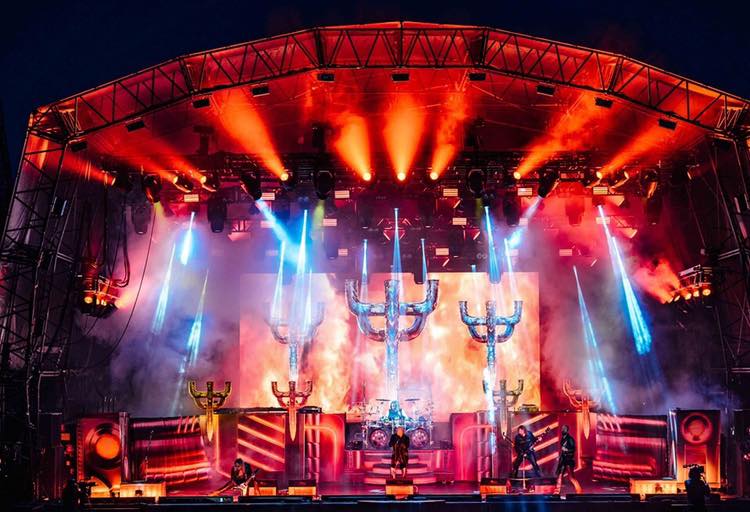
The award-winning Creative Director has set new standards for integrating new technologies in many of his projects. For example, for the Judas Priest Firepower Tour his iconic Chinese Shadow Puppet animations for “Saints in Hell” won global acclaim.
His eager embrace of far-reaching technology notwithstanding, Devlin breaks down the design process into fundamentals. Every element of a show, including lighting, is only as good as its ability to support every other element of that design, and in the final analysis, all of those elements are there to serve only one goal: to support the music,
Speaking to us from his office at Mark Devlin Visual Design, Devlin shared how this essential principle applies to five important lessons.
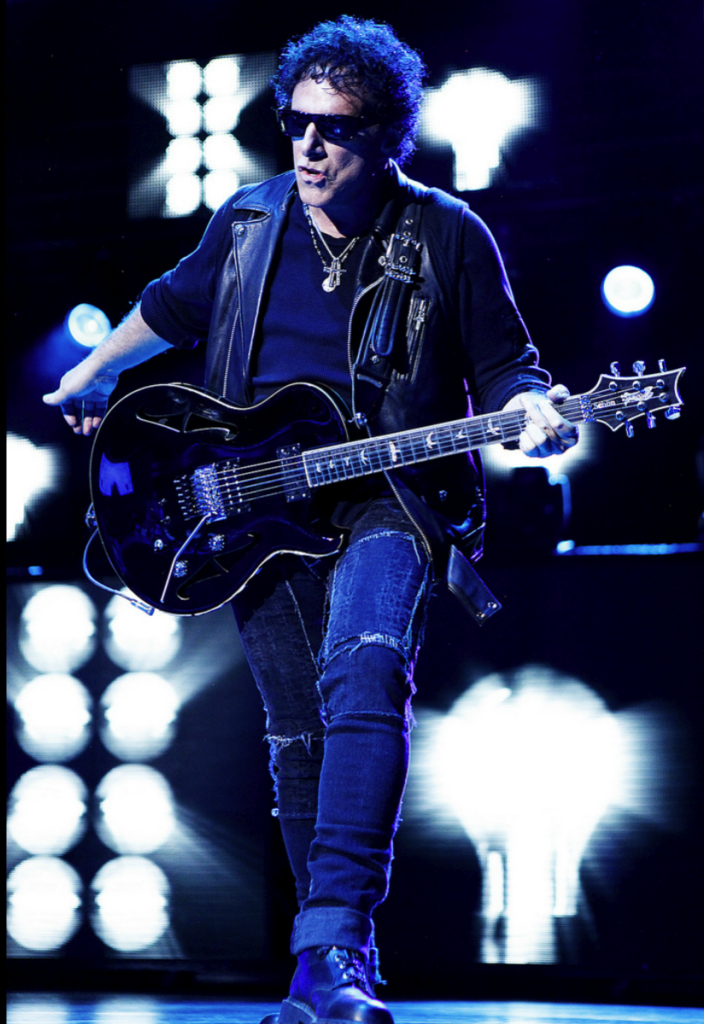
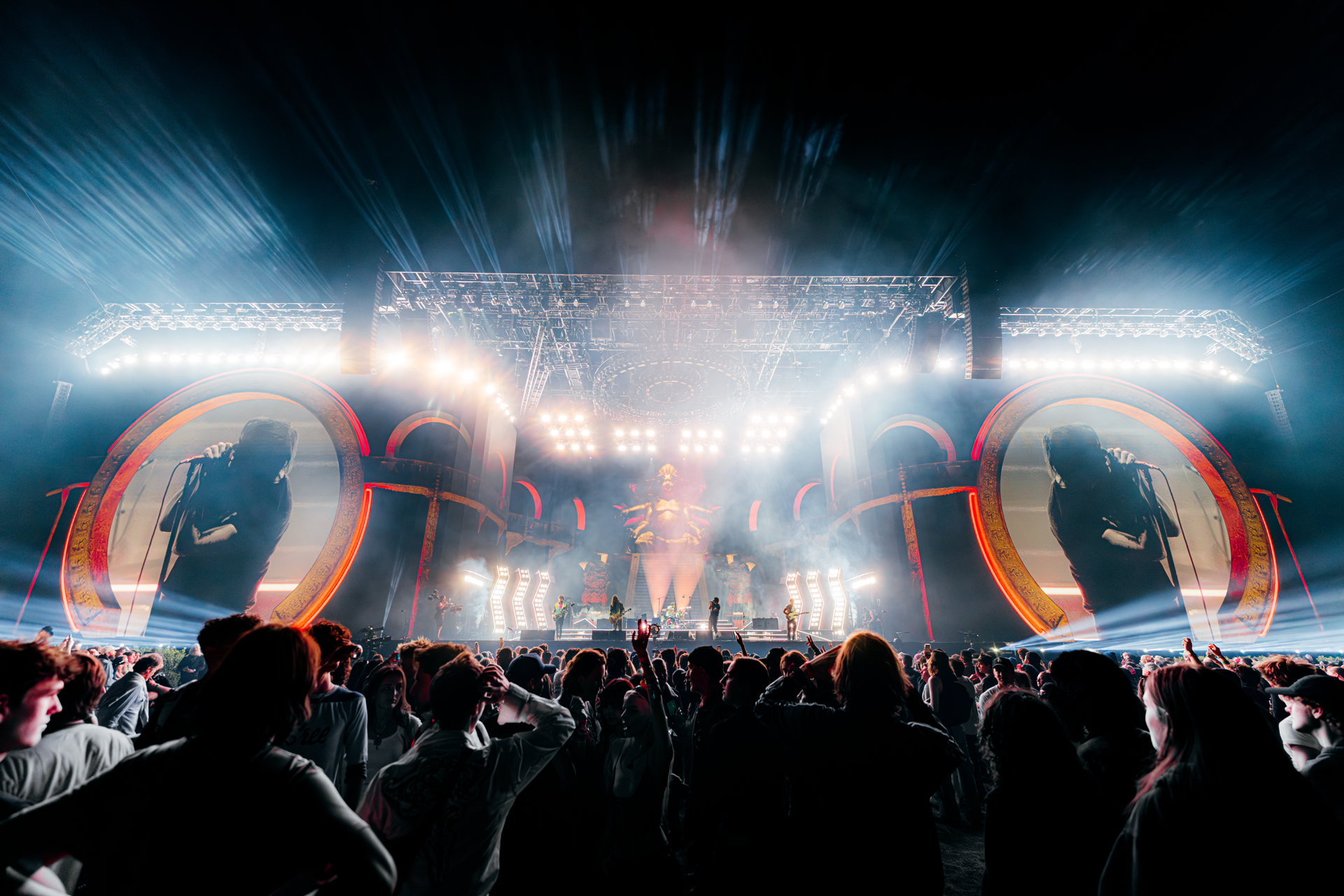
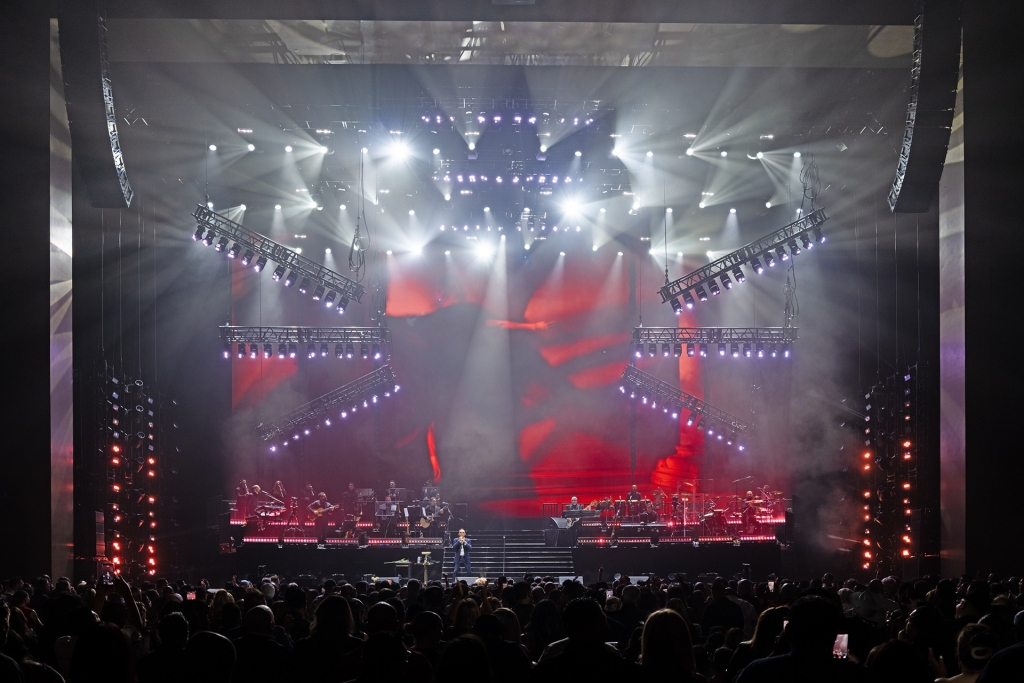
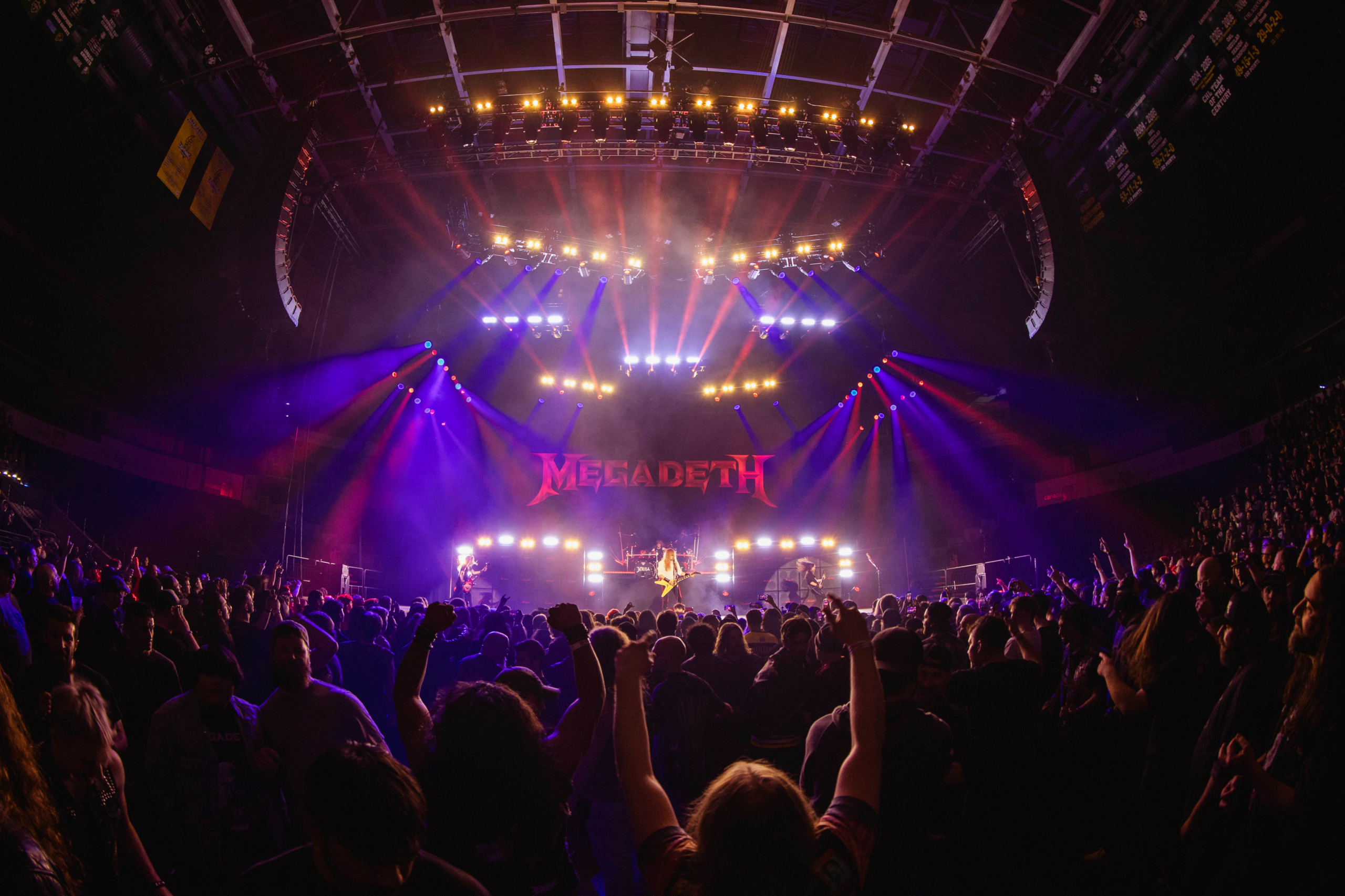
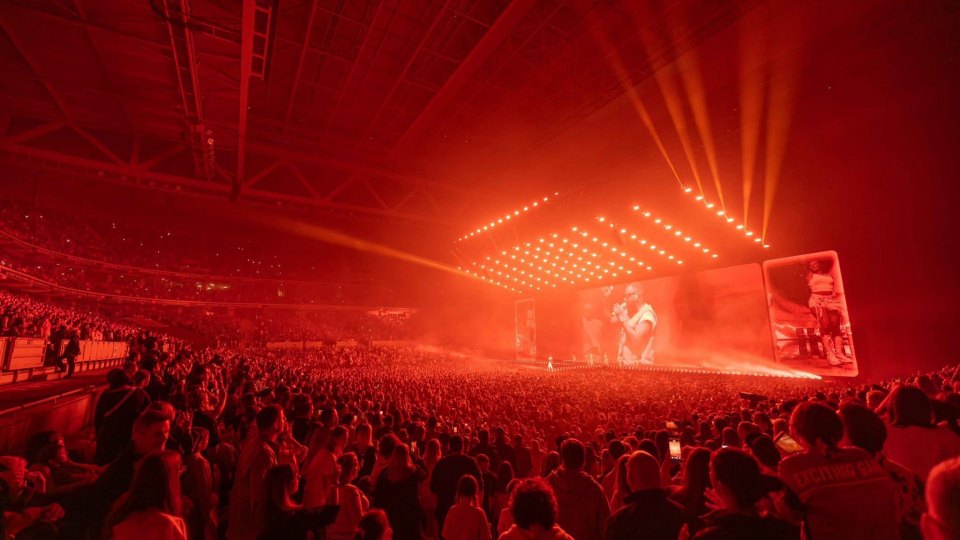
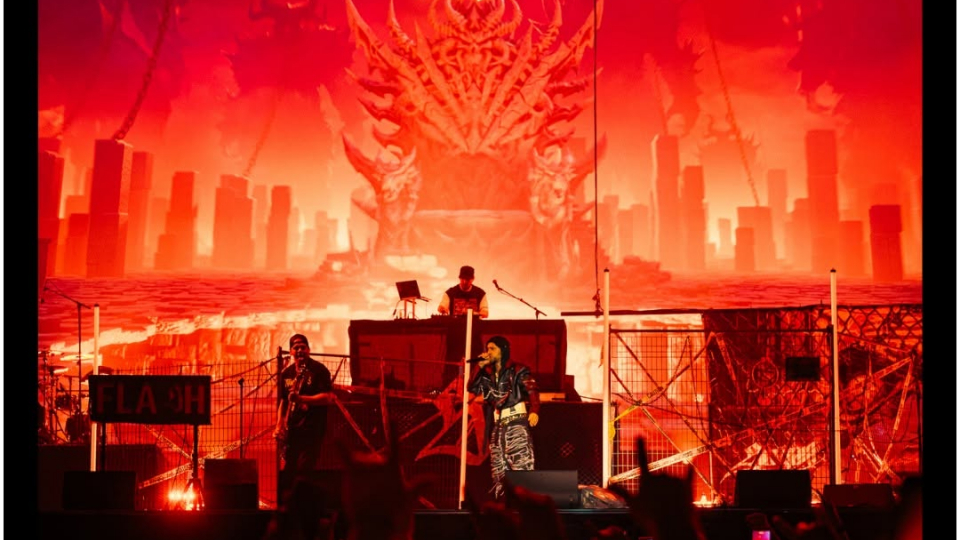
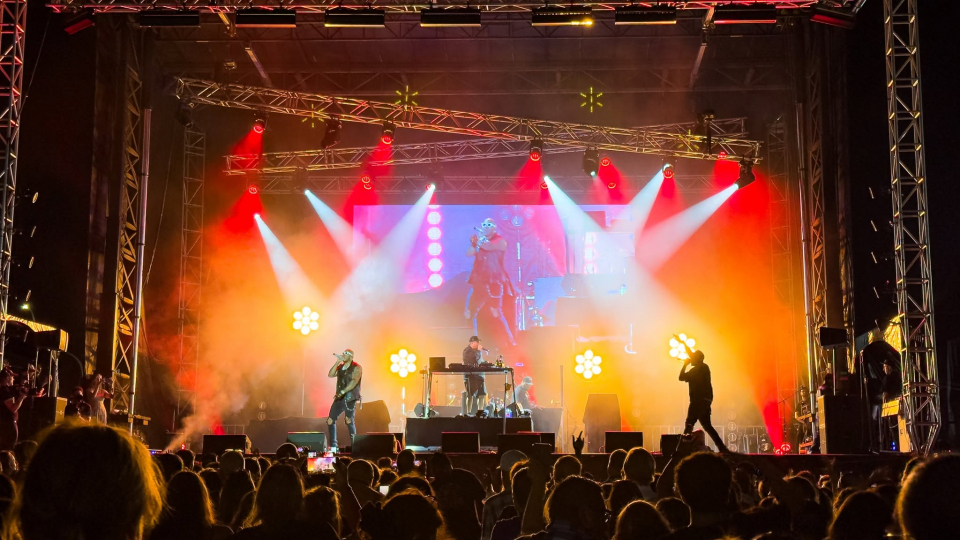
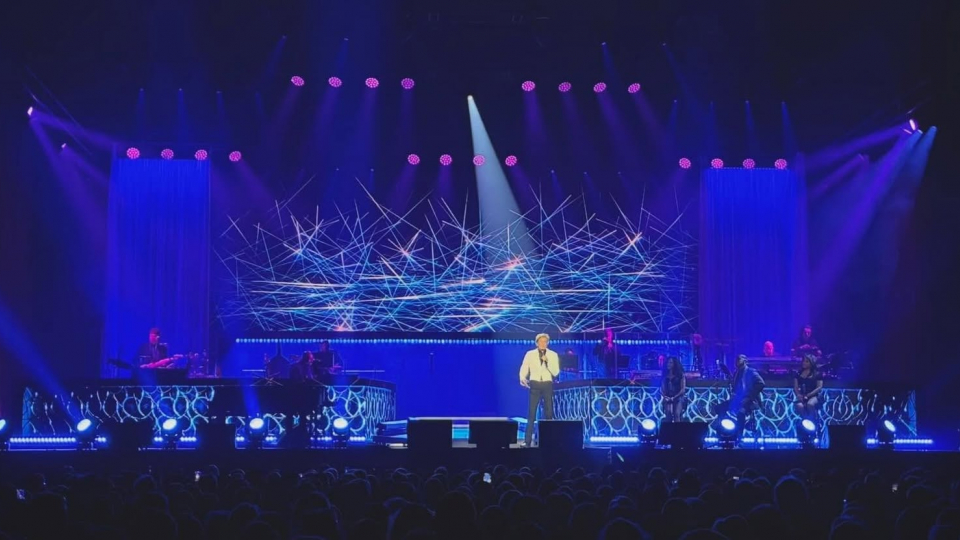
One: Video content is the largest light on stage. The audience may not see the video screens that way, but the screens are by far the largest light source on stage. Colors generated by the video content can be used to blanket the stage and audience with color, creating a unique mood or environment. The light generated by the video content can easily overpower the lighting design. This is why it is so important for the LD and the content designer to coordinate their efforts into one cohesive solution.
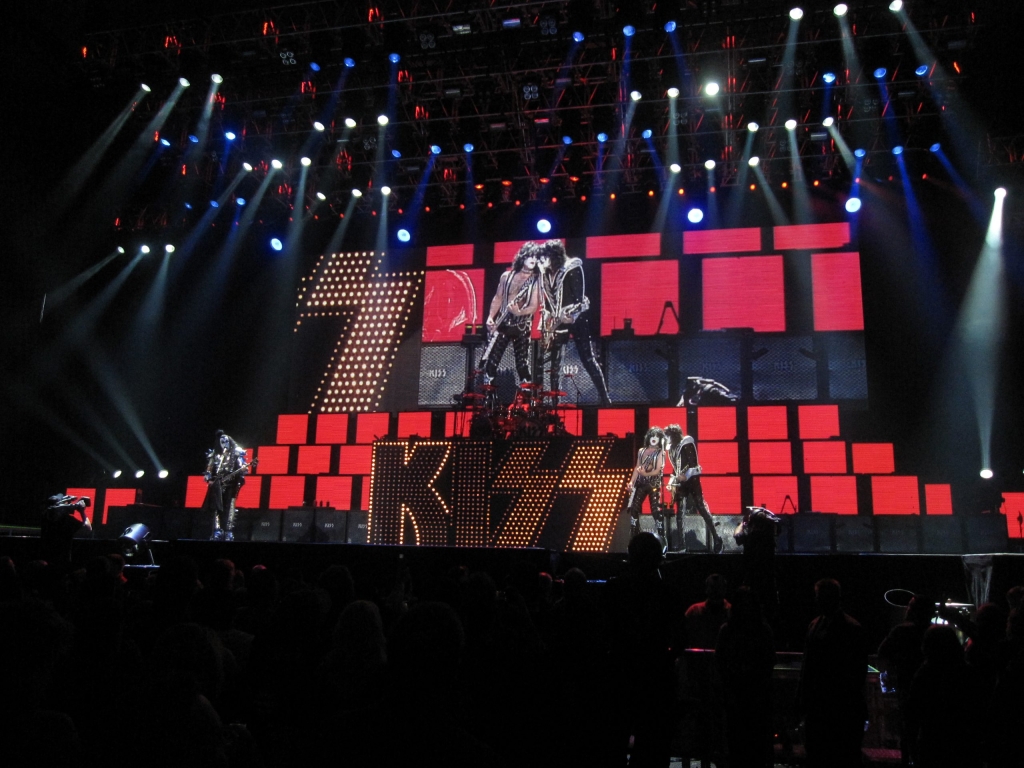
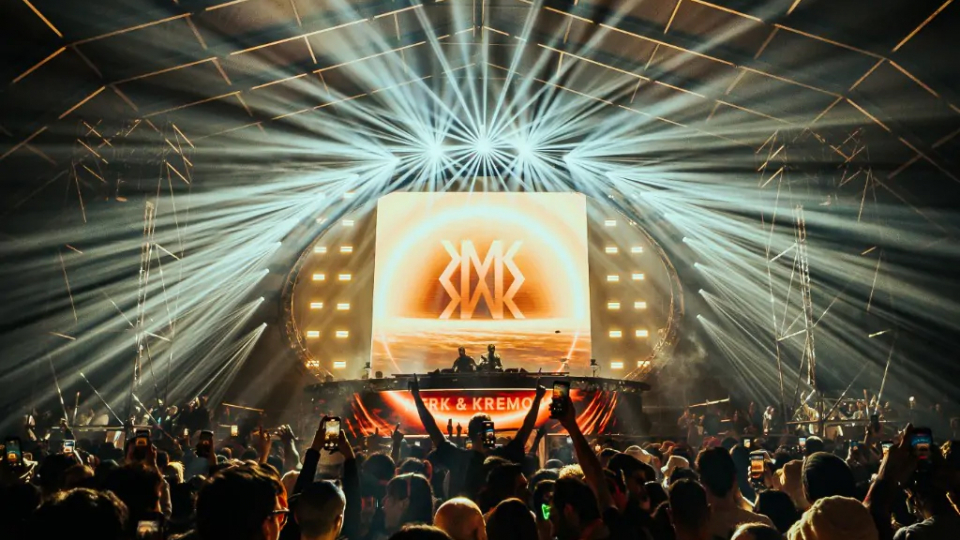
Two: Less is More. Sometimes the best solution is no solution. Black screens create a wonderful contrast that makes moving light stand out and creates more depth and dimension to the stage environment. It is okay to turn the video off at the right time.
Three: Video should always add to the show, but never be the show. Many content designers get so focused on creating such amazingly creative solutions that they draw the audience’s eyes onto the screens and away from the artist. This is a mistake. Content should be created to bring an additional dimension to the performance and never overpower it.
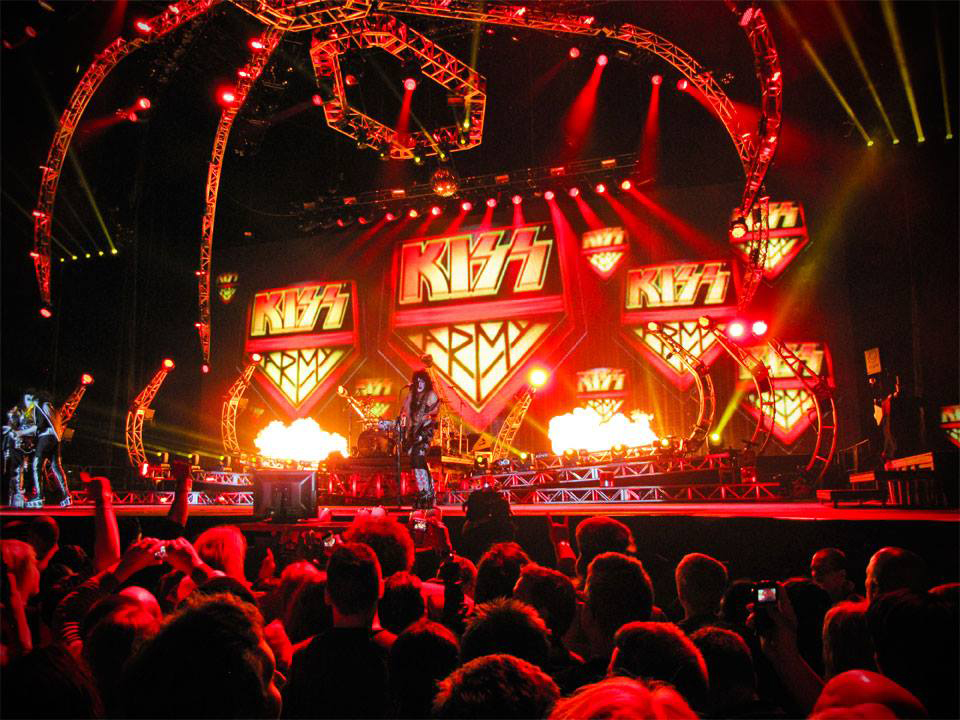
Four: The best results come from when you push your creativity until you feel you went too far, then dial it back a bit.
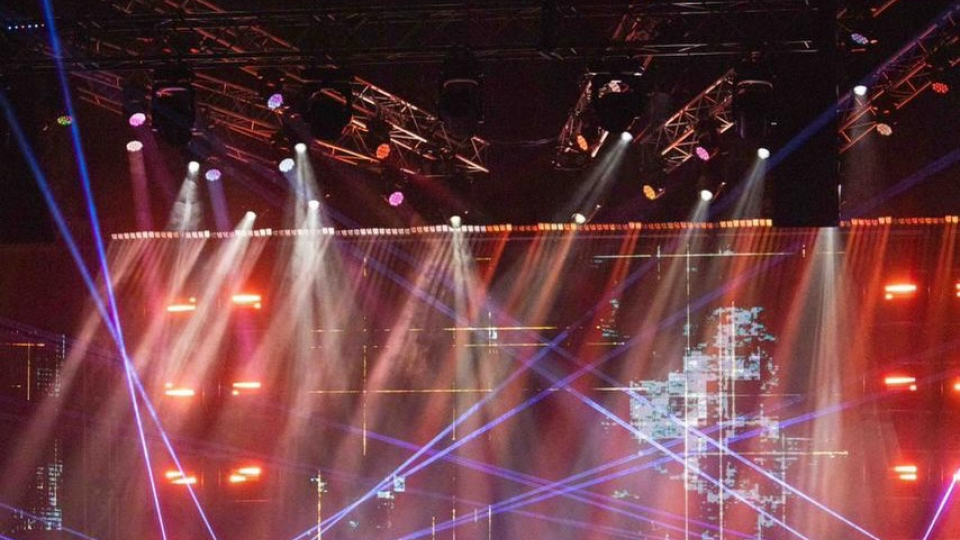
Five: Light and video are not two separate elements. When coordinated together, they work as one. I recently worked on a project that I wanted to end with a bang. The video screen’s last image was a nuclear explosion. But it was missing a punch. So, I asked the LD that during the explosion, to point all the lights directly at the audience’s retinas for one second. The combination of light and video made the whole house react as if they were actually being burnt for a split second.