Welcome to Rising Star, a new column that we will be running from time to time to put the spotlight on up-and-coming designers who will be helping to shape the future of entertainment lighting design. We start with Justin Wade of StoneWall Lites, University of Nevada Las Vegas class of 2017.
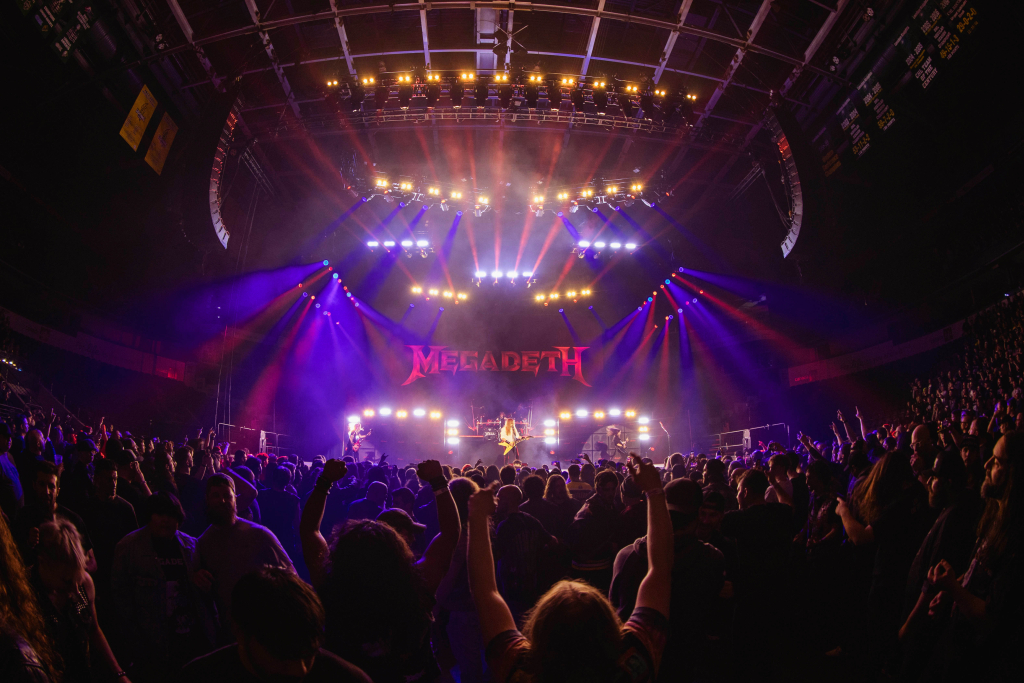
This Las Vegas-born and bred designer has always considered himself to be flexible. On a cold Saturday morning this February, before the fifth show on Megadeth’s Canadian arena tour, he was presented with a chance to prove it. A trailer carrying almost his entire flown package flipped over on an icy road outside Edmonton, losing its contents. But the sold-out crowd at Rogers Place that night didn’t really miss anything.
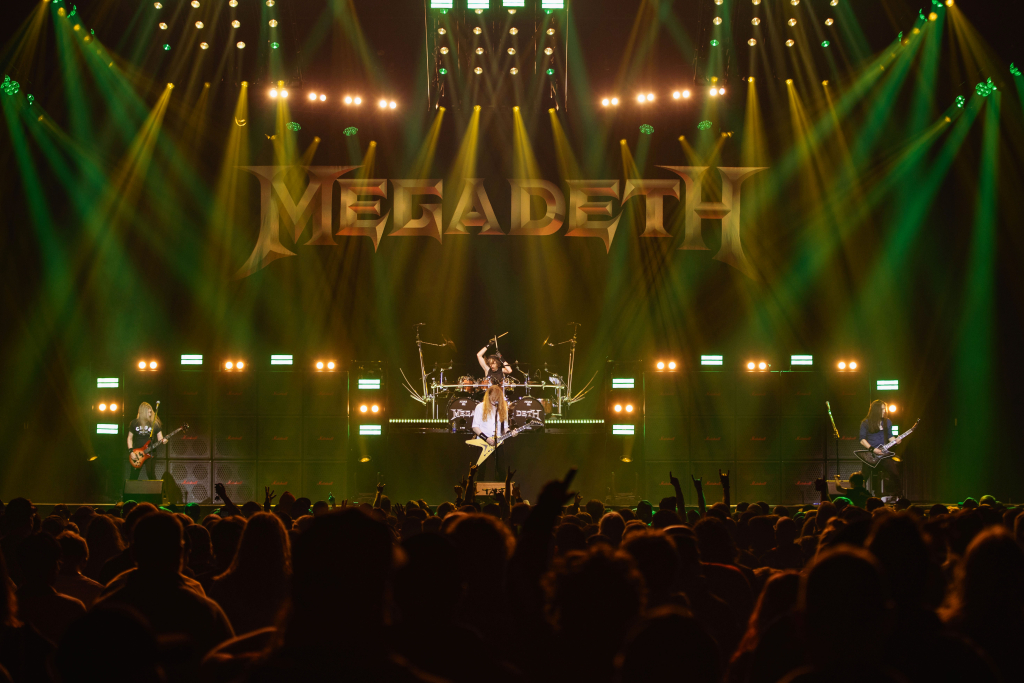
Working fast with local rental shops, Wade and his production team pivoted and reinvented the rig to give Edmonton a powerful show that same night. This fluid approach to the art of design has been a hallmark of Wade’s still-young career from the very beginning. As a student at UNLV, he started out majoring in “Entertainment Engineering,” but found that the heavy emphasis on technology cut into the freedom he wanted to be able to go with the artistic flow of a design. So, he switched to a “Theatre Technology” curriculum.
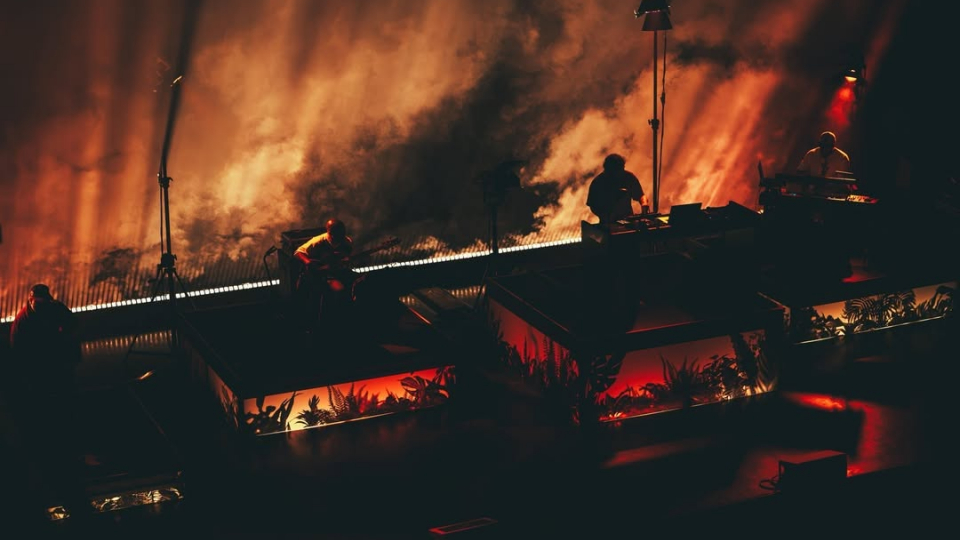
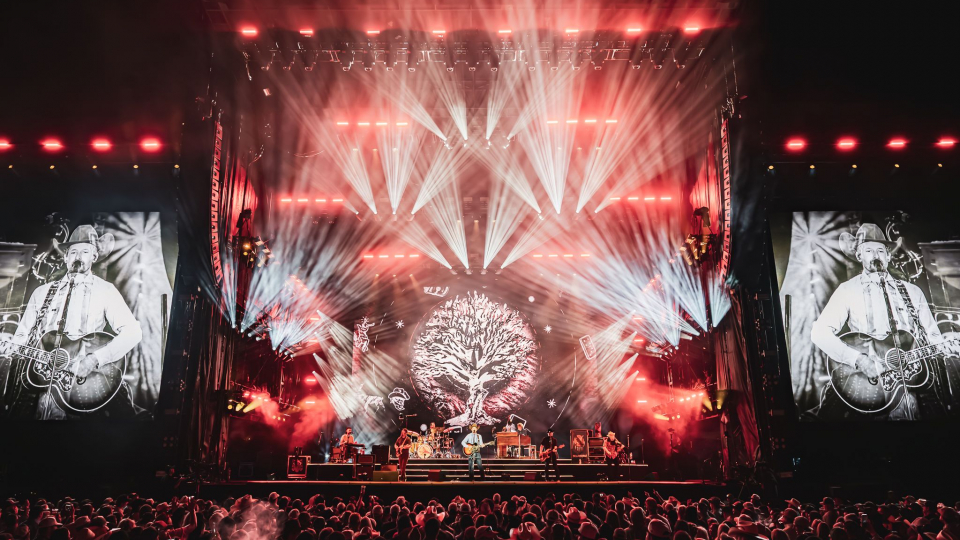
Right out of college, he jumped on board with hardcore metal icons Dying Fetus and earned widespread praise for his ability to improvise and conjure up big looks with a limited number of fixtures. This led to work designing tours for an impressive list of bands, which, in addition to his client Megadeth, have included Limp Bizkit, The Dillinger Escape Plan, Dance Gavin Dance, and Grammy-nominated Highly Suspect. Being a Las Vegas kid, he’s also worked on designing installations for Virgin Hotels and Topgolf.
Through it all, Wade has maintained a supple, open-to-change approach to his work. No design concept is written in stone for him. He is always ready to tweak or discard ideas in mid-tour, an advantage, he tells us, of running many of the shows he designs. This attitude helps him when working for clients for whom a set list is merely a suggestion.
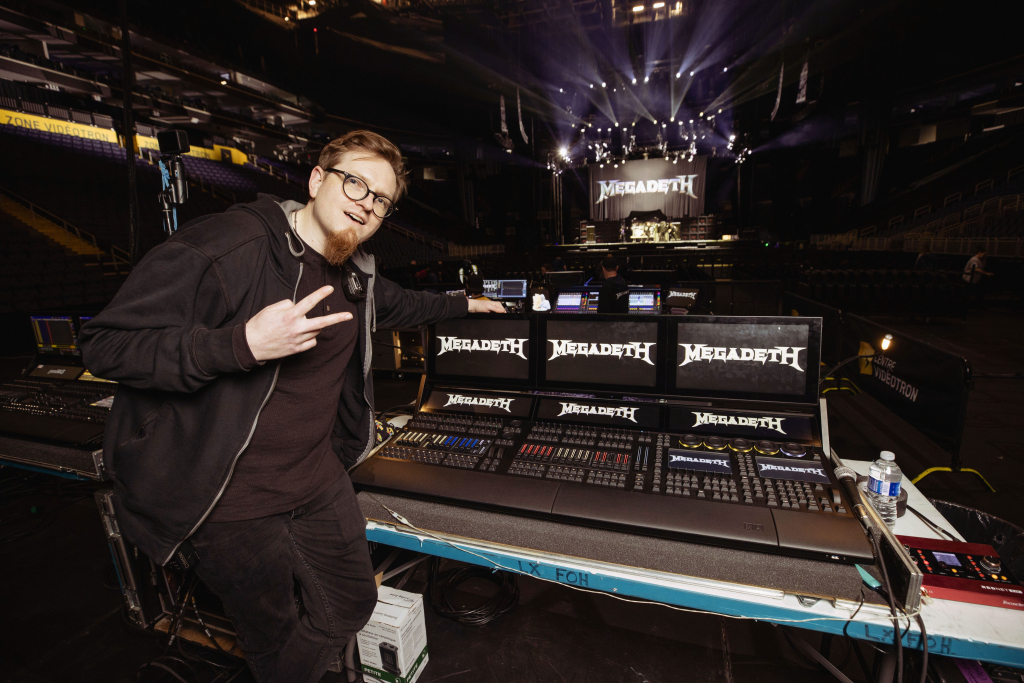
But all flexibility aside, Wade follows his own firm rules about the role of design (to support the artist), and the proper use of strobing, brightness and audience lighting. He talked to us about some of the rules, while also sharing his insights into the power of fluidity in design.
You’ve worked with some iconic metal bands and your degree was in theatre technology. So, we have to ask you, how did this theatre background prepare you for lighting metal tours?
“I’ve always found my Theater Technology degree to serve me tremendously through my career. Initially when I started college, UNLV had a newer major called “Entertainment Engineering,” which focused more heavily on the engineering — automation, intense scenery, Cirque du Soleil stages, and that kind of thing. I loved the idea of the program but got lost in the engineering side and felt like the creative aspect was limited. I ended up switching majors to Theater Tech because the theater classes seemed to foster the creativity and conceptual side of things more than the engineering side. During the switch in majors, I started interning on ‘Evil Dead the Musical,’ spraying blood at the crowd, which gave me a better working idea of how theater ran in a more professional setting outside of university. This opened some doors where I began with a Vegas company doing stagehand work and lighting maintenance at a number of nightclubs through the valley, giving me some professional experience while still going to school.
“As per the theater technical program in regard to lighting, this taught me a lot about the bigger picture of a show, including some of the basics like key and fill lighting, the differences between spots and washes, and practical usage of conventionals. Most importantly, it shaped my opinions of lighting as a tool to control mood and emotion in a production. I still use these concepts in designing for rock and roll because every song is trying to tell its own story. Certain colors convey certain feelings, and certain looks lend themselves better to the story that the band is trying to tell. By treating each show as a theater piece, it really opens the doors to help the artist tell their story.
More times than I can count, I have mentioned my theater background to the artist I am working with, and it gives them peace of mind knowing that the goal isn’t just to ‘light’ a show, but set a mood in the process.”
What drew you to the metal genre?
“I’ve been a metal fan for my whole life, and always steered to rock and roll more than anything else. As everyone says, I appreciate all kinds of music, but rock was always more calling to me. There’s so much variety in rock and metal that it really becomes an umbrella term for a ton of different genres. I’ve always considered myself extremely lucky to work with artists that I’ve already known and been a fan of in my lifetime. It really makes it easier when there’s already an understanding of the music.”
From your perspective, which other genre of music is most like metal in terms of lighting?
“Metal is very locked in to rhythm and syncopation. Following along with the pacing makes such a drastic difference. In that, I would probably say that hip hop or reggae reads the most similar to metal lighting. That may sound strange, but when you consider the importance of rhythm and pacing in both of those, the show can really be impacted if things are not hitting at the right time. Reggae in particular is so locked in with the upbeat that strategic lighting hits can make a big difference in the show.”
When talking about Limp Bizkit’s 2024 Loserville tour, you said it was “built with a lot of surprises throughout.” Can you tell us a bit about why surprise is important in a lighting design, and what are the sorts of things you do to deliver it?
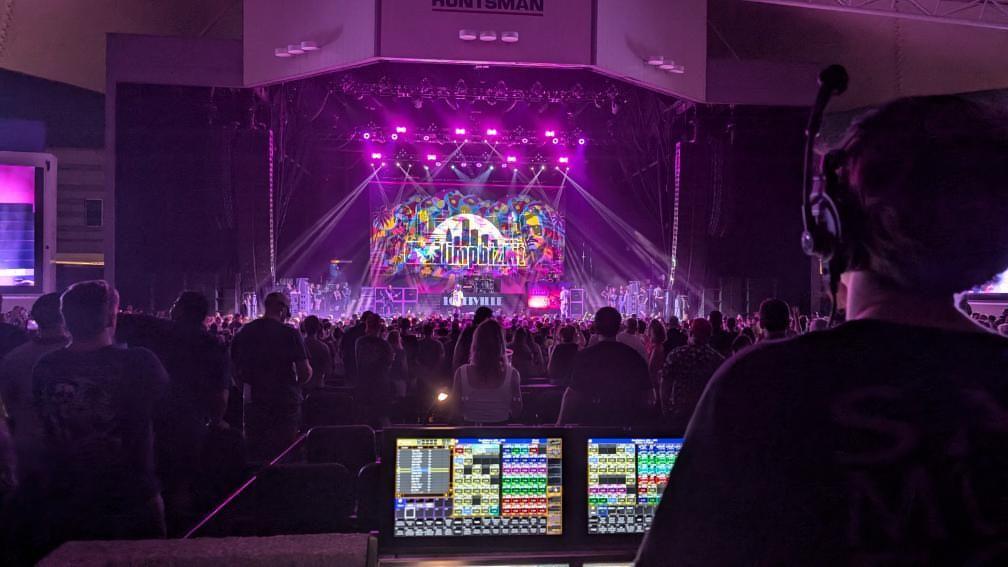
‘One of the beauties of that tour and Limp Bizkit’s show, in general, is the sporadic and chaotic nature of it. To them, a setlist is just a suggestion, and you never quite know what you’re going to get. They also play completely live, with no tracks or click, so things can change in the moment. This leads to one of the most important keys in lighting that I’ve found– adaptability. At some shows, they may want to play a song that they haven’t played in 20/30 years with little to no notice. It’s a treat for the audience but can be daunting for the LD. At the end of the day, it’s always the artist’s show. It’s up to you, as the LD, to let them do what they want with it, and then do everything you can to still keep up and make it look planned, even when it’s not. It’s always worth keeping a few tricks up your sleeves for these moments, whether it’s an effect you haven’t used elsewhere, or a look that doesn’t show up in the rest of the show. Whether it’s a planned surprise or something off the cuff, it’s important to keep a few extra things ready, so you’re prepared when the moment comes.
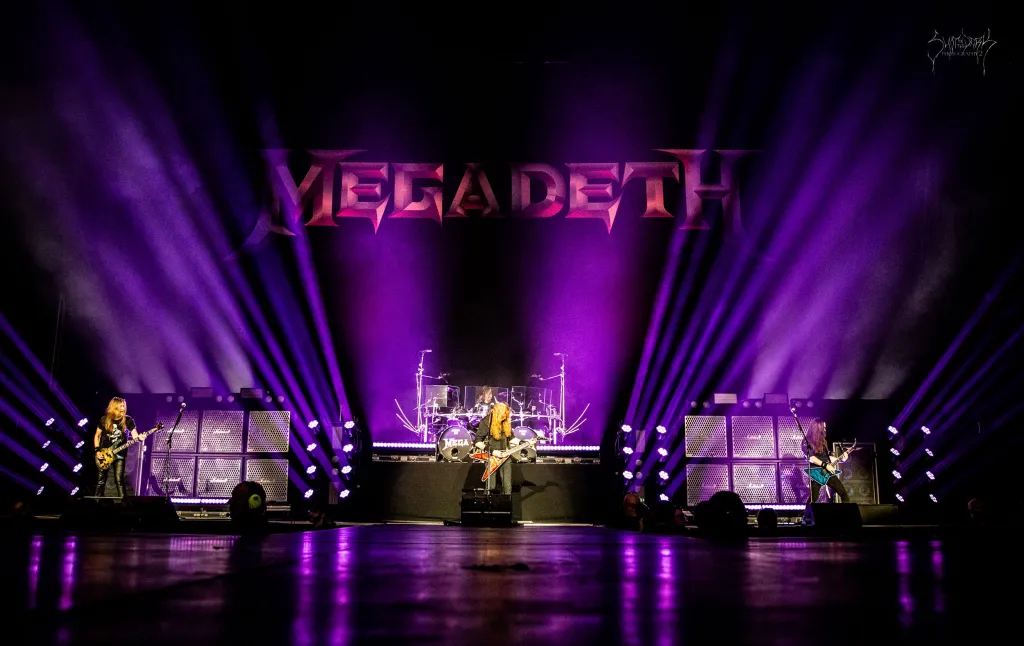
On that Loserville tour, as well as on much of your other work like Megadeth’s 2025 tour with Disturbed, your lighting seems to be in constant motion, panning and tilting in one direction or another. There is some relatively static spot lighting on occasion, but rarely, if ever, it seems, any wash lighting. What are your thoughts about movement in metal lighting? How about washes?
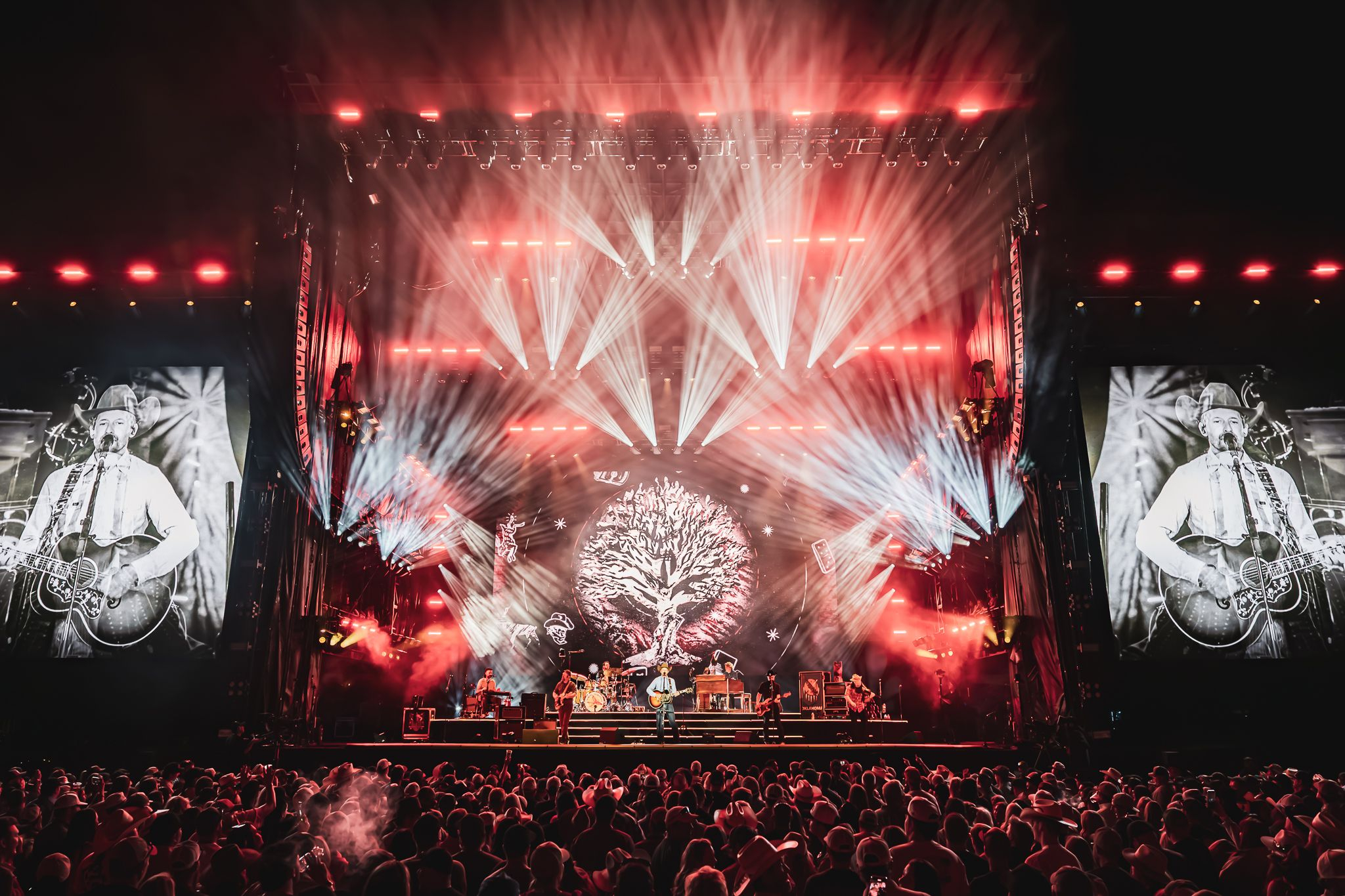
“I think movement is an important tool in metal in particular. There are moments for the band and moments for the audience — controlling the dynamic shift between them with movement becomes very helpful. Big sweeps and ballyhoo through the audience tells them that this is their moment; go crazy, mosh, dance, etc. Especially after a big build, having lights fly out and move with the audience gives them the cue that they should be moving too. That leads back to the dynamic nature of the show, — in certain moments, the band absolutely needs to be the focus, so having more subtle movements kept on stage or movement through chases on the stage keeps the audience’s eye locked into the stage as a focal point. This keeps the energy flowing but also keeps focus shifted to the stage and keeps the band as the centerpiece.
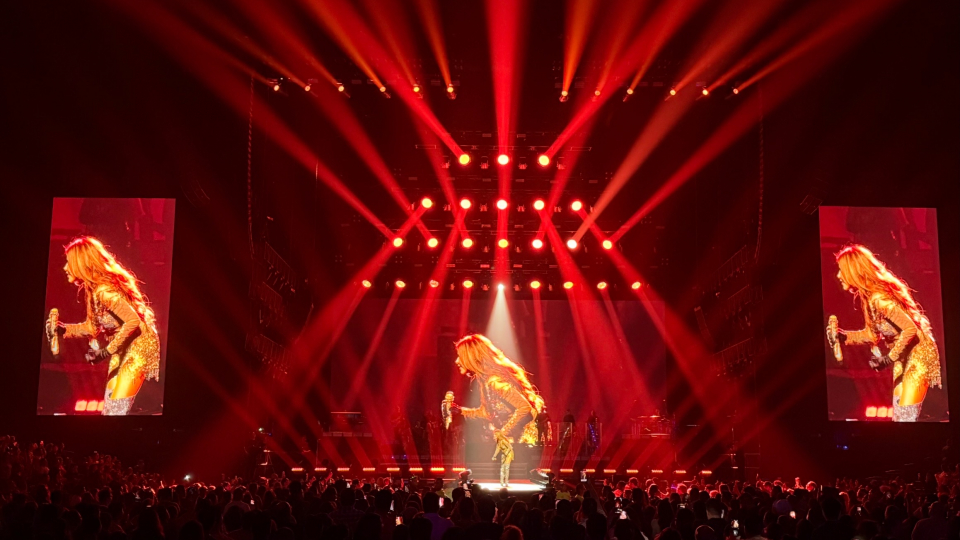
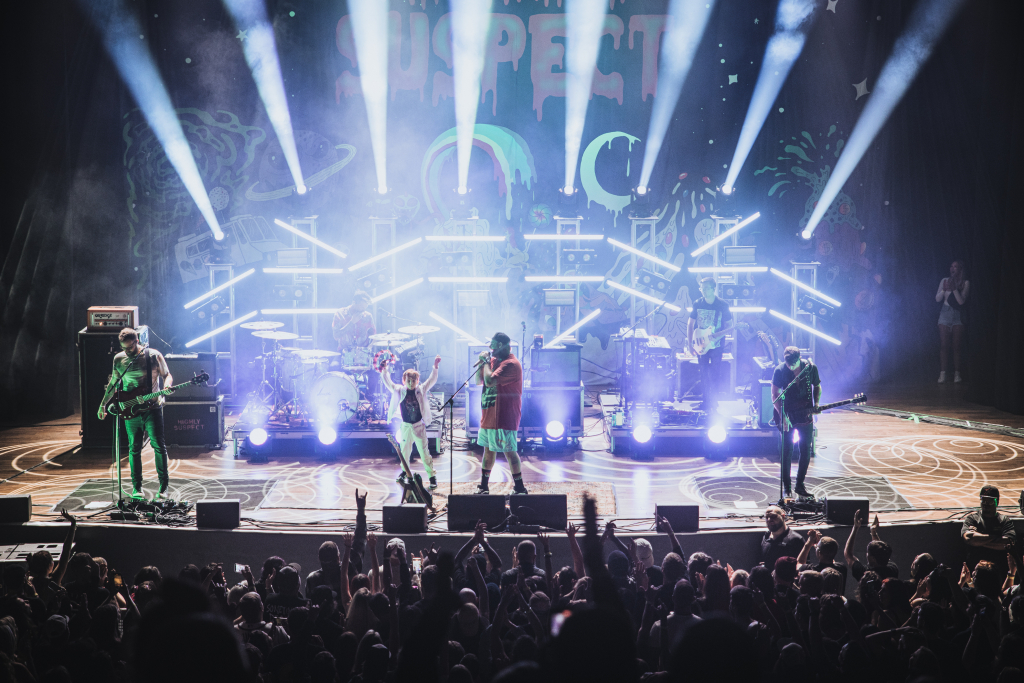
“As for wash lighting, there is a right time for it. Flooding out a stage and a room with a wide overhead wash or backlight can become extremely useful for moments when you really want to create an intense mood or atmosphere. I love a wide wash backlight silhouette, or heartbeat pulse of a wide wash when I really want to push the feeling of a song. I used these often with Highly Suspect, where emotional moments really take over the stage. Much of the time I like to let the key front light for the band while keeping a wide colored front wash as fill, then I use overhead washes to help shape the stage or as an effect light. That makes the moment when you have a large overhead wash really feel different.”
Along similar lines, you had some impressive strobing on the Dillinger Escape Plans Australian tour last year. It never got repetitive. What’s the key to good strobing in your view?
“Strobing is always an interesting subject. It is a blanket term, and I’ve seen so many artists scared of it, so they insist on ‘no strobing.’ I think this is because they’ve been abused by strobes or wrongly strobed in the past. I have one big rule of thumb regarding strobes: If it hurts or is too much for you as the LD, then it’s definitely hurting the audience. We as lighting professionals are trained to look at lights on a daily basis, while the rest of the world is not. In a world of high-powered color strobes, it’s very easy to get abusive quickly, so I always ensure that I keep an easily accessible master on their brightness. Strobing is helpful and can make for some great hits, but can get overwhelming quickly without considering the human nature of things. I also tend to steer away from strobing any front light directly at the band; they’re already in a highly stimulating environment, and it can quickly become too much. I feel like this is one of the things that typically scares musicians away from strobing.
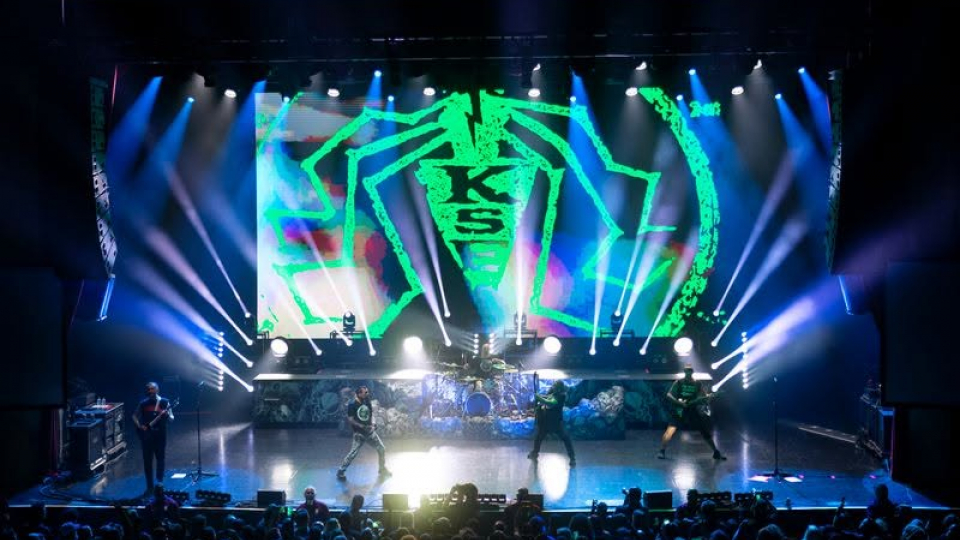
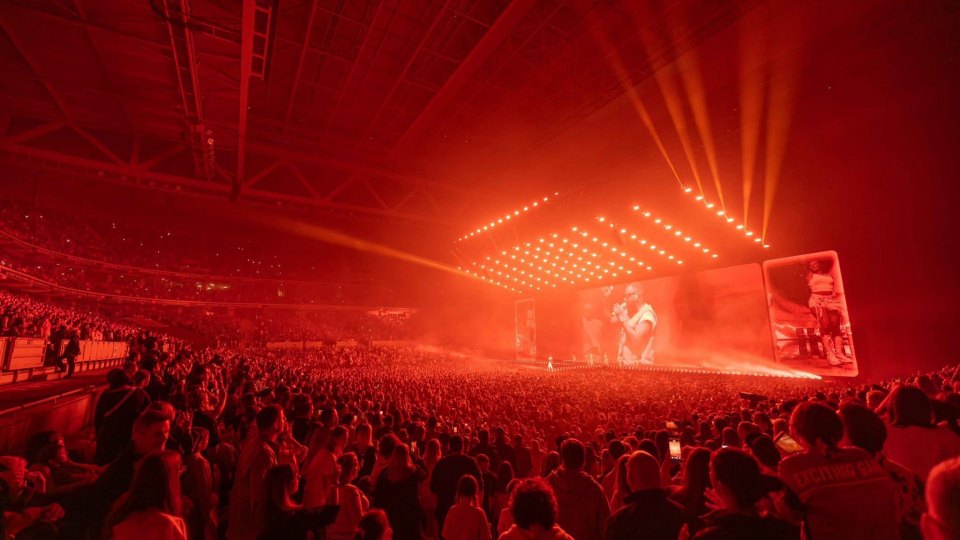
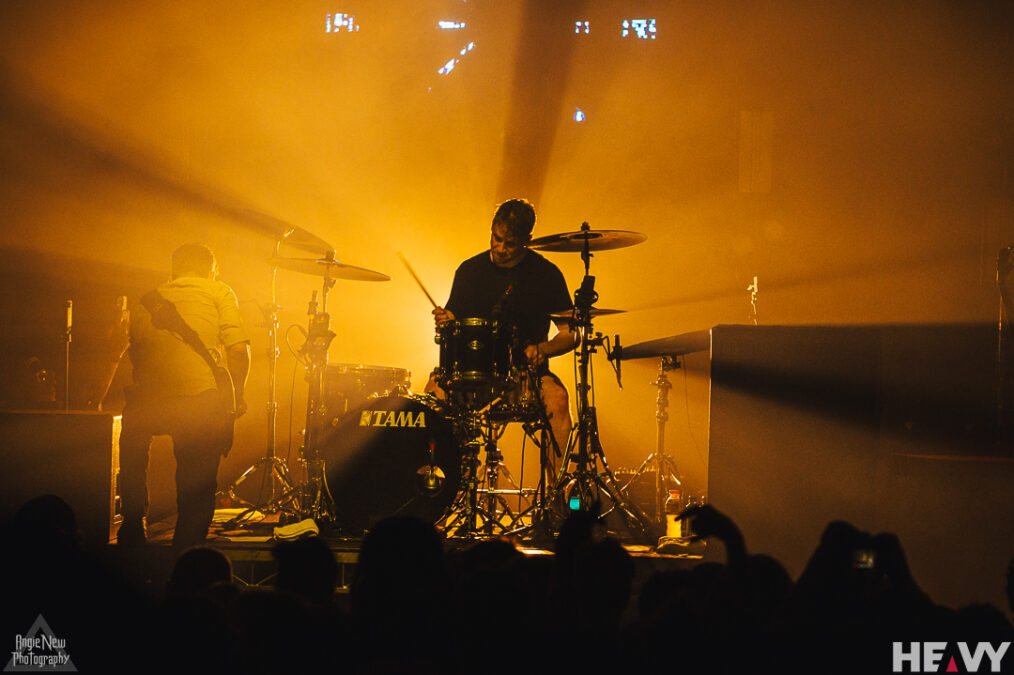
“The Dillinger Escape Plan show was a very interesting circumstance when it comes to strobes. The tour was an album playthrough of Calculating Infinity and the Under the Running Board EP, both of which are very abrasive and “in your face” albums. That said, this gave me the opportunity to treat the show as a bit of an art installation and try to create an intense, almost uncomfortable environment that matched the intensity of the music. The band and lighting worked together to create a full sense of chaos, relying heavily on strobing backlights and shadowy looks. In that, I used a number of shutter parameters, but also built a bunch of separate strobe-intensity effects that really pushed the light to its potential without relying on a standard strobe.
“Having variation in the type of strobe created is very important to me. I love the look of a strobing blinder, as it’s not as commonly used as the bright white typically seen. I feel like it gives more of a ‘fire from the gods’ kind of effect. Strobing beams and washes are also always kept available as those strobes are slightly more subtle than traditional strobe effects.”
How do you get inspired at the start of a tour?
“The design process always begins before the tour with research. It’s always great having a rough setlist and being able to dive deep into the songs being played, but I also find it important to spend time with the full artist catalog. This is often where you find oddity songs which can lead to ideas you wouldn’t have normally considered with a standard setlist. I also find it very important to look into the history of the artist. Depending on the artist’s longevity, I always try to look into previous tours from the past and learn a bit of the band’s history. This gives insight into the dos and don’ts for a group. It also tells me about small personality quirks that help explain reasoning and the decision-making process with the artist. Overall, it becomes an understanding of the artist as a whole and helps you narrow in on what to accomplish for that tour.
“I also find that every tour cycle is branded very differently and usually to a theme. Using the branding and ideas of the current cycle helps guide the story you’re trying to tell. One of my favorite examples of this was the Dance Gavin Dance 2023 tour for the Jackpot Juicer album cycle. The album and tour were rooted in a Las Vegas theme, which really hit home with my Vegas-born Blood. I really tried to take this and run with it and create casino-style looks on stage. I was active creative director for this tour as well as lighting designer, and it was also the band’s first full foray into video. Rather than using full video, I tried to use the walls for moving neon signs similar to the famous Vegas Vic, to set the tone and theme for a song without getting overwhelming or distracting.”
Did you ever change a design mid-tour because you felt it could be better?
Designs should never be considered set in stone and always have room to grow and change. Being lucky enough to be the designer as well as on-road operator and programmer for many tours gives me the option to adapt and adjust accordingly to the band and flow of the show. Having the ability to listen and speak on the same wavelength with an artist gives you the chance to give them exactly what they’re looking for while still maintaining your own creative integrity.
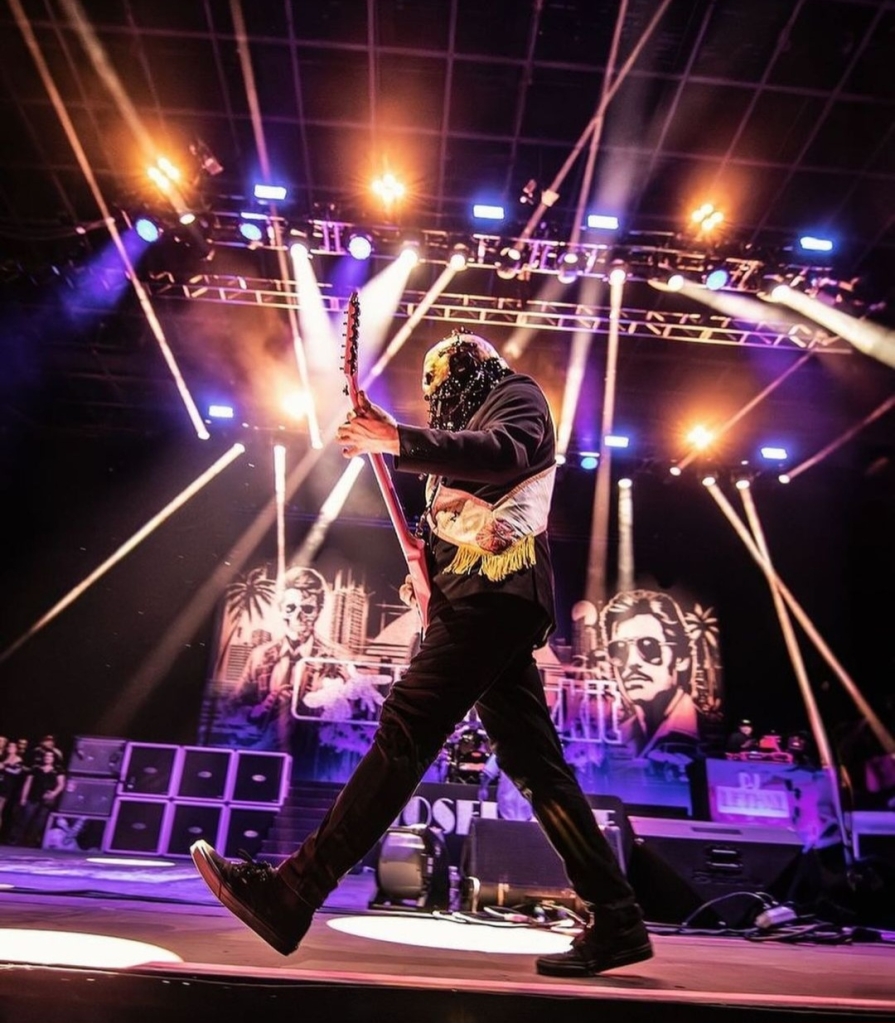
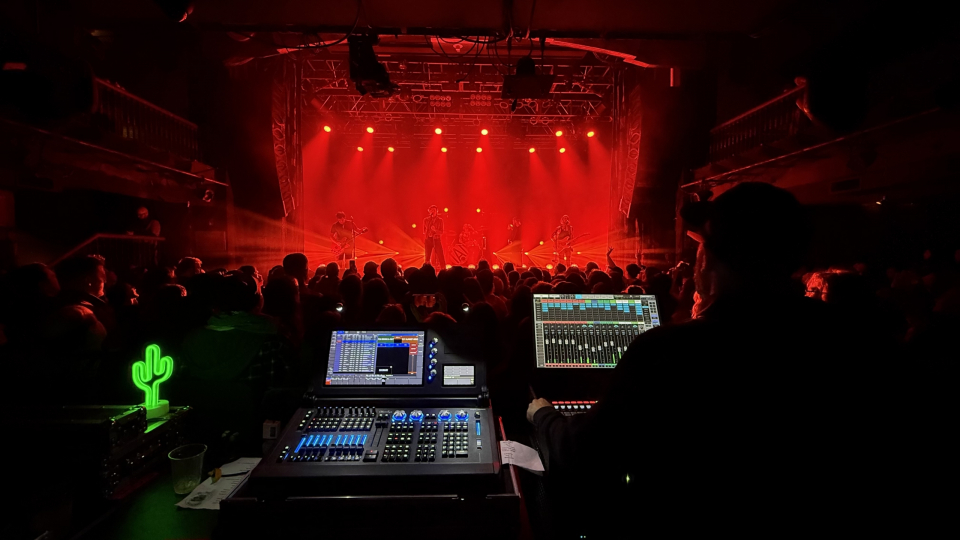
“This is even more important on club-level tours where the consistency isn’t always standard. Some days, you’ll have a 20 ft wide stage and things just won’t work the way you intended, but being able to adapt, strategically cut, or shift becomes the biggest game-changer. In these tours, adaptability becomes even more important when considering that you will not always get the same or even similar flown rigs. Some days you have a full flown package with beams, spots, washes, and all the candy you could want, while the next day you have six overhead LED pars. Rethinking how you operate and what gives you the most effective show is always key in these situations.”
You’ve had great success on multiple tours with Highly Suspect, a Grammy-nominated band that is clearly more “progressive rock” than traditional metal. So, can you tell us how your approach to lighting that kind of music differs from the approach you follow with metal?
“Even before my time working with Highly Suspect, they’ve been one of my favorite bands, and their variation between punk rock and progressive has captivated me. Through their career, they have grown and shifted into so many genres and sounds that it gives so much room to play.
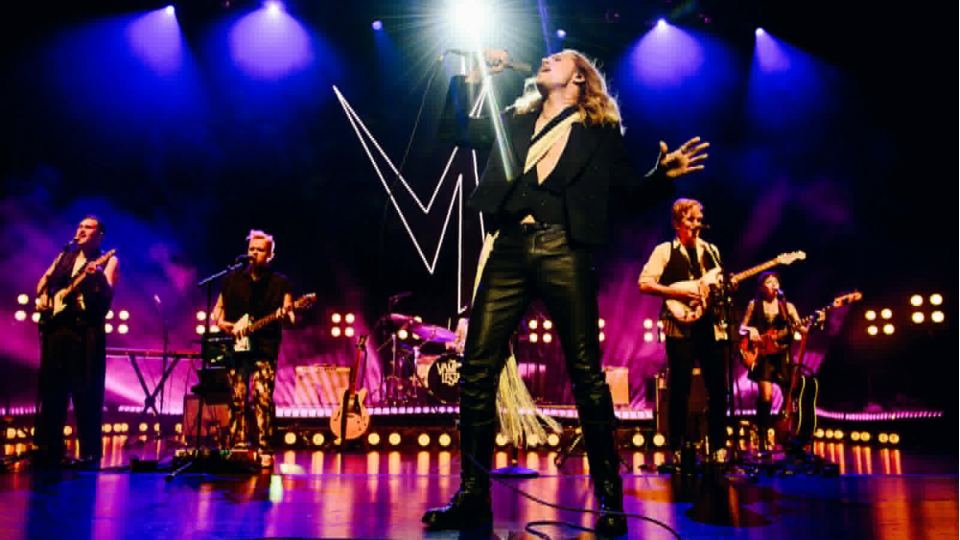
“They have also been very open-minded with the lighting process through all of my time with them, usually requesting a heavily vibed-out, backlit, and light-driven performance. This really opens the door for me to play with emotion and mood in their show. With some of the more punk songs, big movements and full effect-driven staging really take over. This creates a juxtaposition when going from high energy to a single overhead spot or deep flooded backlight for spacey/ emotional moments, further pushing the dynamic of the show. I really try to consider my Theater background with them, and take some of the emotional cues and make room shift to echo it. With a show like theirs, Dynamics becomes extremely important, and it opens the doors to becoming a roller coaster of emotion rather than your standard rock show. “
You’ve also done quite a few impressive installations at Virgin Hotel in Las Vegas and Topgolf. What are the big differences between those projects and lighting a tour?
“Las Vegas is home to me and will always hold a special place in my heart. Being born and raised here, I spent years attending shows at the Hard Rock (now Virgin Hotel) and have had some of my biggest life events at some of these places. One of my good friends, Brandon Walton, the current head of lighting for the Theater at Virgin, let me busk one of my first rock shows on his file back in 2016 at Vinyl at Hard Rock when I was still deep in the nightclub stagehand world. We’ve worked together many times since, and he brought me on board at Virgin much later in my career.
“I love getting to be the house LD for a few venues when I have the time off the road, and I have been very lucky to maintain my relationship with these places in between tours. Being the “house guy” really keeps you on your toes, because it’s never the same show and you never quite know what you’re going to get. Some days it’s country, some days it’s burlesque, and some days it’s corporate. Some days you get to light a band you know really well, and some days you’re on the fly with music you don’t really know. It becomes very important to have a full appreciation and understanding of all kinds of music and shows. We always want to give the artist the best show possible, and knowing the differences in structure for a country show vs a rock show vs burlesque, etc., helps you play along and opens up different ways of thinking when it comes to lighting in general.”
Very early in your career – right out of college, you designed the Contamination Tour for Dying Fetus, an iconic foundational force in Death Metal. What did you learn from that? How did the experience influence you as a designer?
“The Dying Fetus tour was one of the most fun tours I’ve ever done, and they’re also a wonderful group of guys. This tour was interesting for me, as it came up extremely last minute. Travis Stiwalt was originally on the tour, but had to step away for personal reasons, and I had only two days’ notice before stepping onto this tour. The tour itself was extremely stripped back with four movers and two strobes as ground support, so it was important to make the most out of the house rig as possible.
“Luckily, I was very familiar with Dying Fetus before the tour started, so I already knew the cadence of most of the set. I had only had one tour under my belt before this, so it quickly became a grow-as-you-go kind of situation. Being prominent figures in death metal, it was very important to me to make the show look brutal but not overwhelming and overly distracting to the audience. They are also very technical players, so keeping the band comfortable within the lighting was also very important, and this informed how I treated a lot of further tours. The band needs to feel comfortable on the stage and never overwhelmed by the light show around them.
This tour really tested my capabilities with the variation of house rigs and put me to the test. There were a number of venues without patch sheets, and no idea what kind of lights were in house, as most other bands coming through these venues didn’t carry LD’s. This really pushed me to take a moment to learn the room and give heavy thought to how I wanted to treat each show before diving into programming each day.”
You had only a handful of fixtures on that tour. Since then, you’ve earned a good reputation for “extending rigs,” getting the most out of the smallest number of fixtures. What are the keys to doing that?
“Trying to get the most bang for the buck is always a big end goal with almost any tour. While it’s always fun having more lights, more often than not, practicality or budget becomes a big concern as well as stage space. With lighting and production becoming more expensive by the day, efficiency becomes indispensable, and the ability and willingness to make strategic changes is important while maintaining the integrity of the show. I’ve been in a number of ‘dream big’ scenarios, only to find out later that the budgets just aren’t what was initially planned.
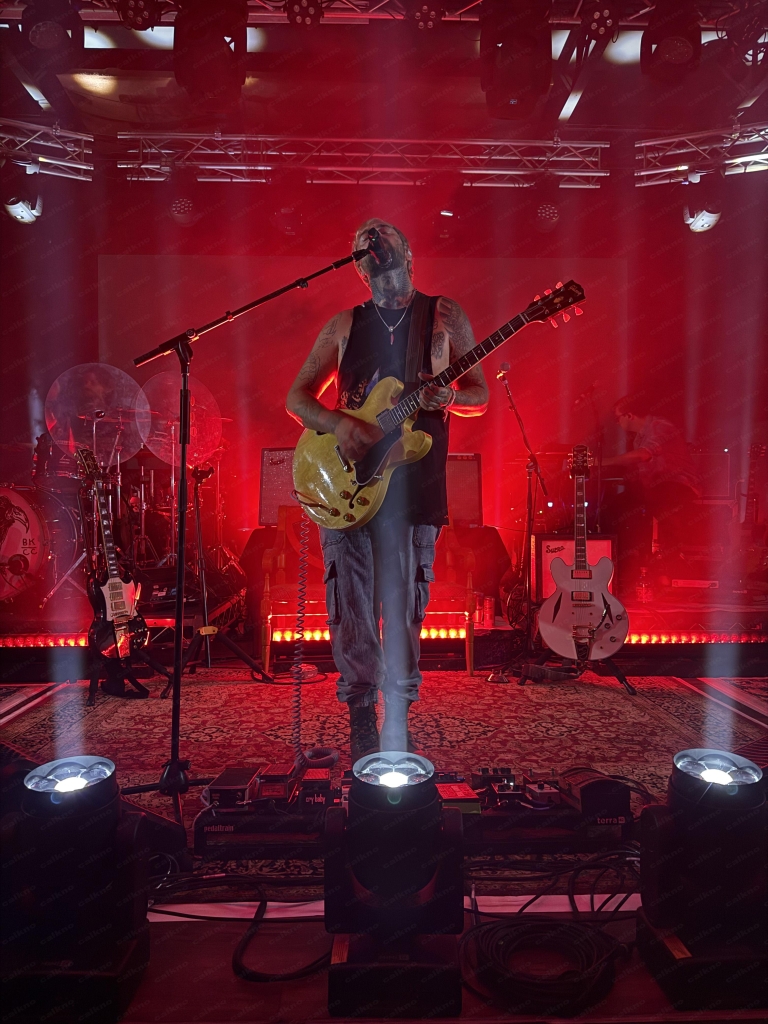
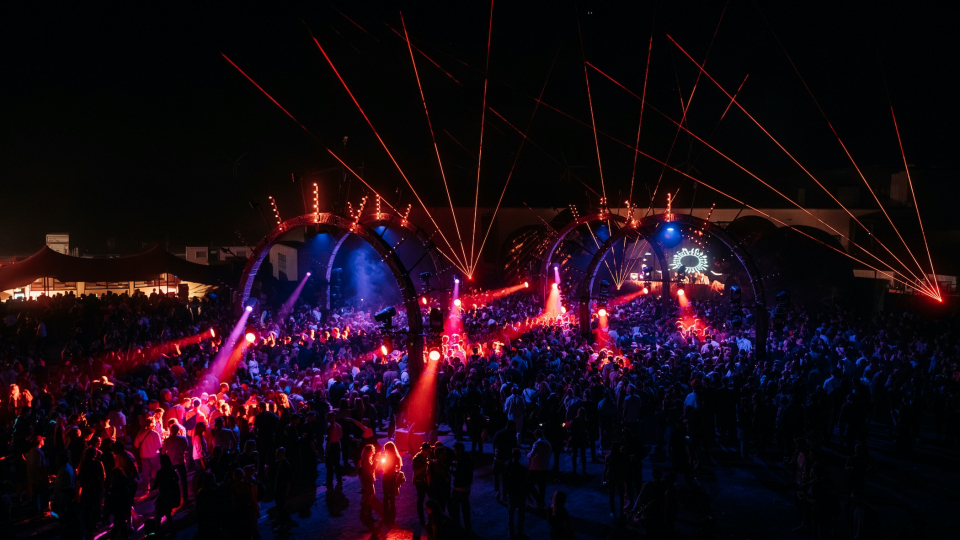
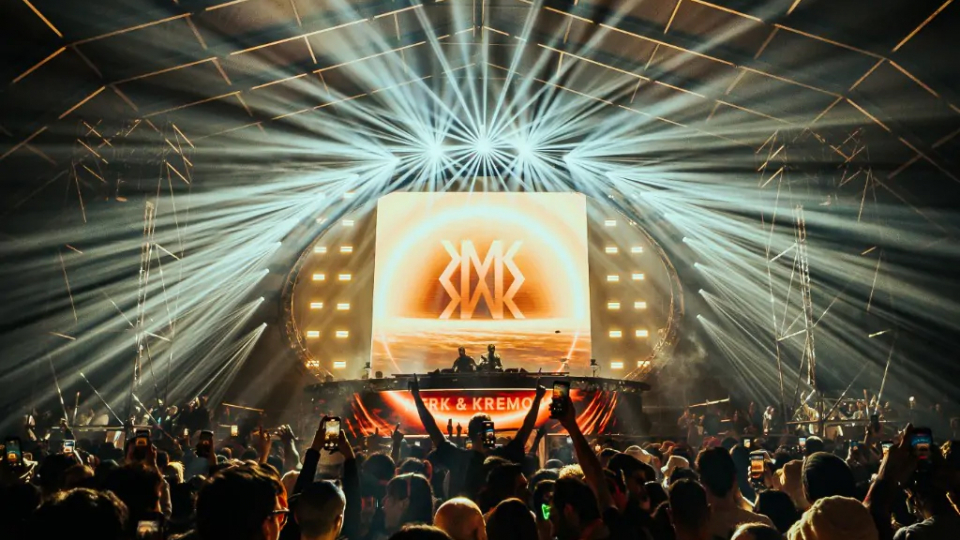
“This leads to the decision-making process of making the show look big without necessarily being big, and there are a few things I’ve found useful in doing that. Some modern fixtures can throw beams to fill 100 feet of dead space, and with proper positioning, you can fill a full arena or amphitheater with a handful of lights. Having the ability to shoot wide and far can really take a small rig and make it fill the space tremendously. It also helps to have a variety of fixtures. Rather than spec’ing 30 of the same fixture, sometimes it makes more sense to have eight units of three different fixture types. This opens up more room for variation in the show.
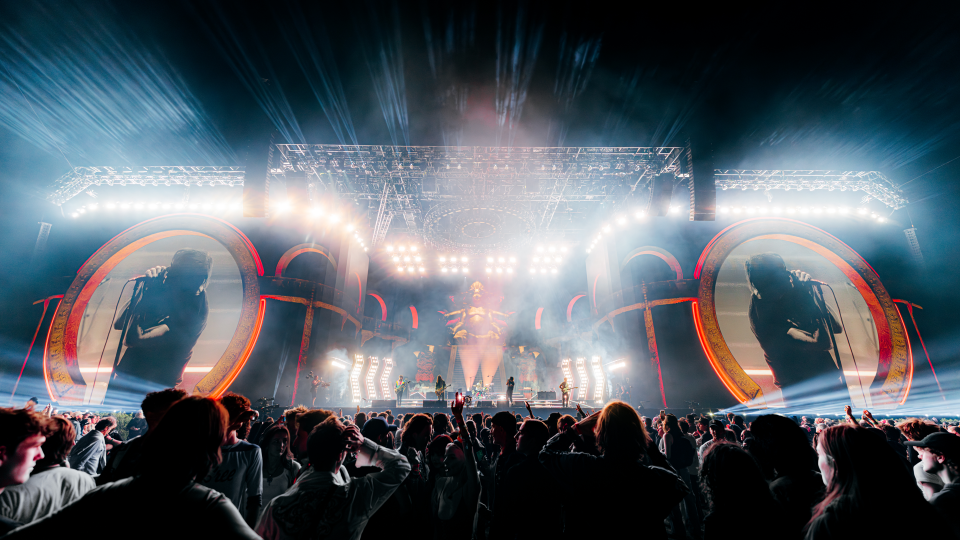
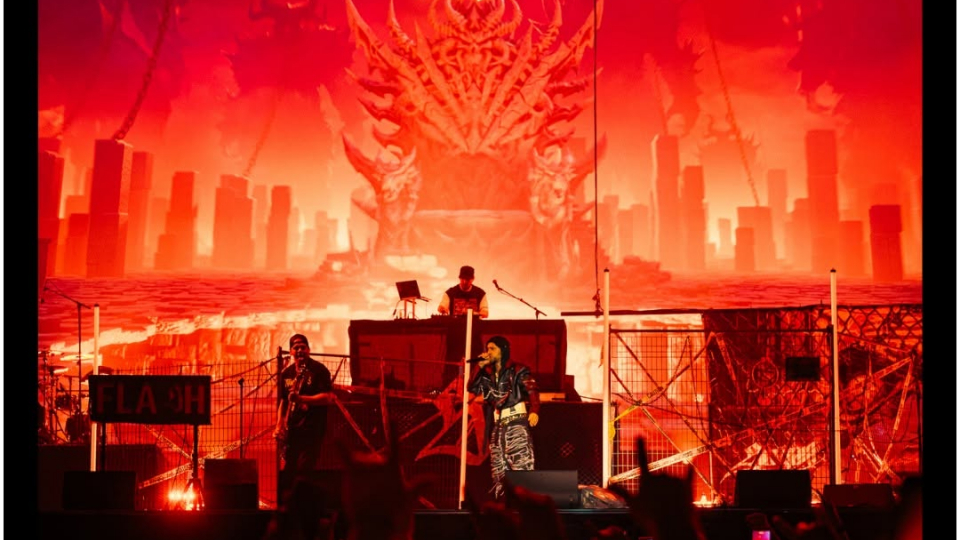
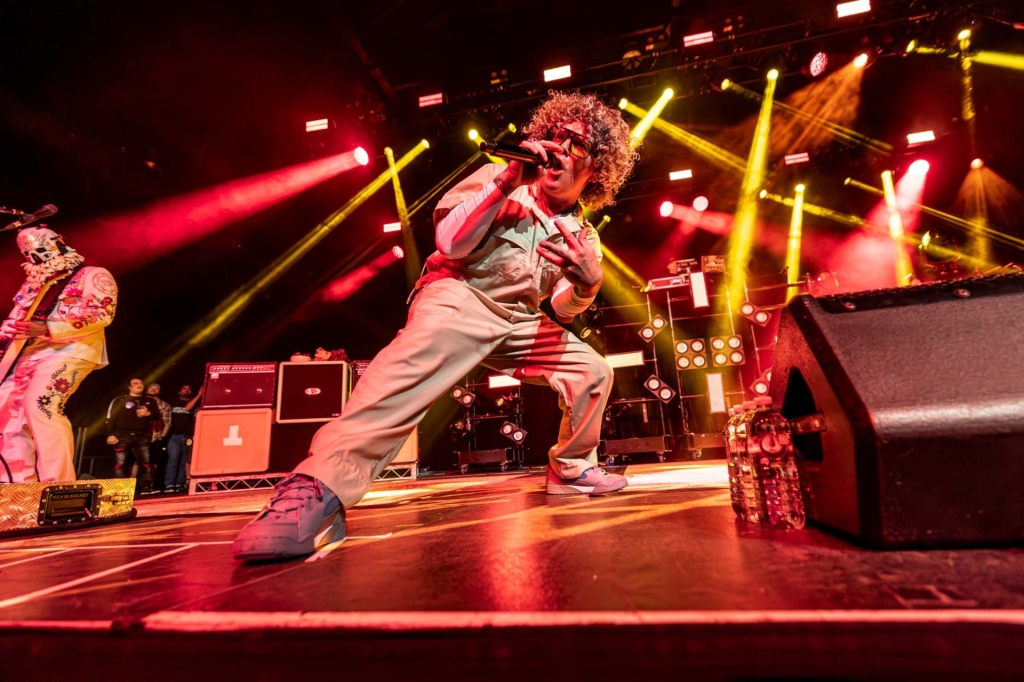
“The other mindset is to reshape the rig itself. It’s easy to get caught up thinking that fixtures need to sit or hang in a certain orientation because that’s how they’re commonly seen. By putting a 45-degree spin on a static light, you’ve opened up an entirely different plane to build off. One of my favorite examples of this is in the Limp Bizkit, Loserville US run. Blinders were very important to us, as the band heavily interacts with the audience, but I didn’t want the traditional blinder look. With a simple 45-degree turn, the 4- lite blinders now became diamonds and gave a completely new aesthetic on stage. The festival ground package that I designed for Bizkit earlier that year had the same concept. We had 5 towers, 3 of which were meant to mask the DJ Riser. By doing some strategic angling of blinders and strobes, I was able to get the blinders into a shape that I considered to look like an eye looking over the stage, while using the strobe placement around it to look like a crosshair placed on the pupil.
“I’ve spent a significant time considering this with a good friend of mine from Houston. Oscar Ruiz, a lighting designer for Warehouse Live, was tasked with rebuilding his rig and wanted to do something different than standard. He’s been my acting house LD on a number of Houston shows and has seen quite a few of my rigs come through town. He had a series of pixel strips that were acting as blinders for the venue and wanted something unique for the room. We spoke about playing with angles and reshaping the rig. A few days later, I got a picture back from him with some awesome symmetrical line work made from the pixel strips, and it changed the feeling of the room entirely. Big shout out to him, as that shift really gave that room something unique.”
We like your company name– StoneWall Lites. How did it come about and what does it mean?
“Stonewall Lites was actually a bit of a happy accident, but I’ve proudly embraced it through the years. Oddly enough, I was working with a friend establishing my LLC early in my career, and he asked what I wanted to name my business as we were in the process of setting it up. I had no idea… The first thing that came to mind was Stonewall, stemming from an old nickname from when I played sports in high school. I was a lacrosse goalie for a number of years, and one of my teammates called me “Stonewall Justin” routinely as a way to stroke my ego for never letting the ball in the goal.”
What do you regard as your greatest strength as a lighting designer?
By no means do I consider myself one of the greatest LD’s in the industry, and I know that any given day, there are a number of people that can probably do my job better than me. What I consider my biggest strength in lighting is my attitude on show site and working with other people. We’re all there to have a good day and do our job to the best of our abilities. Some days are wonderful, and everything goes accordingly, and some days are harder than others. Having the ability to smile, joke, and be friendly on the good and bad days is extremely important.”
What is the one thing that presents the biggest challenge to you as a lighting designer?
“One of my biggest challenges as a lighting designer comes with the rapid growth of technology and how it pertains to the industry as a whole. Being a Vegas cat, I’ve been lucky to attend LDI several times and fallen in love with new gear. Every year there’s a new light replacing the old, and a new trick for your sleeves. That said, not every environment catches up at the same rate, and not every client has the budget to buy or rent the next big thing and fly it to every continent. Trying to keep up to date with the newest things is very important, but keeping things feasible and being able to adapt around it is just as important. While some entertainment hubs can get you everything under the sun, many cannot, so you have to work with what’s available.
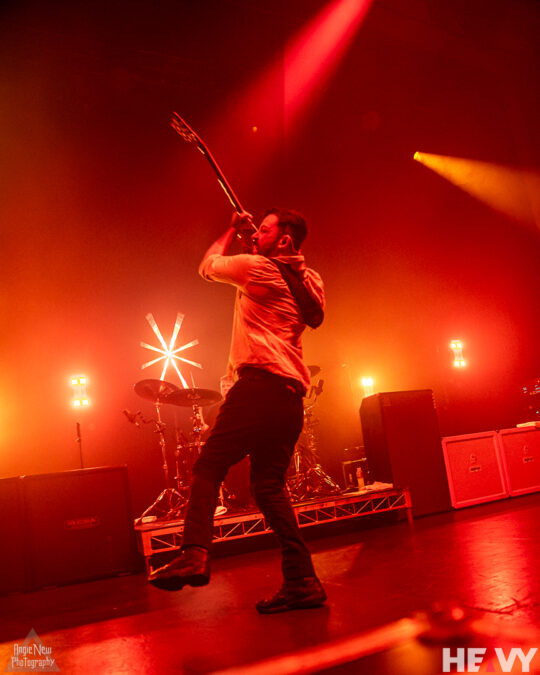
“The other big challenge I’ve seen lately comes in the nature of the lighting fixture. Everything seems to be getting bigger and brighter and ready for the arena, but not every band has the feasibility or space to handle that. For instance, It’s becoming harder and harder to find a new technology compact spot fixture as of late. For a club band that has a single trailer or is on smaller stages, some of the bigger lights get limiting quickly. Keeping up with new technology while having limited space becomes a difficult task. This is where creative usage really comes into play.”
So, why did you become a lighting designer?
“In high school, I was part of a specialized program focused on engineering. At the same time, I always had my headphones in and was attending concerts as often as I could. I also had a big interest in Disney and Imagineering. When the time came to actually knuckle down and figure out what I wanted to do, I was already sold on being involved in entertainment but didn’t quite know the best way for myself. I started in entertainment engineering but felt that the creative spark was missing and that it was more focused on problem solving. When I transitioned into theater, I was quickly drawn to lighting as it carried the visual component where I could foster my creativity as well as the problem-solving component. Music took all of this and tied it together. I love theater, but my love of concert and music really took over, and I found that I could use all of my passions in lighting as well as my love of music simultaneously. “
What is the one thing you want people to know about you as a lighting designer?
“I always struggle to think of myself as an actual lighting designer, as it never felt like a job to me. I consider myself lucky and grateful every day to be involved in a world that trusts my instincts, hears what I have to say, and values my input. I’m lucky to have worked with some of my favorite bands, and I count my blessings daily. I also realize that it’s a group effort and I’m blessed to have met such wonderful people along the way. I’m extremely thankful for my wife and family who give me the support and encouragement to keep fulfilling my dreams. This is such a wonderful position to be in, and I cherish it deeply. I will always do my best to foster that feeling and try to make everyone else around me feel that same joy and spark that I feel on a daily basis. I’m grateful for every person I’ve worked with to get where I am today, and I look forward to meeting more people that inspire me to be a better version of myself. It’s a beautiful life, and I really want to express how lucky I am to be involved in this world of lighting.”