Inspiration, they say, begins with an open mind. This Nashville-based creative has subscribed to this time-honored theory to fuel his impressive rise as a lighting and production designer. Indeed, one can say that openness played a key role in a pivotal moment in his career.
In 2015, Kevin Lichty was a member of the lighting team on Kenny Chesney’s Big Revival Tour when he met someone from the opening act. A year later, he received a text asking if he would be that opening band’s first lighting designer. Although he had reservations about joining a “bus and trailer tour,” he saw something in the group and signed on.
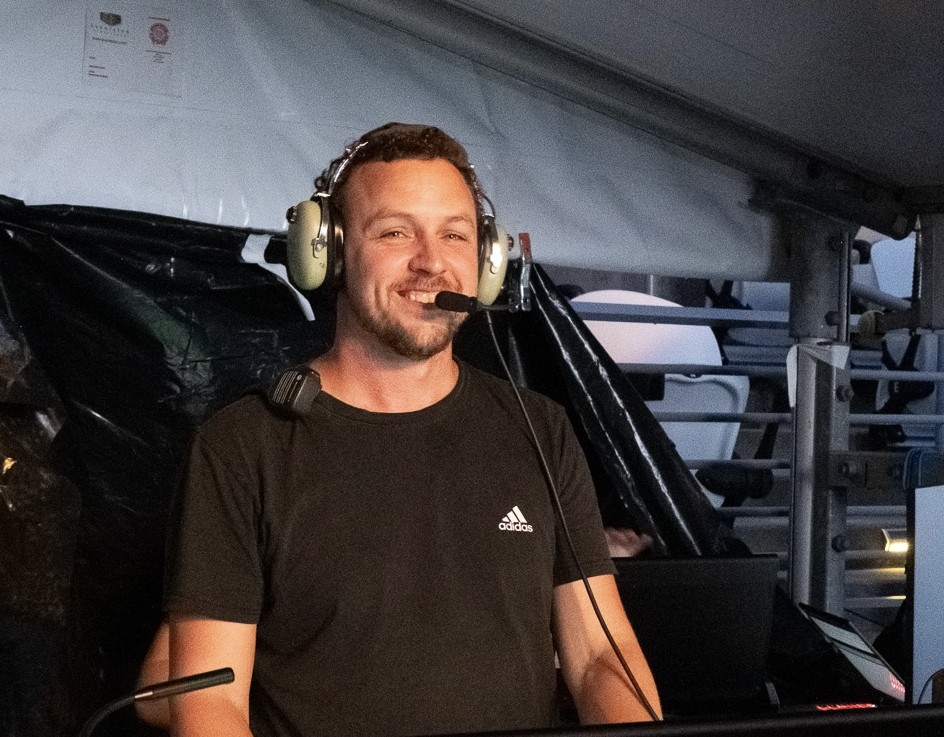
Flash forward over a decade, and Lichty is now production director, set designer, and lighting designer for the Grammy and CMA Award-winning band Old Dominion. Being open to new ideas not only connected Lichty to his superstar client, but it has also guided his design vision throughout his career.
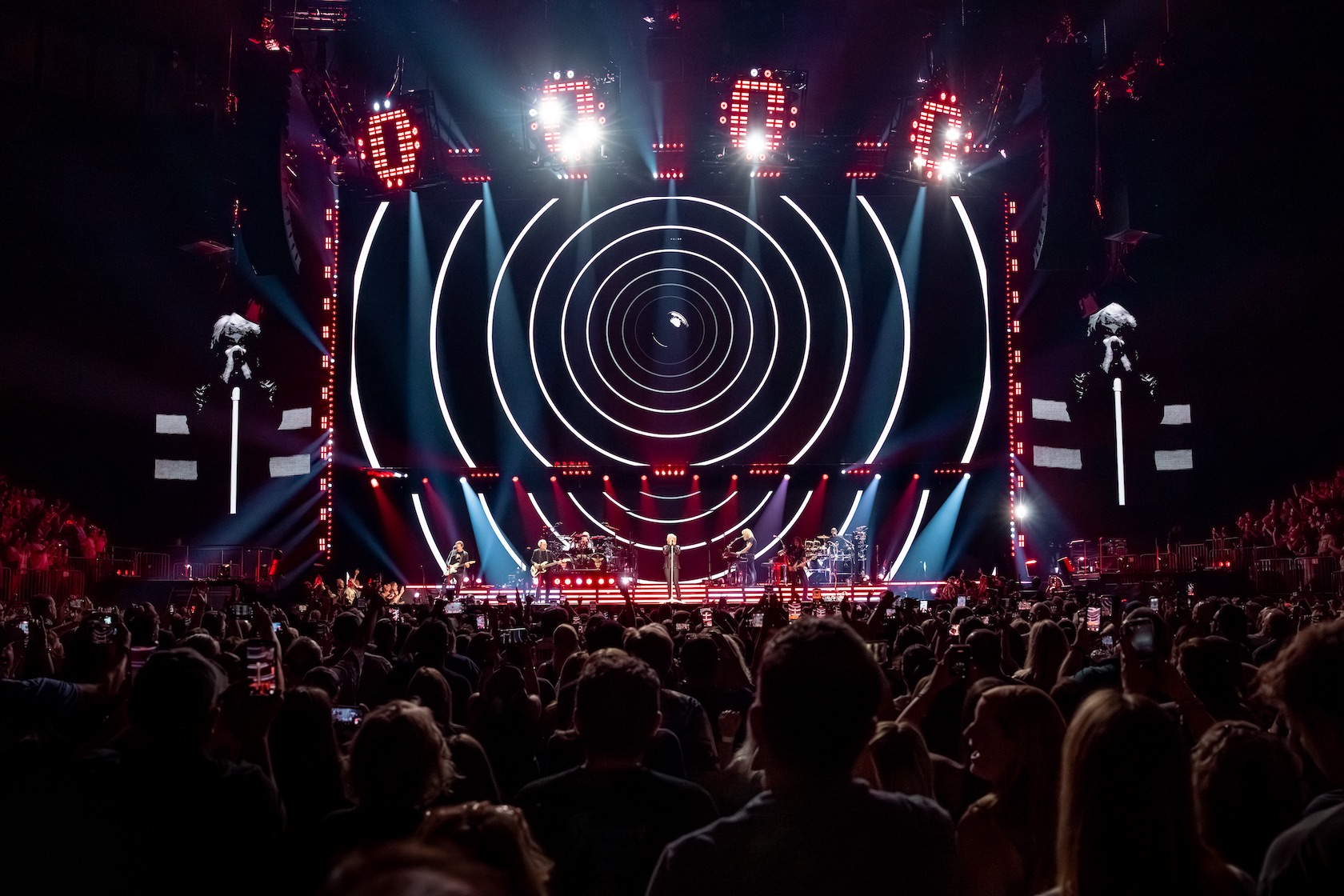
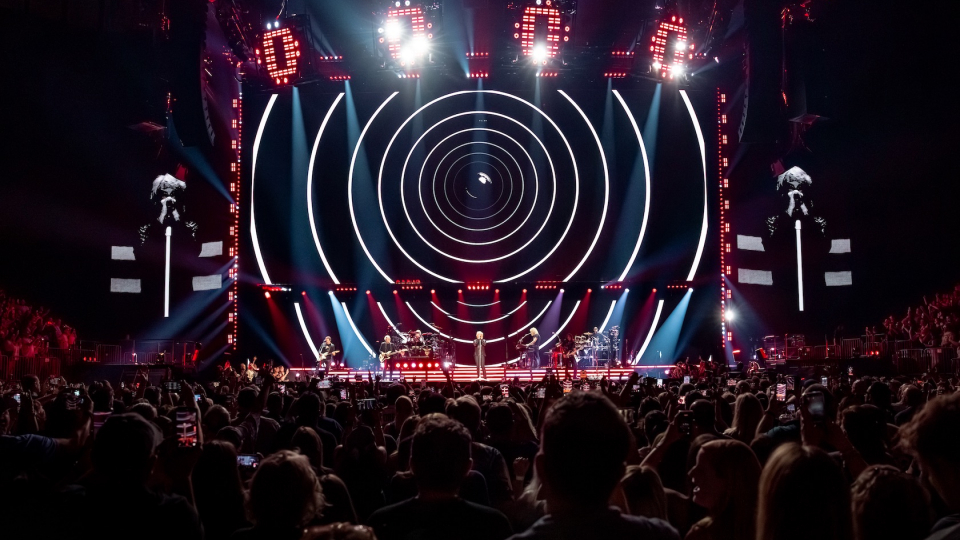
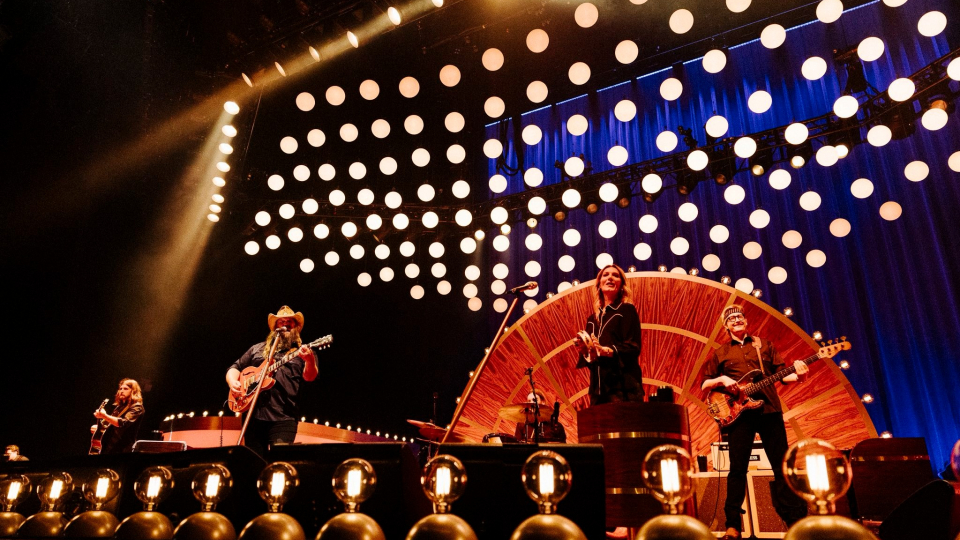
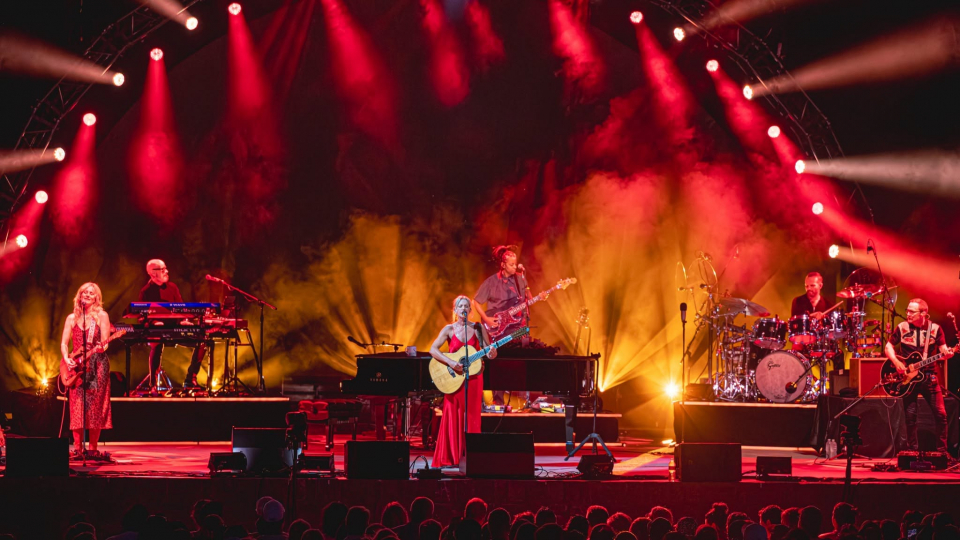
This was evident in his work for the band’s How Good Is That mega tour, which stopped at venues of all different shapes and sizes across the globe. Making it a point to study every arena and amphitheater on its own terms, he was able to adjust his rig without ever straying from the overall character of his design. Not surprisingly, Lichty is known to his peers as a great collaborator, open as he is to sharing ideas. He also welcomes creative input from non-colleagues and cites visiting other designers’ shows as a key source of inspiration.
Speaking to us in between legs of an Old Dominion tour, he shared insights into the power of open light.
You and Andrew Petrus made magic on the Old Dominion How Good Is That tour. The two of you have collaborated many times in the past. What makes Andre a good collaborator? What is the secret to successful collaborations?
“Anytime you have the opportunity to work with another talented designer that also happens to be your friend, it makes the process that much more enjoyable. The beautiful thing about collaborating with other designers is the different ideas and perspectives they bring. Andre has an exceptional creative eye and is super detailed in his work. We have such great communication throughout the entire process, and no one is afraid to speak up and say that something isn’t working or we need to rethink a particular segment of the show. Communication, perspective, and defining a clear and common goal that everyone wants to achieve leads to successful collaboration.”
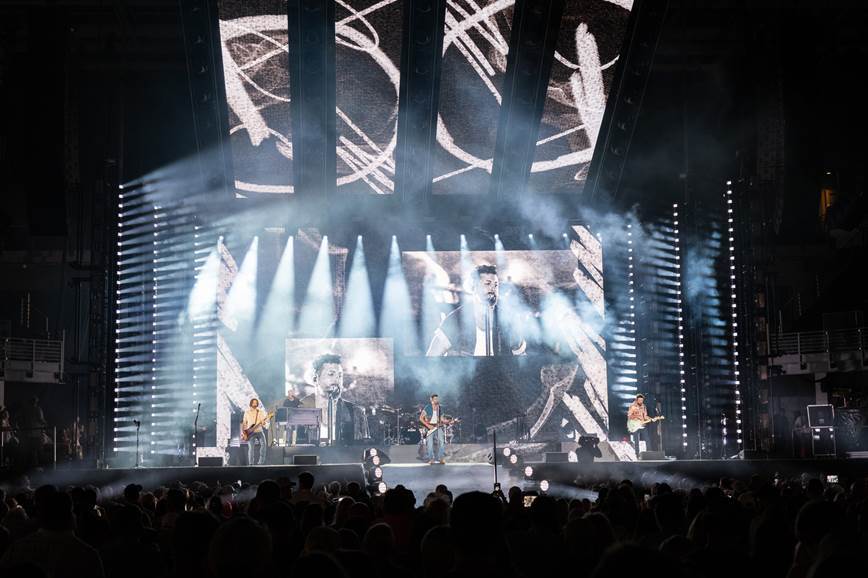
The How Good is That tour went around the world and appeared at a multitude of different venues, indoors and outdoors, that were widely different in terms of their size and configuration, yet you kept a consistent look throughout. In your view, what are the keys to making a rig scalable and flexible?
“Looking at the venues a tour will be playing is usually one of the first things I will go through when designing the show. Making sure that what the band sees is consistent from the initial renderings continuing through the design process all the way to rehearsal and throughout the year is always a goal. There will always be compromises and adjustments for different buildings and venues, but the majority of the time I want the overall design to stay intact throughout the duration of the tour.
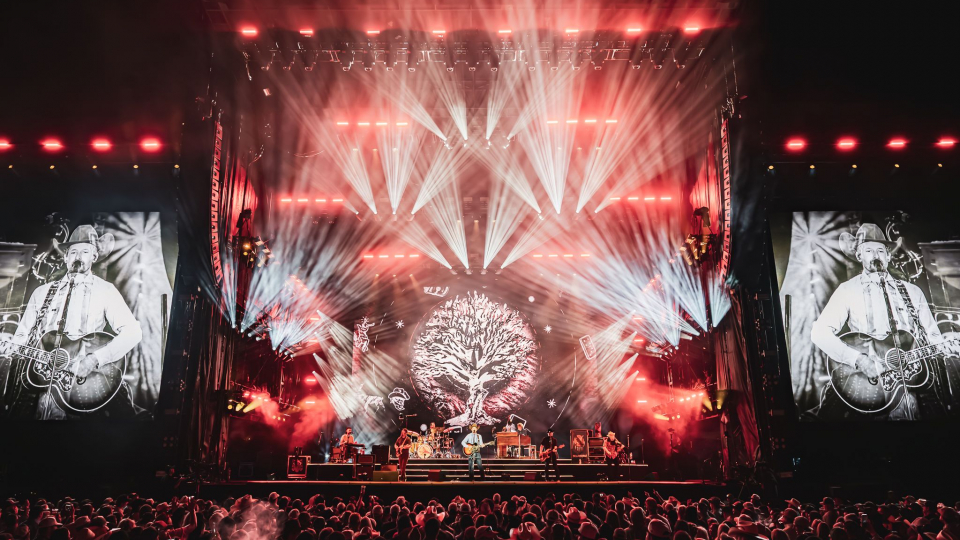
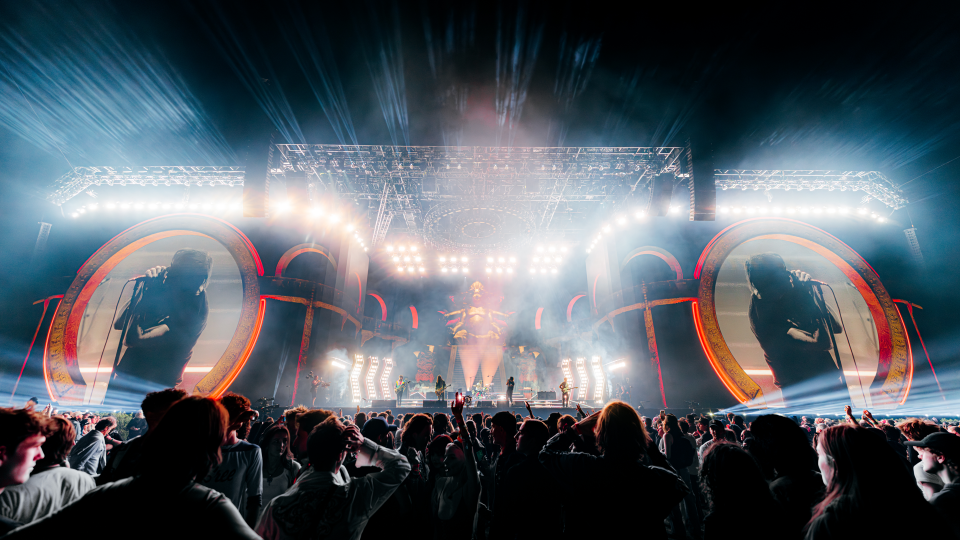
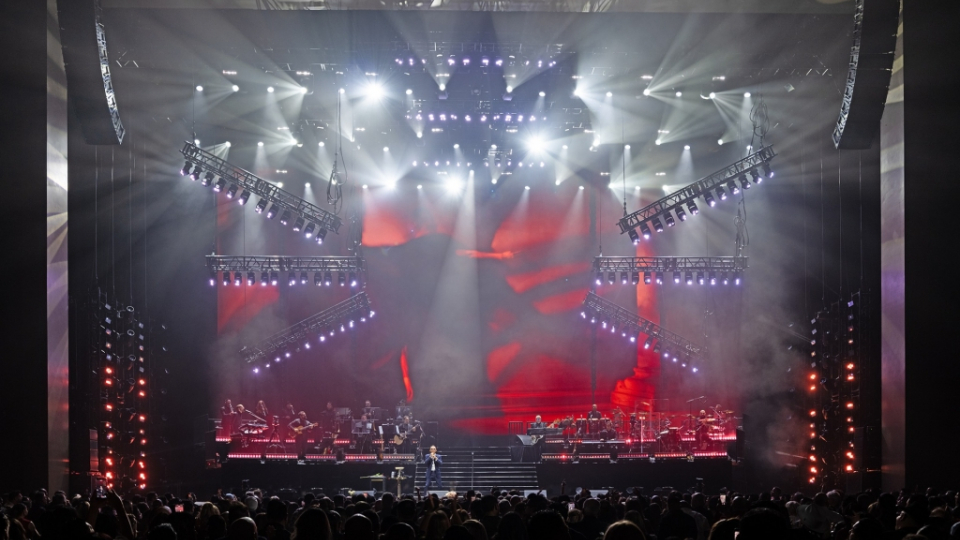
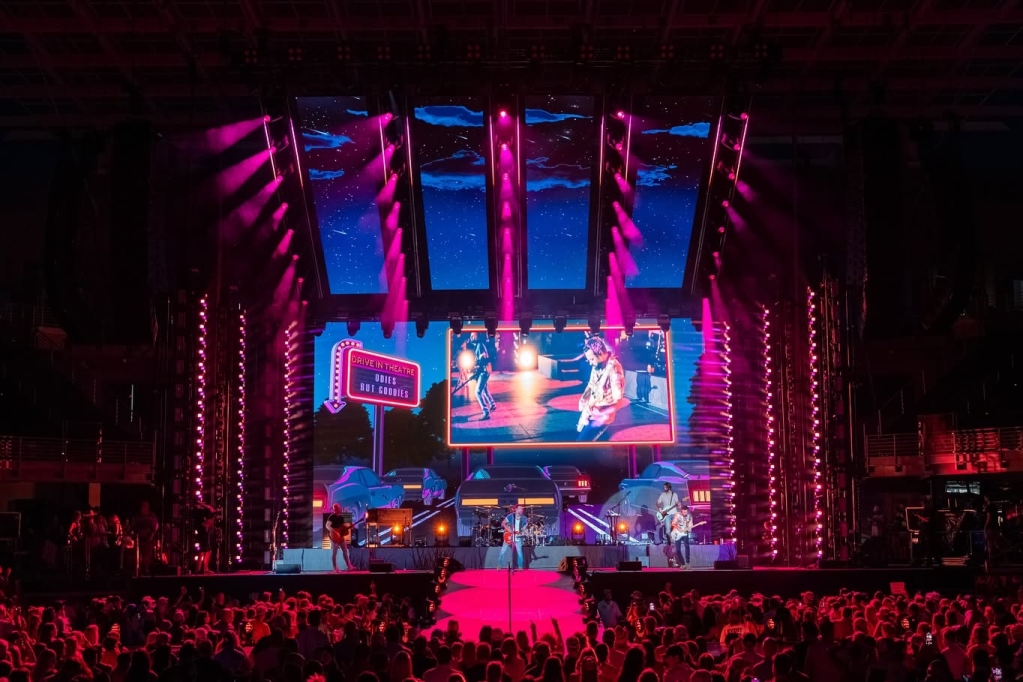
“In the case of this particular tour, the design was able to be scaled a few different ways. Adjusting the rake of the overhead lighting and video “fingers” allowed us to put the show into a low trim building with the tradeoff being a little more of a flat look. Another option I had was scaling the side towers from three down to two or even one if needed. No matter how we scaled it, the overall design concept never changed.
“I think an easy trick I use for “scalability” is to use repetition of a certain element. When you have multiples of the same fixture, losing portions or sections is easier to overcome than losing a main key element from your show. No matter the scenario, we were always able to adjust the design without compromising the integrity of the design.”
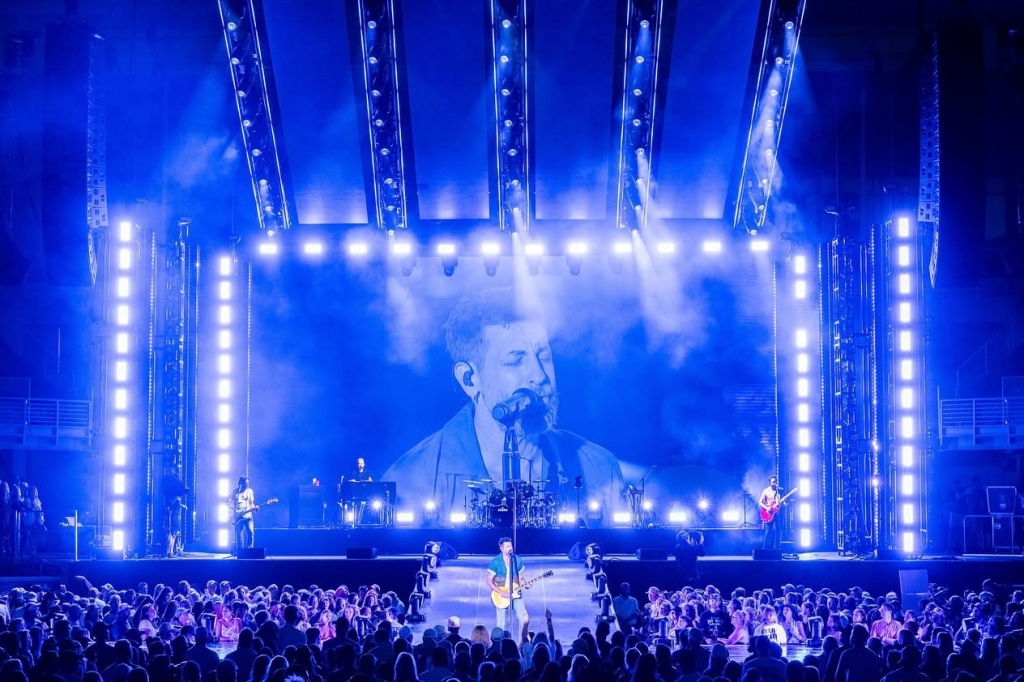
Video plays a prominent role in your designs. How would you say the role of video has changed in recent years?
“Video is a powerful tool; you can use it in so many ways. It gives a visual representation to the music being played on stage. I have a love-hate relationship with video a lot of times. On one hand, it connects the people who are sitting up in the nosebleeds to the band and the show, but on the other hand, I’ve seen an audience member sitting 20 feet from the lead singer staring at the video wall or LED screen. That being said, I think it is important to find the balance of when to use video and when not to. Some of the best shows I have seen used no video and I didn’t miss it.
“I think the role of video itself hasn’t changed as much as the means of how it is used. As technology evolves, we have seen everything from the development of projection mapping to LED holograms on stage. More and more shows have some sort of a video element to them, and designers are finding creative ways to incorporate that into their shows. So, in some ways it has become more prominent, but on the other hand the role of video is to help tell a story and enhance the musical experience for fans — and that should never change.”
So, how does the growing prominence of video affect how you coordinate it with light?
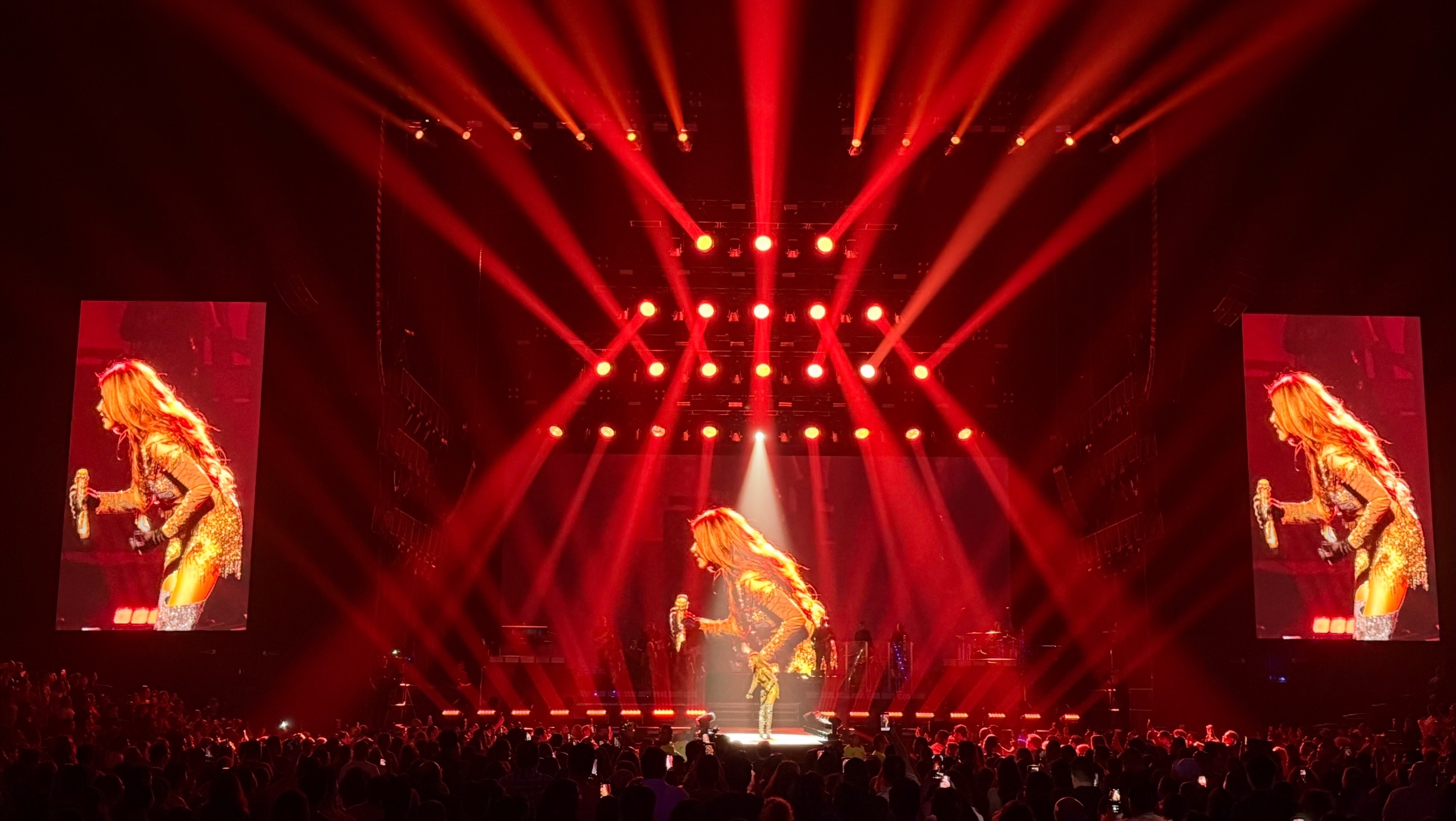
“Over the years, lighting and video have become more integrated than ever. A lot of times the video wall is a lighting fixture, and I have seen some really unique ways designers have integrated the two for shows. I think the simple answer to this is balancing the two to fit the requirements of the design. Every artist, design, and show is different. They require different usage of lighting and video. It is up to the design team to coordinate how they integrate the two to fit the needs of the show.”
You often frame your video walls with lighting fixtures? Why is that?
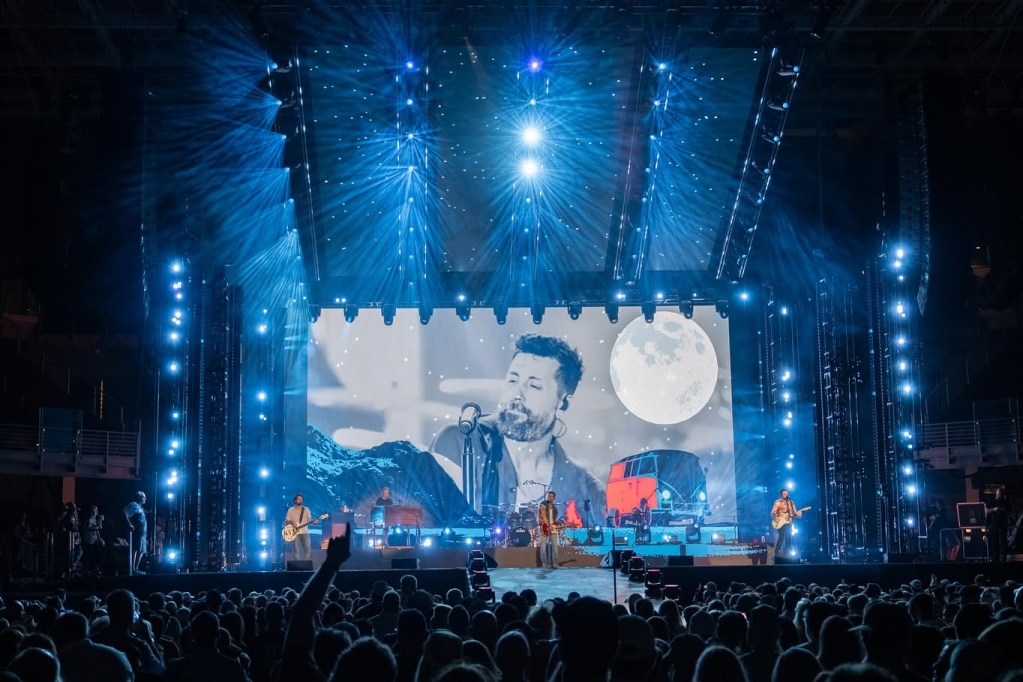
“I do this for a few reasons, mainly for cohesion and focal points during the show. The power of color is important in creating the mood and setting the tone of a particular song, so anytime I can amplify what is happening on the LED screen using the lights, I think it makes it that much more impactful. The same reason we all frame a picture or a piece of art in our homes is similar to the reason I do it on the stage. It completes the picture that is being portrayed on the screen. They work in tandem, complementing one another and at the same time creating a focal point for the audience.”
How do you see AI changing the relationship between video and light?
“I think AI is going to change almost every industry, including this one. I wish I had a crystal ball to see how this industry will look in the next 10 years. At the end of the day, AI is just another tool in the toolbox. All of us can choose how we want to use it and how much we want to use it. I think there is a little bit of a moral obligation with how we use AI. In many ways, AI can help streamline certain things in the design process as well as help portray ideas without dumping a ton of resources and time into it. But on the other hand, it is easy to create something using all AI, whether it is a design or a song or a piece of art, and I think that we lose the authenticity of the “process” when we do it that way.
“As far as the relationship between video and lights, I believe there will always be a human element to integrating the two and finding a way to create a cohesive look because at the end of the day the raw element of human interaction and the emotion that we feel when we see a show can’t be manufactured.”
You wear many different hats for Old Dominion – production director, set designer, lighting… can you tell us a bit about how your relationship with the band started?
“I met Old Dominion when I was on the Kenny Chesney “Big Revival Tour” in 2015. They were opening for Kenny at the time, and I was a lighting tech on that tour. The next year, Old Dominion started to carry lighting and needed an LD. ( This is always my lesson to anyone who is starting in the industry or even a reminder to those who have been in it a long time –always be kind and respectful to everyone you meet because you never know where your next gig might come from.) I met the only crew guy the band had at the time when they were the openers and exchanged numbers. The next year, he sent me a text and asked if I was interested in becoming the LD for the band. I must admit, at the time I had zero interest in joining a bus and trailer tour, but 10 years later here I am!! Just like any investment, you take a chance hoping it works out, and this one did. “
Why do you think this relationship has been such a success?
“I know this sounds ‘cliché,’ but I really do think it starts from the top down. Those five guys not only are incredible artists but even better human beings. They assembled a team of great people over the years, and it has been such an honor and blessing to work for them. How you treat someone tells me a lot about who you are as a person, and from day one those guys treat everyone they meet like family, and they haven’t changed, which sometimes is not always the case in this business.”
How do you get inspired before you begin a design?
“For me, the inspiration is a gradual progression. I’m always looking for inspiration wherever I am. Maybe it’s architecture, or maybe it is a piece of art I come across in my travels. I have folders of ideas, sketches, and pictures that have inspired me over the years. I have made it a point over the past few years to go see more shows than I normally would to get the creative juices going.
“I think seeing other designers’ work is important to do because it really makes you appreciate the vast amount of talent and ideas that are out there. Sometimes if I am stuck in a rut, I will go see another show, and it clears my head from whatever I am hung up on. Another thing I really try to do is talk to other designers and programmers about their process and workflow. Getting inspired for a design doesn’t have to be one ahhh, I got it moment. Some of the inspiration for me has come from a simple adjustment in how I think about certain elements, all because I was talking to another designer. “
“Every design I do, I want to make it better and find a new way I can improve, whether it’s how I am inspired or something I can change in my process.”
How would you describe the role that dark space plays in your designs?
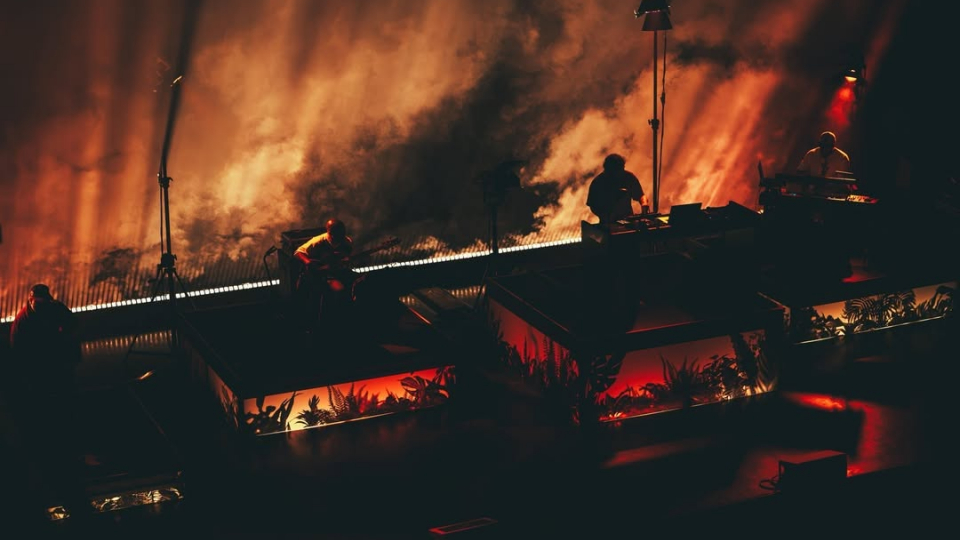
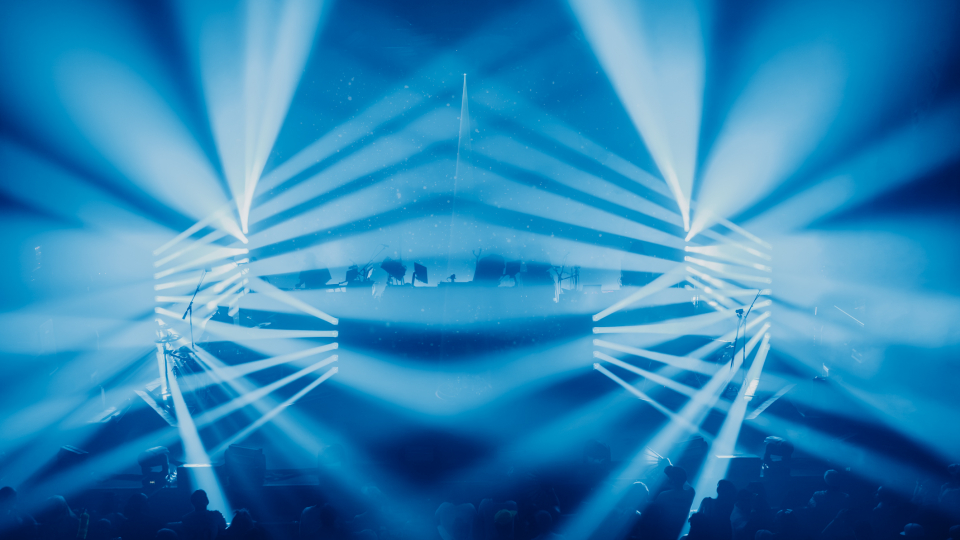
“Sometimes I think it is easy to see an empty space on a stage and say “we need to put something there,” but a lot of times less is more. Not using all the lights at once or using portions of the video wall can really help narrate the storytelling of a particular song. Using negative space really helps give depth and dimension to the stage and the artist. The goal is always to set the mood and create an atmosphere on stage that fits the music and the artist; the use of negative space is key in achieving that. I always try to give myself options when designing a show; being able to light the stage from different angles while keeping the rest of the stage dark gives the show some place to go as the story builds.”
How about atmospherics? How do you use them without overusing them?
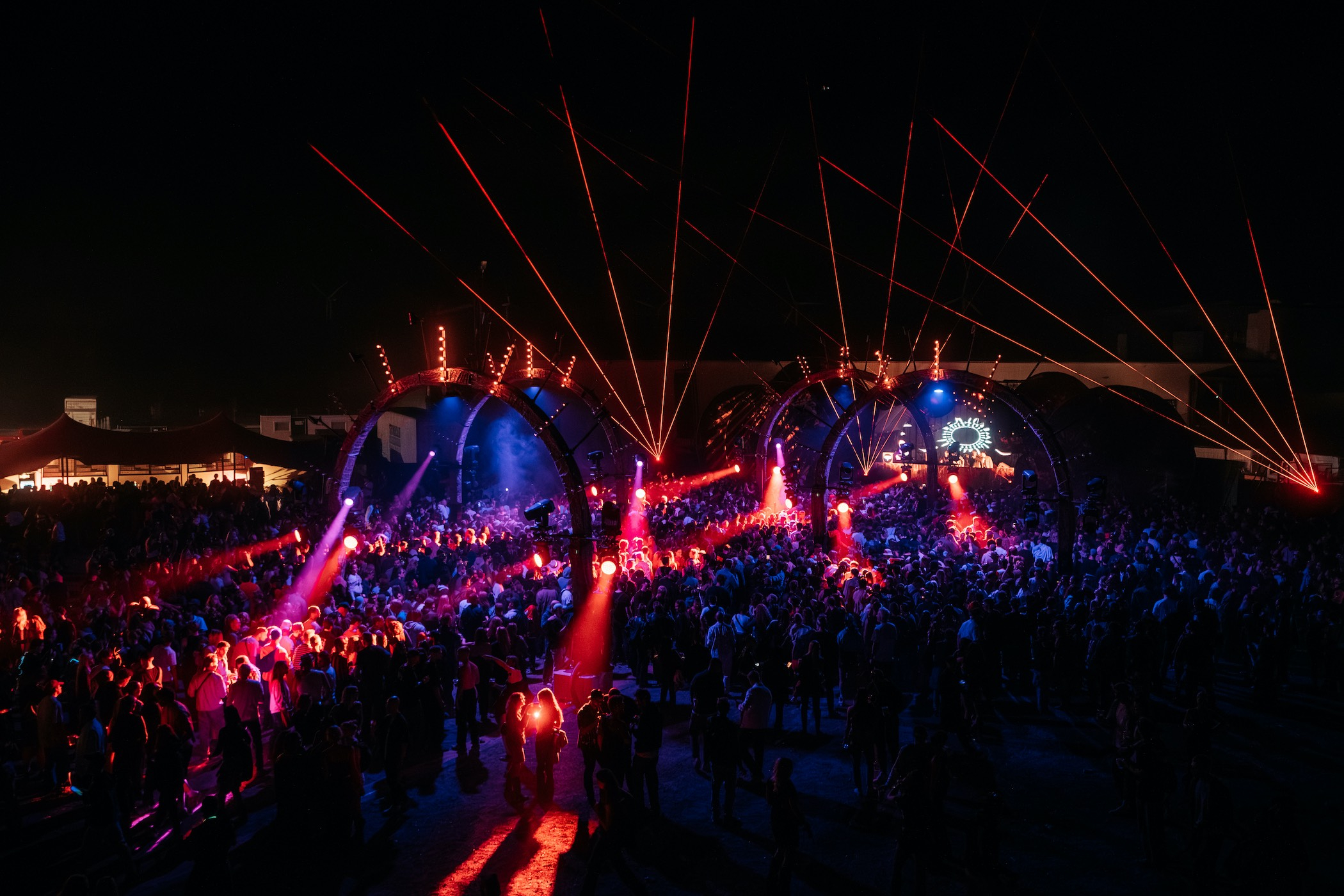
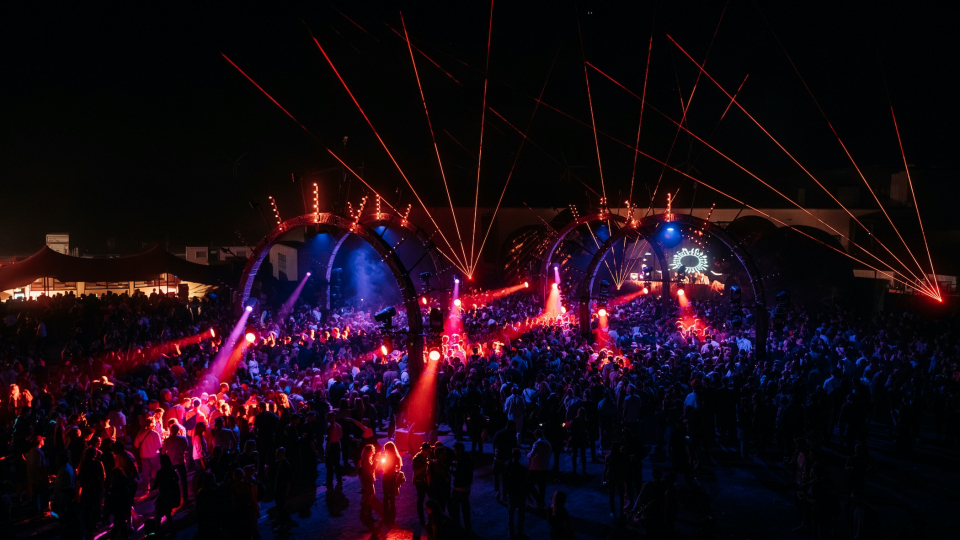
I think they have their place. I don’t use a ton of them, which makes it easy to not overuse them! I feel like atmospherics guide themselves when to be used and when they are needed. Finding moments in the show and within the music that are impactful are great places to add something extra. Adding lasers or pyro just because can sometimes lead to a break in the continuity of a design if it isn’t carefully thought out. Although some shows like heavy metal or DJ sets might be the perfect place to unload the kitchen sink.”
Your designs seem to have a narrative element. Do you see them as storytelling, where you start off at one point and then build on the narrative as the show unfolds?
“I always try to find the story that the artist is telling and try to follow that. Whether that’s building moments with video or lighting. I think it is always important to keep in mind that music and the lyrics are telling a story, and as a designer it is our job to help the artist express and amplify that. I think with every design I try to evoke feeling and create a mood through the visuals that enhances the story that is being told.”
How did you get started as a lighting designer? What drew you to this field?
I have always taken interest in live shows growing up, whether it was theater or local bands playing around town. My dad was an electrical contractor, so I would always help him with projects around the house or on the job site. My fascination peaked when I started to build sets for our high school productions, where I was introduced to the lighting element of shows. After that, I attended college where I earned a B.F.A in design and later went on to work for some production companies in Pennsylvania before moving to Nashville.”
What do you think you would have done if you didn’t become a lighting designer?
“That is a good question. This industry is all I have ever known, so it’s hard to imagine doing anything else, but I think I would have probably followed in my parents’ footsteps of either becoming a teacher or an electrical contractor of some sort. I have a secret passion for cooking, so in the back of my mind I’ve always thought it would be fun to do something with that!
What is the one thing you want people to know about you as a lighting designer?
“Hmmm, good question. I don’t know if I have just one thing that I want people to know about me. If I had to say something about myself and tell people “what I am all about,” it would be this.
“I am grateful to be in this industry and do this for a living. Creating and working on shows is my passion, and because of that, I always try to create an environment of positivity. Creating the right environment is so important to being able to achieve a successful show. I think people do their best work when they feel valued and heard. I try to bring that mentality anywhere I go. As I mentioned previously, communication, perspective, and having a common goal are key to successful collaboration, but without the right environment none of that can thrive.”