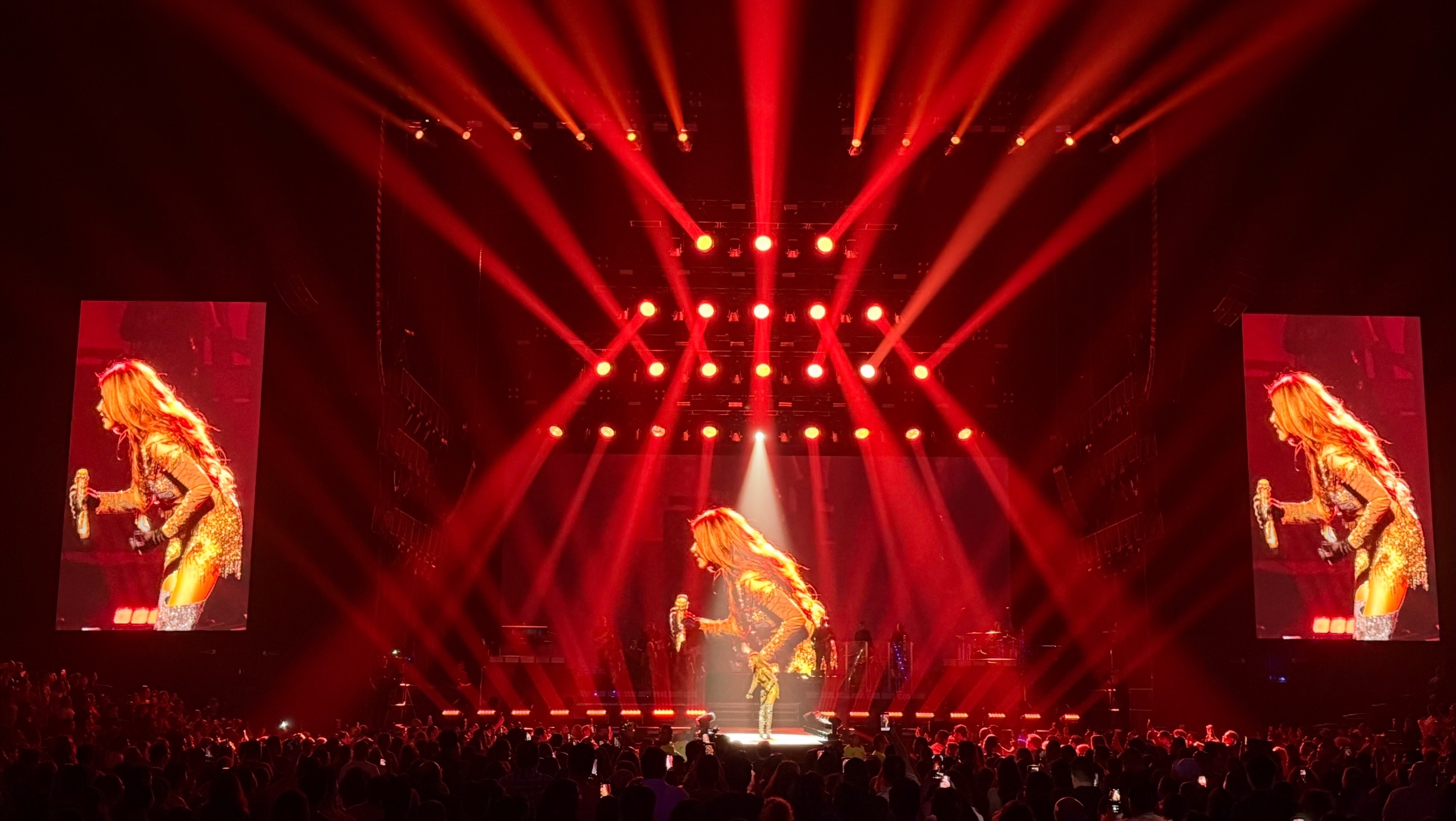
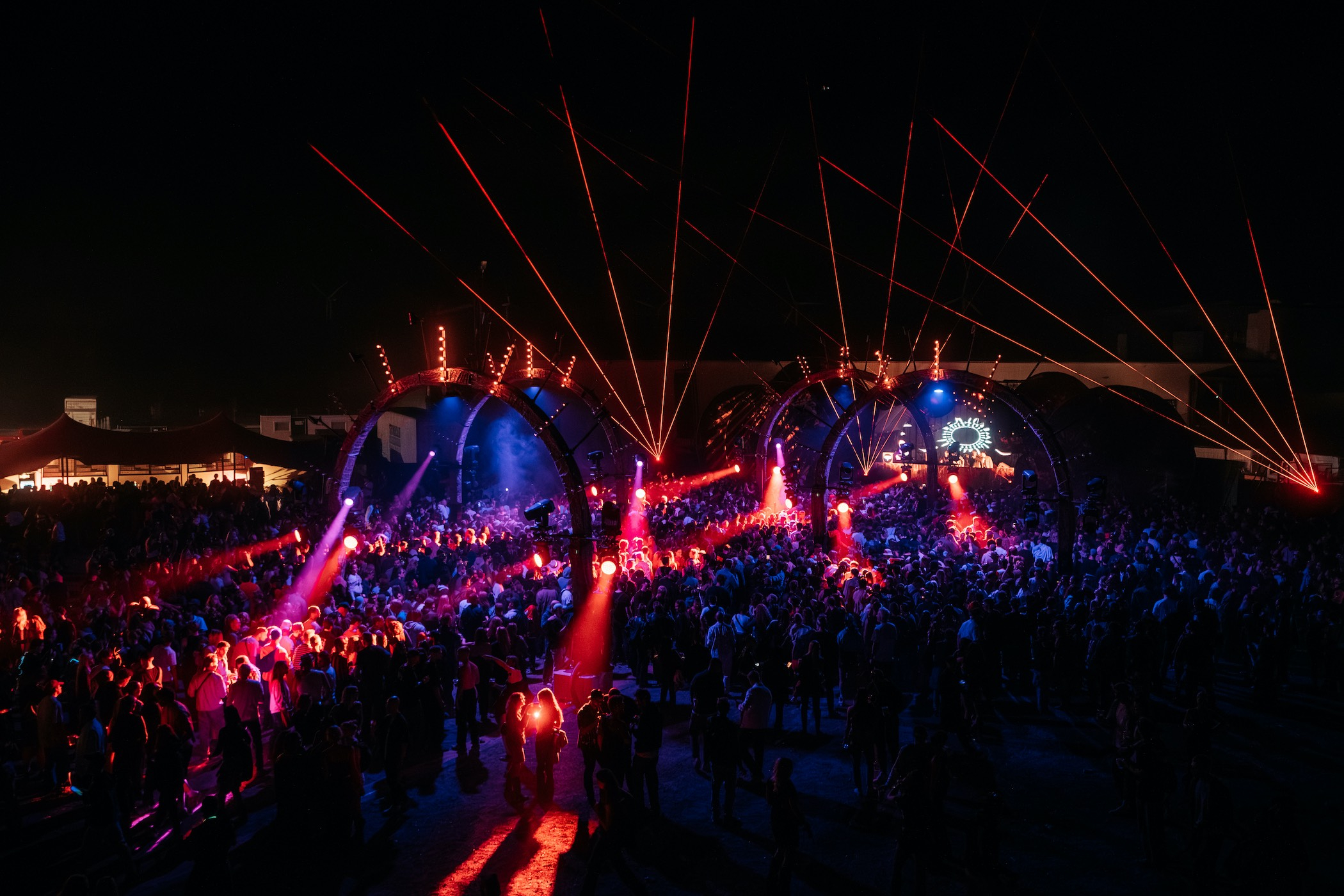
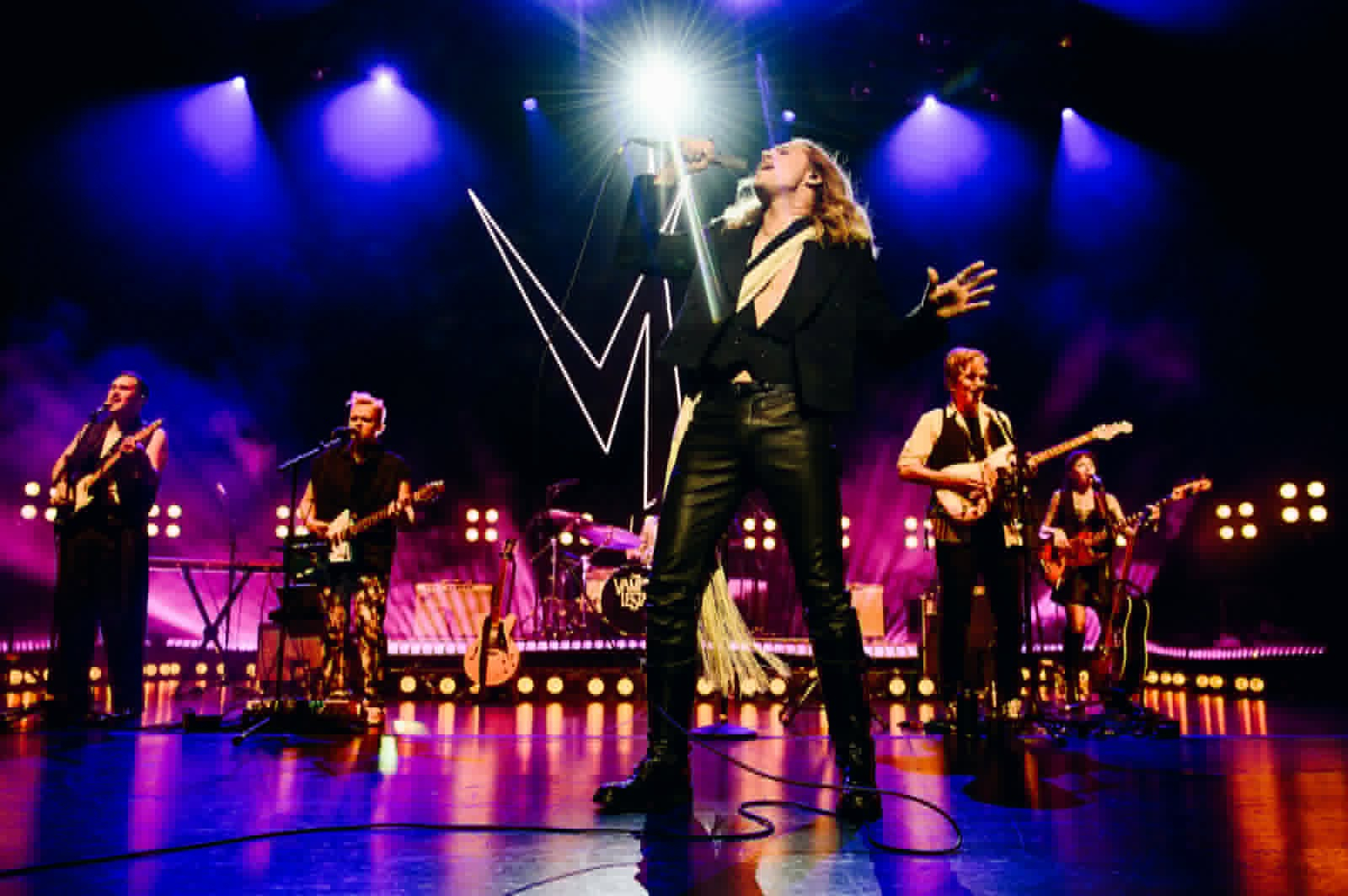
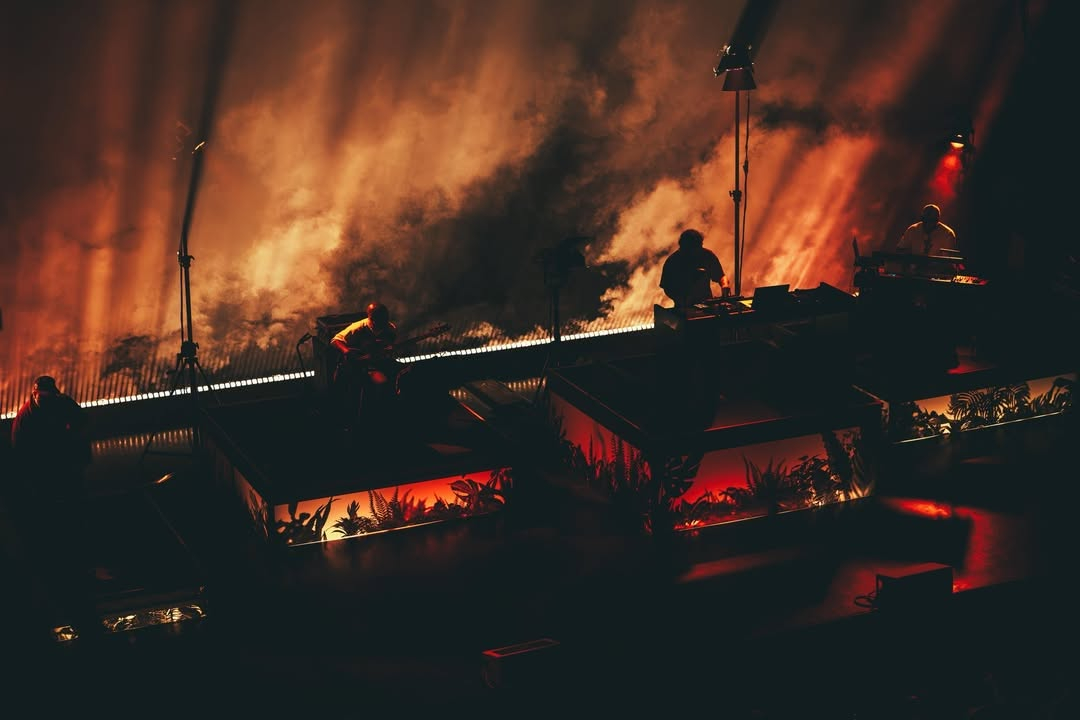
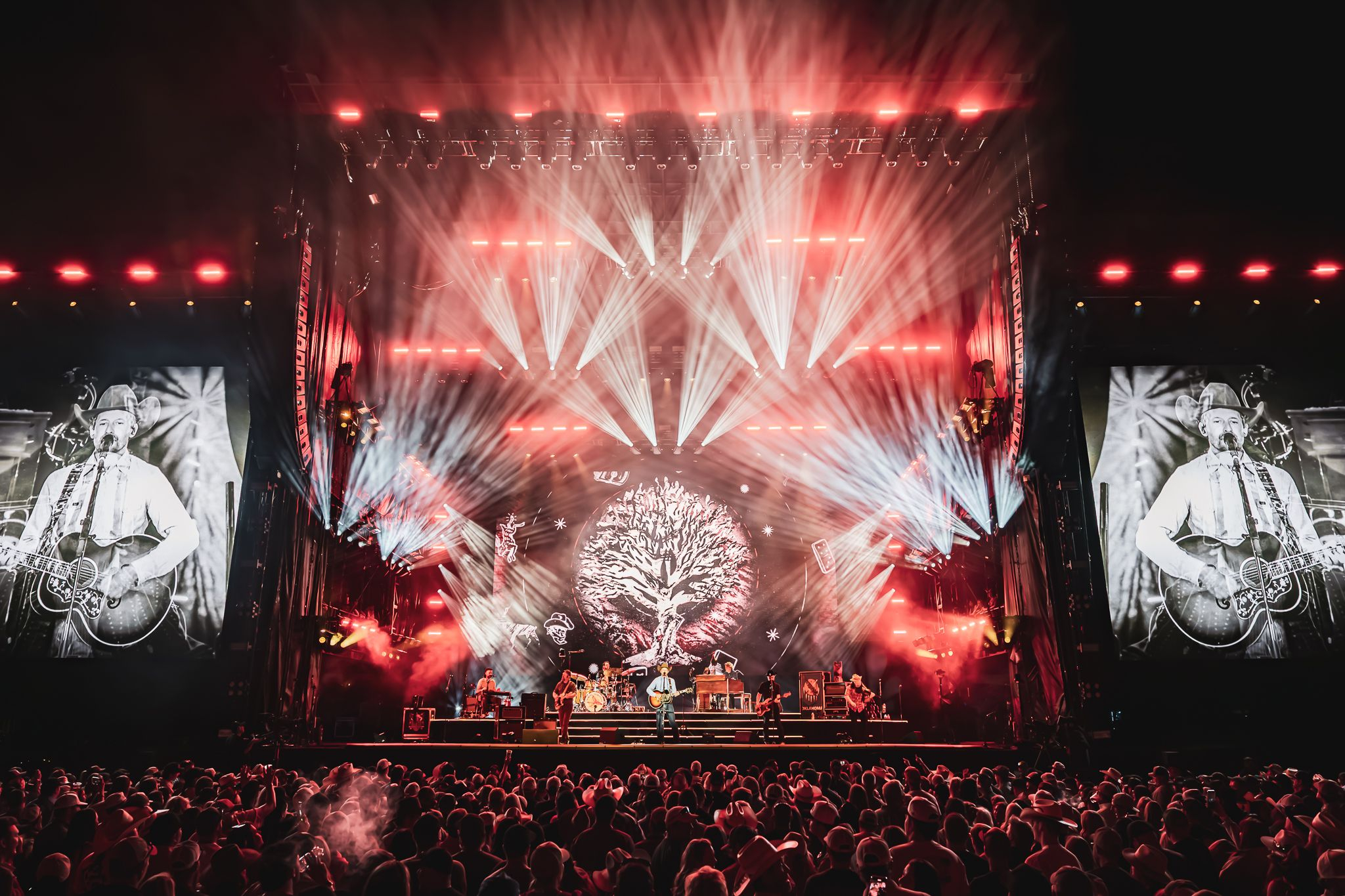
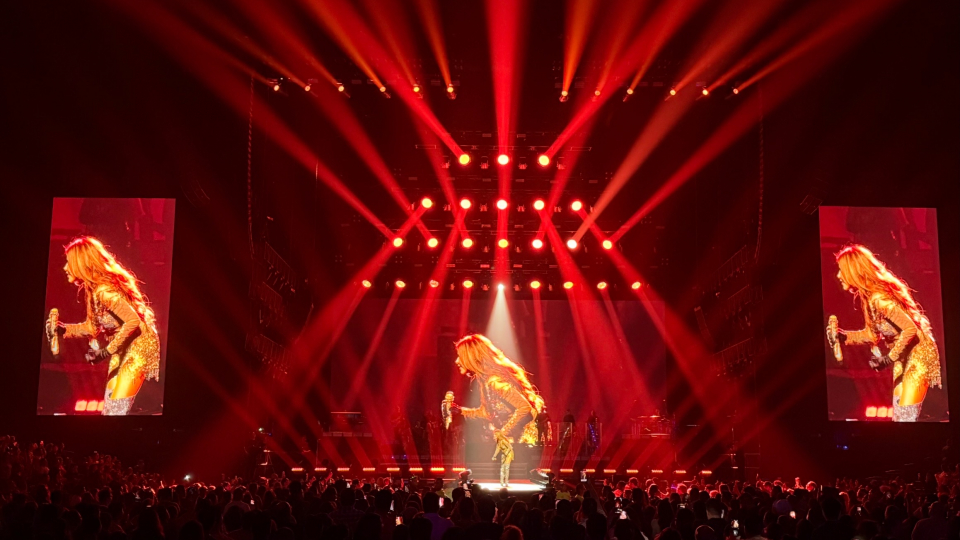
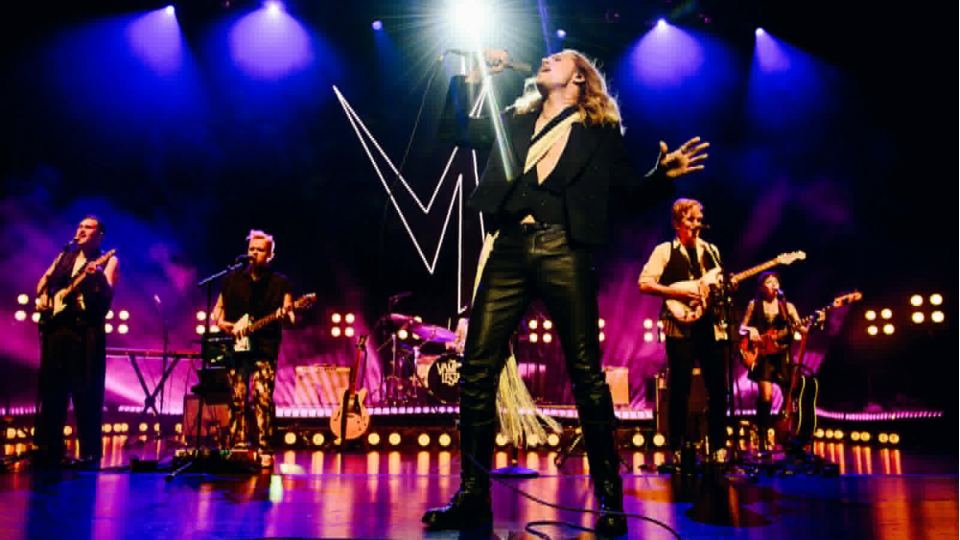
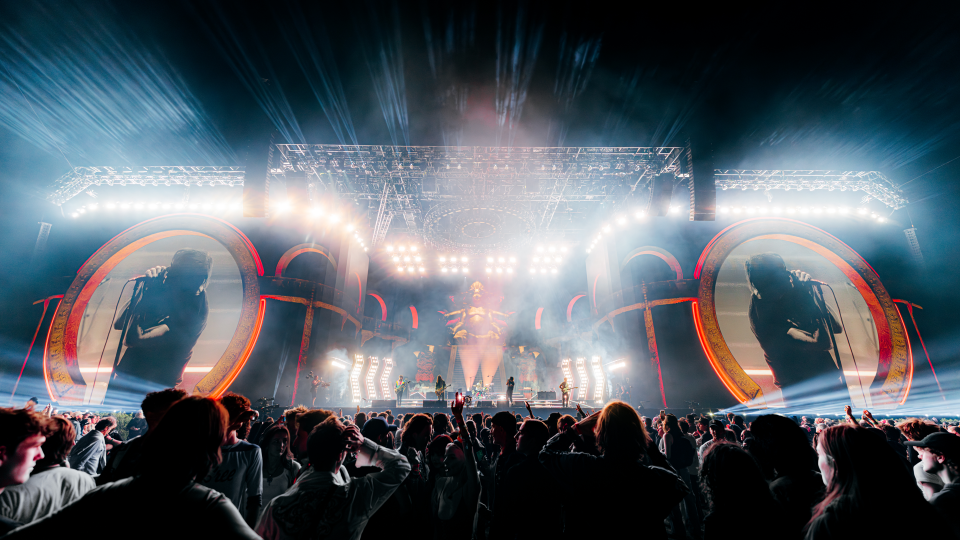
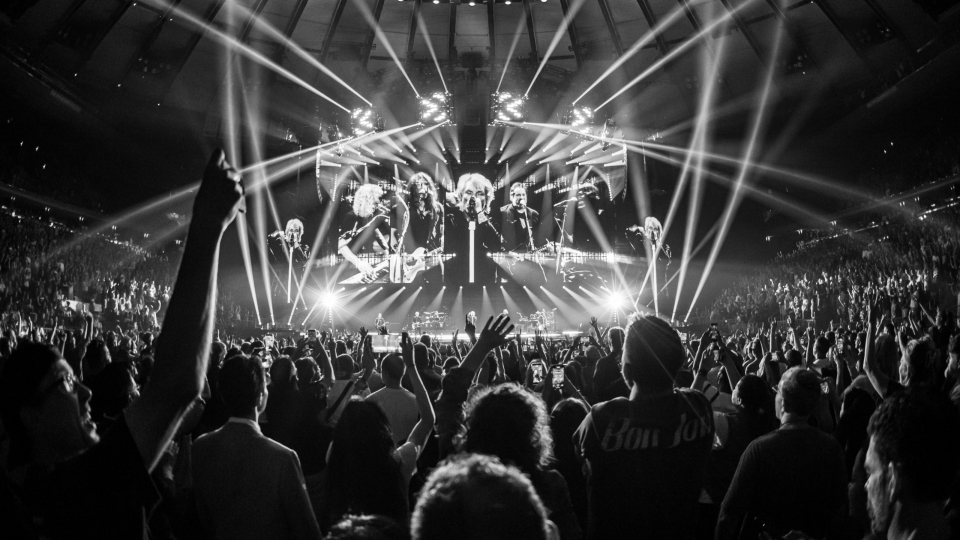
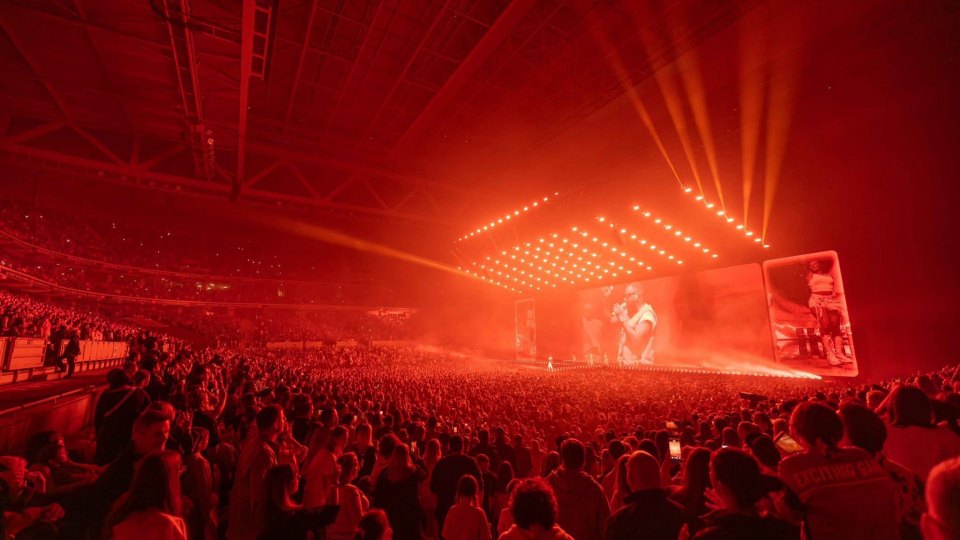
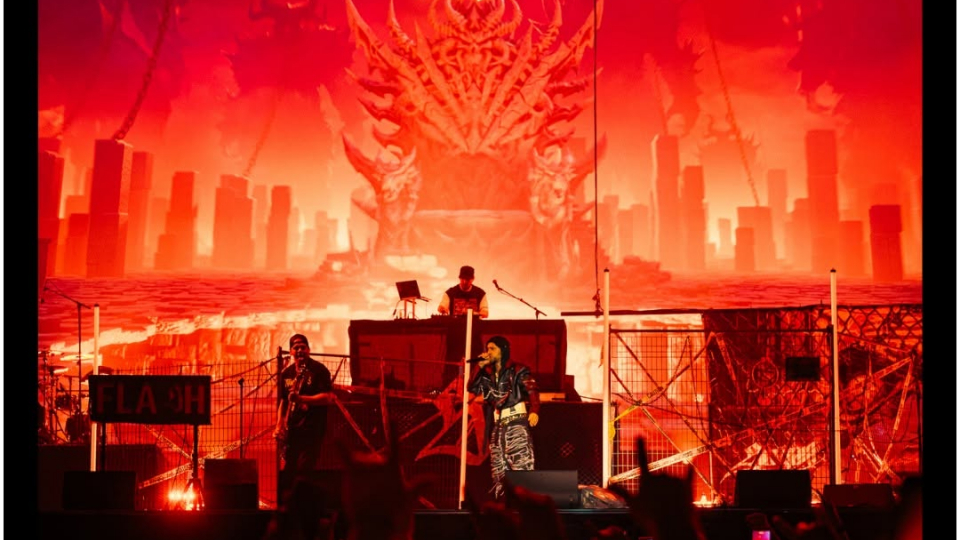
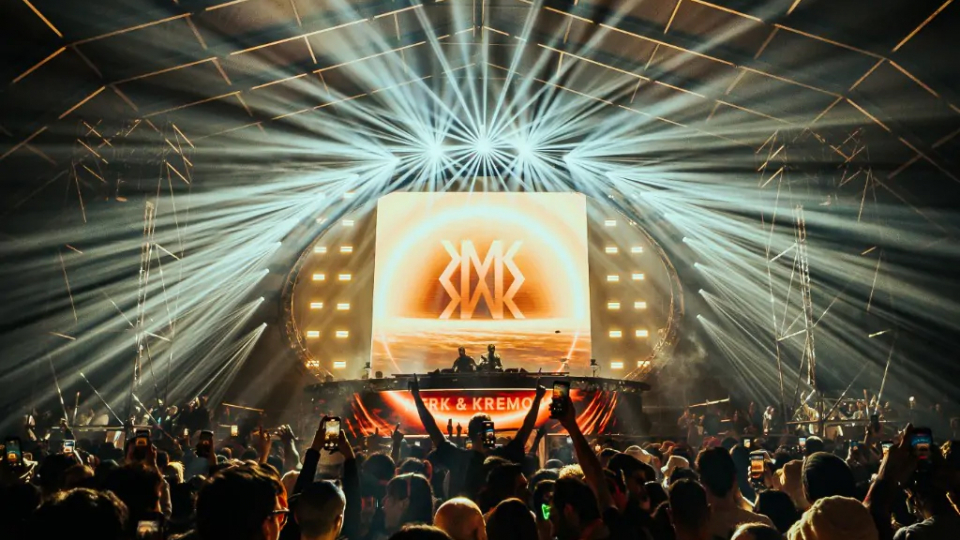
Our friend, the late, great Nook Schoenfeld, used to talk about how he liked to mentor young designers, especially those who exhibit not just talent, but, even more importantly, passion for their work. One of Nook’s “up-and-comers,” Ignacio Rosenberg, exhibits both of these qualities in abundance. This came off loud and clear in the “5 Lessons” about lighting that he shares in this column.
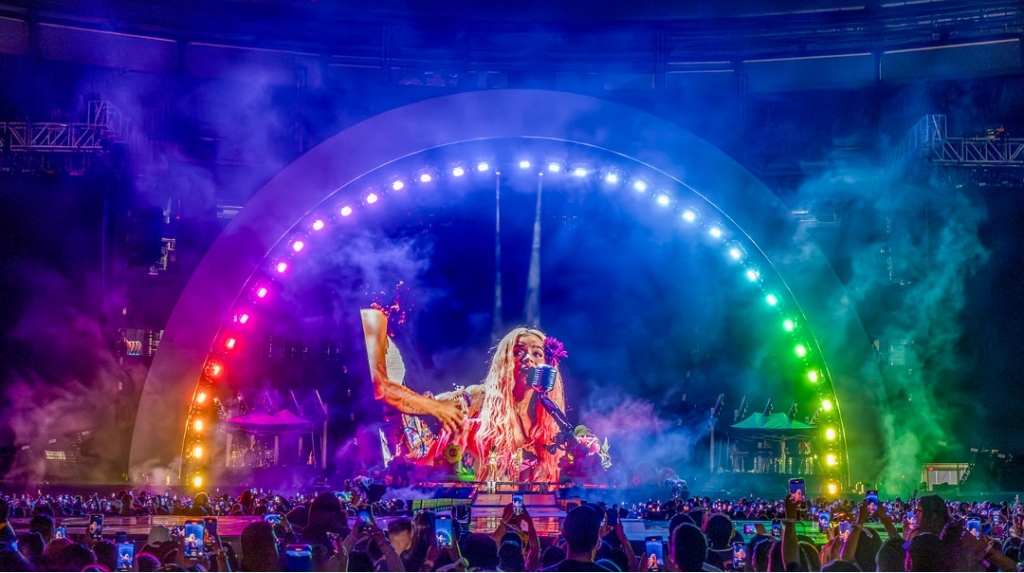
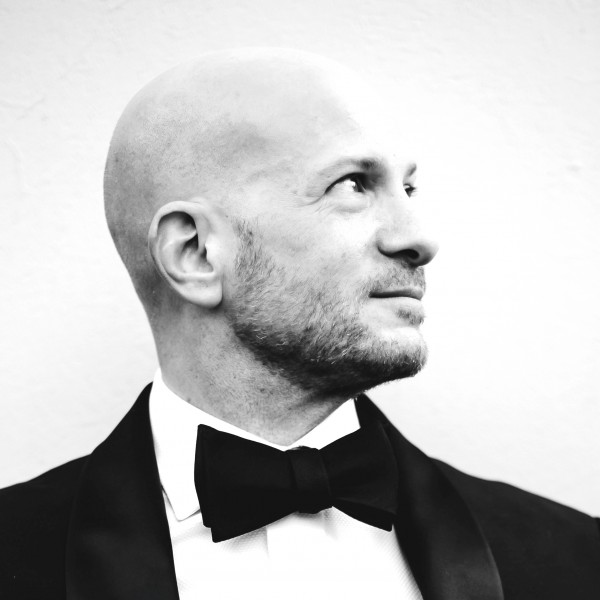
A senior director of Lightswitch Chicago, Rosenberg can write a book about the technical aspects of his craft, but here he talked about some of the more intangible things that go into making a good lighting designer, beginning with understanding who you are, what your role is, and what feelings matter to those who toil with you.
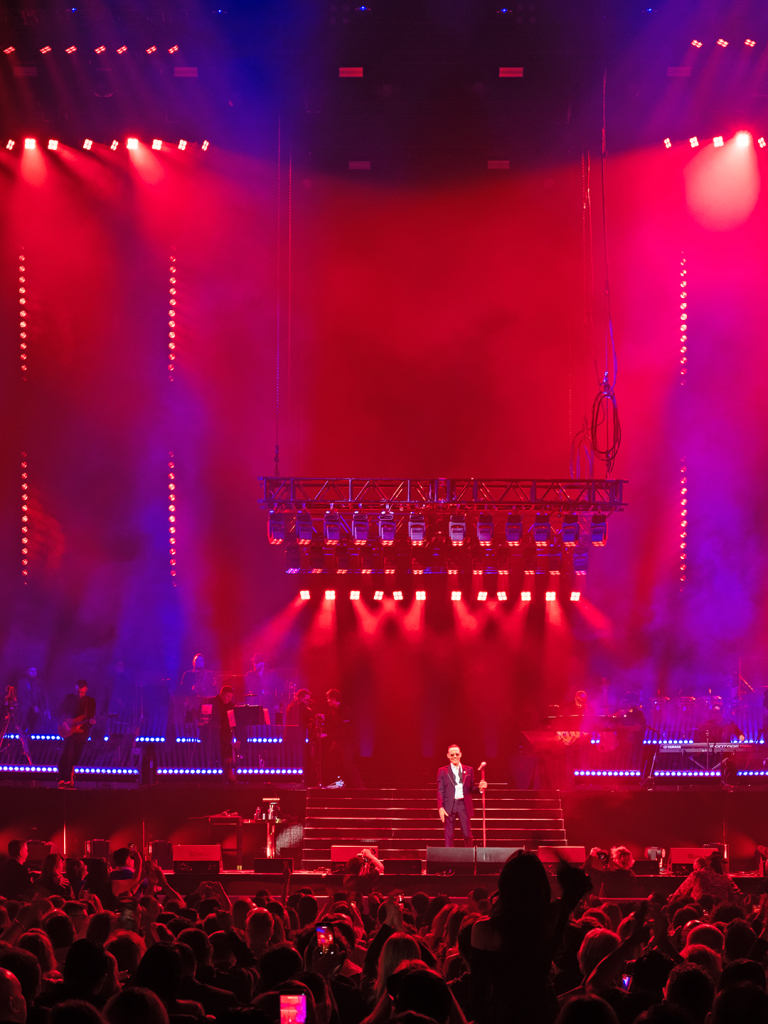
Perhaps best of all, he emphasized an aspect of every job that is sometimes overlooked – fun! Rosenberg has followed this happy philosophy throughout an incredible career that has seen him work in various capacities for the likes of Mt. Joy, Def Leppard, Janet Jackson, REM, Marc Anthony, Il Divo, and Karol G, to name a few. His lessons are worth following at FOH and beyond.
1. Define Your Role — I have one major creed whenever I start a design: I’m lighting a show, not doing a lighting show. I’m comfortable in my role as a designer, not an artist. There is a lot of artistic talent in the job, of course, but we also have a foot in the empirical side of the equation. We light for an artist and for the audience; we are a bridge between the stage and the seats, and it’s important to remember that. If one forgets that our job is to transmit the emotion that originates from the talent onstage and myopically focuses on the show elements, we’ve lost our way.
2. Always Be Learning –Learn about anything and everything. Sure, you can learn new techniques and magic button combinations, but I have found the best thing is to learn about “other things”. What does the guitar player do on their time at home? How does the video crew calibrate the screens? What kind of dog is that? It’s incredible the connections you get to make the more you learn about all kinds of things. We also live a strange life of long nights in dark rooms breathing rarified air. It’s good to chat to people so we can all have more empathy and compassion for our show friends.
3. Sometimes It’s Just A Feeling. — I know a few of my programmers will tell you of my changing one blue to another that’s “just different”, or moving a cue a couple of frames that may seem imperceptible. A lot of that has to do with my first point in this column. I guess people trust that I have a feel for this, and sometimes it just feels right. Trust your gut and be comfortable with feeling the feels. If music can move you, then it can move the audience, and if that change to a cue makes it resonate more, then it will resonate with the audience as well.
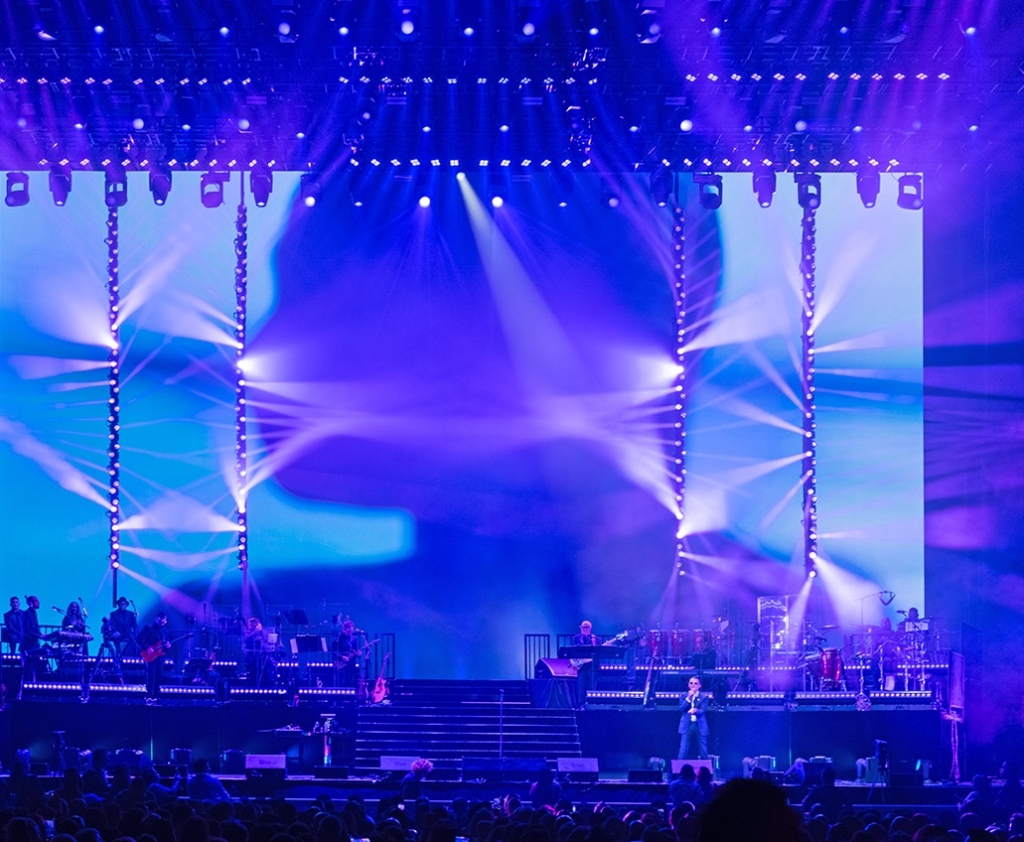
4. Mistakes Are Part Of The Process. — With the years, the delta between big mistakes and big successes becomes larger, thankfully… that is if you learn from the mistakes! But it never disappears. And hey, it’s okay to put up your hand and say “that’s on me” and go fix it. Or apologize to the crew because you have to move a fixture again. It happens, you learn the lesson and move on. With that — if you are humble and admit to a mistake and it’s not well received… well, it says more about them than about you. Which also means you should accept others’ mistakes with the same grace as you hope they accept yours.
5. Have Fun. – Yes, it’s business, and there’s money and responsibilities, egos, schedules, deadlines, challenges…and we get to design shows for a living. We get to take a ton of little robots and with a few key decisions create amazement. If you do this long enough you’ll get to meet someone who has saved up for a show, or who’s always wanted to see this band. I’ve been honored enough to ask for tickets for a grandmother with terminal cancer that wanted to see a band I was designing for. We do beautiful things. Have fun doing it. Treat your crew right, laugh with the runner. Buy beers for the guys. Take people to dinner. It’s serious work, and it also should be seriously fun.