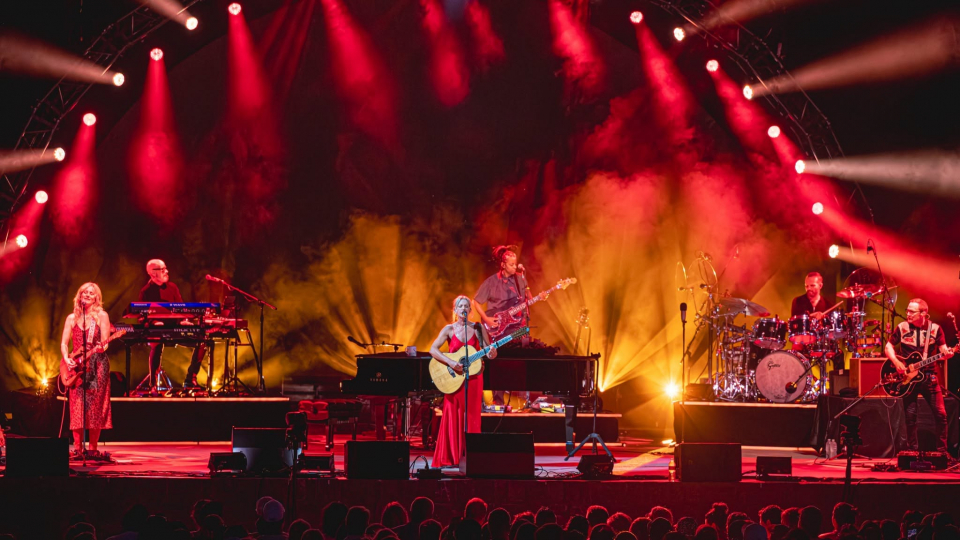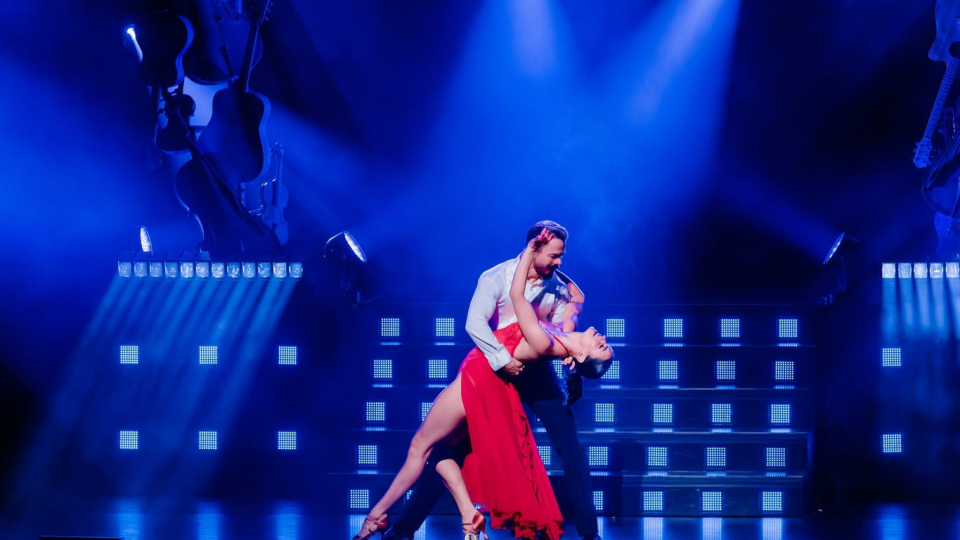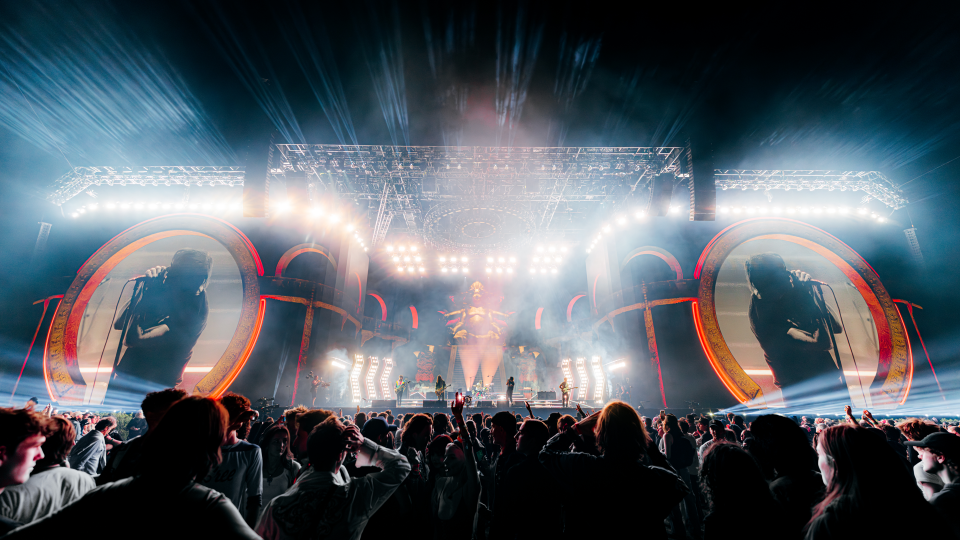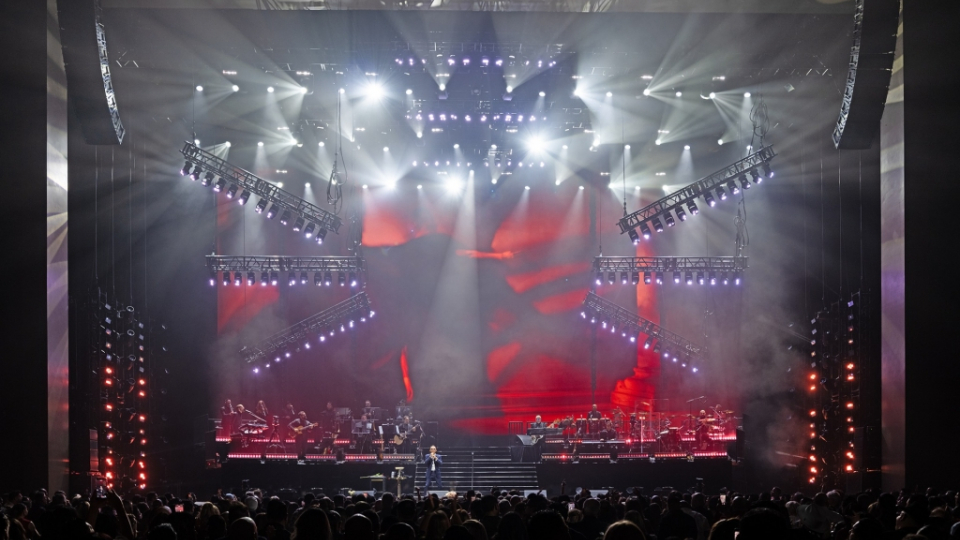
The cofounder and partner at the widely acclaimed global creative and production studio Raw Cereal says that lighting was his entry point into this industry and describes it as being the driving force “where it has led me today.”
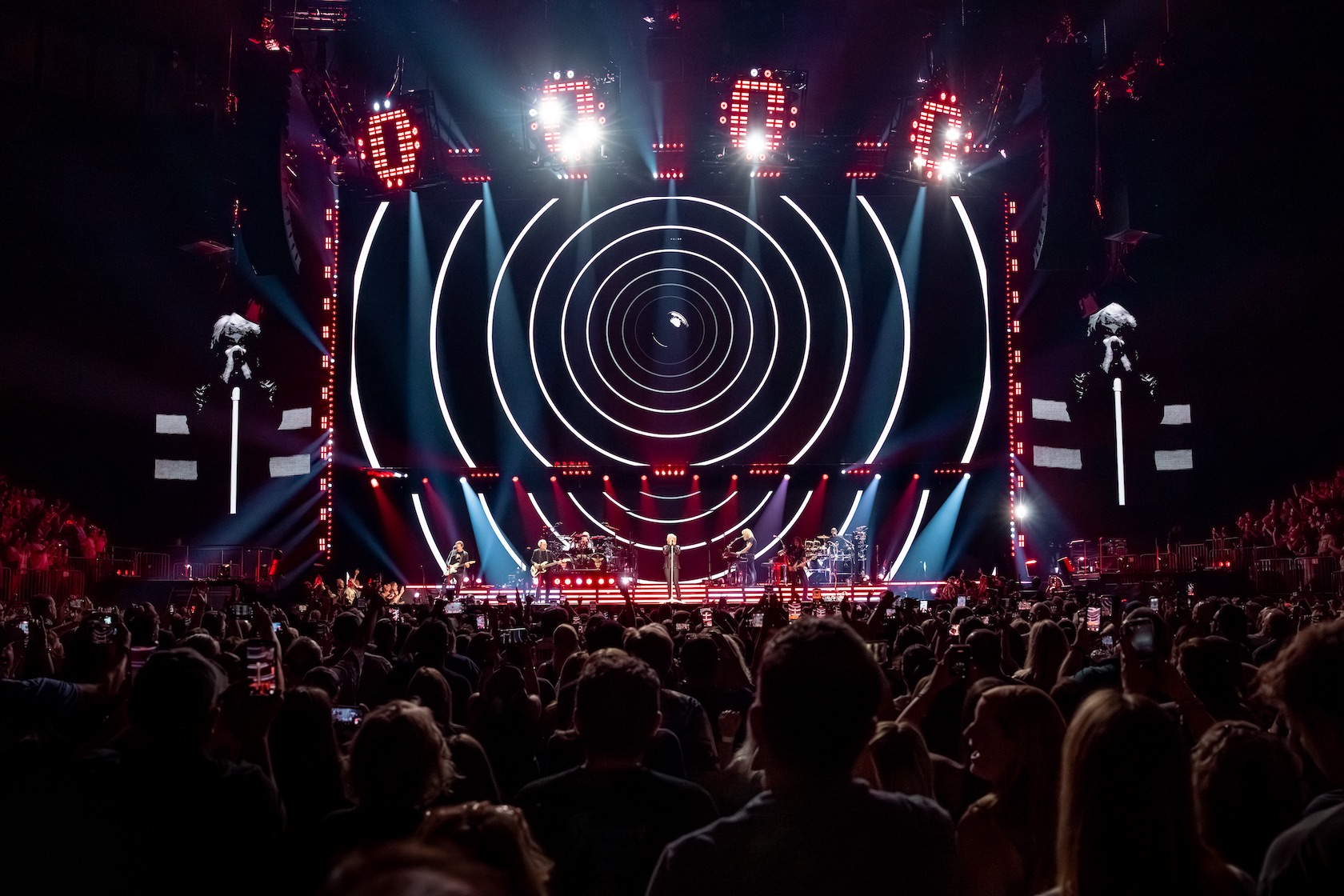
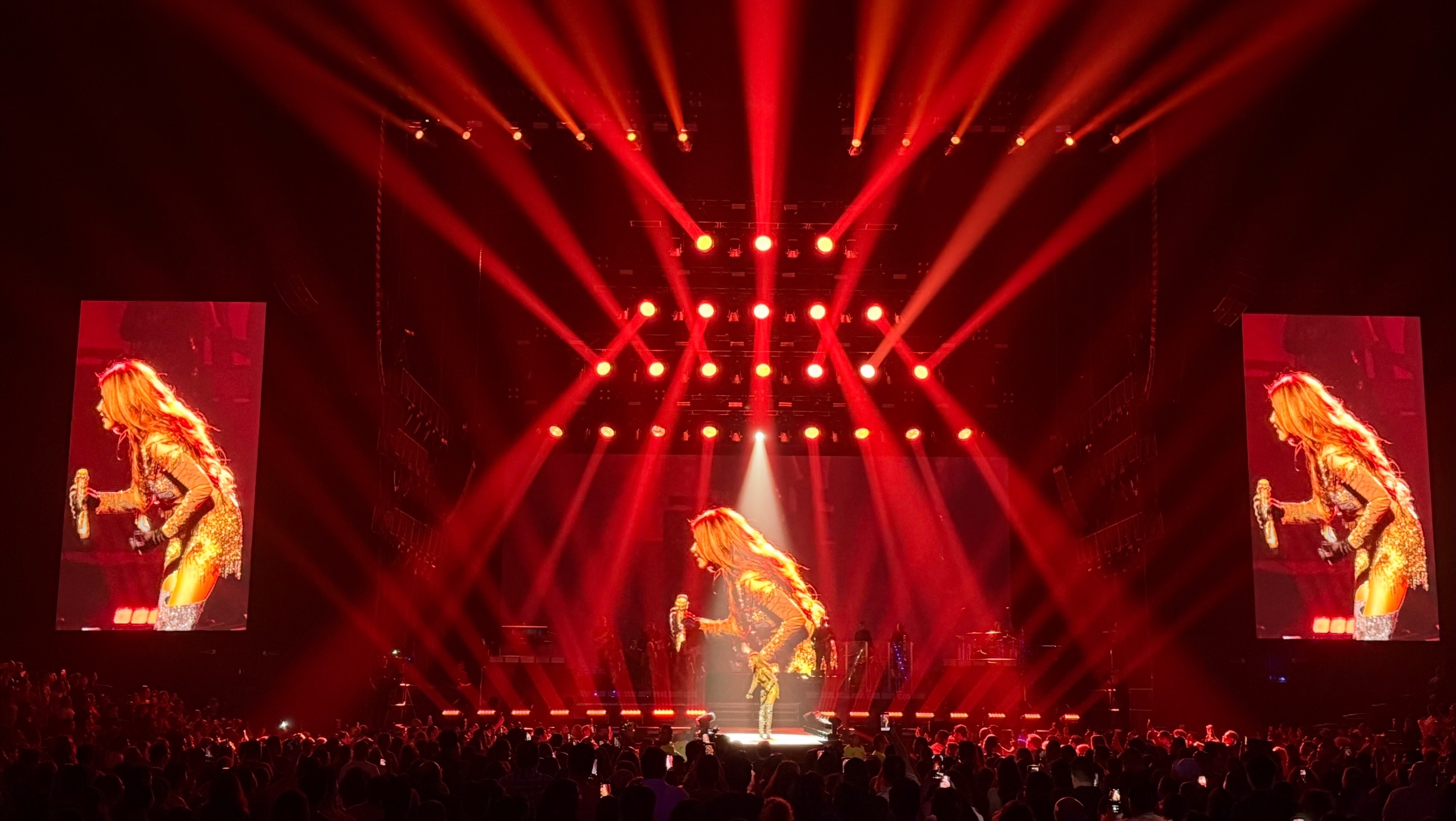
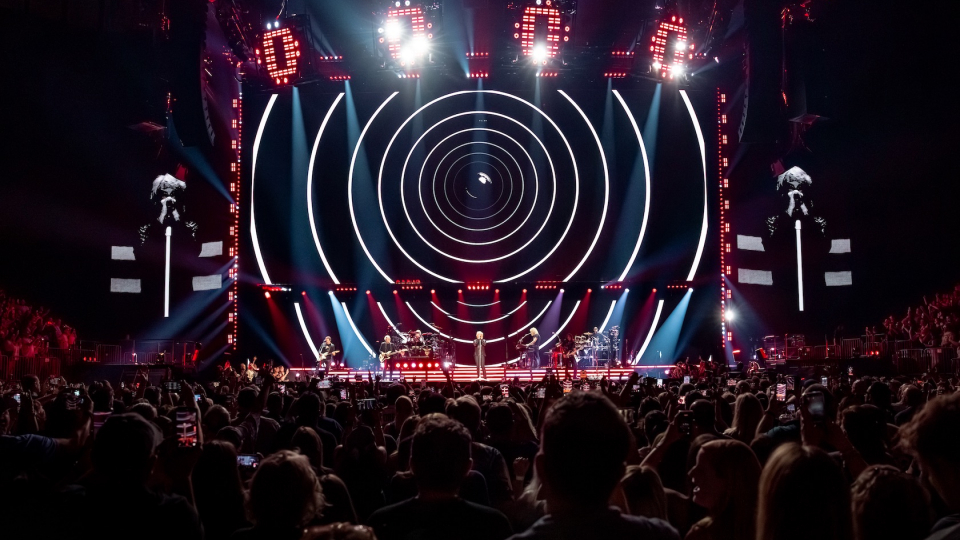
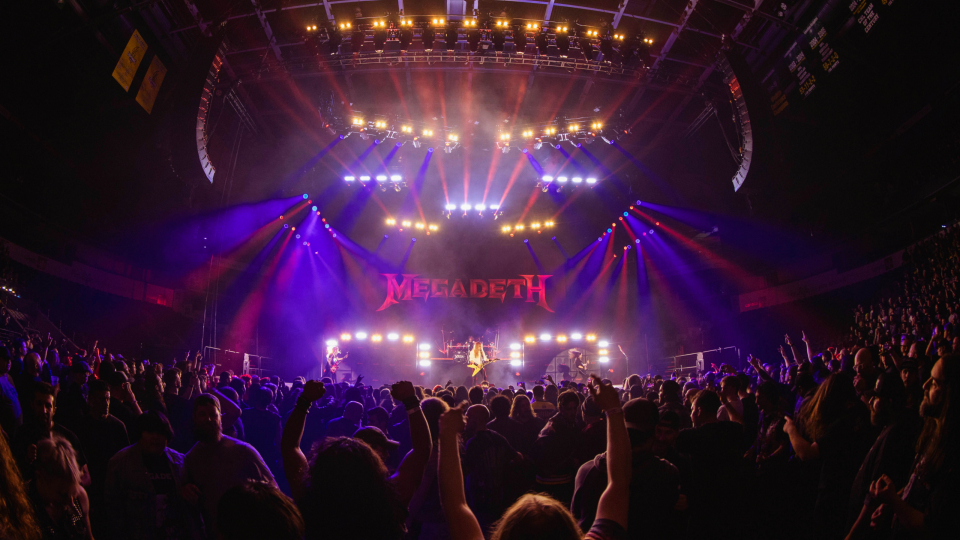
That place is extraordinarily impressive. Raw Cereal has collaborated on some of the most notable tour designs of the past decade, with artists like Lainey Wilson, Mary J. Blige, Megan Thee Stallion, Jennie, and Morgan Wallen.
Lawrence says that he didn’t come up through a traditional path.” He started as a render artist, “where lighting is used as a beauty tool, serving a real-world purpose… it is key light, effect, scenic and architectural, ambient and mood. It has a job to do.”
Early on, he designed to bring ideas to life through renderings. Acclaimed designer Paul Normandale encouraged him to get hands-on experience as a lighting tech on one of his shows. That led to a short run as a programmer and operator, and ultimately to design.
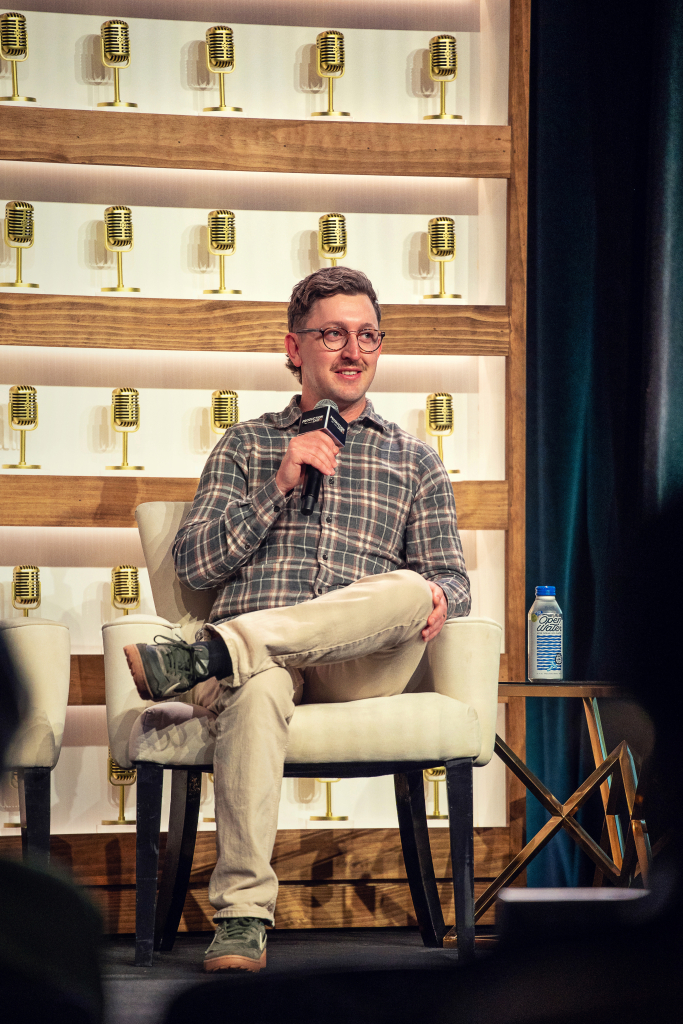
Although he says he was never the strongest programmer, Lawrence always had a keen sense of musicality and understanding of lighting’s power to enhance a moment. It was that sense that pushed him toward focusing on the bigger picture and working closely with programmers who could translate that vision into something real.
Later, he spent several years working with Scott Holthaus and the Red Hot Chili Peppers. His work showed Lawrence how far simplicity can go, using minimal, intentional ideas to create something powerful. Working alongside programmer Leif Dixon, those ideas came to life in a way that truly supported the music of one of history’s most iconic rock groups.
During his stellar career, Lawrence has often thought about a quote from John Lasseter:
“The art challenges the technology, and the technology inspires the art.” That relationship is, he believes, constant in live entertainment. “Creative demands push technology forward, and new tools open up new ways to create,” he says.
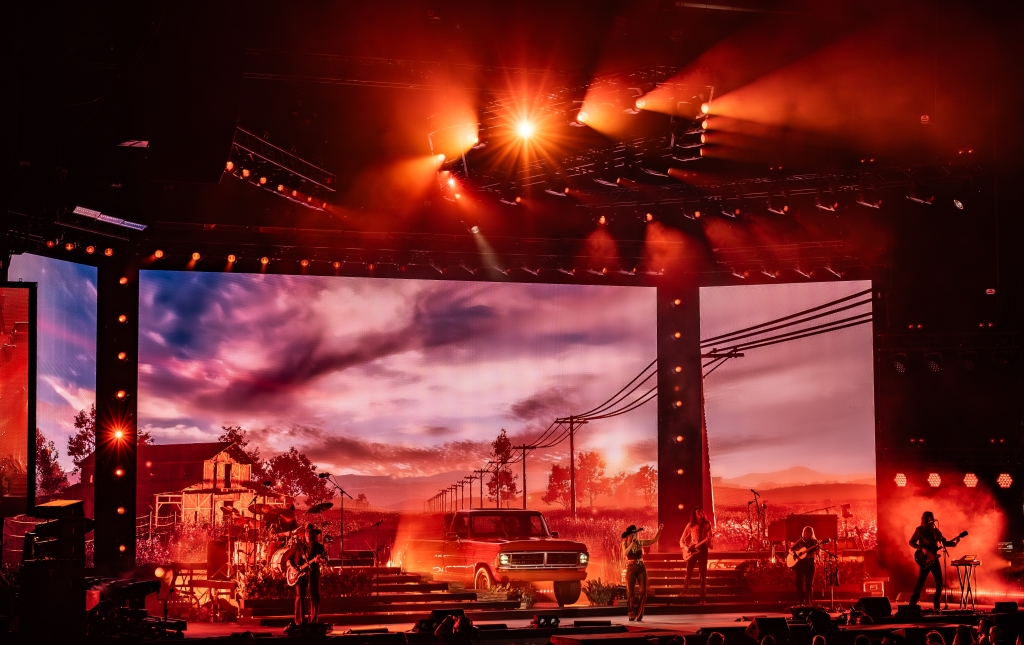
Here are the five lessons that this iconic creative keeps coming back to as he strives to blend technology and creativity:
1 The audience feels everything
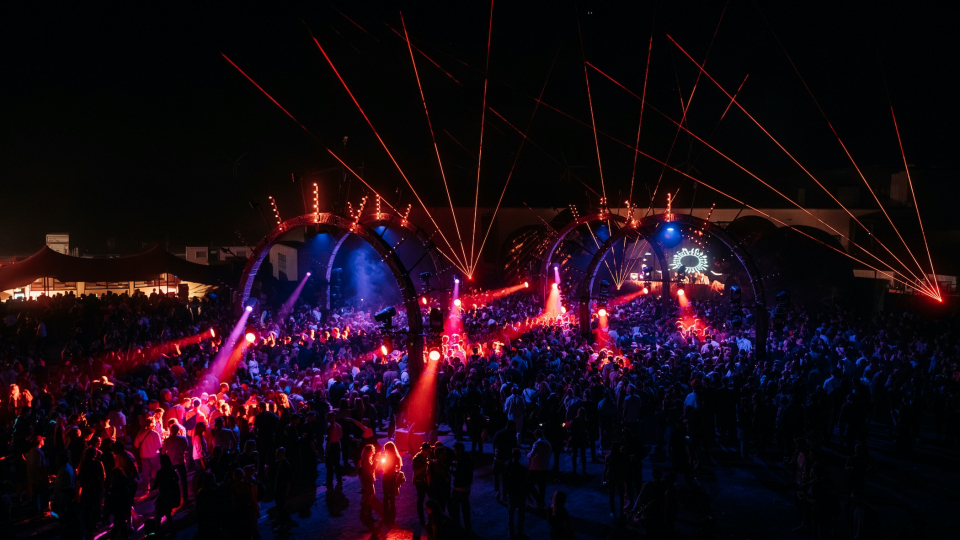
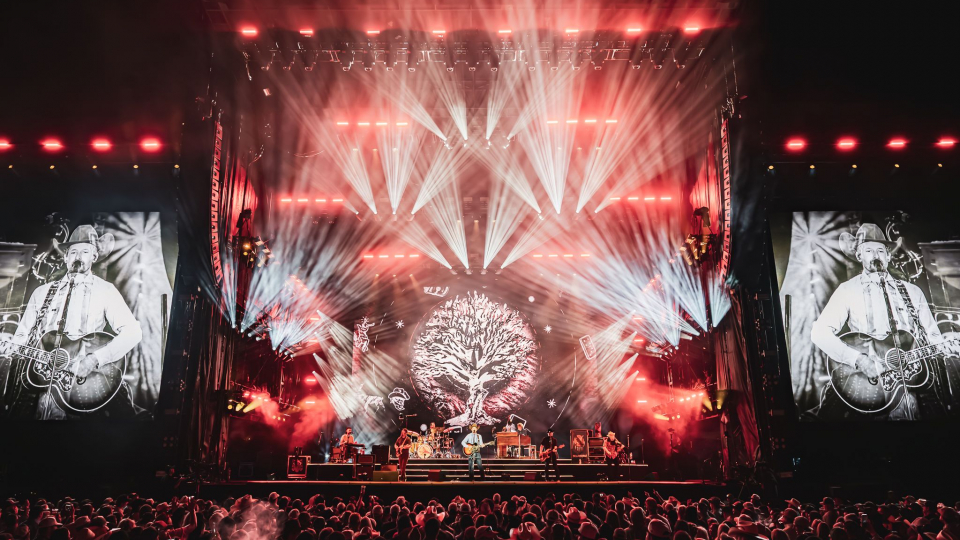
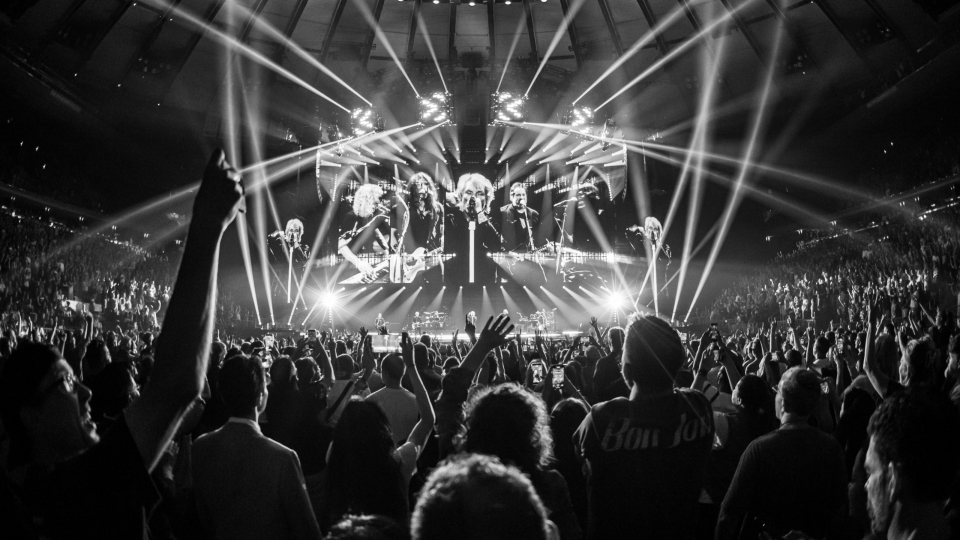
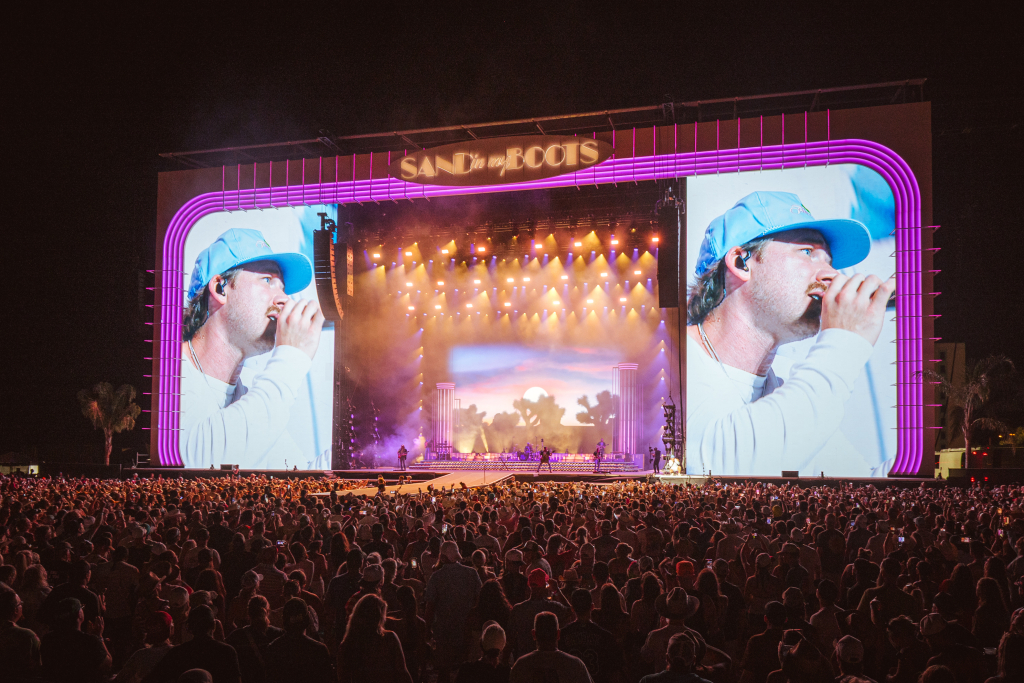
The audience won’t know the specifics, but they will feel when something is right and when it’s off. The goal isn’t to be noticed. It’s to create a feeling. The audience is also more aware than we give them credit for. The ones who see a lot of shows can tell the difference between something that works and something that’s truly great. That awareness is what pushes me to keep raising the bar. At a stadium scale, lighting becomes one of the main tools to bring intimacy back into a massive space. If the audience feels connected, it’s working.
2. Simplicity requires intent
I used to think more lights meant a better design. Bigger rigs, bigger budgets, bigger impact.
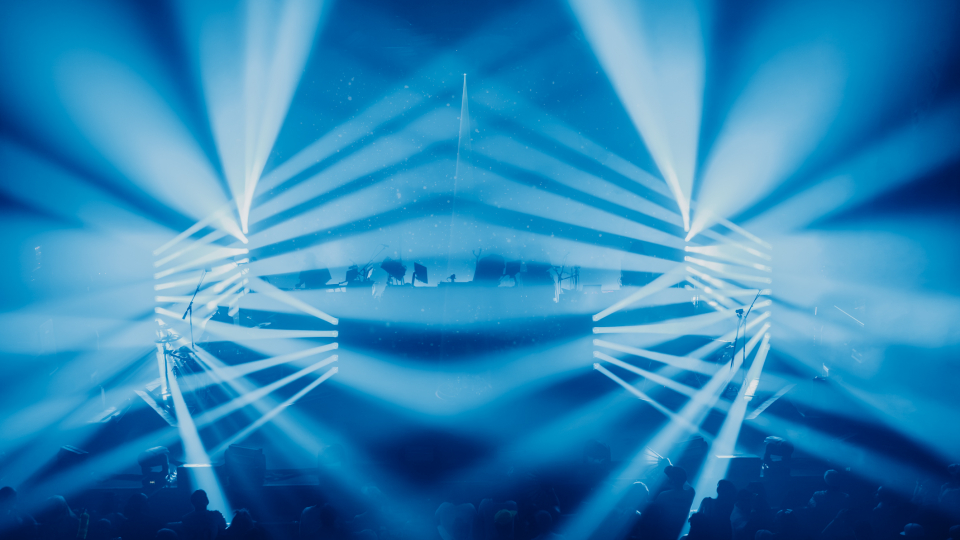
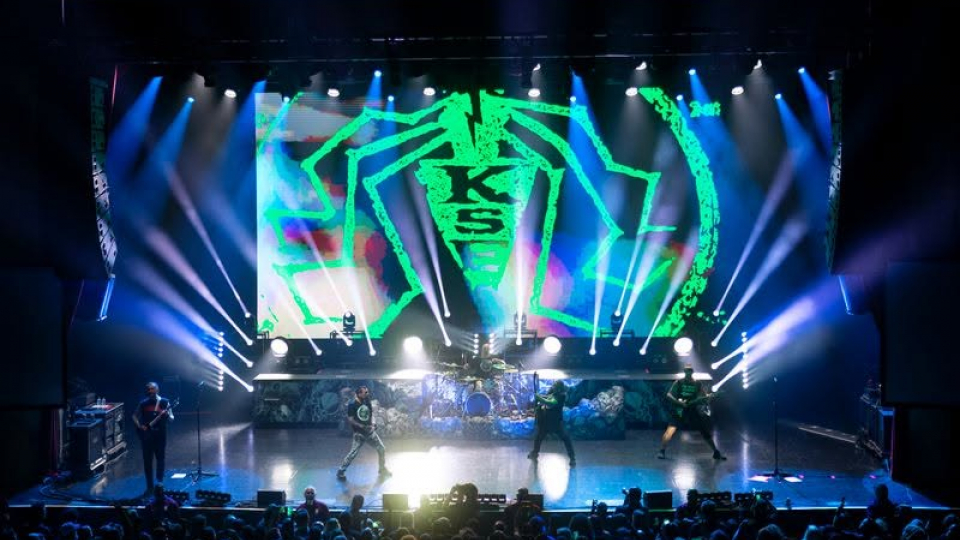
Now it’s about intentionality. A single clear idea will always beat multiple competing ones. Simplicity only works when every choice has intent behind it. I tend to either group fixtures tightly or spread them out completely. There’s rarely an in-between. It creates a clearer visual language and keeps the design from feeling indecisive. You have to care about it. Put thought into it. Put love into it.
3. Constraints are part of the process
The plan almost always changes. Budgets shift, timelines compress, creative evolves. During the design phase, that means adapting and finding something stronger within those limits.
On the road, it’s different. Technology is finicky, and the environment is demanding. The show keeps moving, and you trust the team to adapt, compromise, and solve in real time.
Sometimes that means reworking a rig on the fly. I’ve had shows built around haze, only to find out in rehearsals the artist didn’t want any. That changes everything. Now it’s a standard question early on. Resilience becomes part of the design.
4. Lighting is part of a system
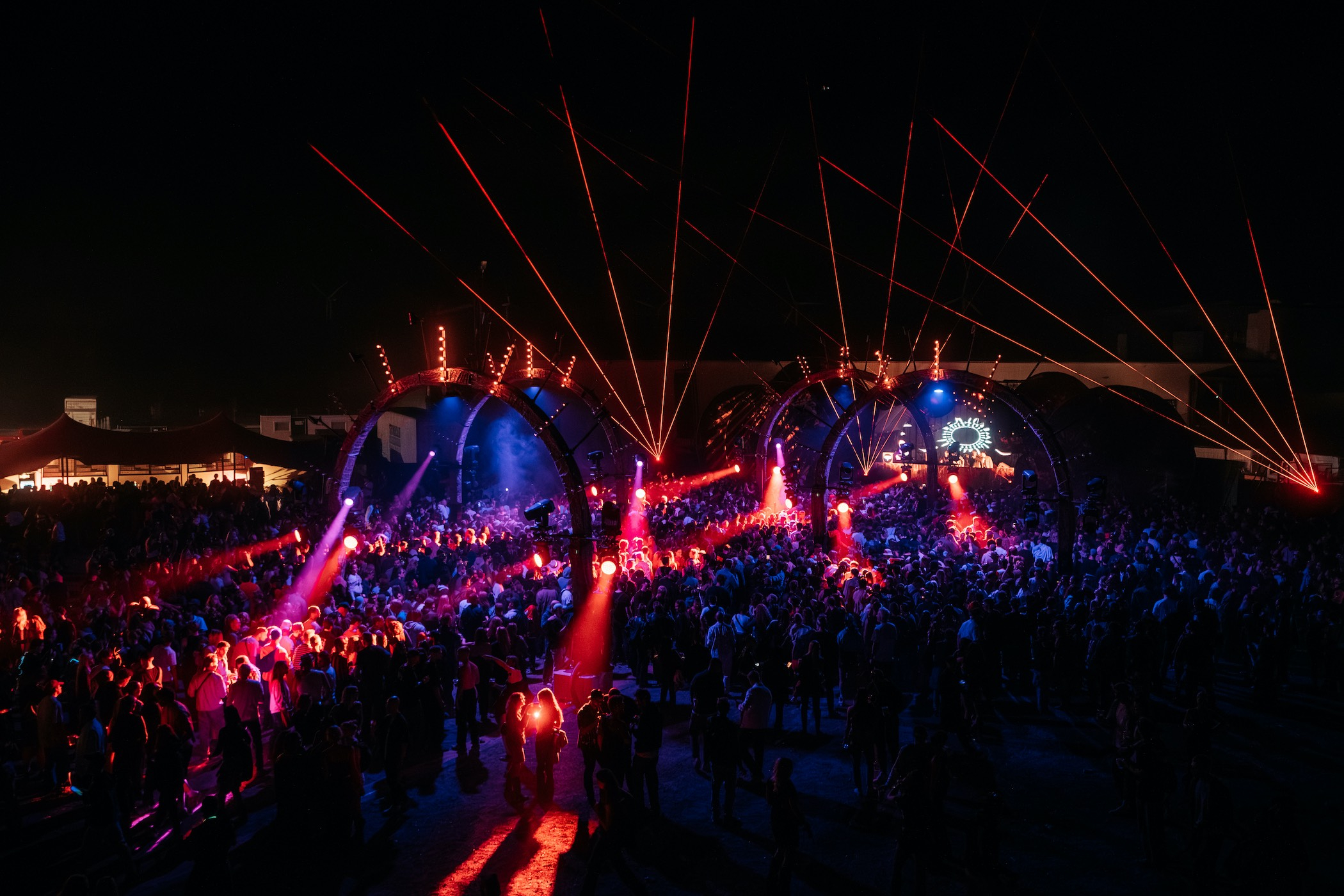
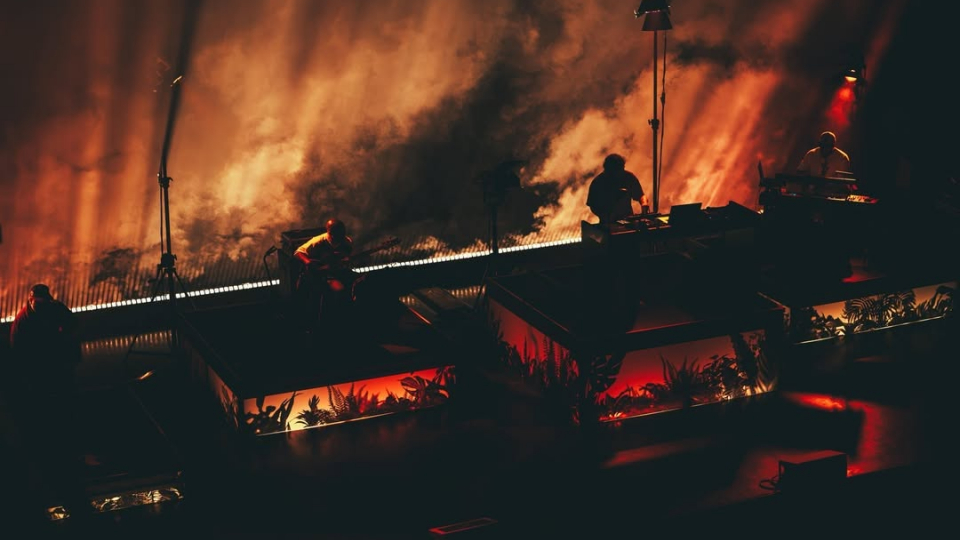
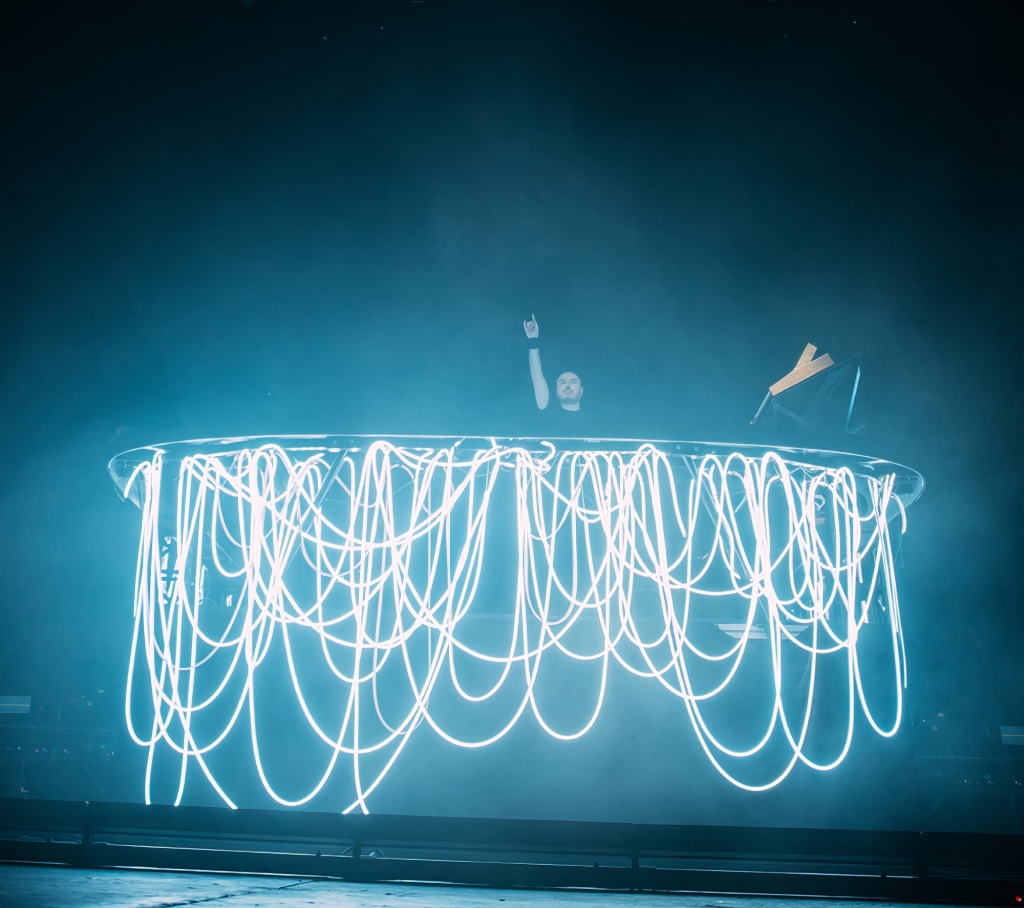
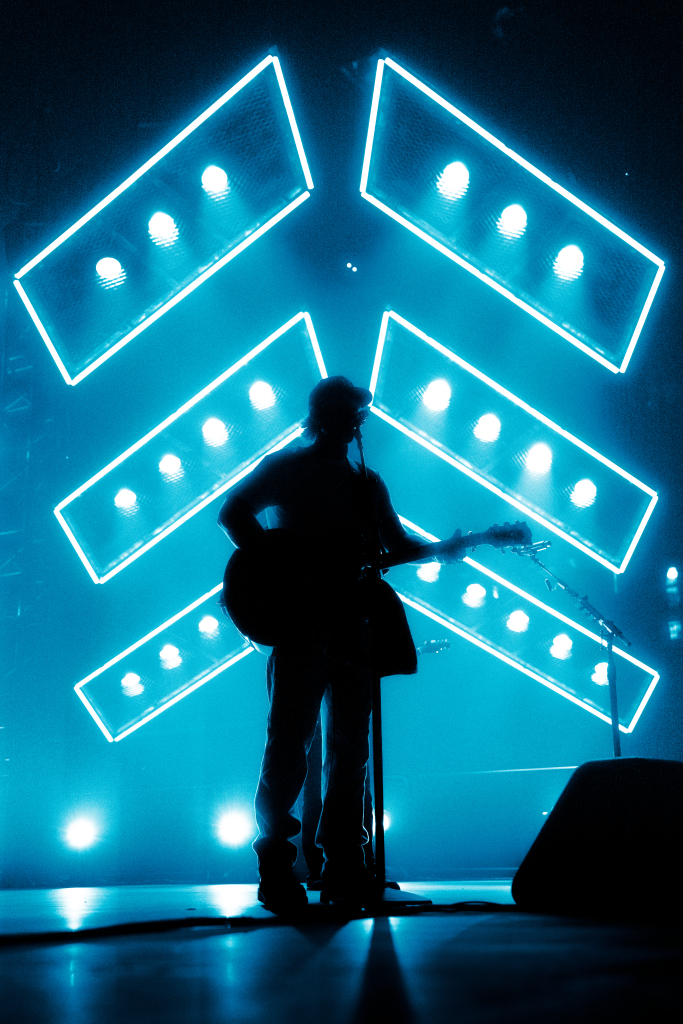
The stage is an architectural piece, and lighting exists to enhance it and support the performance. I take a lot of inspiration from architecture, especially how buildings are lit and revealed. There’s something powerful about how light defines structure. I’ve always been drawn to the idea of isolating that even further, where the architecture exists in contrast to complete darkness around it. When I walk into a space, I’m looking at everything at once. Sightlines, scale, rigging positions, and the overall feeling of the room.
Lighting only works when it’s aligned with video, scenic, performance, and timing. It has to feel like one idea. I focus on translating the vision and working closely with trusted programmers like Austin Schneider, Tyler Santangelo, and Erin Anderson to bring it to life.
When it works, it feels cohesive. Everything flows, everything is balanced, and nothing feels forced. Synchronicity is a powerful thing, even when it happens unexpectedly.
5. Details matter more than you think
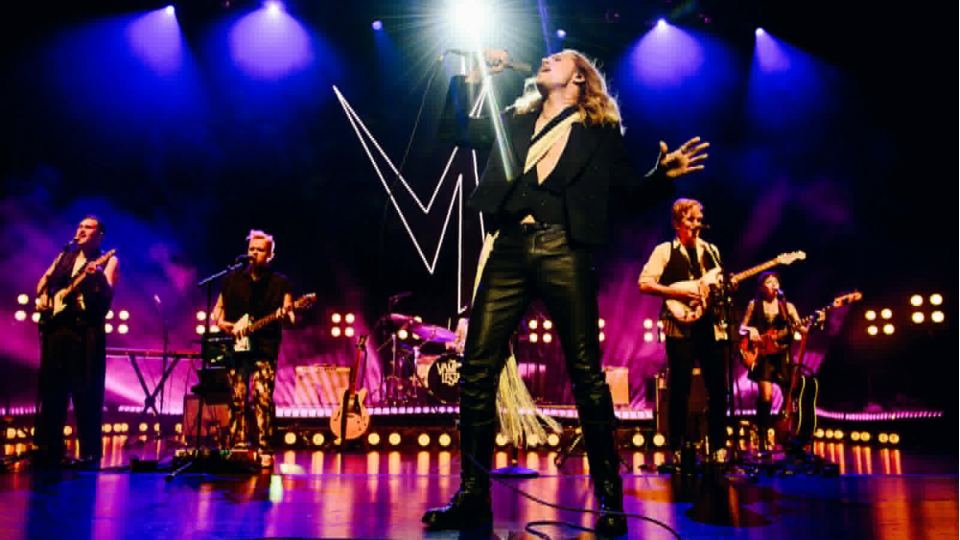
Lighting is personal. Key light alone can vary wildly depending on the artist. Intensity, color, angle, all of it. I’ve even had an artist ask for lighting that helped define their six-pack more clearly on stage. Those details might seem small, but they’re not. They’re part of how the artist feels, and that translates directly to the performance. Lighting is a tricky game, but that’s part of what makes it interesting.
An added insight: Lighting is one piece of a larger experience, but it plays a big role in how people connect to a moment. At its best, it helps create something that feels natural, cohesive, and memorable. That’s always the goal.