Fireworks are to the night sky what paint is to a blank canvas, someone once said. Beautiful things, fireworks… but not very flexible. Their color, height and brightness are pretty much set in stone. So, anyone seeking to match them with light must have a deft, adaptable touch.
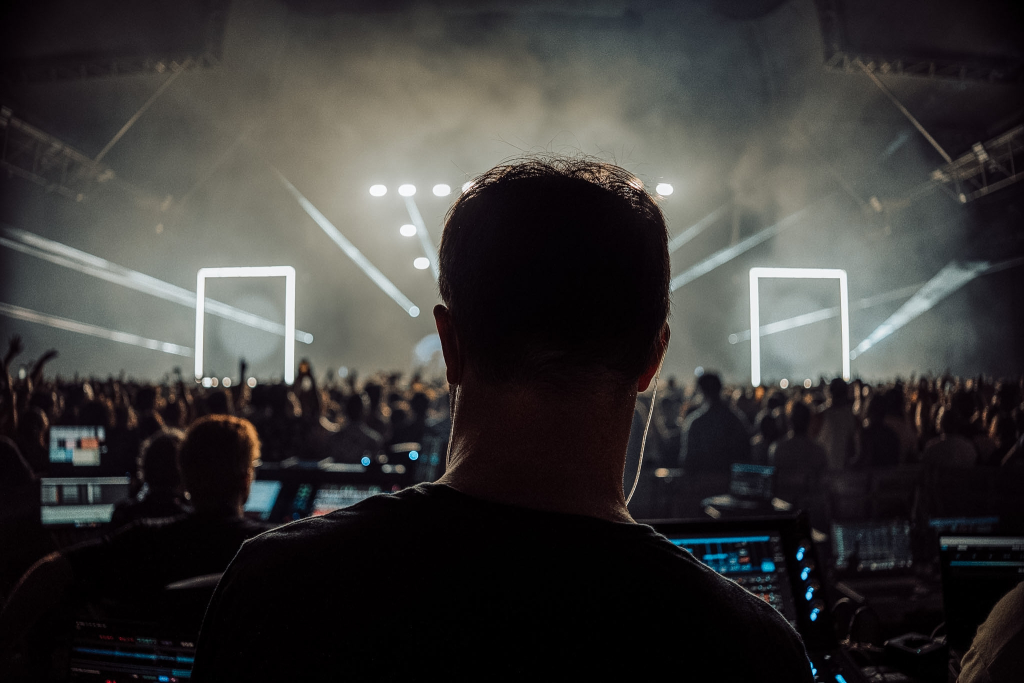
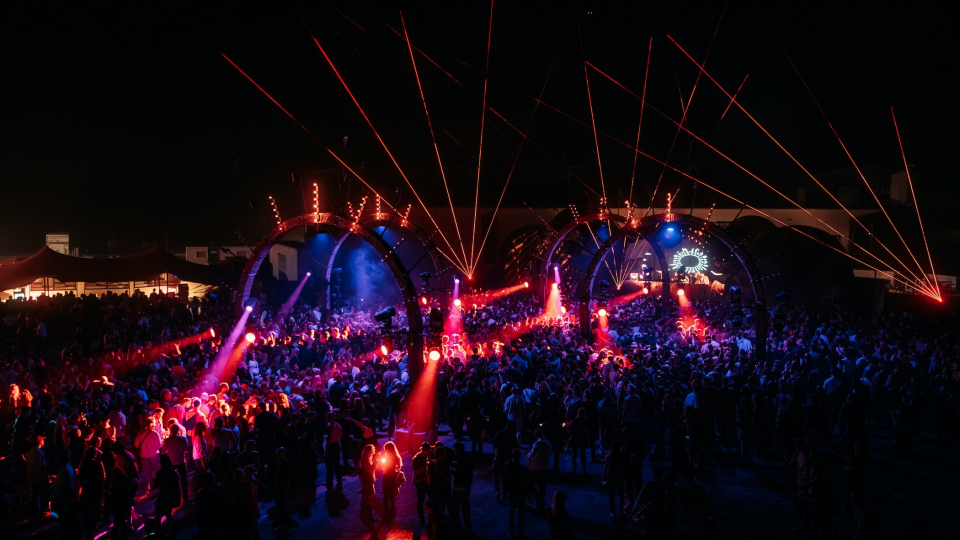
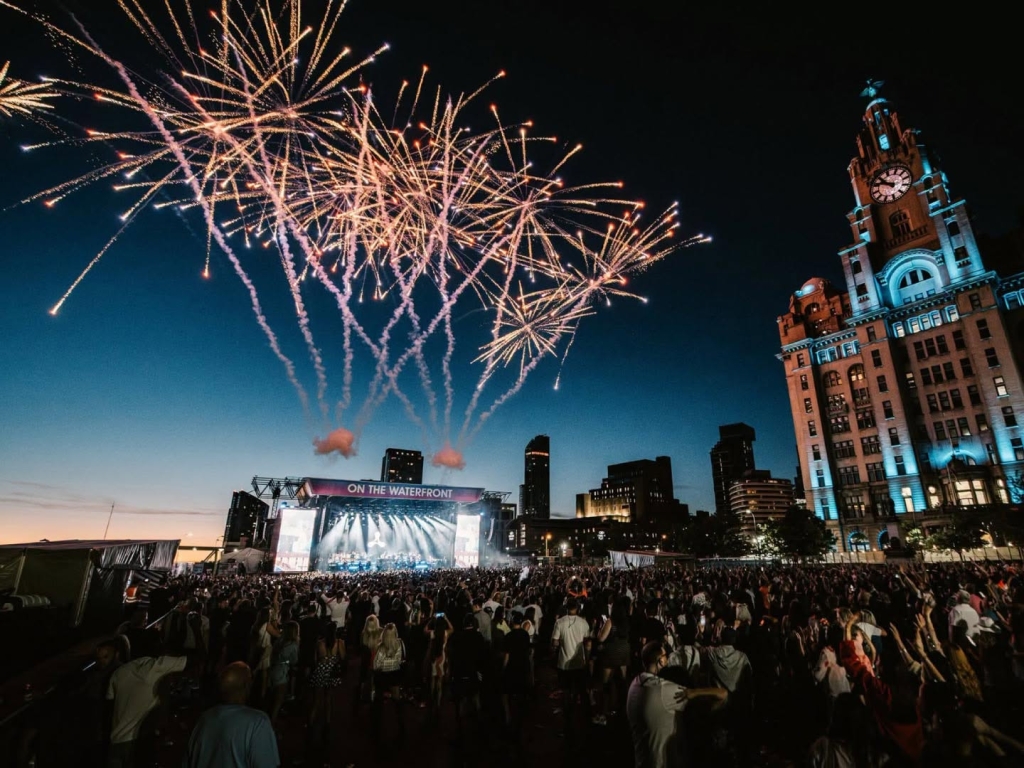
That’s one reason why this gifted UK designer from Stoke-on-Trent has become widely known as a master of coordinating lighting with pyrotechnic displays at productions like Alton Towers’ annual end-of-season fireworks event, and the sky-sparkling On The Waterfront festival in Liverpool.
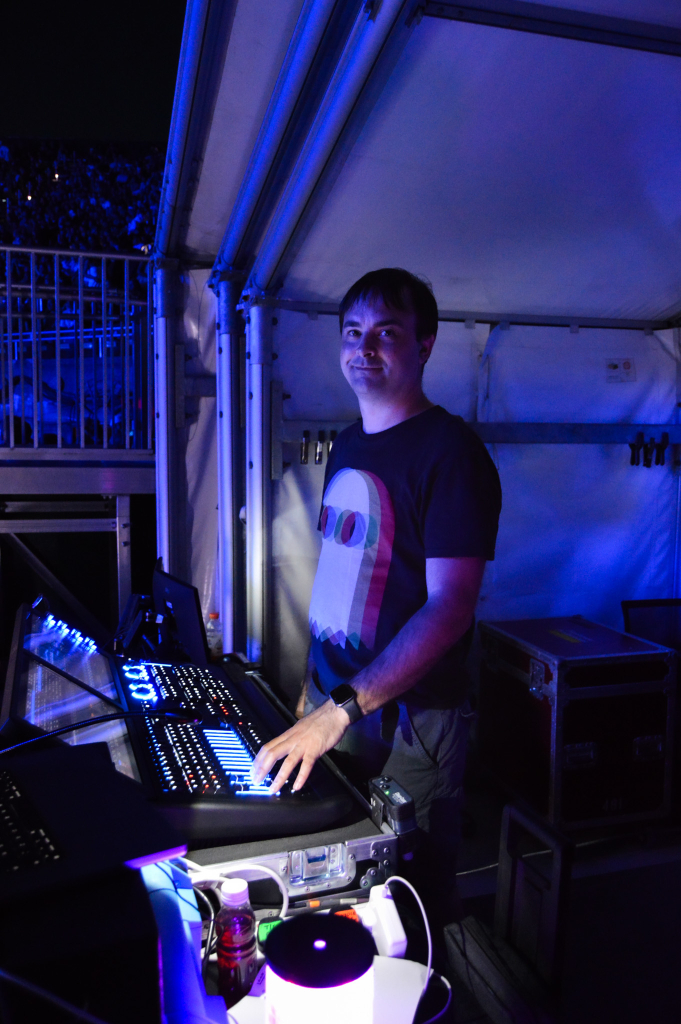
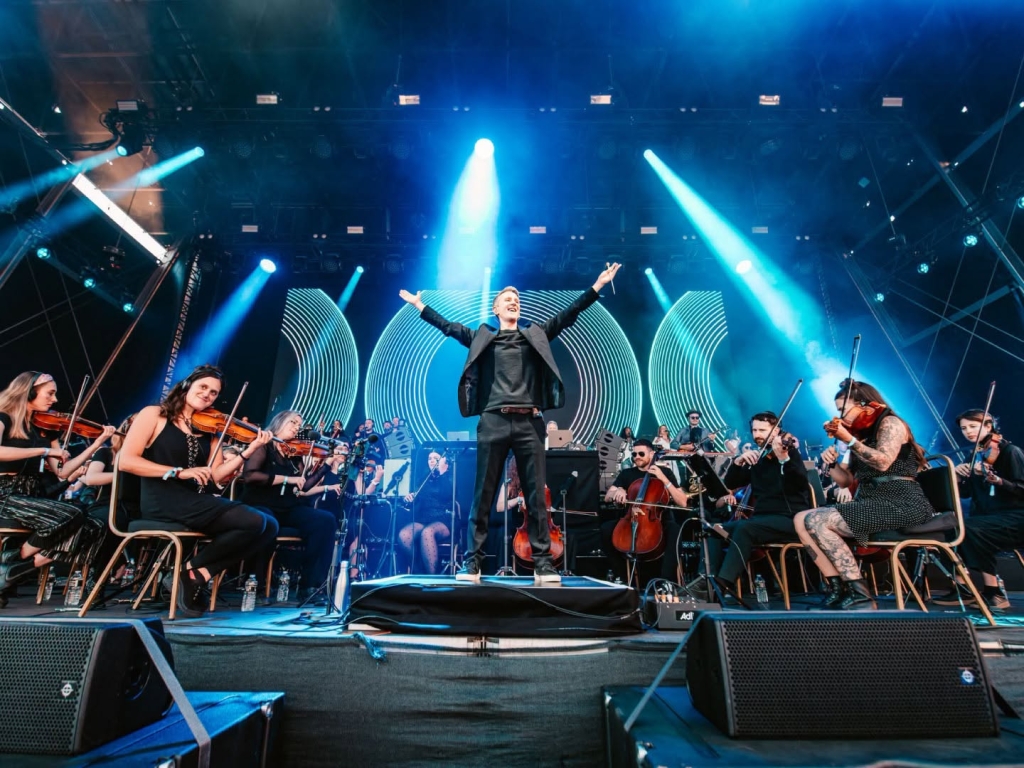
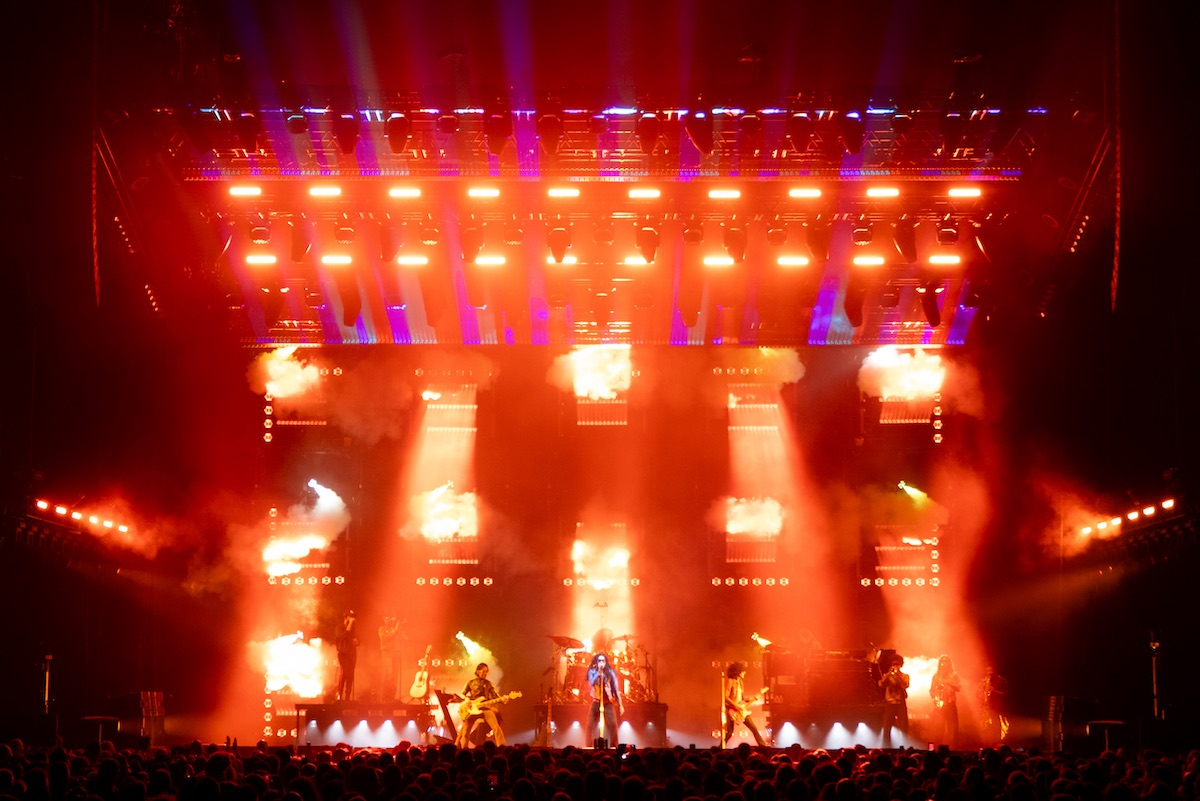
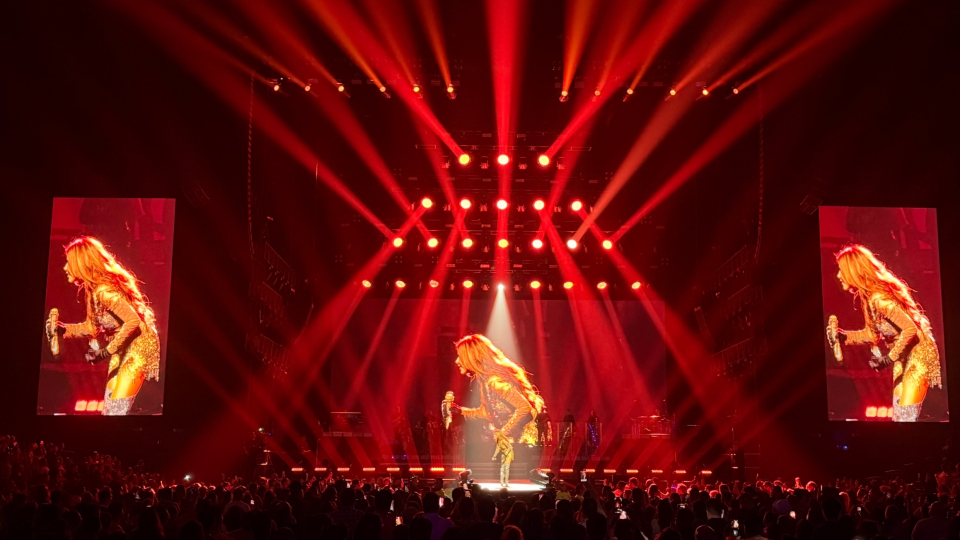
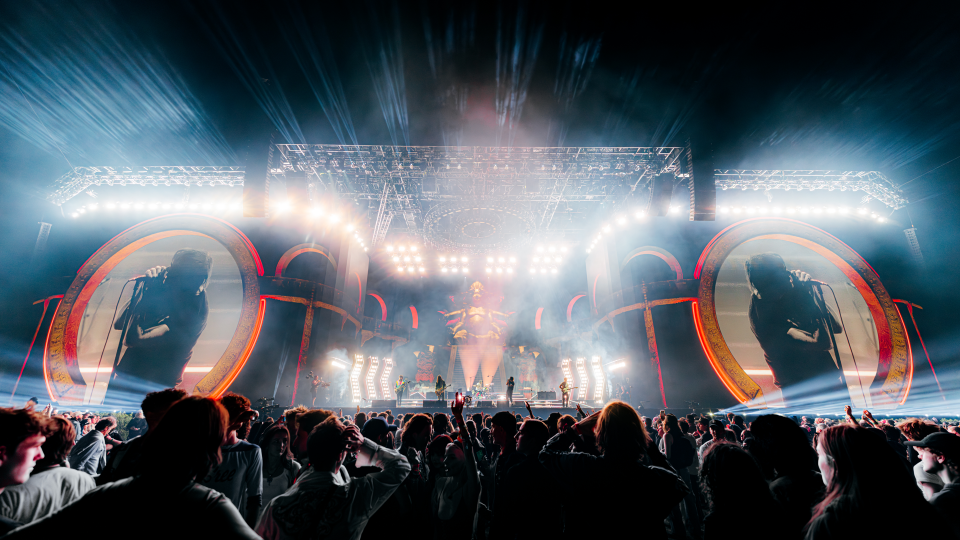
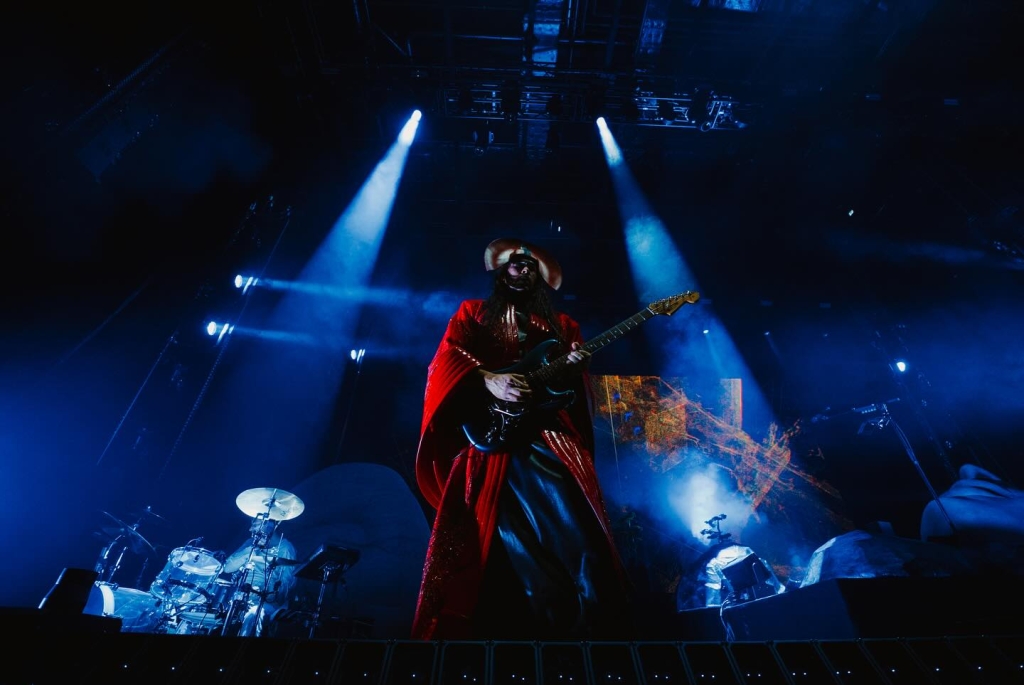
Oliver (“Olly”) Suckling’s gift for molding lighting designs to their surroundings extends far beyond the world of Roman Candles. As the lighting designer for the grandly theatrical Empire of the Sun tours, his lighting fits seamlessly into complex stage productions, accenting every performer and scenic element to perfection at some moments, while also discreetly obscuring them in shadows and darkness at others.
A graduate of the Liverpool Institute for the Performing Arts, Suckling enjoys tackling involved non-touring projects, be they in broadcast, theatre or events, because each one presents a different challenge. At the same time, he also likes lighting up-and-coming indie bands, since this compels him to find new ways to adapt and meet the moment with smaller rigs.
Taking time from his busy schedule, Suckling shared his insights with us on the incredible power of adaptable light.
You’ve done quite a few very elaborate projects in recent years. What are the first things you look at when beginning the design process?
“It’s important to understand what you’re working with and to understand the role of lighting in the project. Is it there to support another department, such as fireworks, where it’s used as a scene extension? Is it at a large structure like an old oil rig, where it’s more about architectural lighting? Is it a light trail you are working with? In that case, are the surroundings or the lights themselves the main attraction? So, the first thing I look at is how my lighting is going to fit into the bigger picture.”
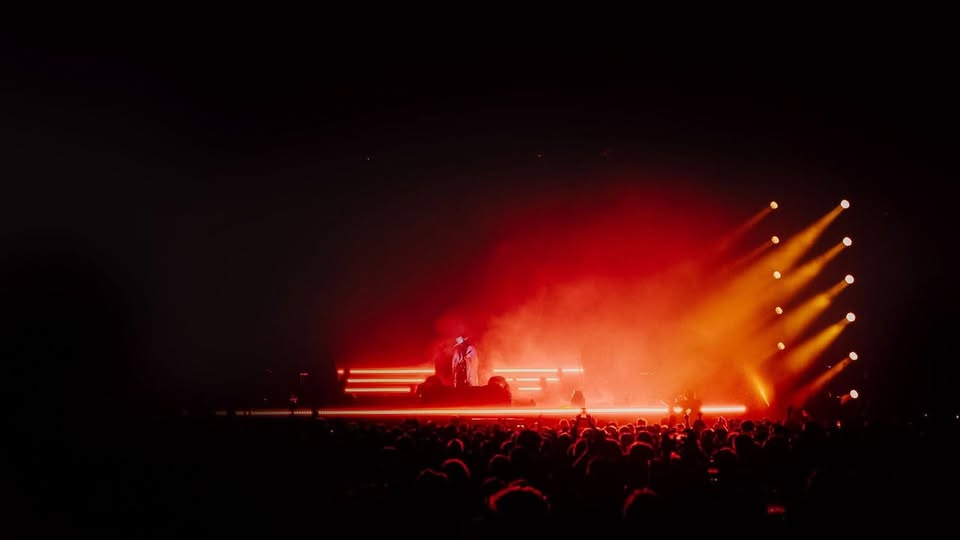
Dark space plays a big role in your Empire of the Sun designs. How do you view the role of darkness in your lighting designs?
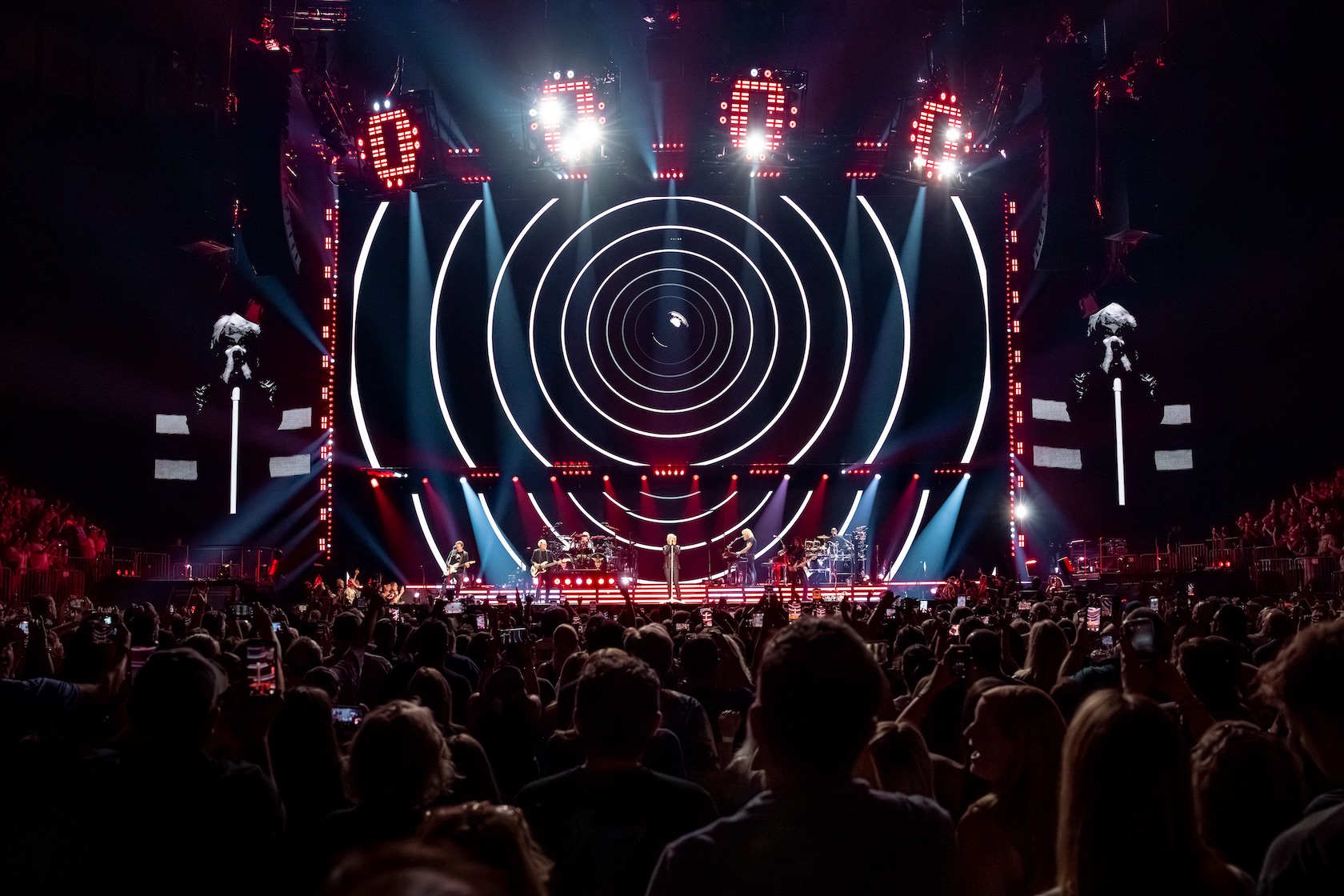
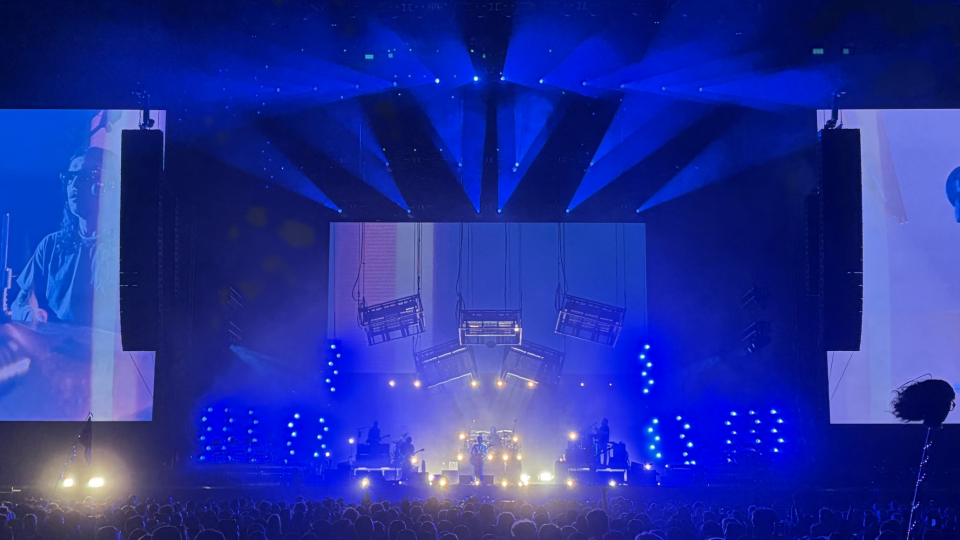
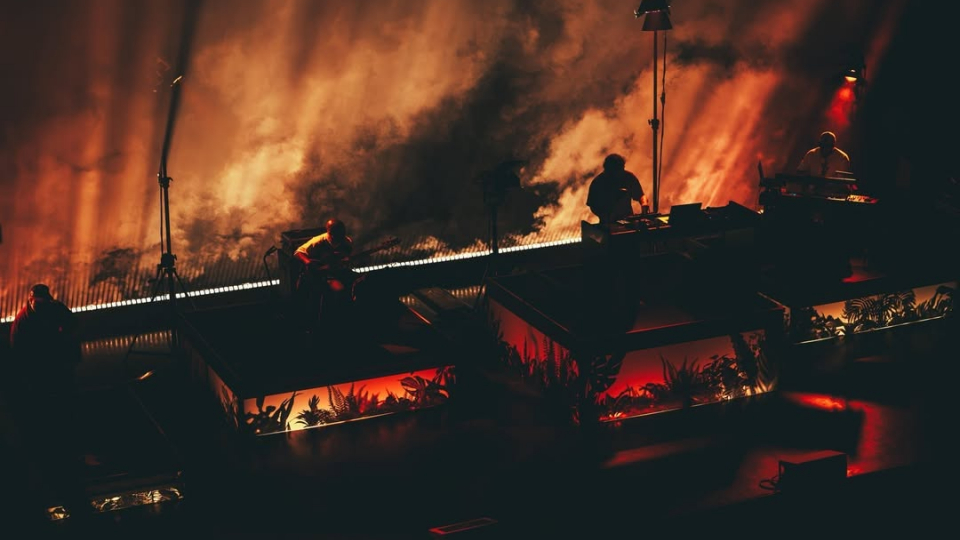
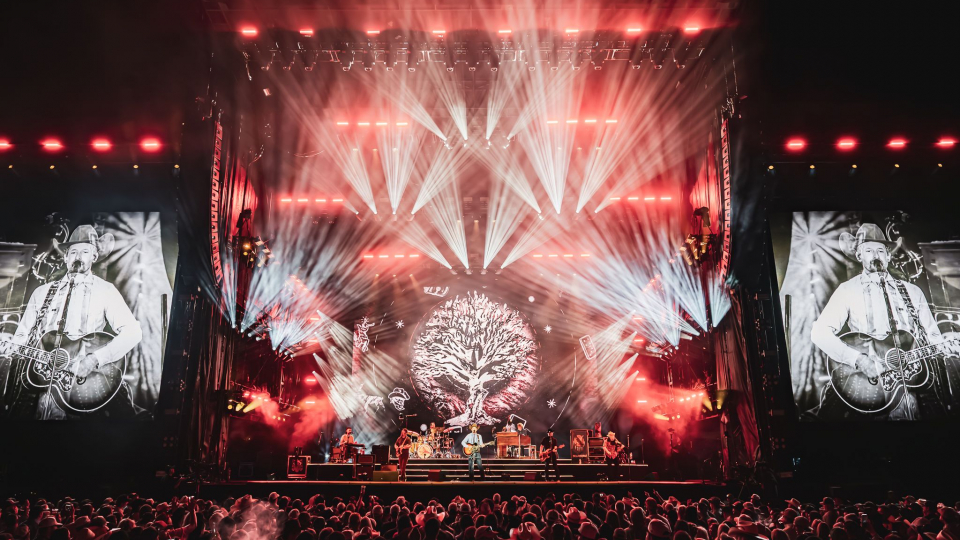
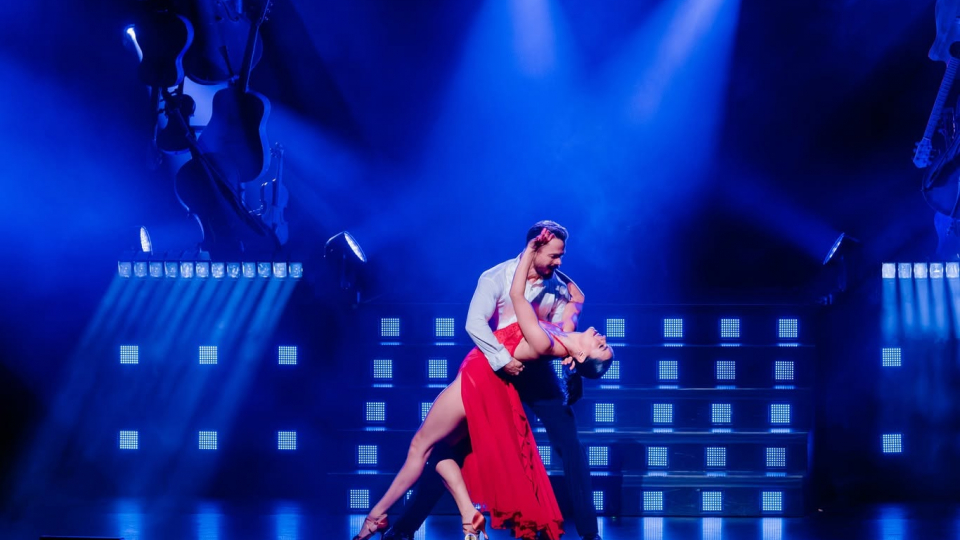
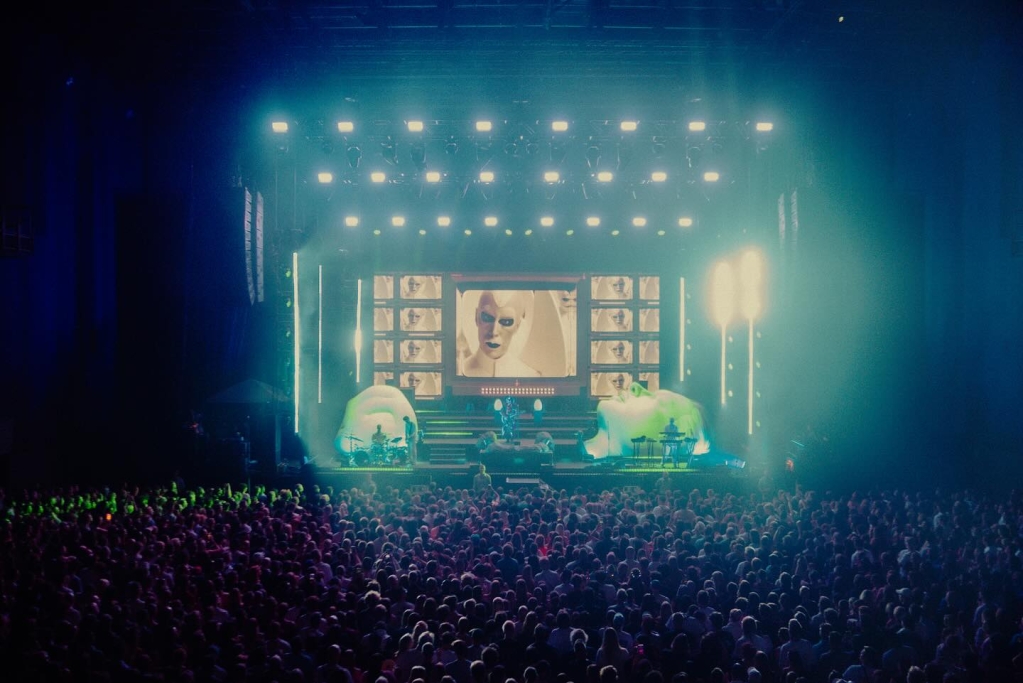
“Darkness is a powerful tool. It allows bright moments to have more impact. We use it heavily in the show to hide what we don’t want the audience to see. Be that costume changes, guitar changes, or dancers moving into position. It also allows us to control the focus point. In a segue between songs, we can draw the audience’s focus to the screen for a bit of storytelling, and then pull focus into the Empire world by lighting the set as we move from visuals only back to the stage.”
Another thing that has impressed us about Empire of the Sun is how very powerful theatrical elements are balanced with the style and pace of the music. How is this kind of balance achieved, so the dramatic looks don’t overshadow the music?
“All departments take the lead from our creative director, Sean Kusanagi. He plans out which elements are important in each song, ranging from choreography to lighting, visual elements and SFX. It’s always a balancing act of playing what is important in each particular moment of the show. The show has been described as being closer to a theatrical show than a rock and roll show.”
After lighting many stunning Alton Fireworks events, you collaborated closely with the GLX Productions team on last year’s show. What is it that makes this, or any other collaboration, successful?
“I really like working with companies where you have a strong working relationship with the project managers. You need them to support and help push forward your ideas, but just as importantly, you need a supplier who is willing to push back when they think there is a better way of doing something. I’ve worked with too many companies in the past that are willing to say yes to everything and deal with the consequences later. I’d much rather have an open conversation, challenge each other’s ideas, and find the best solution. Having mutual respect for roles and expertise is key.”
That Alton Fireworks show was designed around an AI theme last year. What role do you see AI playing in the future of production design?
“I think we are at a really interesting time with AI in respect of production design. It can be really useful to iterate design concepts quickly so you can show them to a client to work out an agreed direction or concept. On the flip side, I believe after the initial concept stage, design should be carried out in the traditional style of CAD. AI can currently only get you so far with a concept.”
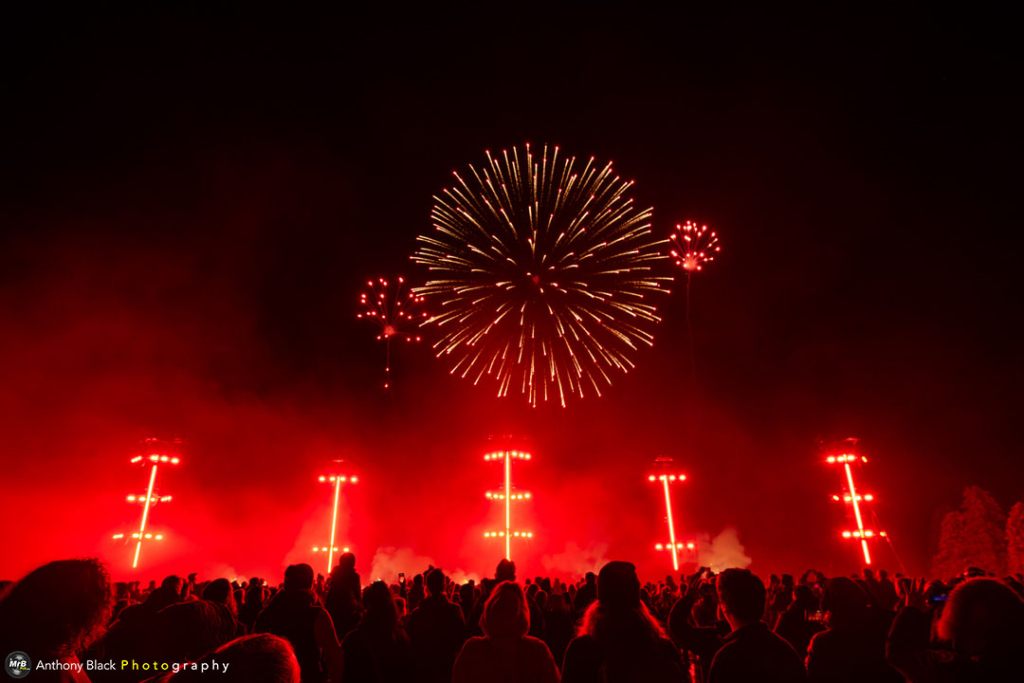
In addition to Alton fireworks, you’ve done quite a few other projects where fireworks were involved, such as On The Waterfront Liverpool. How do you harmonize lighting and fireworks so they enhance each other without one overpowering the other?
“The most important thing is understanding what the fireworks are doing at any particular moment. Once a product is chosen, the colour of the fireworks cannot be changed, so it’s down to lighting to match or complement their colors. Therefore, I will usually ask for a firing schedule or, even better than that, a previsualization of the fireworks that I can then play back alongside the lighting in a visualizer while programming. It often works best to program a call and response to the fireworks and aim to complement them as opposed to trying to overpower or fight them.”
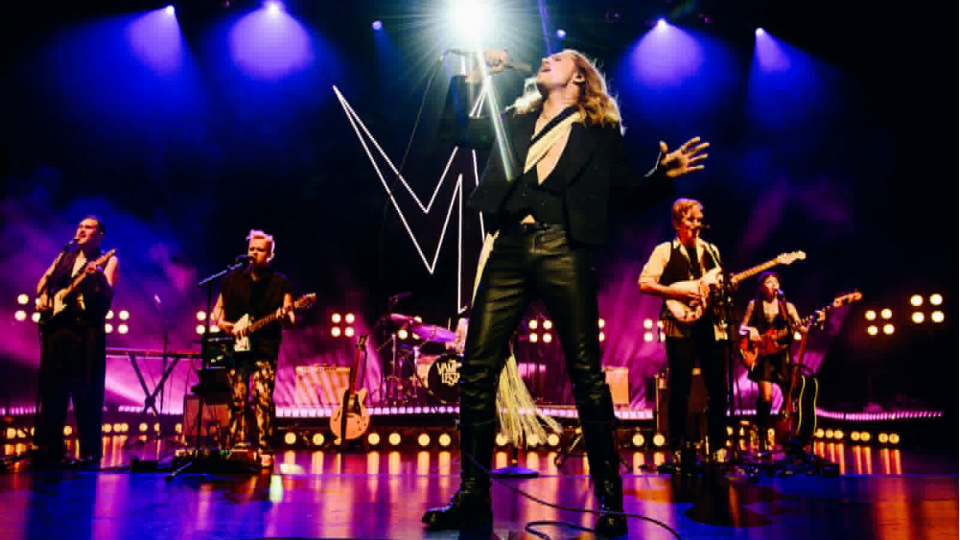
Going beyond your bigger projects, you’ve also lit quite a few up-and-coming indie and alt bands like Clean Cut Kid and Circa Waves, where you have much smaller kits. How do you approach design differently when you have fewer lights?
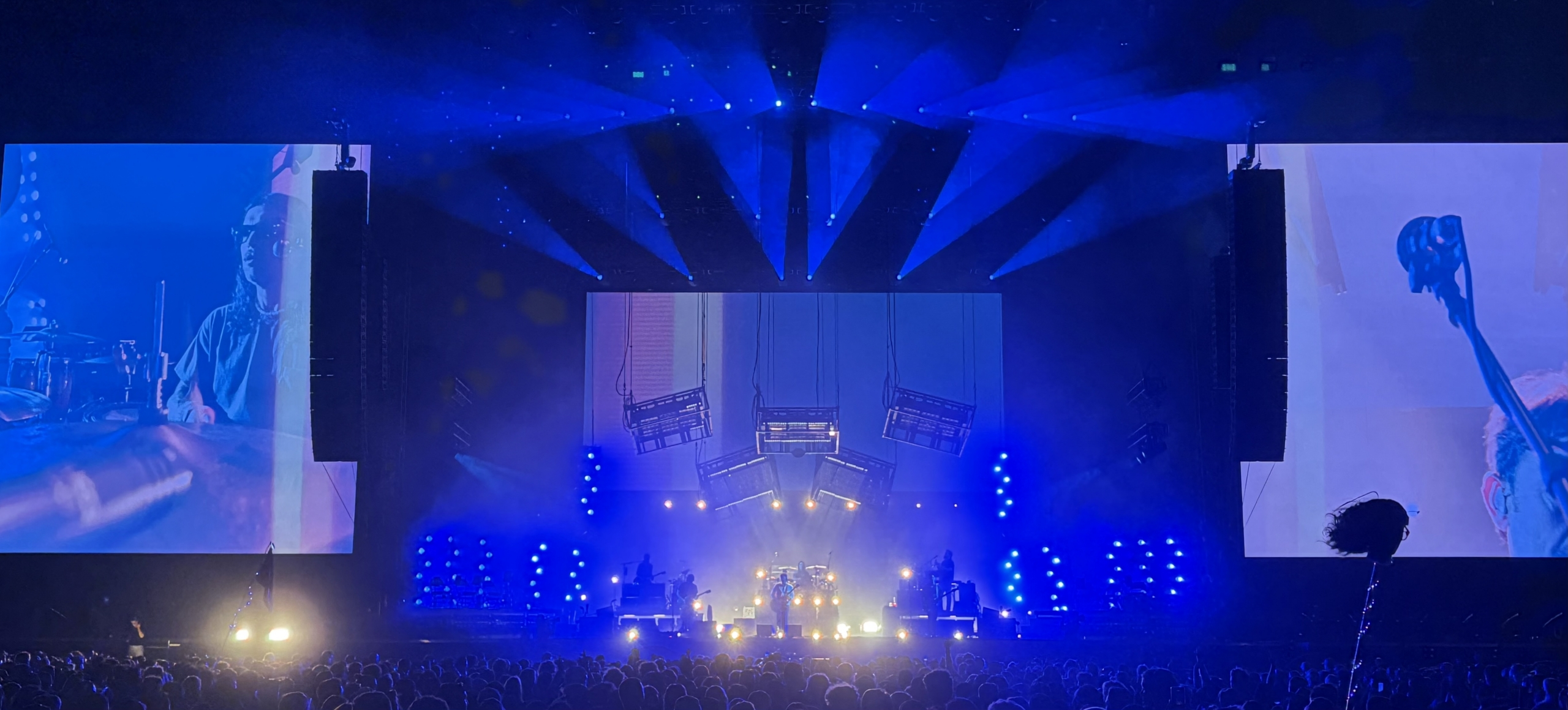
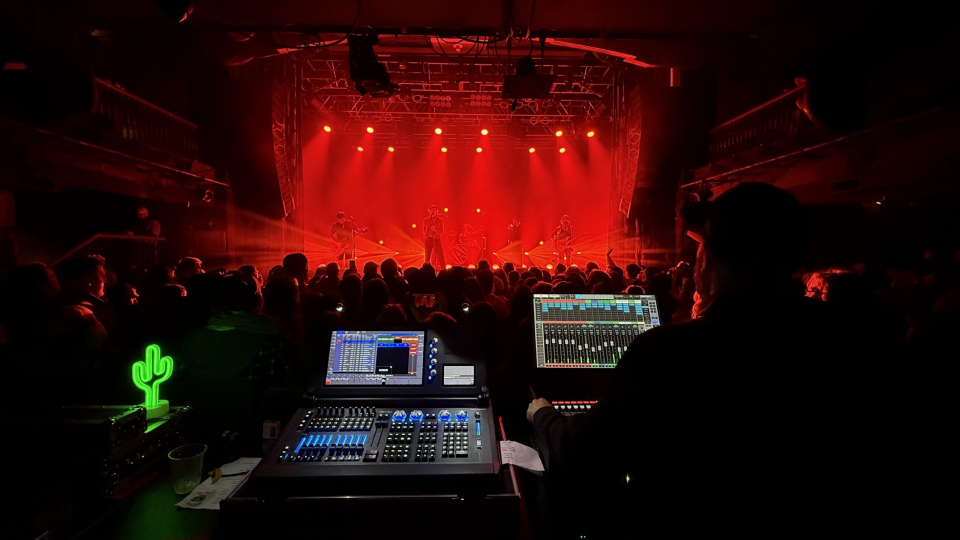
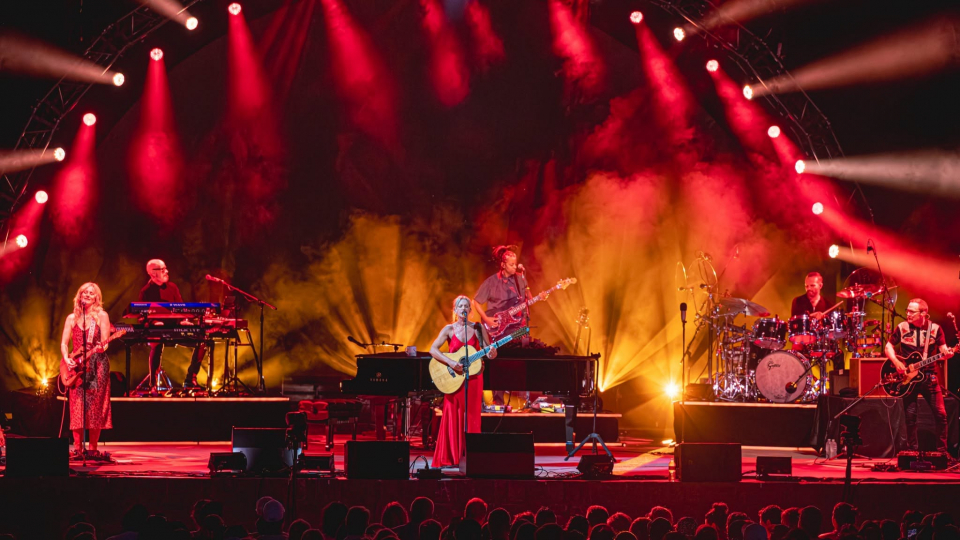
“When working with up-and-coming bands, it’s important to make every lighting fixture count. With a larger show and a larger budget, you can afford to take more risks and dedicate more specialist fixtures to special moments in the show. On smaller shows, usually you don’t have the freedom of rigging and hanging fixtures from above, so ground-rigged designs become much more important.”
What is the most important skill you can have as a lighting designer?
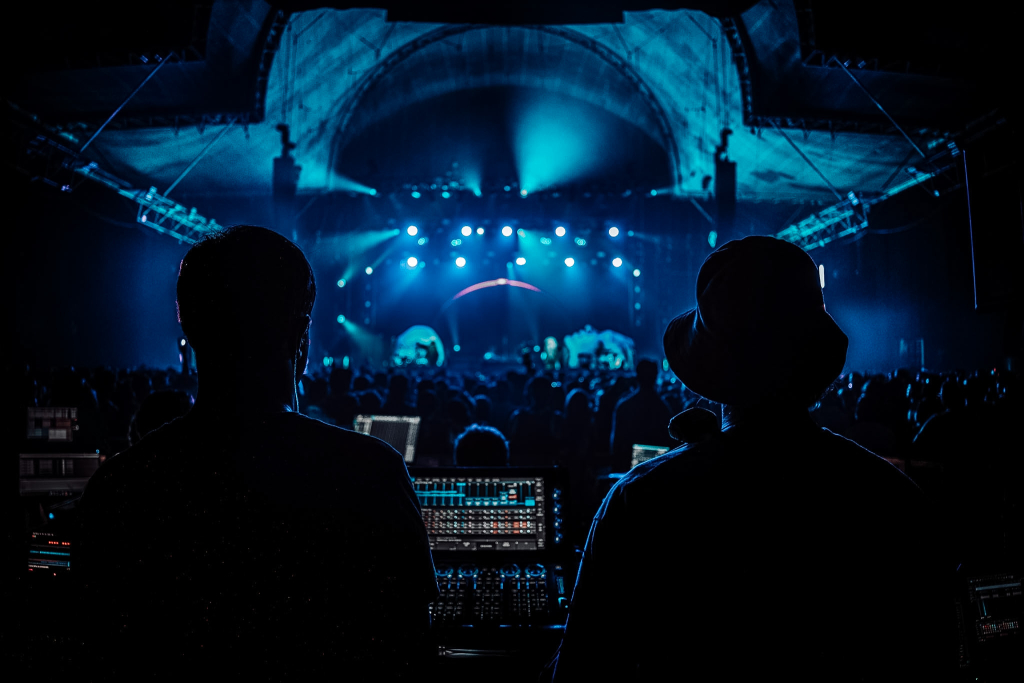
“Be willing to work with others, and if you believe in your concept or design, be willing to fight for it. Communicating the idea is often the biggest challenge. Fortunately, we have so many tools available nowadays to help us communicate an idea, such as visualizers.”
Do you have a favorite color to work with?
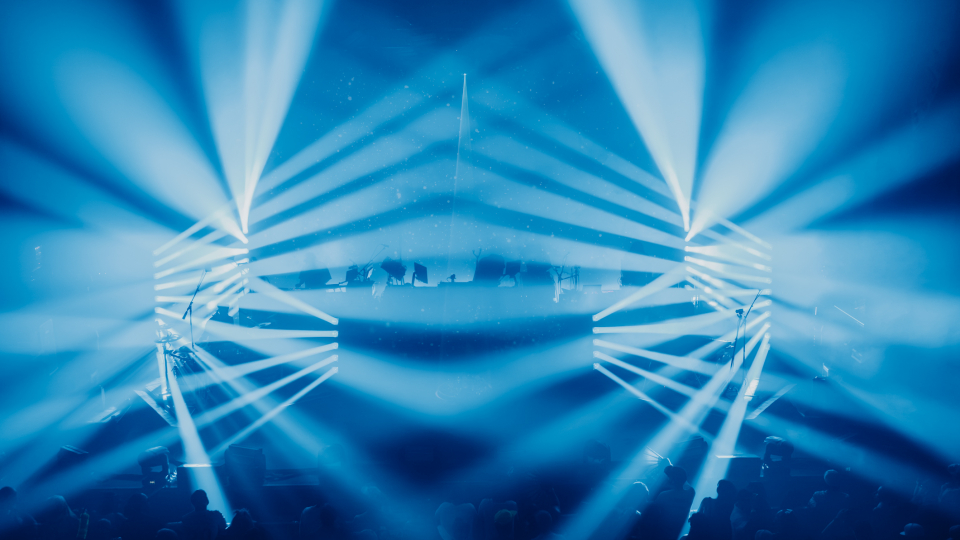
“I’m a big fan of steel/CTB blue and cyan shades of color.”
Is there a color you find most challenging?
“White light can be a challenge with some artists. It’s a bit like Marmite; they either love it or hate it. White can be impactful but also illuminates absolutely everything around it and can break a theatrical scene.”
If you were talking to a group of new lighting designers, what is the most common mistake you would tell them to avoid?
“Always remember to look up at the stage. No one in the crowd is interested in how impressive your show file looks. Remember that people are there to see the whole show and not just your lighting design. Therefore, make sure the talent is well lit (if the show calls for it). Knowing all the various software options that are out there to help you, like CAD and visualizers and consoles, is great, but there’s nothing quite like getting experience in the field.”
Can you tell us how and why you became a lighting designer?
“While studying at LIPA and initially wanting to work in theatre, I got a part-time job at a music venue, which really opened my eyes to the world of live music and concerts. From that point, I knew I wanted to work in the industry, and lighting was the discipline I found most interesting.”
What is the one thing you want people to know about you as a designer in general?
“I really enjoy working on unusual projects as opposed to just straight touring. I also enjoy switching between film and TV and rock and roll, as each teaches you a different range of skills while also keeping the job interesting.”