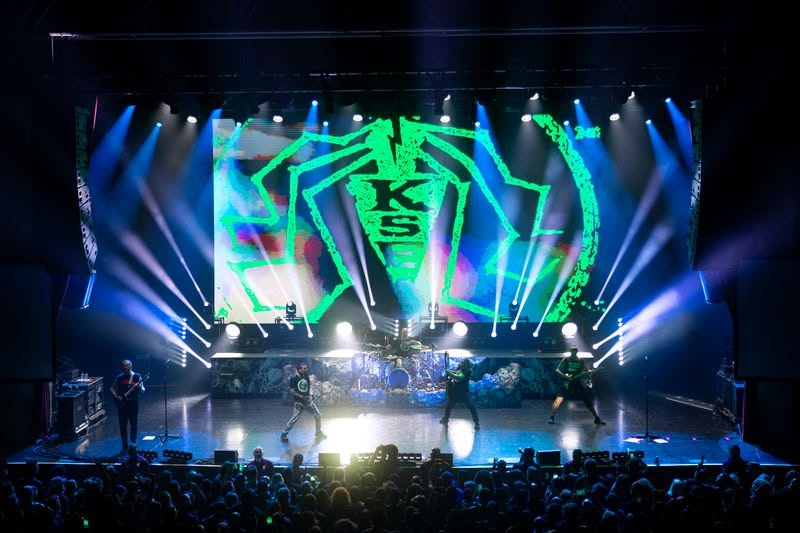
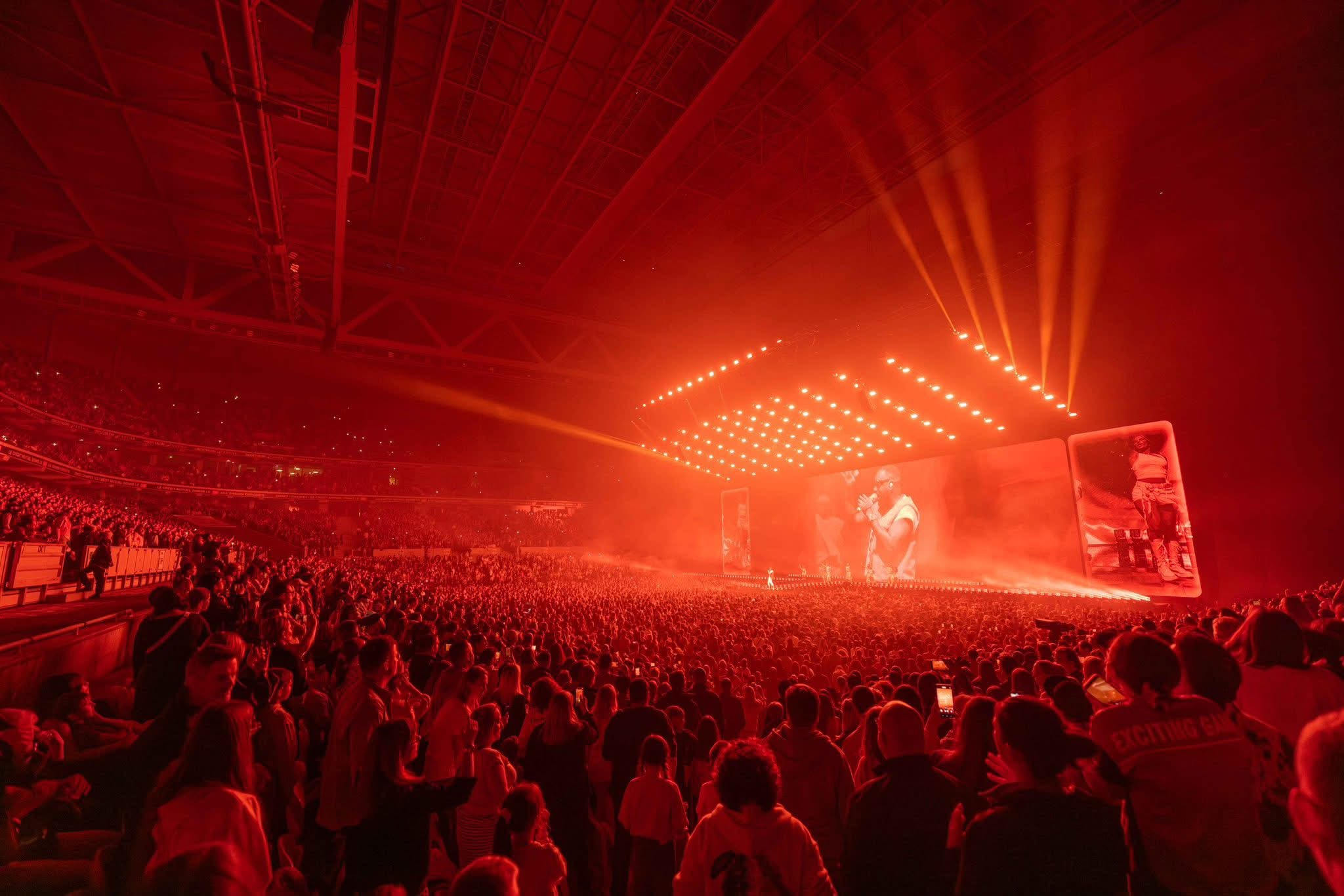
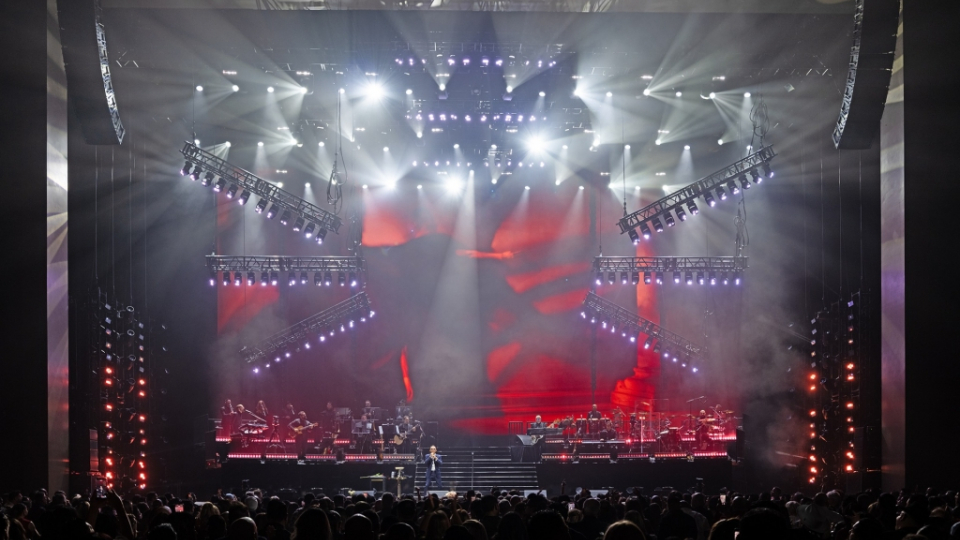
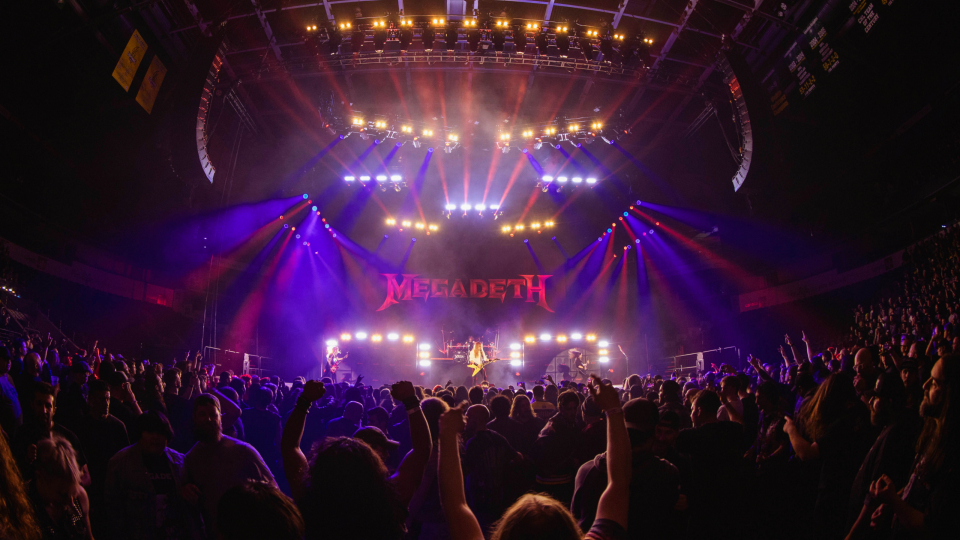
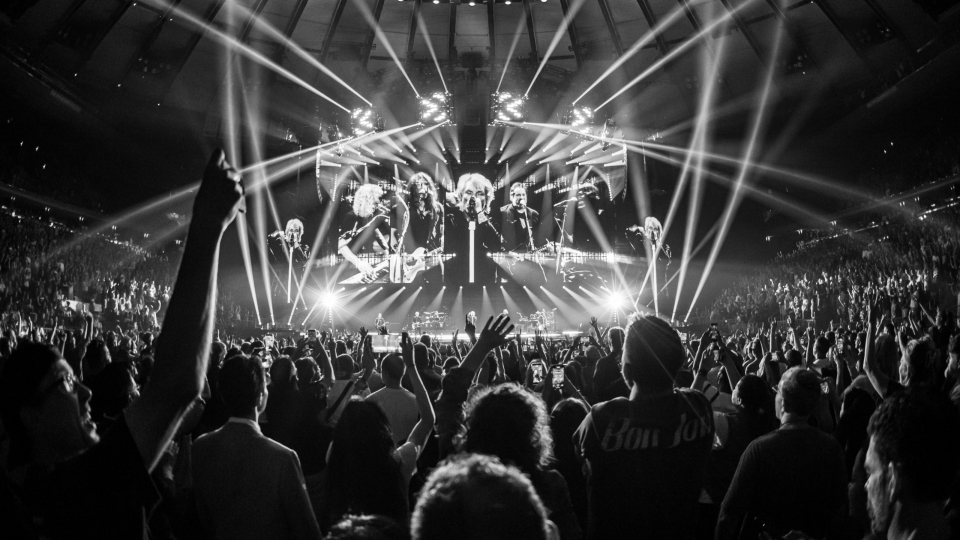
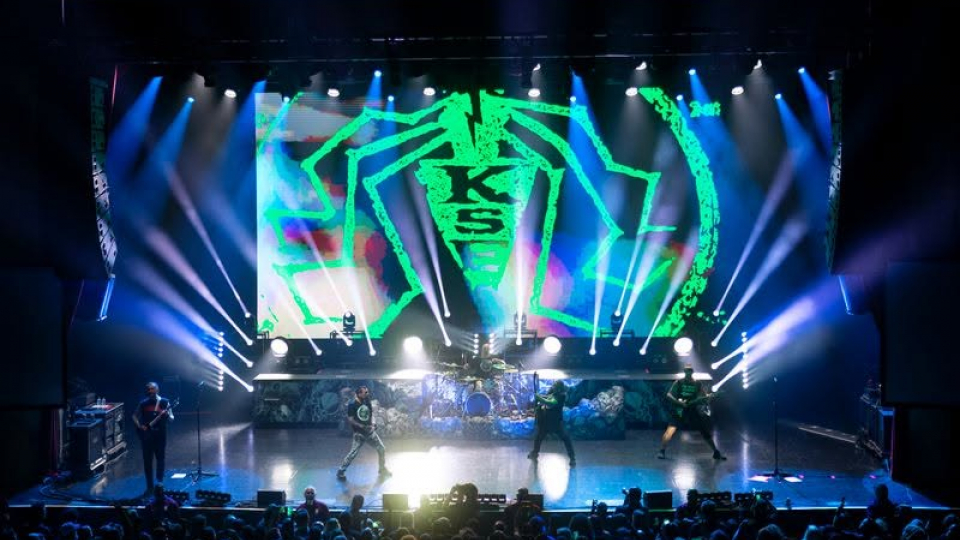
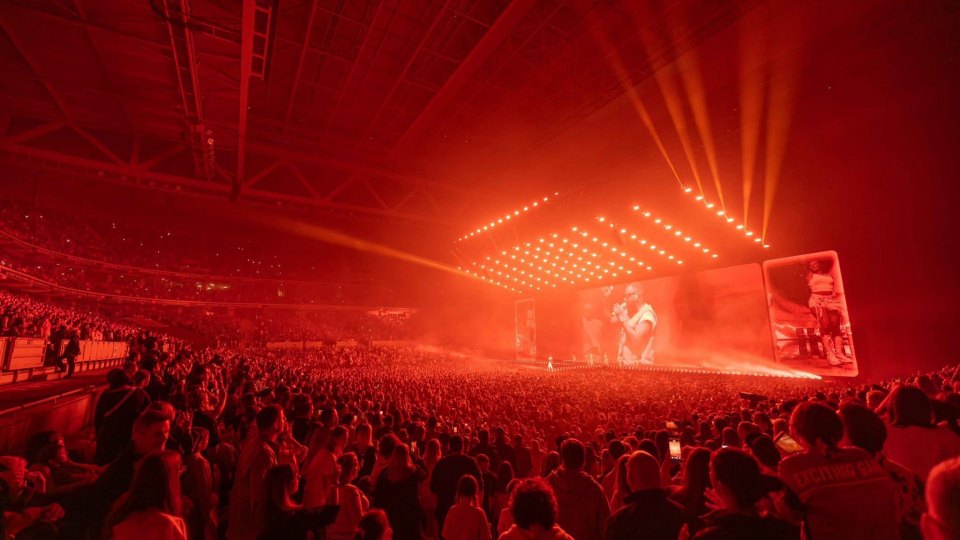
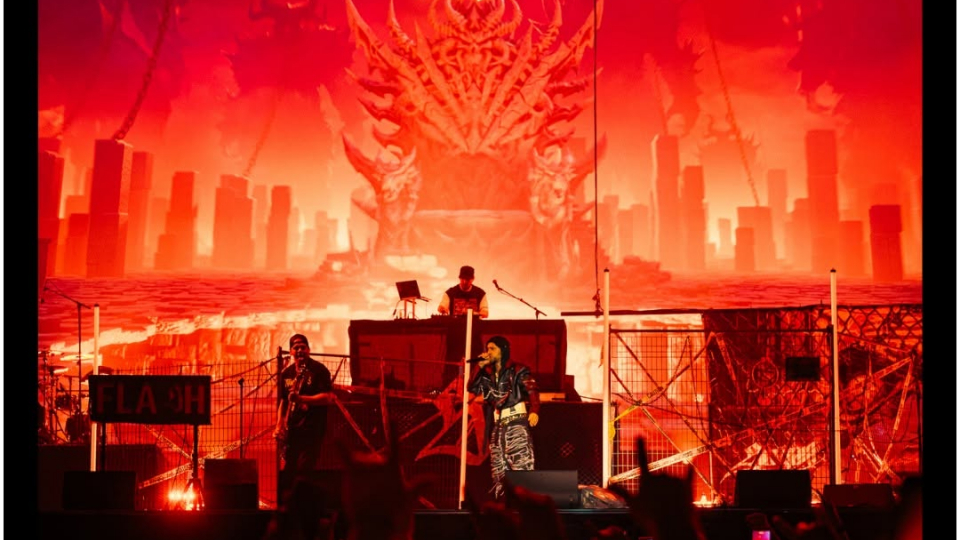
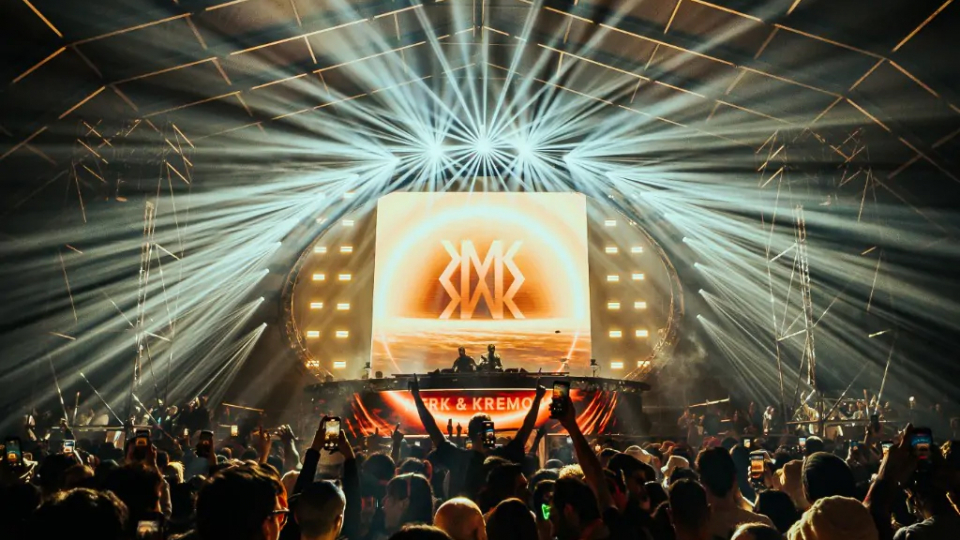
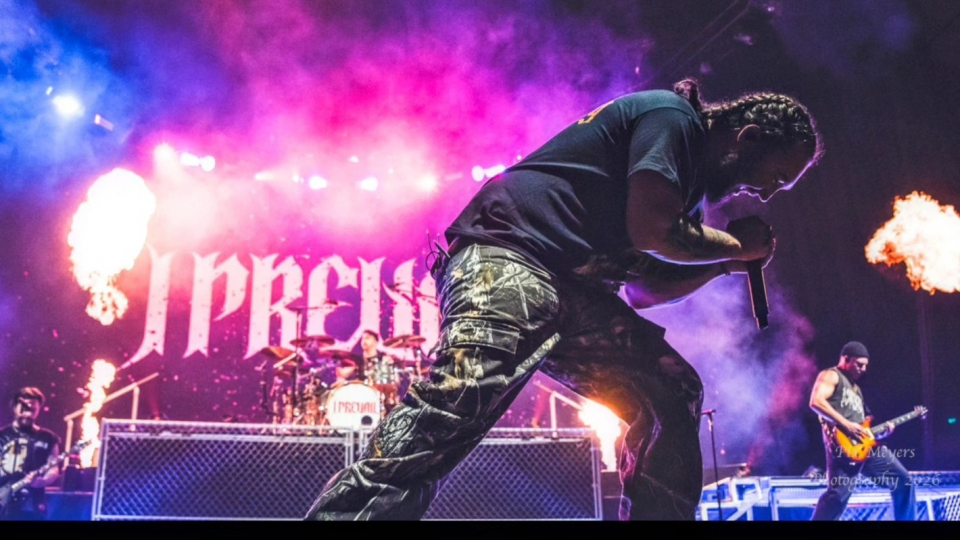
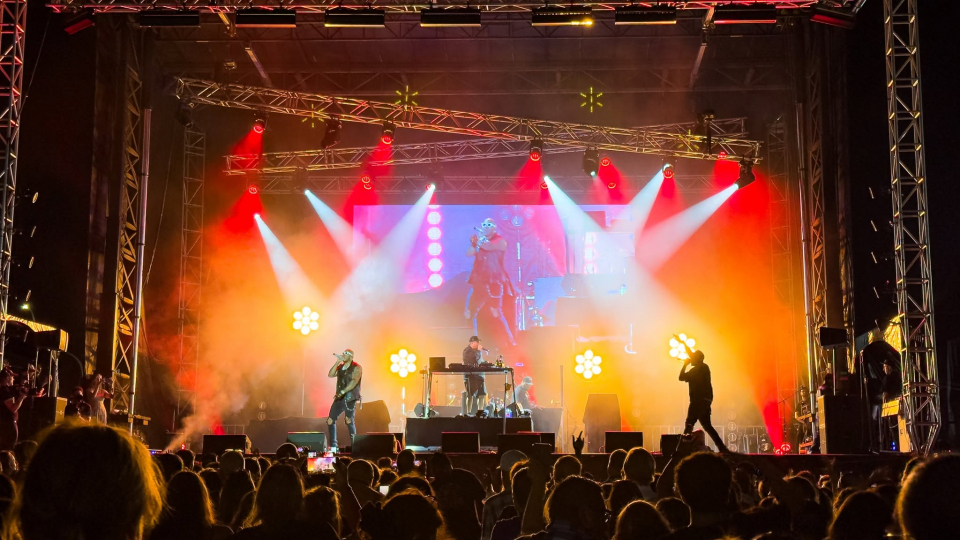
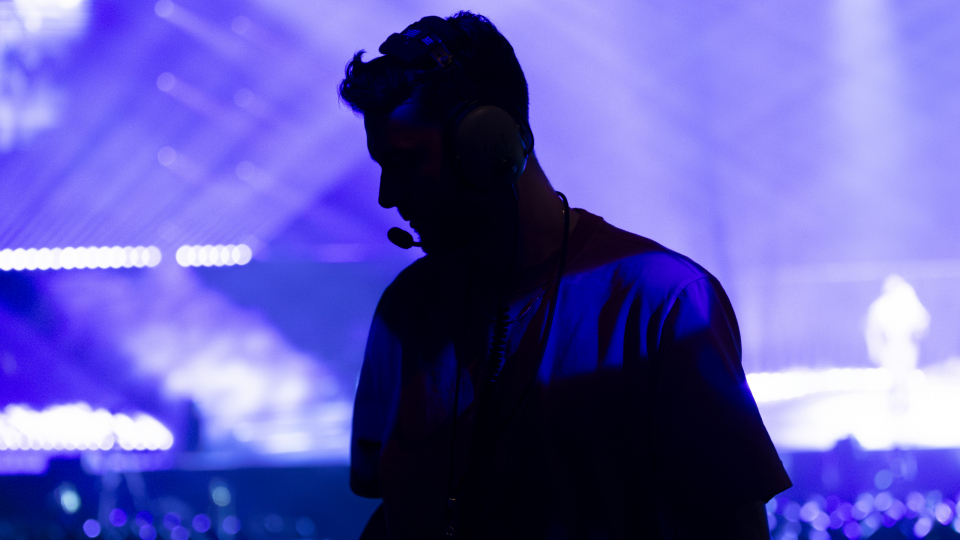
Lighting can mean many things beyond the obvious (and very beautiful!) visuals it brings forth. For this widely acclaimed Colorado-based designer, this meaning extends far beyond mere aesthetics and embraces the deeper purpose of shaping every environment lighting lives in.
As Schellenger tells us, lighting does not exist in a vacuum. It always has to land someplace. What it does after it lands will ultimately determine how meaningful it is on stage. A production designer as well as a lighting designer, Schellenger draws on his understanding of this concept to create visually rich shows where lighting not only gives rise to its own stunning effects, but also enhances every scenic element it touches.
Through his company, Station Six of Denver, Schellenger has followed this approach for an impressive list of clients that includes Imagine Dragons, Pentatonix, The Killers, AJR, The Stokes, Shinedown, and many more. He spoke to us about the power of purposeful light.
About 13 or 14 years ago, we did a story on how you used pixel-mapped LED panels for a Third Eye Blind tour. Pixel mapping was still relatively new then. What drew you to it as a designer?
“I looked at lighting shows from a wide-angle lens perspective, and I thought instead of just lighting, why not create dynamic scenes with the lights? Why not try something other than cue bit mapping that would give us more to see? I used to carry a small laptop with me that I would use to program lights for mapping. By doing this, I added another dimension to the show.”
Pixel mapping is still very much with us, but quite a few other things about design are different today. How would you describe the changes that have reshaped pixel mapping over the past 10-15 years?
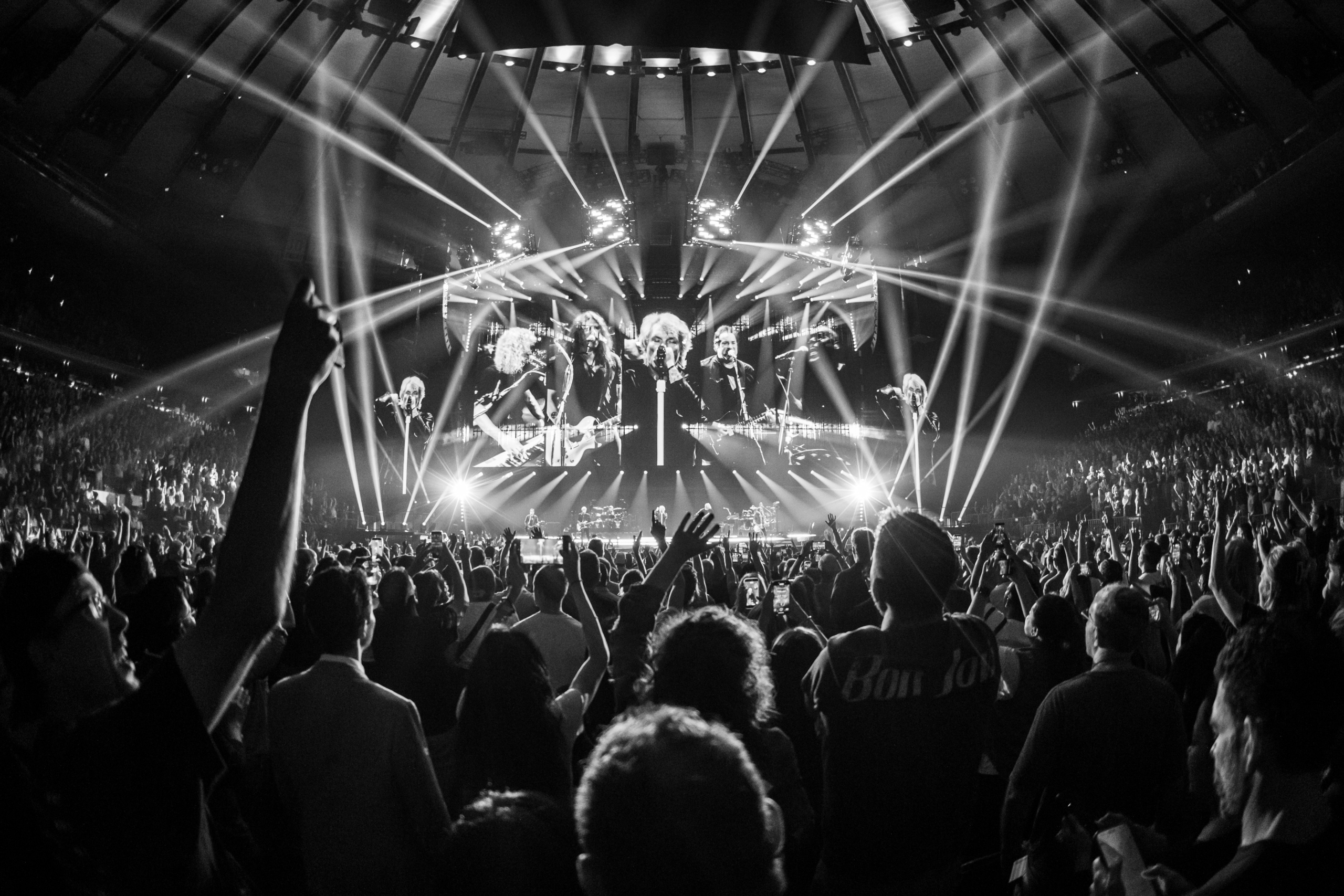
“Density! Pixel density has created an entirely different equation than what we had in that Third Eye Blind tour you mentioned. Today, a single light might have 50 pixels and take an entire universe. There is no comparison to what was available then in the way of density.
“But there are times when you can have too much resolution. I don’t want to put every fixture in the highest mode just because I can. Maybe it’s because of my early years working on crews, but I don’t want to see the crew people do all the cabling that this high density requires, unless it’s really necessary.
“To me, it doesn’t make sense to put a fixture in a mode that requires twice as much cabling if that look isn’t really going to be used to contribute to the show. Our number one goal is always to create the looks that work best to support our client. If that requires more density, let’s go for it, but you don’t want to go do something just because you can.”
If we were to flash forward a decade down the road, how do you think design will have changed from where it is today?
“There will probably be less cabling. It will all be networking. Every light will have nine thousand channels. What I would like to see in the future is for something to develop that will allow unique looks to be available on a broader scale. In other words, I’d like the really cool looks on the main leg of a tour to translate to something on a smaller scale when there are one-offs or the tour transitions to different legs with smaller venues or to places where the same fixtures used on the first leg are not readily available.
“Everyone doing global tours knows how this goes – we get everything we want of the first leg, then have to figure out how to preserve the integrity of the show after that when the same fixtures aren’t there. Fans in those places that weren’t on the first leg know this too – they just have to check out social media. So, I hope that one day tour designs will be more scalable.”
Of course, things have also changed in your career as well since that Third Eye Blind tour. As the principal of Station Six Productions, you are a production designer as well as a lighting designer. How do these two disciplines feed off each other? Does being a production designer help you as a lighting designer, and vice versa?
“Scenic design is the framework for the lighting. My first love is lighting design, but marrying lighting and production together gives me a lot more freedom.”
Earlier, you mentioned supporting the client is always the number one goal. How do you determine how your design can best go about doing that?
“I spend time talking to the client and the production manager. Sometimes, they will go through every detail of a show. At other times, their focus is virtually all on the music, so they’ll say something like ‘just make the show look good.’ They put their trust in me, but I like to get some input from the artists. So, I will talk to them and say something like ‘Your new album is great. What headspace were you in when you wrote that song?’ The idea is to get a sense of what the music means to them. That will be a driving force in my design.”
You’ve lit a lot of different artists; do you have to like someone’s music to do a good job lighting it?
“You definitely are going to like some artist’s music better than others, but when someone calls me and asks me to light their show, I’m honored. So, at the end of the day, I make sure that I know how to support the music, even if I am not crazy about it.”
If you could go back in time and light an artist from the past, who would it be?
“It’s not a particular artist, but an era that I’d be interested in going back to. That would be the era when it was just par cans and gels. I think it would be cool to experience what the iconic old school designers had to go through to come up with amazing looks with limited available technology.”
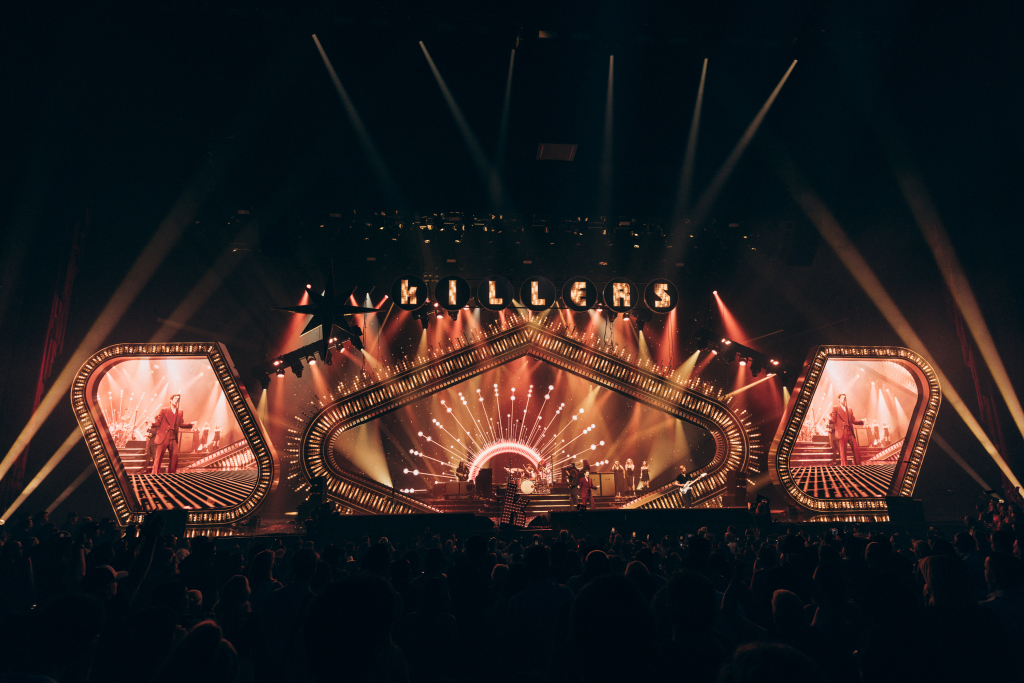
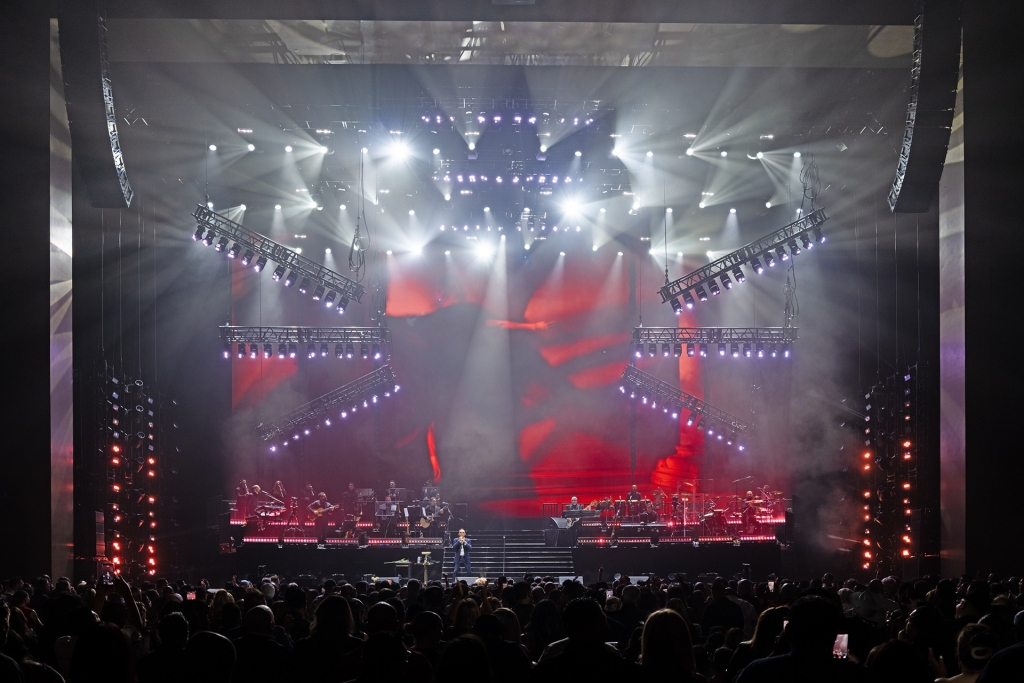
We talked about production design earlier, so we have to say that we were very impressed with your work on The Killers Las Vegas residency, collaborating with the band’s lighting designer, Steven Douglas. The way the design incorporated the distinctive shape of the “Welcome to Las Vegas” sign really stood out. You’ve used various geometric configurations in many of your designs, such as your work for AJR’s Maybe Man tour and the Confessions of a Dangerous Mind tour. How would you describe the role that geometry plays in your work?
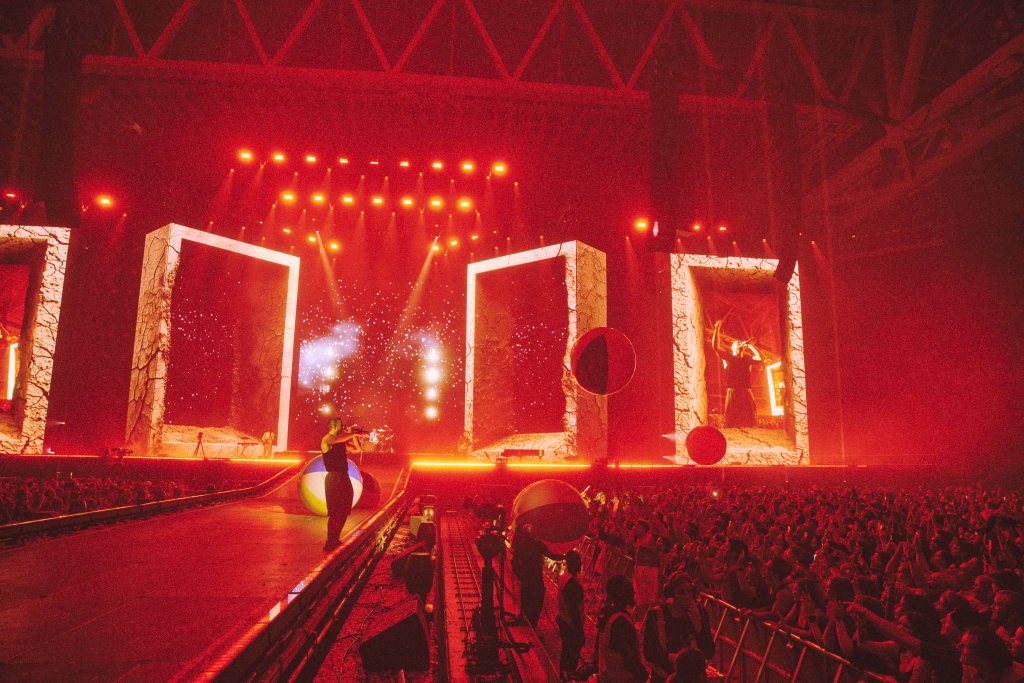
“Architecture or geometry, if you prefer, creates space for the lighting to live. In real life, architecture gives light someplace to go. Go into any building, and the light is always going to land on something, be it a column, a wall, or whatever. I like it when the light is defining a shape. To me, it makes more sense if the light has someplace to go; it’s like giving it a reason for being there.
“Geometry creates a sense of balance in the performance space. You can also look at it as creating a setting that makes the artists feel comfortable. There are exceptions, but light is more powerful when it’s set against structure. In many cases, I also like to use light to accent the inner workings of a stage like chains and motors. People can see these things anyway, so I often like to use lighting to bring them into the design.”
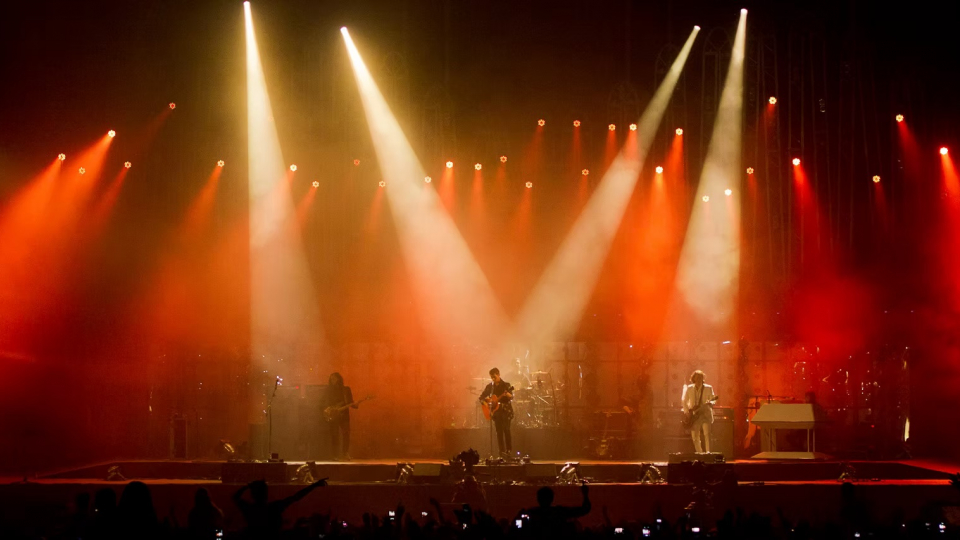
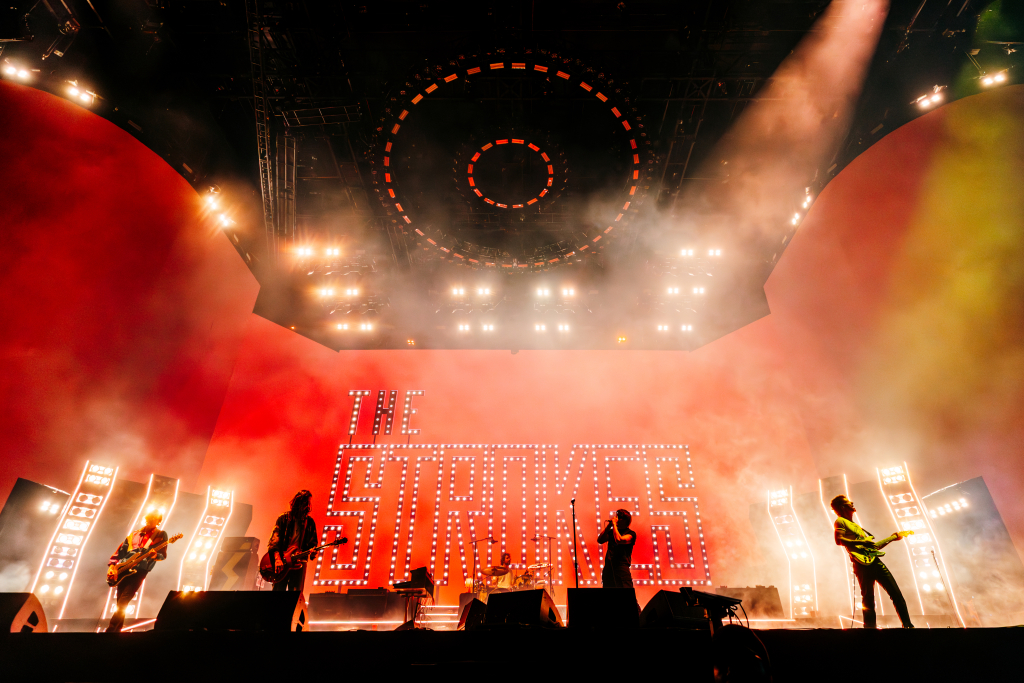
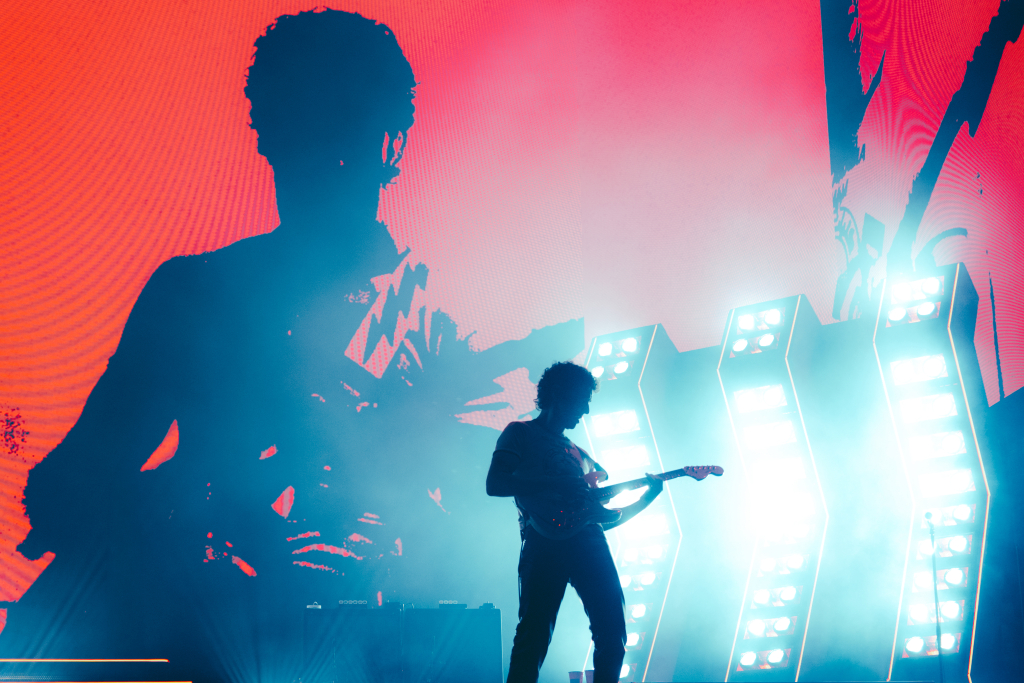
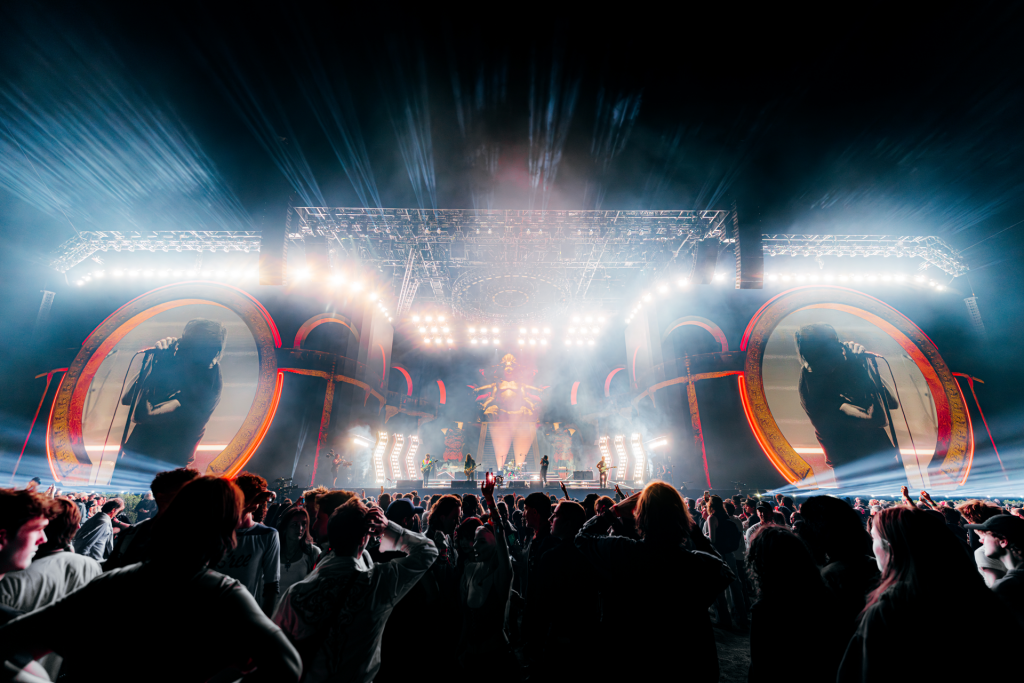
Shapes also played a big role in your design for The Strokes at Coachella – so did all the motion you created in that show with video and lasers. How do you create this kind of kinetic action without detracting from the show?
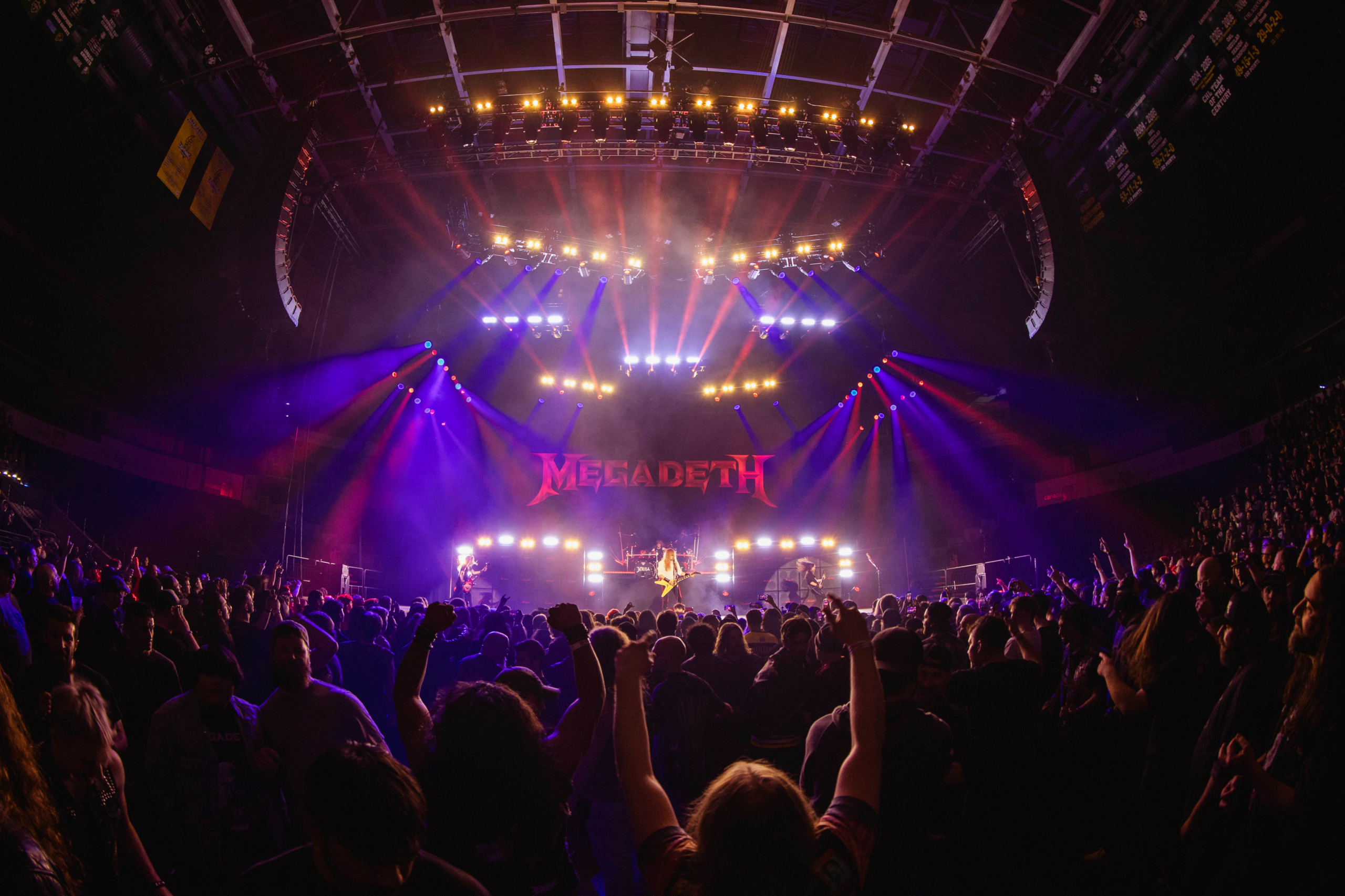
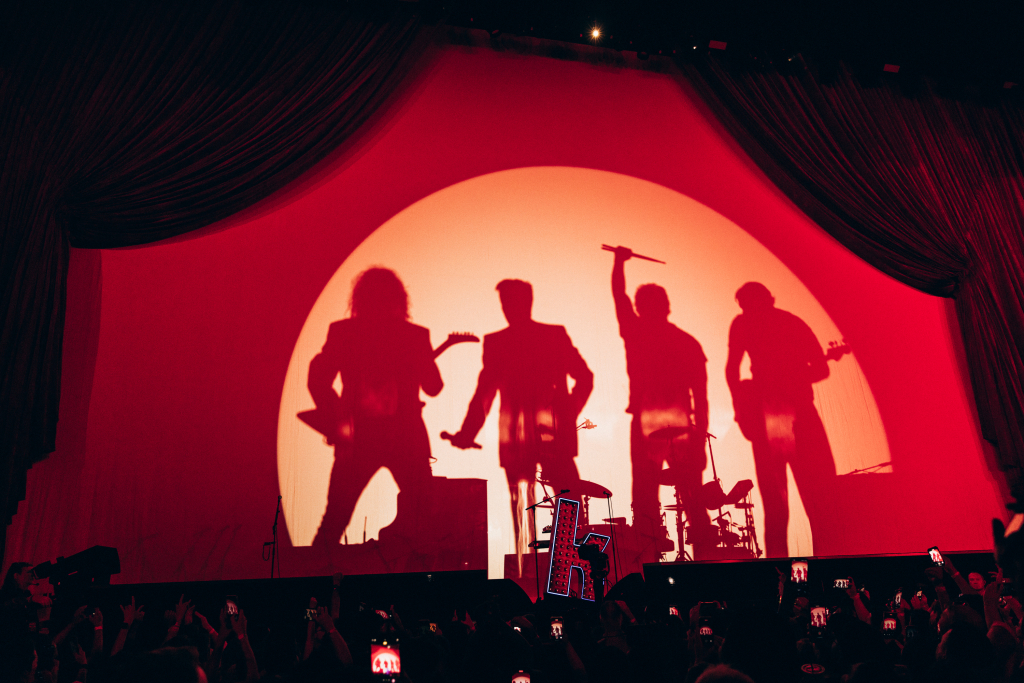
“For me, cliché as it may sound, the music is what always dictates what you do. If you follow the music, you will always be able to keep the focus on the artist and the performance, regardless of how much you have going on in the environment around them. I like to get stems from the audio engineers when I design, so I can isolate different parts of the music. By doing this, I can create a lot of intricacies without taking away from the music. For example, when we lit Shinedown, I isolated one piece of the guitar music that really caught my attention, so I paid extra attention to it in the lighting.”
So, do you have to be a musician to be a good lighting designer?
“You don’t have to be a musician in terms of being accomplished at playing an instrument, but you do have to have a sense of musicality. I mean, if you don’t know what three choruses and an eighth note are — or at least how to clap or tap your feet in sync with the music — it is probably not going to work out for you as a lighting designer.
“One of the greatest compliments I ever received was after my first tour with Third Eye blind when I was called in late to fill in after an emergency. Stephan Jenkins, the lead singer, wrote me a note thanking me and calling me the sixth member of the band. Since it’s all about the music, that’s about as good as it gets.”
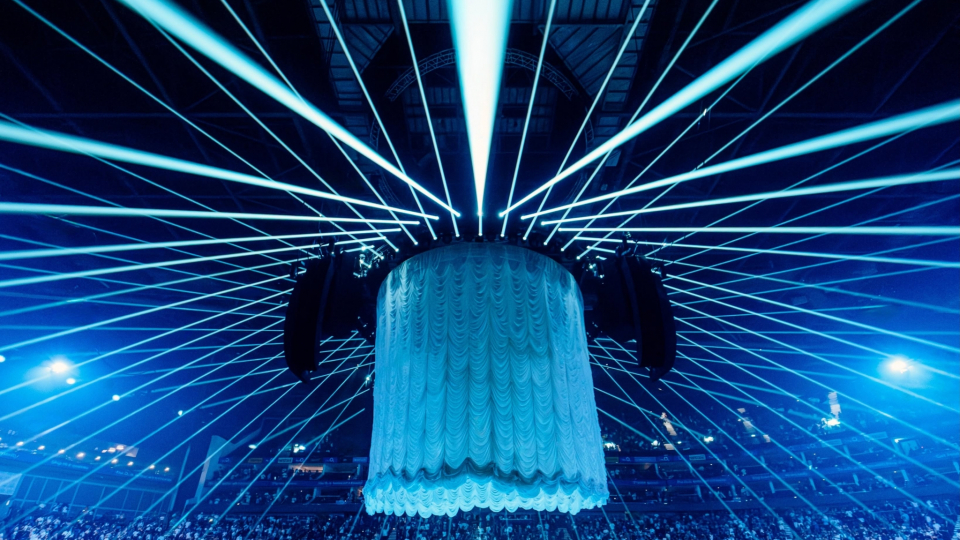
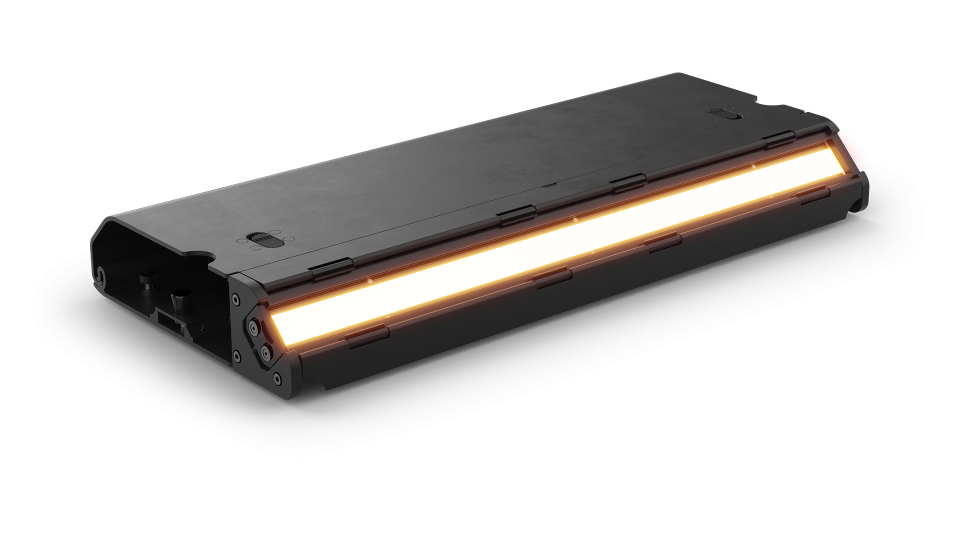
The Imagine Dragons Loom Amphitheatre tour, which featured powerful columns, was another project where you made brilliant use of geometric configurations. It also featured linear lights along the deck. Has the role of deck lighting changed in your designs?
“The apron of the stage is a prominent element that you want to incorporate into your design, as is the deck. Deck frames the space, so it’s very important.”
In recent years, has the role of moving lights changed in your approach to design?
“Moving lights will always be important, but to me there are times when it makes more sense to use linear fixtures or a more narrow flyout. I do a lot of outdoor festival lighting. You really can’t rely on moving lights as a trick in most cases outdoors because of variable weather conditions.
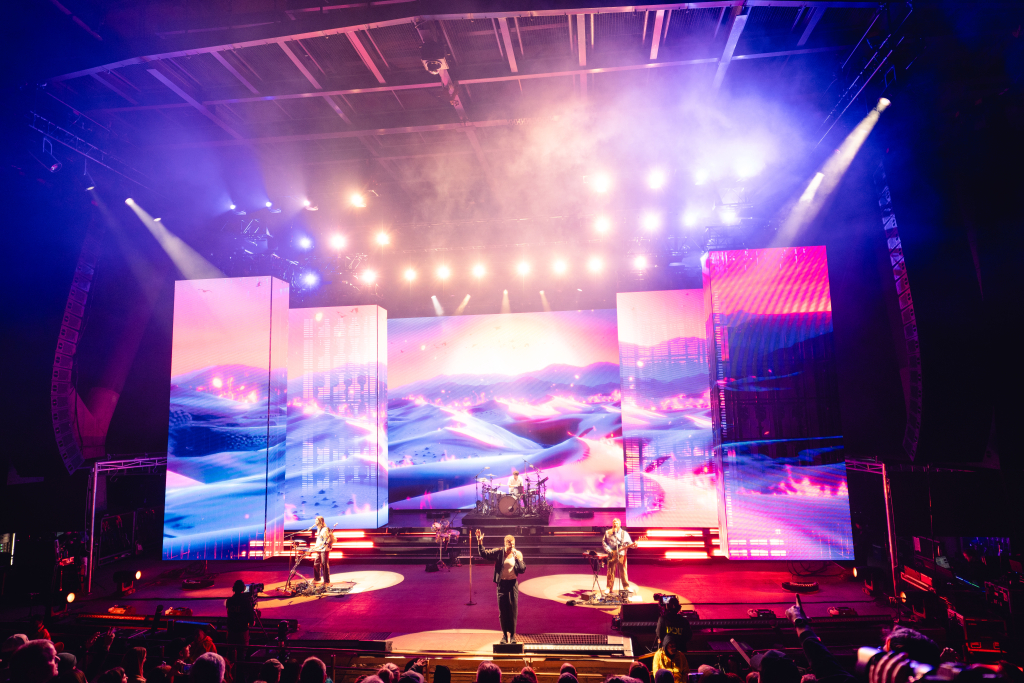
“On another level, you have to ask where does movement come from in a lighting design? It isn’t always from actual moving effects in the air. I did a lot of programming for Travis Shirley and learned a lot from him. One point he always made was that movement comes from transitioning from one look to another. I have always kept that in mind -it’s not the big flyouts; it’s going from look to look that creates the movement in a show.”
How and why did you become a designer?
“I studied theatrical, film, and television lighting. Then I switched and majored in architecture. I was impatient to actually get out and do things, so I left school and began working on stage crews here in my hometown of Denver. Later I hooked up with Christie and began doing real lighting work. Gigi Pedron recommended me to Third Eye Blind, and things took off from there.”
What is the one thing you want people to know about you as a designer?
“That it’s never just about the lighting. This is really a great profession, and when all is said and done, it’s a lot of fun to be lighting performances by all these great artists. I want to foster an environment where everyone involved in a show appreciates this and experiences the genuine fun and camaraderie of being involved in lighting a show.”